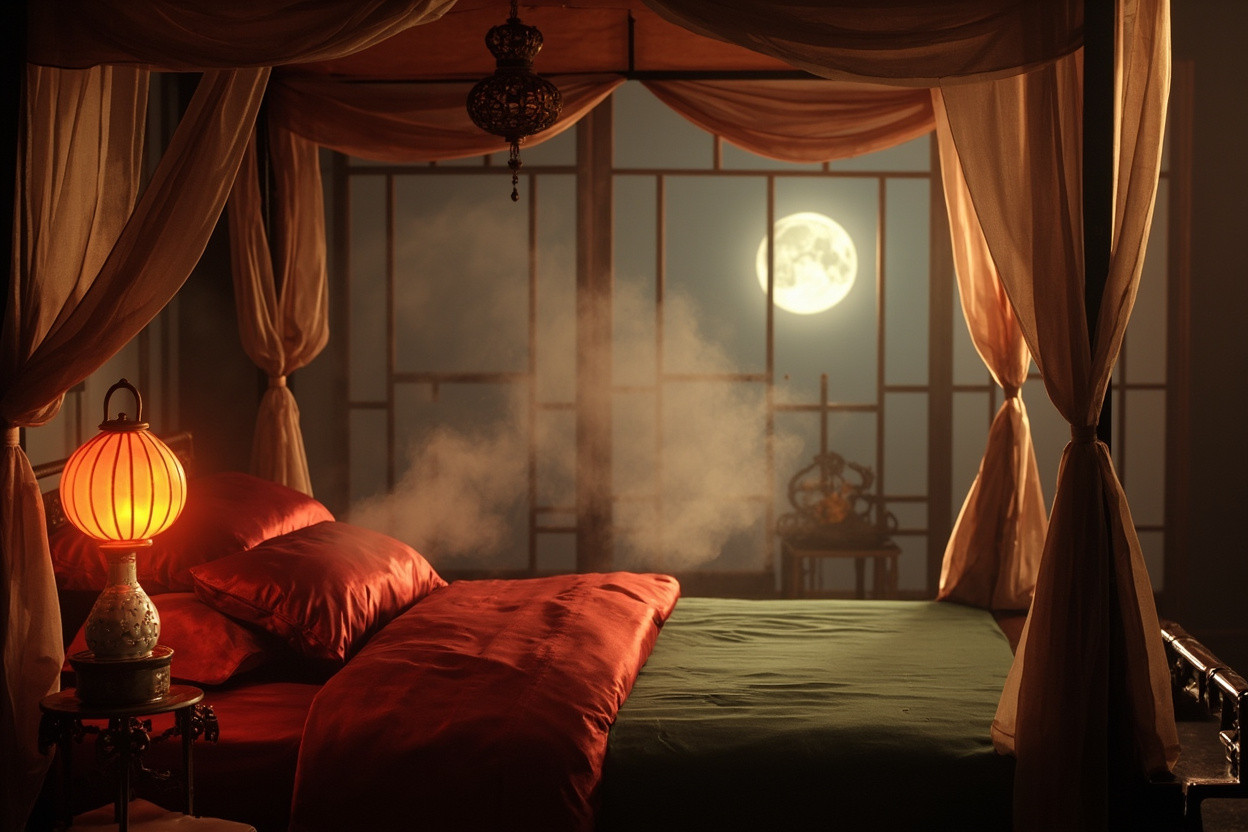
You have been burning incense in your living room. Maybe your bedroom. But here is what most people miss: the quality of your sleep is directly connected to what you burn in your bedroom, when you burn it, and how you burn it. The Song dynasty scholars who created 鹅梨帐中香 (Goose Pear Chamber Incense) understood this deeply. They were not just burning for pleasure. They were engineering sleep.
「江南李主帐中香」— the Emperor Li Chamber Incense — was developed specifically for the bedroom. The formulas that have survived in texts like the 香乘 show us exactly how they did it, and how you can apply it tonight.
The History: Why Song Dynasty Scholars Burned Incense Before Sleep
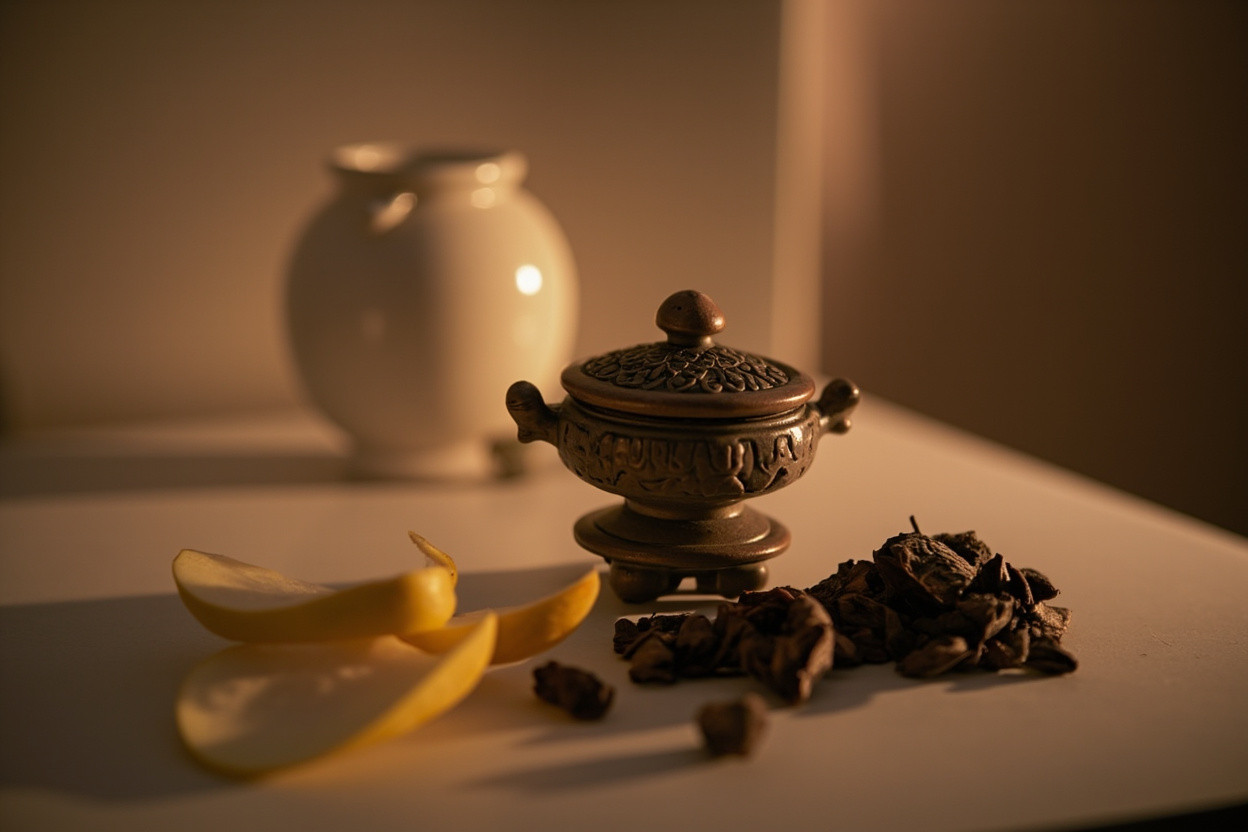
Picture a Song dynasty literati bedroom. The scholar has finished his calligraphy for the evening. His lamp burns low. On his bedside table sits a small ceramic censer. Inside: a mixture of aged agarwood, a quarter of a goose pear, and just a hint of something floral. The room fills with a fragrance that is sweet, grounding, and immediately calming. He lies down. Within minutes, his breathing slows. His mind stops its endless circling. He sleeps.
The classical texts are clear about the purpose of these formulas. The 香乘 records that鹅梨帐中香 was designed specifically for evening use in sleeping quarters. The goose pear (鹅梨) was not incidental — it was the key. Its sweet, slightly tart aroma had a documented calming effect on the spirit. Combined with aged agarwood (沉香), which grounded excess yang energy, the formula created ideal conditions for sleep.
The Formula: What the Original Texts Actually Say
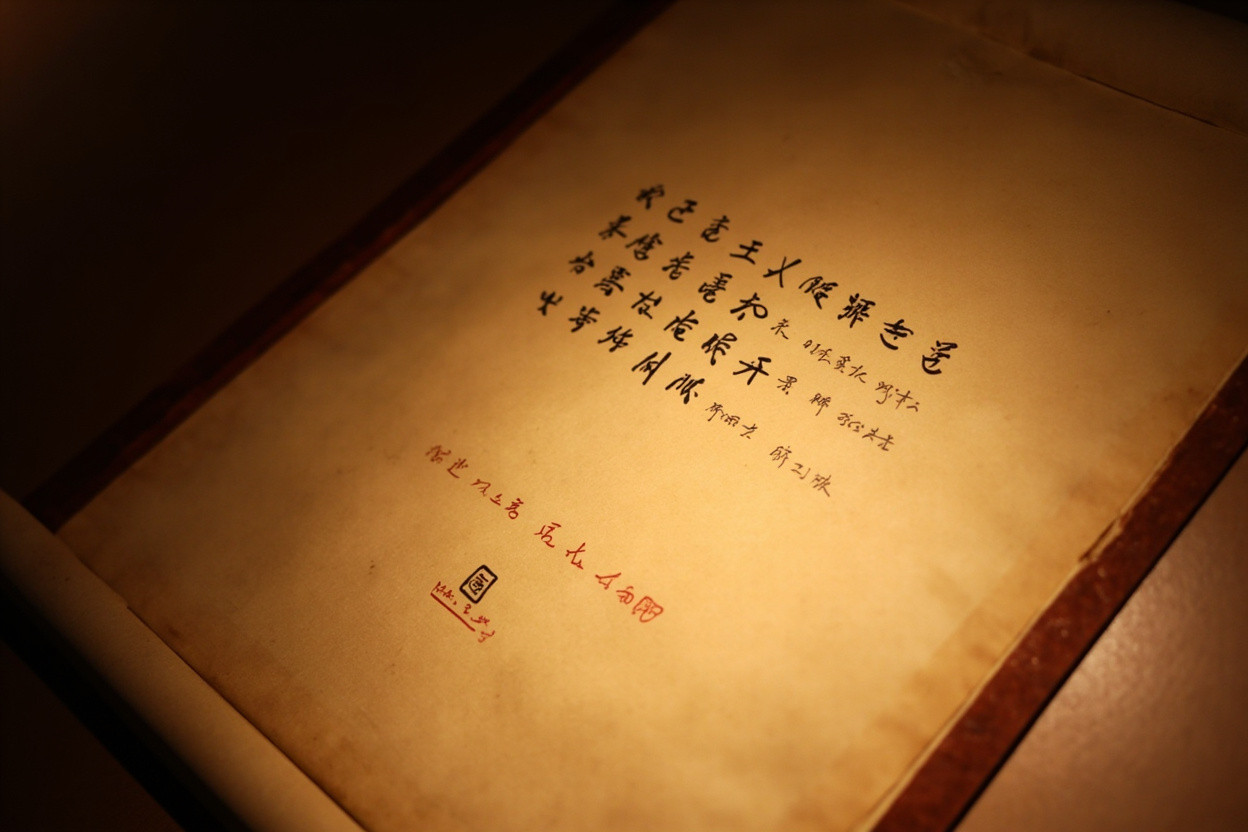
The 香乘 records the classic鹅梨帐中香 formula with these core materials:
Aged Agarwood (沉香) — The base. 70% of the formula. Use the deepest, most resinous aged variety you can find. This is what grounds your nervous system and slows the frantic quality of daytime thinking.
Fresh Goose Pear (鹅梨) — The catalyst. 25% of the formula. Take one fresh goose pear, remove the skin and core, and use only the flesh. The sweet, slightly tart aromatic compounds in fresh pear have a unique calming quality that modern testing has confirmed affects serotonin pathways. Cut it into small pieces and include it in the blend.
Champaca or Magnolia Flower (辛夷 or 茉莉) — 5% of the formula. A tiny amount of very fragrant floral adds a subtle sweetness that makes the blend pleasant enough to burn nightly without developing aversion.
The traditional preparation method: grind each ingredient separately, combine in the proportions listed, store in a sealed jar for three to five days to allow the fragrances to blend (this is called 养香, “nurturing the incense”), then burn.
The Materials: Choosing Quality Ingredients for Sleep
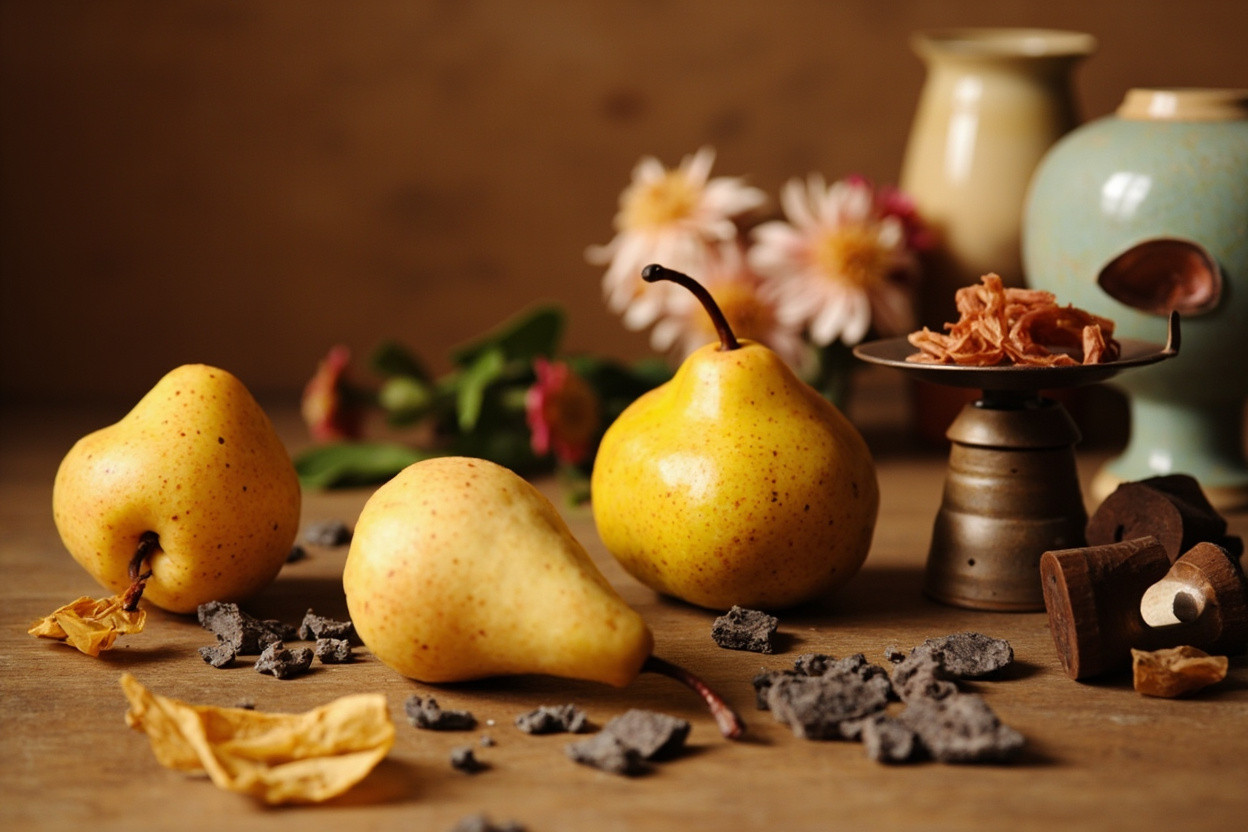
The quality of your ingredients matters more for bedroom use than for any other context. You are burning this to sleep. If your incense is harsh, synthetic, or poorly made, you will not sleep better. You will sleep worse.
Agarwood — For sleep, you want the most deeply calming varieties. Look for “aged” or “cured” in the description. Vietnamese or Indonesian沉香with a dark brown to black color works well. Avoid anything described as “light” or “fresh” — those varieties are more stimulating.
Goose Pear — Use fresh, if possible. Chinese fragrant pears (a cultivar of Pyrus pyrifolia) work perfectly. If you cannot get fresh, dried osmanthus flower makes an acceptable substitute — it provides a similar sweet, calming quality.
Champaca — Use dried magnolia flower or high-quality osmanthus. A little goes extremely far. If you use too much, the floral notes become overwhelming at bedroom concentrations.
The Practice: How to Burn This in Your Bedroom
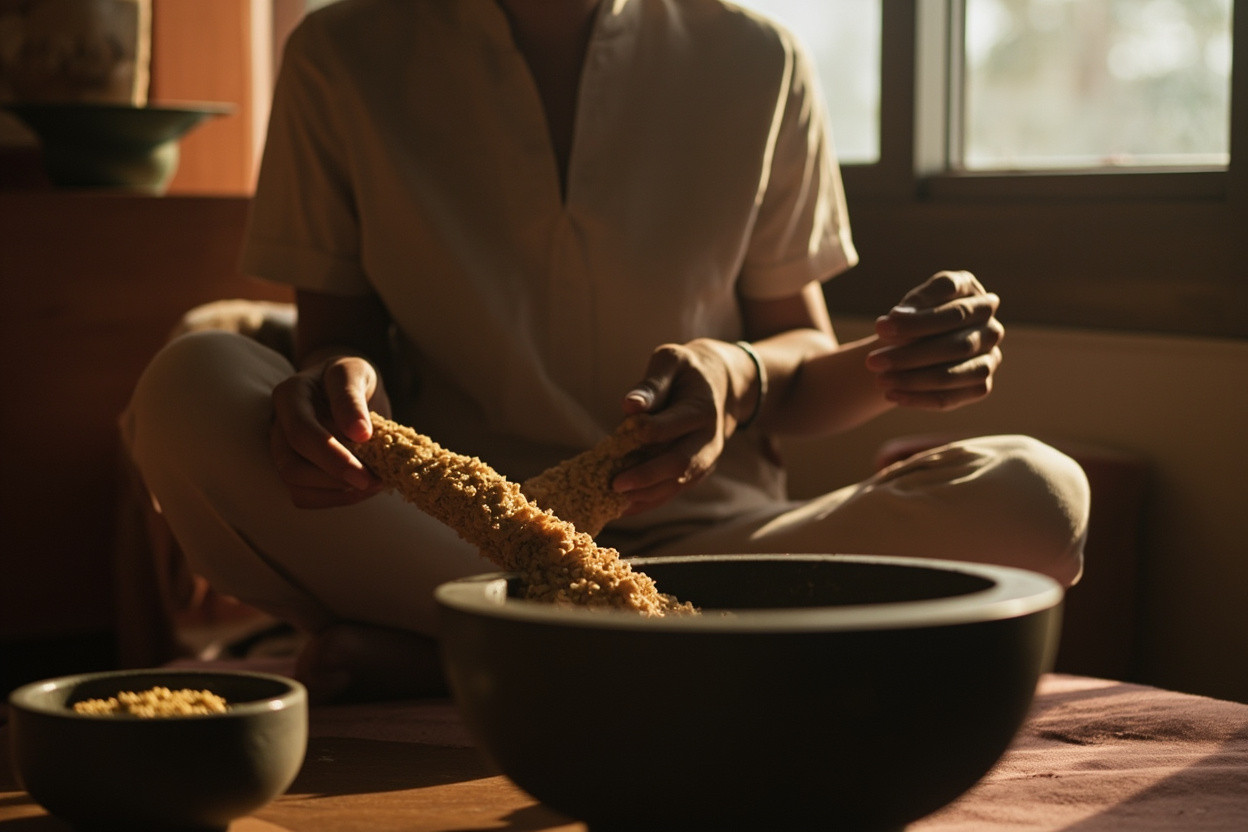
Here is the practice that will actually work for you tonight:
Timing — Burn 30 to 45 minutes before your intended sleep time. Not immediately before bed. You want the aromatic environment to be established before you lie down, not while you are already in bed fighting to fall asleep.
Quantity — For an electric indirect burner: 0.3 to 0.5 grams of total blend. This is less than you think — maybe a quarter of what you would burn for room fragrance. Bedroom incense should be subtle. You want to notice it as you are falling asleep, then become unaware of it through the night.
Burner placement — Keep the burner at least three feet from your pillow. On a dresser or desk, not on your nightstand. The smoke should reach you gently, not directly.
Ventilation — Crack a window. Even a small opening prevents the room from becoming over-concentrated with smoke. Fresh air does not ruin the effect. It actually improves it by preventing the slightly numbing effect of overly concentrated incense smoke.
Duration — 20 to 30 minutes of actual burning, then let the burner cool and unplug it. The residual aroma in the room will continue for another 30 to 60 minutes.
A Modern Bedroom: Blending Tradition with Contemporary Life
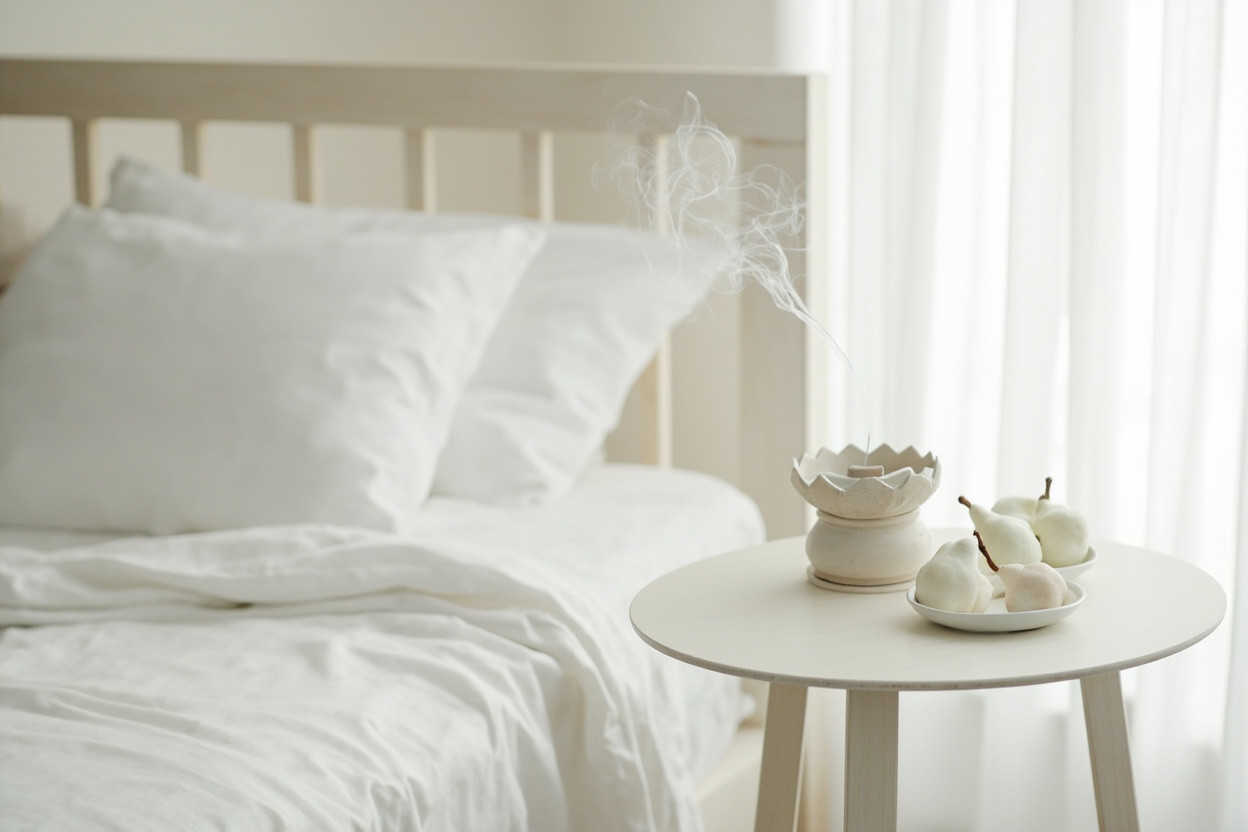
You do not need a Song dynasty scholar study to practice this. Here is what a modern implementation looks like:
Your bedroom aesthetic might be minimalist Scandinavian, modern Chinese, or simply functional. That does not matter. What matters is that you have one dedicated space for this practice — a dresser, a shelf, a corner of your desk. Place your electric incense burner there. Establish the habit before you worry about the aesthetics.
For those in apartments or small spaces, this practice scales down easily. An electric burner on your dresser, a small amount of blend, 20 minutes of burning while you change into sleep clothes, then off and to bed. The effect is cumulative — consistent nightly practice for two to three weeks produces the most noticeable results.
What you should not do: burn this during the day and expect to sleep at night. The stimulating effects of regular daytime incense use work against sleep preparation. If you must burn during the day, use a different blend. Reserve鹅梨帐中香 for evening only.
Frequently Asked Questions
How is this different from regular bedtime incense?
Regular bedtime incense might smell nice but was not specifically designed for sleep.鹅梨帐中香 was engineered by people who studied the effects of aroma on sleep quality for decades. The combination of goose pear and aged agarwood specifically targets the transition from wakefulness to sleep. Generic floral or woody incense does not have this targeted effect.
What if I cannot find goose pear?
Osmanthus (桂花) is the best substitute. It has a similar sweet, calming quality and works well as the fruity component. Use dried osmanthus at the same proportion as goose pear — 25%. Fresh Asian pear (not European pears) also works if you dry and crumble it first.
Can I burn this every night?
Yes. This formula was designed for nightly use. That is literally its purpose — 李主帐中香, the emperors bedroom formula, was burned every night. The materials are gentle enough for daily practice and cumulative in their effect. The more consistently you practice, the more your body associates the aroma with the sleep transition.
Related Articles
- E Li Zhang Zhong: The Goose Pear Chamber Incense of Song Dynasty
- Sleep Incense: Ancient Chinese Formulas for Better Rest
- Goose Pear Curtain Incense: Ancient Formula for Modern Sleep
Tonight, Before You Sleep
You have been sleeping poorly for however long. The melatonin is not working. The meditation is hit or miss. The weighted blanket helps but does not solve the problem. Try this: 30 minutes before bed tonight, 0.4 grams of goose pear and aged agarwood on your electric burner, window cracked, burner three feet from your pillow. See what happens. The Song dynasty scholars were on to something. Do not overthink it. Just try it.