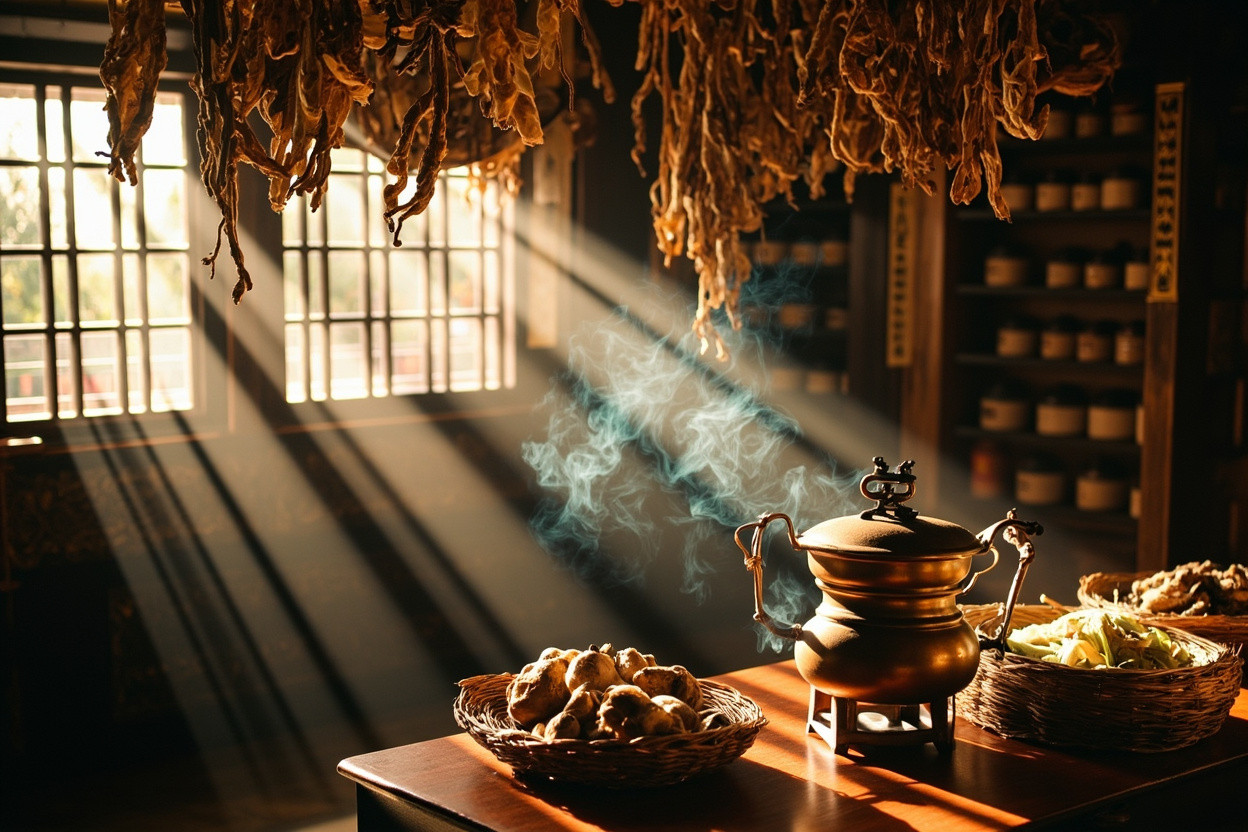
You wake up feeling heavy. Your limbs ache. Your head feels wrapped in wet cotton. The bathroom scale shows you have not gained weight, but your body insists otherwise. This is dampness.
In traditional Chinese medicine, dampness is one of the most insidious external pathogens. It settles in your body like fog on a riverbank — slow, sticky, hard to shake. And the ancient Chinese had a surprisingly effective tool for fighting it: medicinal incense.
Burning specific herbs to dispel dampness is not new. It goes back centuries in Chinese medical tradition. And it works better than you might think.
The History: Why the Ancients Burned Herbs for Dampness
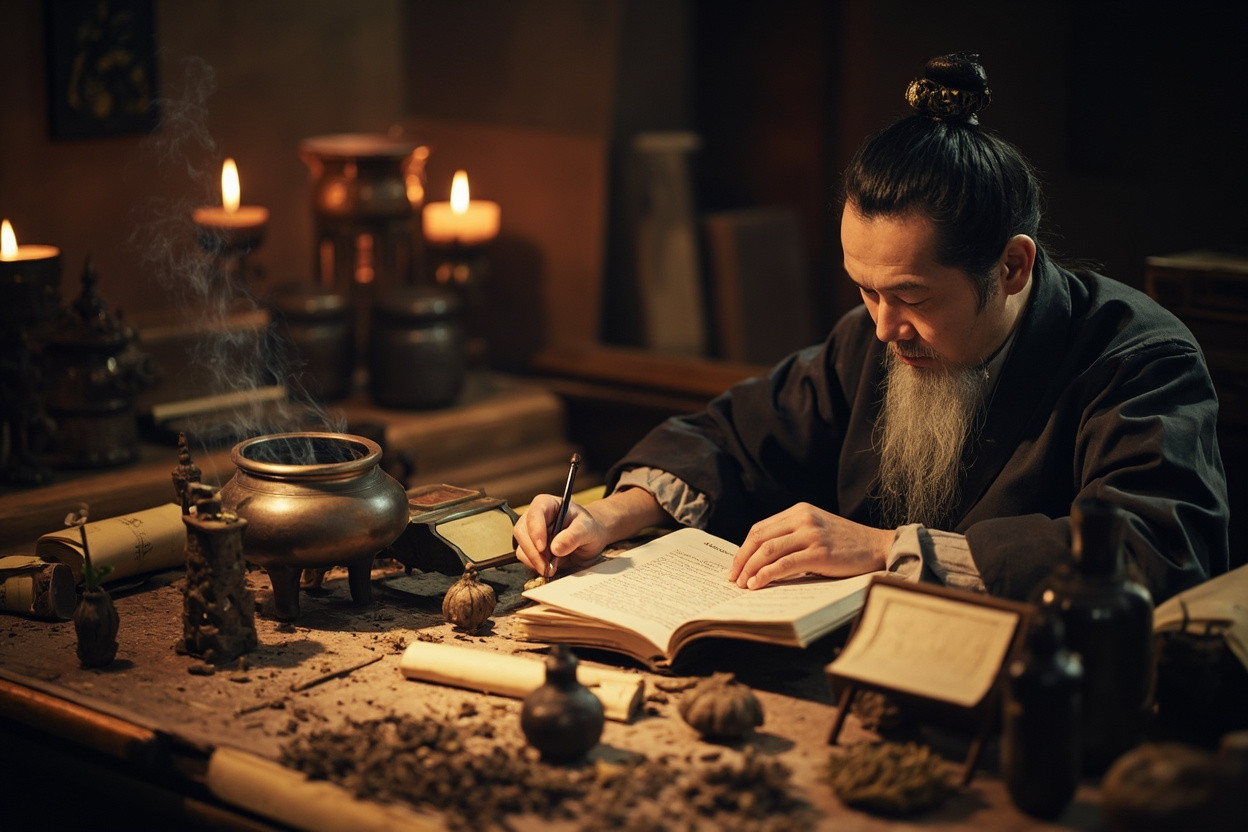
Picture a Ming dynasty physician. He is not seeing patients in his clinic today. He is traveling through villages where dampness runs high — near rivers, in low-lying areas, during the rainy season. He watches how people live, what they burn, how their bodies respond.
What he finds is remarkable: certain herb combinations, when burned as incense, visibly improve energy levels in people suffering from damp accumulation. The smoke carries medicinal properties directly into the lungs and skin, bypassing the digestive system entirely.
「常用熏香:艾草、菖蒲、苍术,烧之可以辟秽。」This line from the Mo’e Xiaolu, a Yuan-Ming dynasty text on practical crafts, tells you exactly what working people used. Ai cao (mugwort), chang pu (acorus), and cang zhu (atractylodes). These were not rare imports. They were everyday herbs grown in temple gardens and roadside plots.
The logic was simple. Dampness thrives in darkness and moisture. Fire and aromatics represent yang energy — heat, movement, transformation. Burning dried herbs releases their essential oils into the air. Those oils have drying, warming, aromatic properties that counteract dampness from the inside out.
Classical Texts: What the Old Formulas Actually Say
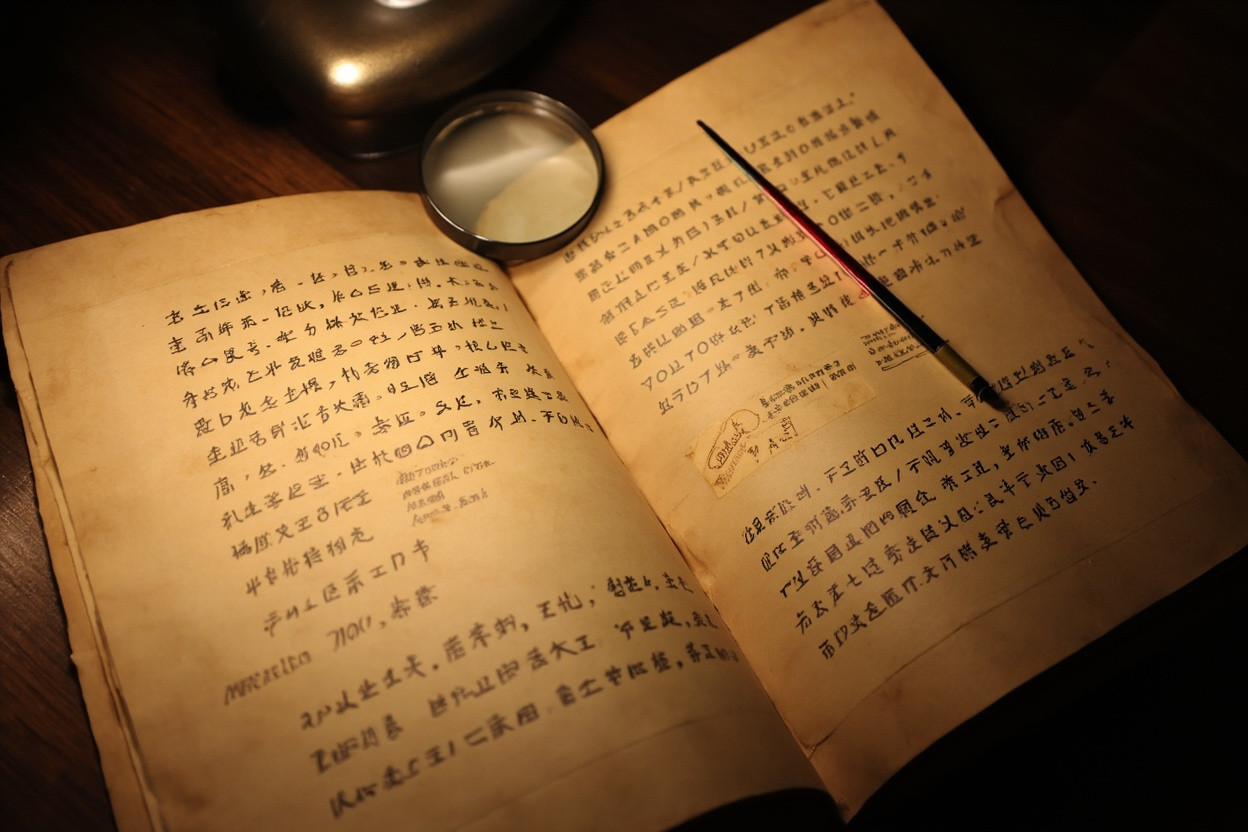
The Bencao Gangmu, Li Shizhen’s monumental pharmacopoeia from 1596, documents aromatic substances used in dampness dispelling with clinical precision. 「藿香,芳香之气,助脾开胃。」— Huo Xiang (patchouli) has an aromatic qi that helps the spleen open the stomach.
The spleen, in TCM theory, governs transformation and transportation of moisture in the body. When spleen qi is weak, dampness accumulates. Huo Xiang directly supports spleen function while its aromatic properties cut through damp accumulation.
But the classic dampness formula most frequently cited in ancient texts combines three key herbs:
Cang Zhu (苍术, Atractylodes Rhizome) — 「辟秽驱邪」,expels foulness and harmful influences. Its aroma is earthy, slightly bitter, distinctly warming. It is the primary drying agent.
Bai Zhi (白芷, Angelica Root) — 「芳香辟浊」, aromatic and clarifying, specifically effective at drying dampness in the upper body. Its scent is sweet, clean, slightly floral.
Huo Xiang (藿香, Patchouli) — supports the spleen, transforms dampness, stops vomiting. Its aroma is deep, herbaceous, slightly sweet.
The Formula: Breaking Down Materials and Proportions
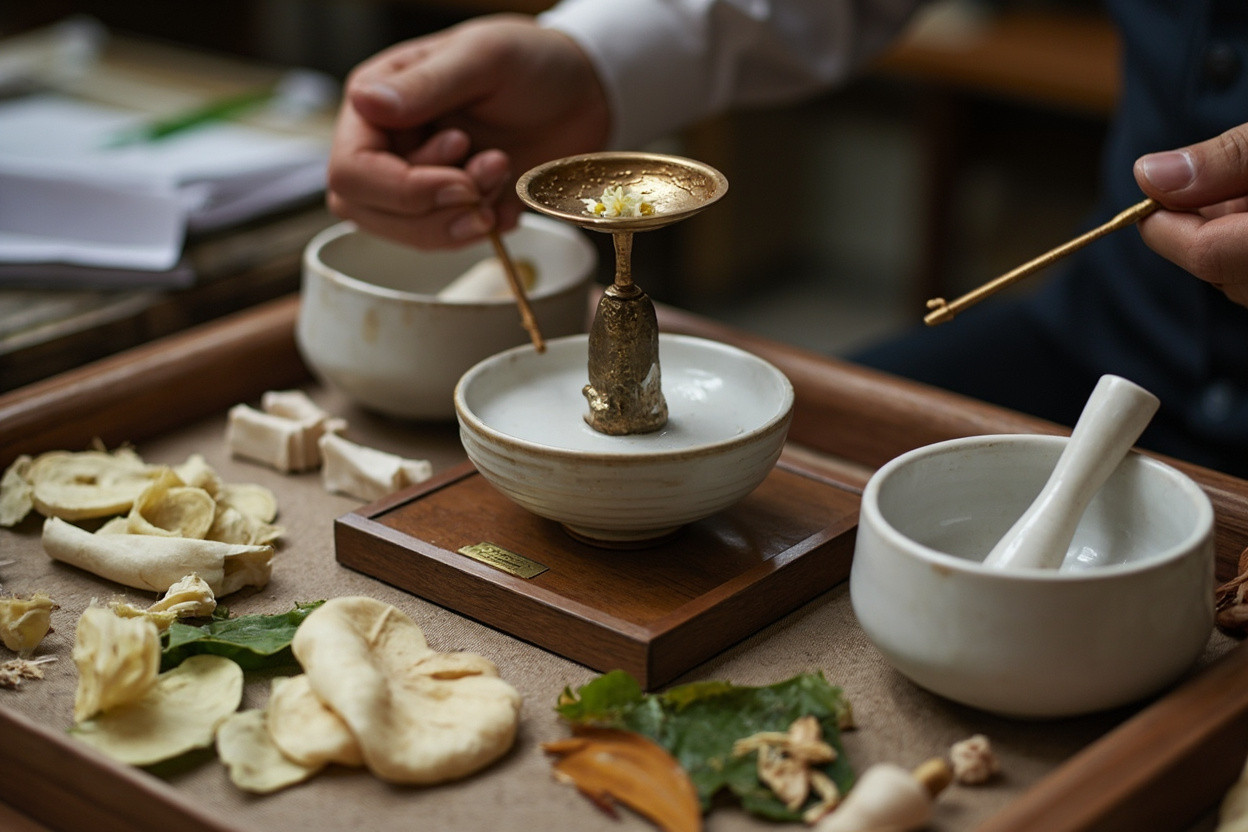
A classic dampness dispelling formula follows a clear structural logic:
Primary drying agent: Cang Zhu
This is the backbone. Use 40% of your blend. The earthy, warming properties directly address accumulated dampness in the lower body and joints.
Clarifying partner: Bai Zhi
Use 30%. While Cang Zhu works downward, Bai Zhi opens and clears the upper body — head fog, sinus congestion, that heavy-head feeling. Together they cover the full vertical axis of dampness.
Supporting transformer: Huo Xiang
Use 30%. This herb does something the other two do not: it specifically supports spleen function. And it adds a pleasant, readable aroma that makes the blend actually enjoyable to burn.
Optional addition: Xie Bai (Ginger root, for extreme dampness)
In severe cases, adding 10-15% dried ginger root amplifies the warming effect. This is appropriate only in cold, damp conditions — not for hot, inflamed dampness.
Ancient practitioners measured by weight, not volume. A scale gives you accuracy. Without one, a rough approximation: two parts Cang Zhu, one and a half parts each of Bai Zhi and Huo Xiang.
Modern Preparation: How to Make This at Home Today
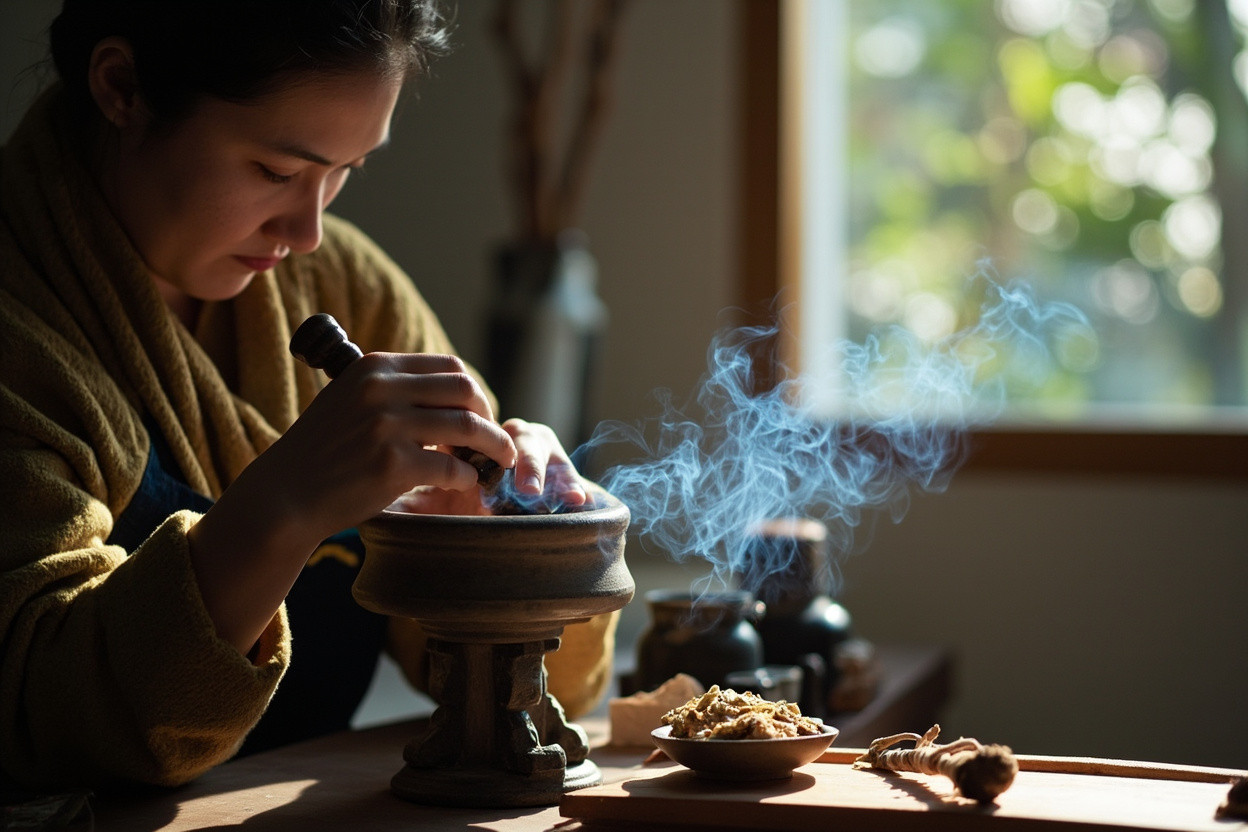
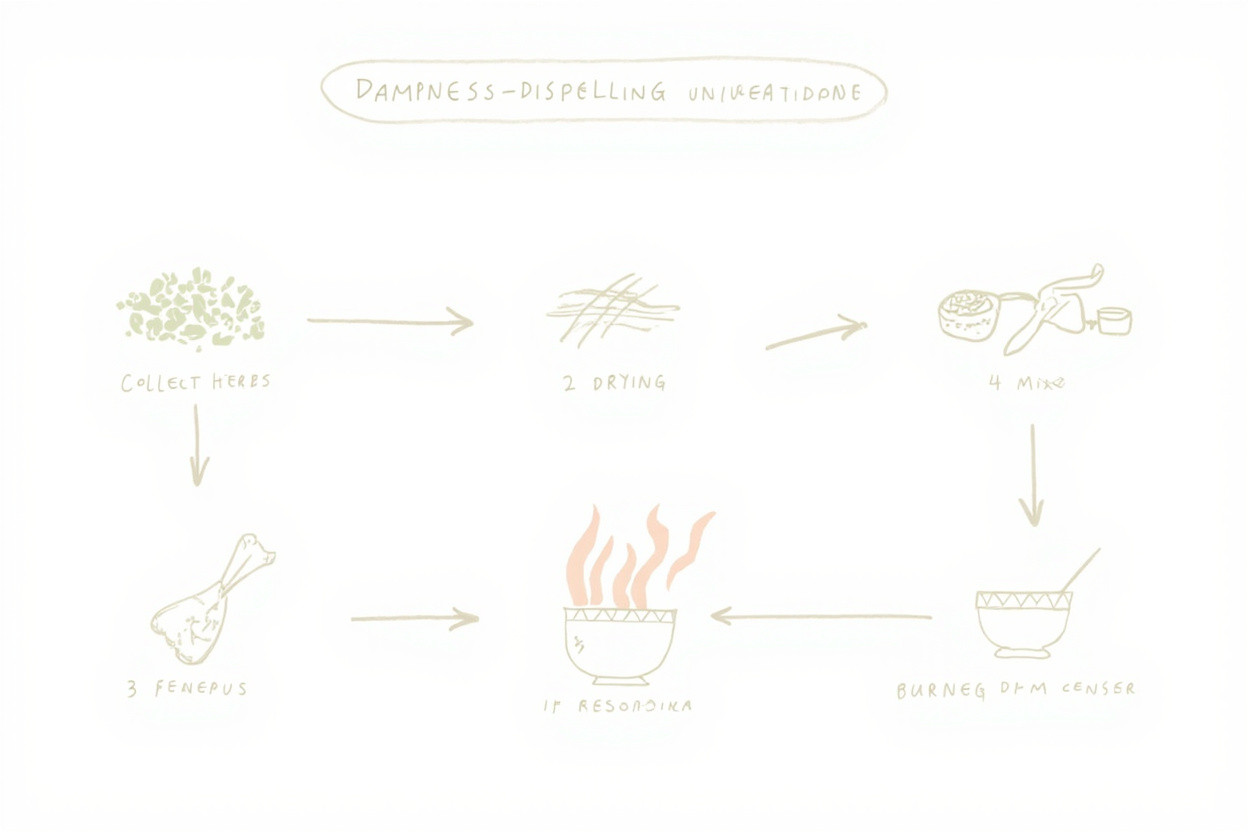
You do not need a Ming dynasty pharmacy to make this. Here is what actually works in a modern apartment:
Step 1: Source your herbs
Online TCM suppliers sell these herbs dried and sliced. You need roughly 30-50 grams total for a basic batch. Cang Zhu is the easiest to find. Bai Zhi and Huo Xiang require a specialty TCM shop or online order.
Step 2: Dry and grind
If your herbs arrive slightly moist (they sometimes do), spread them on a plate in direct sunlight for 2-3 hours. Then grind using a coffee grinder or mortar and pestle. The finer the powder, the better it burns and releases aroma.
Step 3: Blend by weight
Use a small scale. Weigh out 40g Cang Zhu, 30g Bai Zhi, 30g Huo Xiang. Mix thoroughly until the blend is uniform.
Step 4: Store properly
Transfer to a glass jar with a tight lid. Keep in a cool, dark place. The blend remains potent for 3-6 months. The aroma will mellow and blend over time — this is called “maturation” in traditional practice, and it actually improves the product.
Step 5: Burn correctly
Use an indirect burner — a heating element underneath a ceramic or metal tray. Direct flame chars the herbs and ruins the therapeutic properties. Keep heat low. You want gentle, fragrant smoke, not billowing white clouds. Burning time: 20-30 minutes per session.
Best times to burn: early morning on an empty stomach, or last thing before bed. Morning burning helps activate your qi and dry overnight damp accumulation. Evening burning calms the nervous system and prepares the body for rest.
Frequently Asked Questions
Who should NOT burn dampness dispelling incense?
If you have a fever, inflammation, or yin deficiency (constant thirst, night sweats, hot palms and soles), this formula is too warming for you. The core principle: warming and drying treats cold dampness. If your dampness has heat signs — redness, swelling, fever — the formula needs modification under a TCM practitioner’s guidance.
How long before I notice results?
Most people notice a subjective improvement in heaviness and mental clarity within 3-5 days of regular burning. Physical signs like reduced joint stiffness or less sinus congestion may take 2-3 weeks. The effects are cumulative — consistent daily practice is more effective than occasional use.
Can I add other herbs to this formula?
Yes, but start with the base formula. Common additions include: Rou Gui (cinnamon bark) for extremely cold, damp conditions; Xin Yi Hua (magnolia flower) for sinus dampness; Pei Lan (Eupatorium) for summer heat dampness. Each modification addresses a specific presentation. Do not mix more than two additional herbs without professional guidance.
Related Articles
- Incense Wellness: 1000 Years of Eastern Health Wisdom
- Seasonal Incense: Scenting Each Season of Your Life
- Home Fragrance Guide: Scenting Your Living Space
Try It Tonight
That heavy, foggy feeling you woke up with? You do not have to live with it. Get the herbs, blend them right, burn them properly. Three weeks of consistent evening sessions — that is all it takes to feel the difference. Your body knows how to move when it is not weighed down. This formula simply removes what is blocking it.