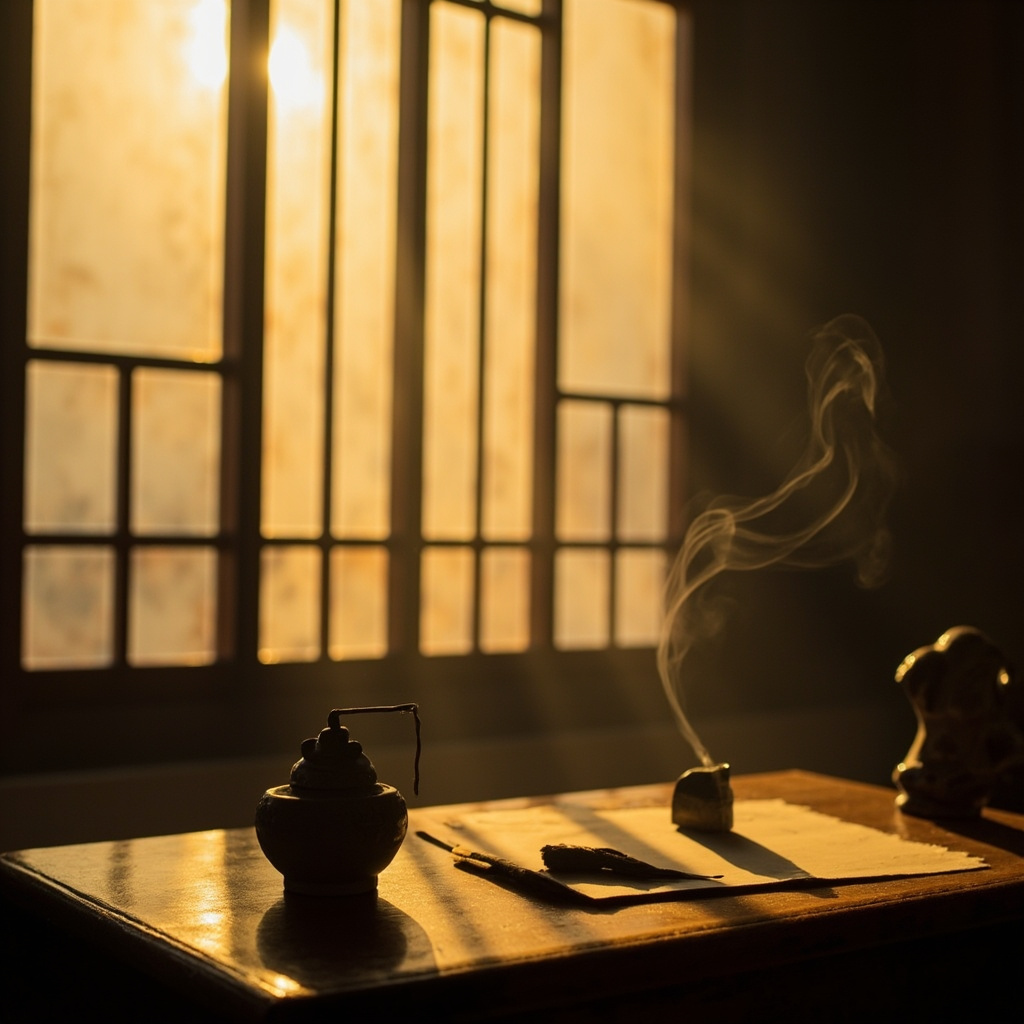

The room is still dark when you wake. You light a single thin stick of incense and set it in the small bronze burner on your desk. Within minutes, the fragrance begins to thread through the air — light, resinous, alive. By the time sunlight finally presses through the paper screen, your mind is already somewhere quieter.
This is not a luxury. In China, this kind of morning has been practiced for over a thousand years.
The Ancient Tradition of Daily Incense
The Song dynasty scholar Hong Chu wrote in his Xiang Pu (香谱):
「香之为用,大矣哉。通天集灵,祀先供圣,礼佛籍以导诚,祈仙因之升举,至返魂祛疫,辟邪飞气,功可回天。」
This classical text makes clear: incense in Chinese culture was never only about perfume. It was a daily practice — a way of marking time, transitioning between states of mind, and aligning yourself with the rhythm of the day.
「清晨之香,先于言语,先于思虑。香一缕,室内之气已清,心随之而定。」—— 宋·《陈氏香谱》序
Morning Incense: Waking the Spirit
There is something irreplaceable about incense smoke in the early hours. The mind has not yet accumulated the day’s noise. A light fragrance at 6 or 7 AM creates a ritual of arrival — you are not yet 开机 (switched on), and the smoke does not push you. It invites you.
Recommended Scents for Morning
沉香 (Agarwood / Chenxiang) — The Top Choice
- 沉香 is warm, woody, and deeply calming without being sedative
- A tiny piece of raw agarwood on an electric burner works beautifully in the morning — the fragrance builds gradually
- The scent profile evolves over 20–40 minutes, making it ideal for a slow morning routine
檀香 (Sandalwood / Tanxiang) — Gentle and Approachable
- Creamy, sweet, and immediately comforting — perfect when you want something soft
- Pair it with a short meditation or while reading the news with your morning tea
Morning Study Practice
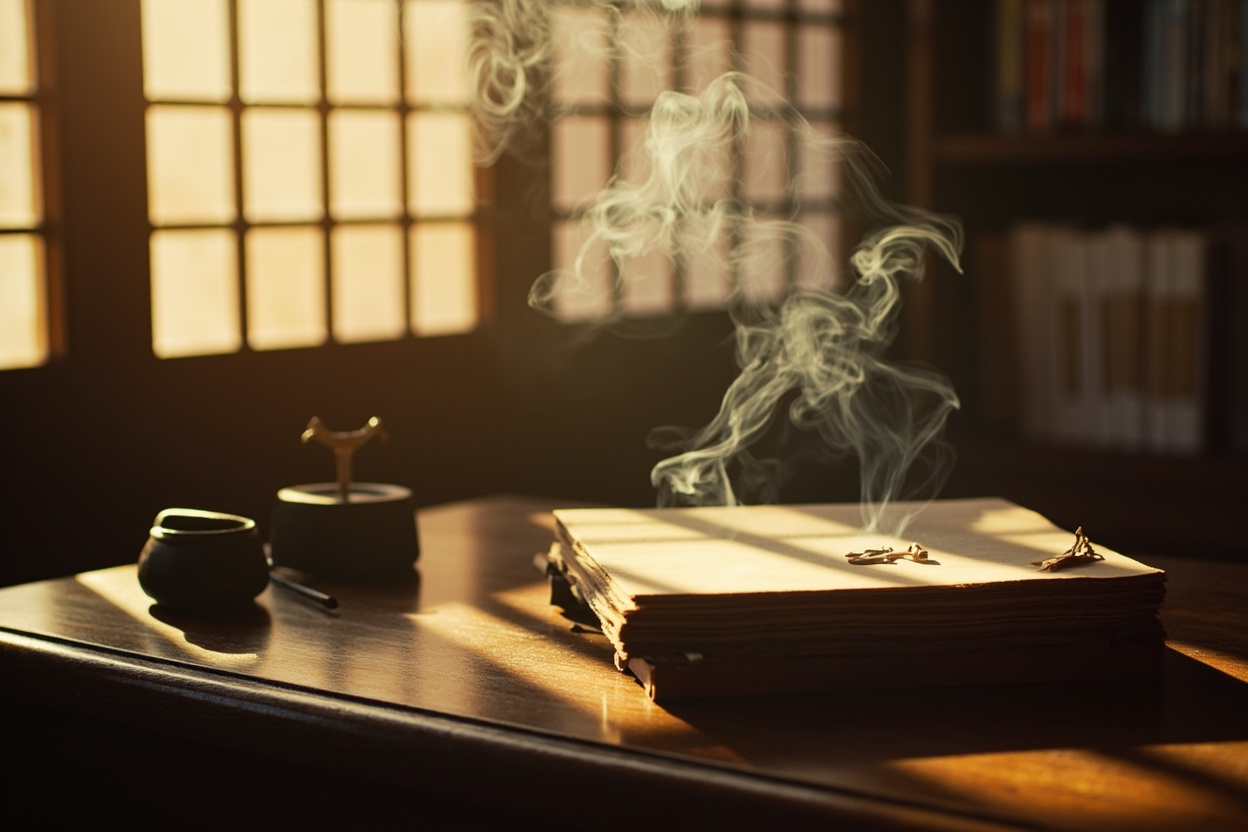
The traditional Chinese scholar would burn incense while studying or practicing calligraphy. The fragrance supports concentration without stimulation — a companion to deep work rather than a tool for forcing alertness.
Midday: Refocus and Reset
After the morning’s work is done, midday is when energy naturally dips. Instead of reaching for a third coffee, traditional Chinese practice would light a short incense stick while stepping away from the desk for 10–15 minutes.
香型推荐 for Midday Focus
- 芽庄沉香 (Ngangiep Chenxiang): bright, slightly sweet, excellent for clearing mental fog
- 檀香 + 薰衣草 (Sandalwood + Lavender blend): grounding but uplifting
Evening Incense: Slowing Down
Evening is when Chinese incense culture gets most poetic. As the light fades, a single incense stick marks the transition from active life to reflective rest.
Bedtime Practice
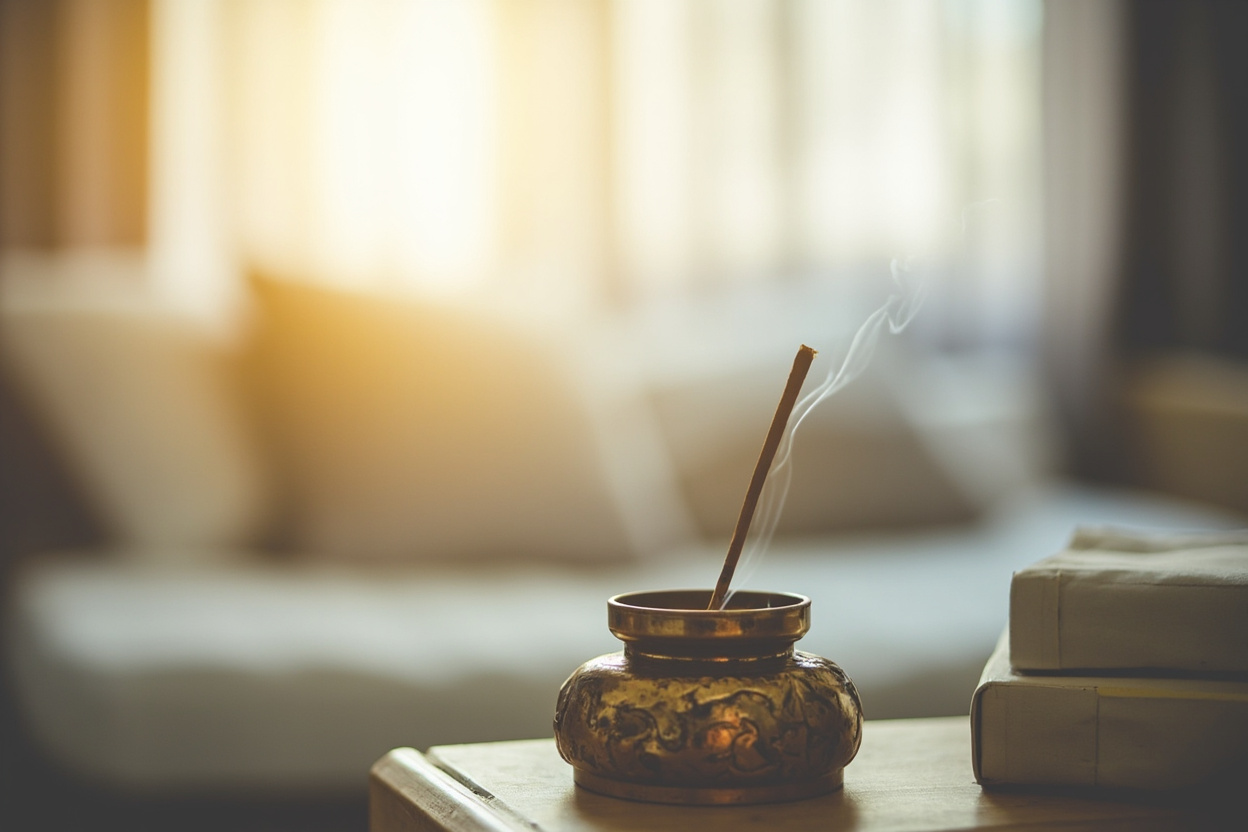
For evening and bedroom use, light the incense 20-30 minutes before sleep, then extinguish. The fragrance lingers in the room without requiring active ventilation. Soft, sweet scents: 檀香 (sandalwood), 合香 (blended incense) with floral notes.
Frequently Asked Questions
How long should each incense session be?
Traditional Chinese 香道 (Xiangdao) practice treats each burn as a contained meditation. Start with a single stick — 20 to 40 minutes for standard thickness. When the smoke stops, the session is complete.
What is the best incense for beginners?
For beginners, start with a quality 檀香 (sandalwood) — it is approachable, consistent, and immediately pleasant. Once you develop your palate, move to 沉香 (agarwood) for more complexity.
Can I practice daily incense without a dedicated space?
Yes. All you need is a small corner — even a desk — where your burner lives. The consistency of place creates the ritual.
How do I practice without interrupting my day?
Light the incense, then step away from screens for the burn duration. Use the time to stretch, sit quietly, or simply watch the smoke. Pair it with an existing habit: morning tea, reading, journaling.
Is morning or evening better for incense practice?
Both have traditional support. Morning incense (especially 沉香) wakes the mind gently. Evening incense (especially 合香 blends) signals transition from activity to rest. Many practitioners do both.