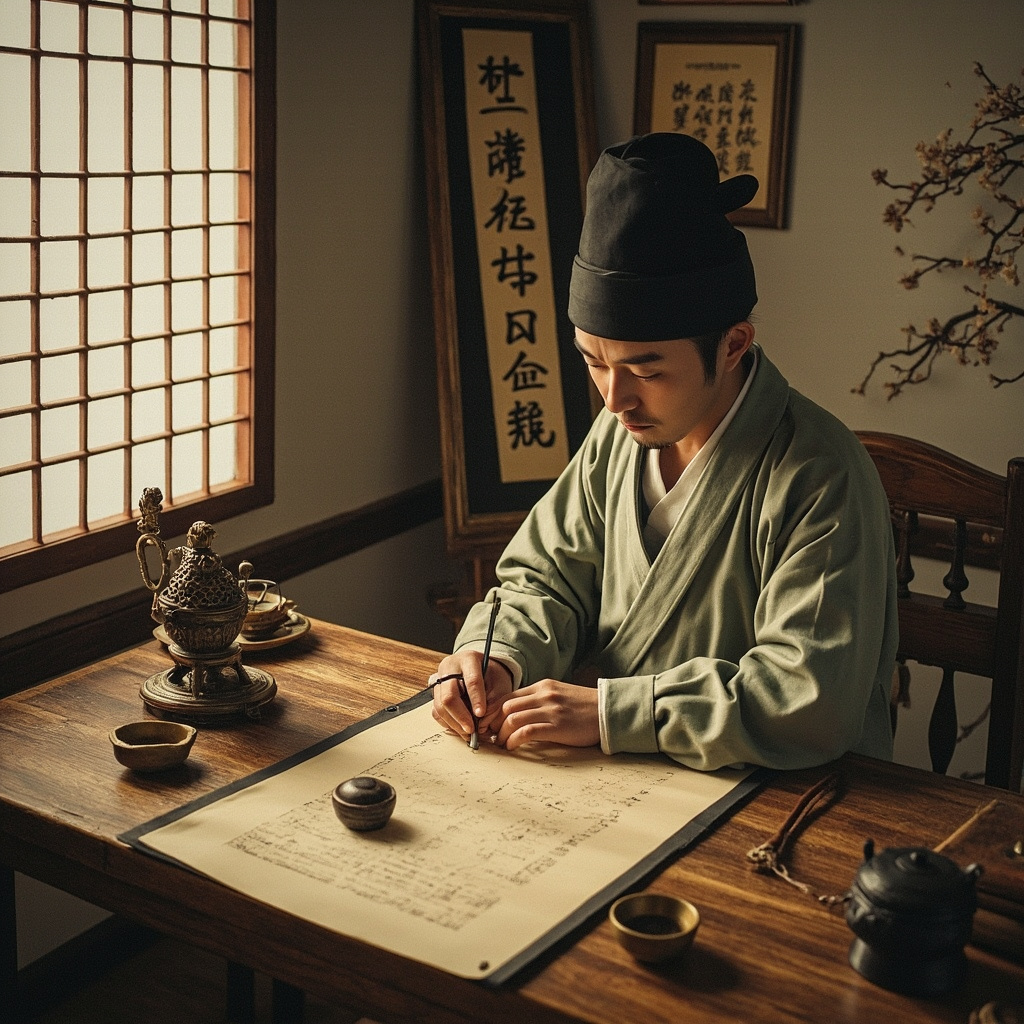
The Complete History of Chinese Incense Culture: 6000 Years of Fragrant Heritage
China’s incense culture spans over six millennia, evolving from primitive religious rituals to one of the world’s most sophisticated aromatic traditions. Understanding this history reveals why China is the true birthplace of the art of fragrance.
According to Baidu Encyclopedia: “Xiangdao originated in ancient China, with recorded use dating back to the Shang and Zhou dynasties. By the Han Dynasty, incense had become integral to imperial ceremonies, scholar culture, and daily life.”
Origins: Neolithic Period (7000-2000 BCE)
The earliest evidence of incense use in China dates back to the Neolithic Liangzhu Culture, approximately 4000-3000 BCE. Archaeological discoveries show that ancient Chinese burned plant materials during rituals to communicate with spirits and ancestors.
During this primordial period, people discovered that certain plants produced pleasant aromas when burned. These fragrant smokes were believed to carry prayers to heaven and create a bridge between the mortal and spirit worlds.
Pre-Qin Period (Before 221 BCE): Foundation of Ritual Use
The earliest written records of incense appear in the Book of Songs (Shijing) and Book of Documents (Shangshu), dating to the Western Zhou Dynasty (1046-771 BCE).
According to Baidu research: “The characteristics of incense burning in Chinese folk life are: universality – almost everyone burns incense from south to north, east to west; historical depth – records appear in Shijing and Shangshu, proving origins earlier than the Western Zhou; and cultural significance across all social classes.”
- Incense was primarily used for worship and ancestor veneration
- Natural plant materials were burned directly on fires
- The practice was confined mainly to royalty and aristocracy
- Fragrant herbs were considered offerings to secure divine favor
The famous poet Qu Yuan (340-278 BCE) referenced incense materials extensively in his poetry, documenting the herbal incense traditions of the period.
Han Dynasty (206 BCE – 220 CE): The Silk Road Opens
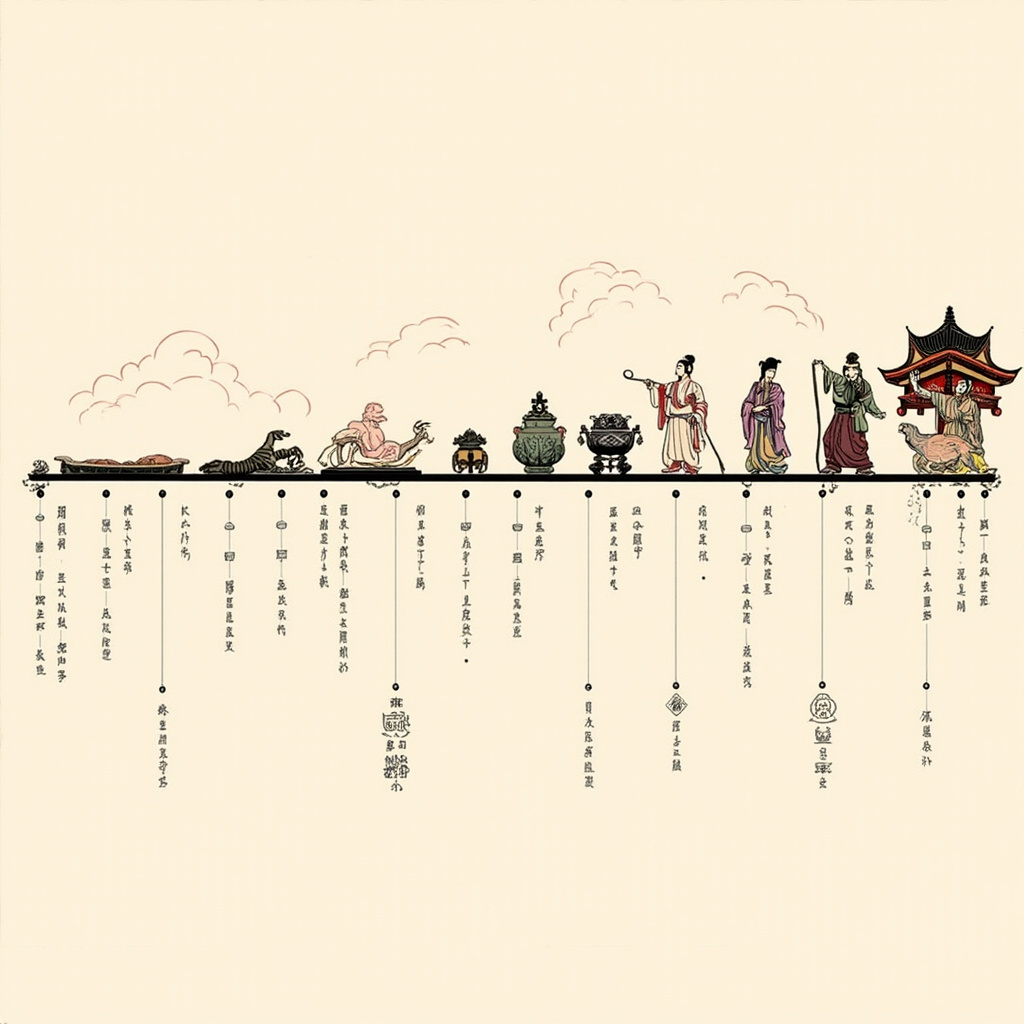
The Han Dynasty marked a transformative period for Chinese incense culture. Emperor Wu expanded trade along the Silk Road, introducing new aromatic materials from Central Asia and beyond.
The Boshanlu (Mountain-shaped Incense Burner)
The iconic mountain-shaped incense burner emerged during this period. According to Baidu: “The Han Dynasty Boshanlu featured a sacred mountain design, representing Mount Kunlun or Penglai, the legendary abodes of immortals. Smoke would curl through the apertures creating an ethereal mist effect.”
Medical Applications
The physician Hua Tuo created medicinal incense sachets for preventing illness. The Notable Physicians Biography documented these early therapeutic uses of aromatic materials.
We Wei-Jin and Six Dynasties (220-589 CE): Spiritual Integration
Buddhism and Taoism flourished during this period of political fragmentation, and both adopted incense as essential to their spiritual practices.
According to Baidu research: “During the Wei-Jin period, incense use evolved from purely ritualistic to include cultivation practices. Buddhist and Taoist practitioners used incense for meditation, purification, and as an aid to achieving altered states of consciousness.”
Tang Dynasty (618-907 CE): Cosmopolitan Expansion
The Tang Dynasty represents the first golden age of Chinese incense culture. The Silk Road reached its peak, bringing unprecedented variety to Chinese aromatic materials.
Key developments during the Tang Dynasty:
- Emperor Xuanzong was famously passionate about incense, maintaining dedicated incense chambers in his palace
- The Bencao Gangmu documented numerous aromatic medicinal materials
- Incense became essential to court ceremonies and imperial rituals
- The first specialized incense-making techniques emerged
Song Dynasty (960-1279): The Golden Age of Xiangdao
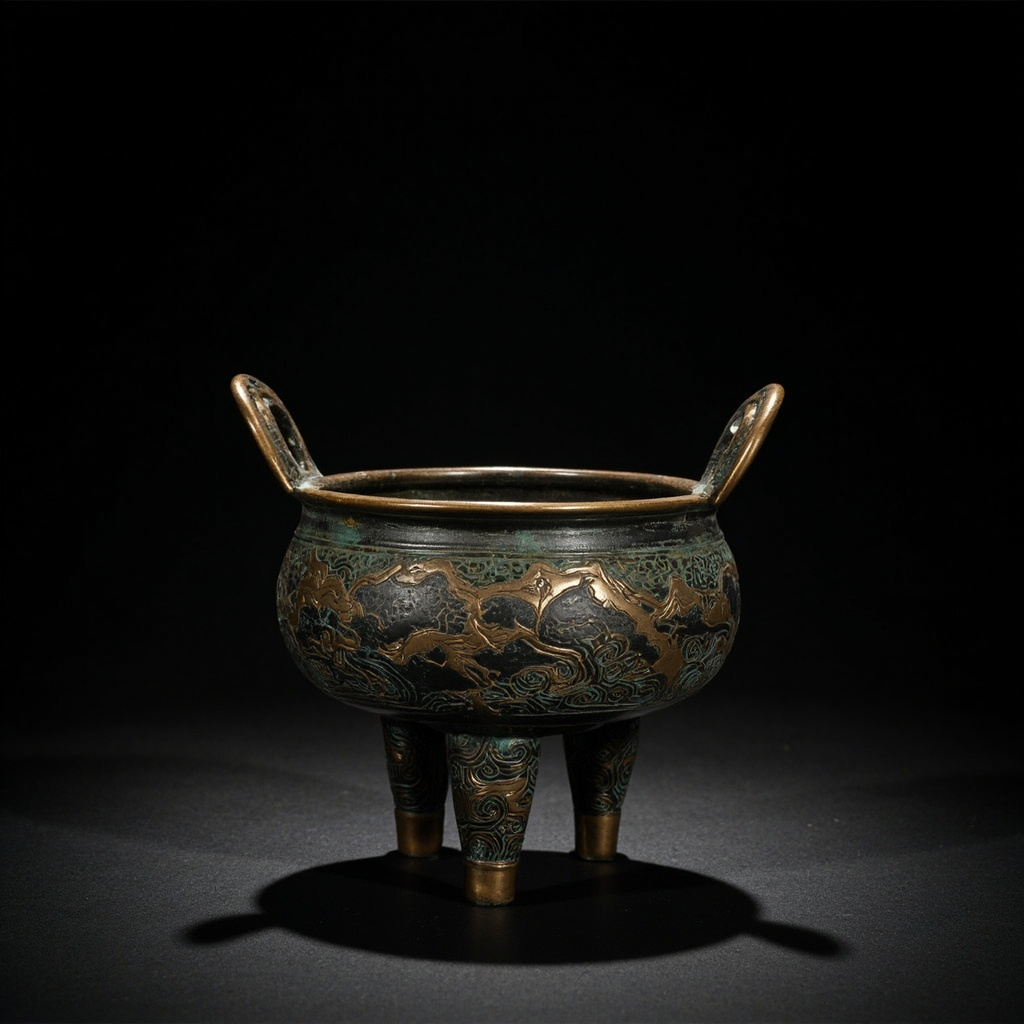
The Song Dynasty represents the pinnacle of Chinese incense culture. According to Baidu: “Song Dynasty was the golden age of Chinese incense culture. Scholars universally practiced incense appreciation as part of daily refinement.”
Four Elegant Arts (Siban Xianshi)
Incense appreciation (Fenxiang) joined tea tasting, flower arrangement, and calligraphy as the Four Elegant Arts of cultivated life. Baidu notes: “Among these four arts, burning incense held first position, reflecting its supreme status in scholar culture.”
Huang Tingjian and the Ten Virtues of Incense
According to Baidu research: “Huang Tingjian wrote the classic Ten Virtues of Incense (Xiang Shi De):”
Commune with spirits and gods
Purify heart and mind
Eliminate impurities
Overcome drowsiness
Become a friend in stillness
Find leisure within worldly dust
Never tire of abundance
Feel content with little
Last forever when stored
Use freely without hindrance
Maritime Trade
According to Baidu: “During the Song Dynasty, abundant and high-quality incense materials arrived through maritime trade from Southeast Asia, Arabia, and East Africa.”
Yuan, Ming, and Qing Dynasties: Theoretical Consolidation
Ming Dynasty Classics
According to Baidu: “The Ming Dynasty saw the compilation of the most important incense text: Xiang Cheng (The Classic of Fragrance) by Zhou Jiayou. This monumental work synthesized centuries of incense knowledge.”
The Xuande Furnace
According to Baidu: “During the Ming Dynasty, Xuande incense burners reached perfection in craft and design. The Xuande furnace became synonymous with traditional copper incense burners.”
Qing Dynasty
During the Qing Dynasty, incense culture spread from elite circles to common households.
20th Century Decline and Contemporary Revival
The turbulence of 20th-century China nearly extinguished traditional incense culture. According to Baidu: “After the Opium Wars and subsequent social upheavals, the traditional incense culture faced extinction.”
The Revival
Since the 1990s, Chinese incense culture has experienced a remarkable renaissance:
- UNESCO recognized several incense-related traditions as Intangible Cultural Heritage
- Young urban Chinese increasingly embrace traditional culture practices
- Incense-making workshops and cultural spaces have proliferated in major cities
- International interest in traditional Chinese wellness practices continues to grow
Timeline: Key Milestones
| Period | Key Developments |
|---|---|
| Neolithic (7000-2000 BCE) | First ritual incense burning |
| Pre-Qin (Before 221 BCE) | Records in Shijing and Shangshu |
| Han (206 BCE – 220 CE) | Silk Road opens; Boshanlu emerges |
| Wei-Jin (220-589) | Buddhist and Taoist incorporation |
| Tang (618-907) | Cosmopolitan materials; court enthusiasm |
| Song (960-1279) | Golden Age; Four Elegant Arts |
| Ming (1368-1644) | Xiang Cheng compiled; Xuande furnaces |
| Qing (1644-1912) | Popularization to households |
| 20th Century | Decline during turbulent decades |
| 21st Century | Contemporary revival |
Frequently Asked Questions
When did incense first appear in China?
Archaeological evidence dates Chinese incense use to the Neolithic period, approximately 4000-3000 BCE. Written records appear in the Book of Songs and Book of Documents from the Western Zhou Dynasty (1046-771 BCE).
What was the original purpose of incense in China?
Initially, incense served religious and spiritual purposes – offering prayers to deities and ancestors. The earliest practitioners believed fragrant smoke could communicate with the spirit world.
What is the most important text in Chinese incense history?
The Xiang Cheng (香乘), compiled by Zhou Jiayou during the Ming Dynasty, is considered the most comprehensive work, synthesizing centuries of incense knowledge.
Why is Song Dynasty considered the golden age?
The Song Dynasty saw incense appreciation become integrated into daily life as one of the Four Elegant Arts. The period produced foundational texts, famous practitioners, and unprecedented sophistication in blending techniques.
Related Articles
- What is Chinese Xiangdao? Complete Beginner’s Guide
- The Philosophy of Xiangdao
- Chinese vs Japanese Incense Culture
Discover More About Chinese Incense Culture
Chinese incense culture offers a window into 6000 years of civilization, philosophy, and artistic refinement. Whether you are drawn to the historical narratives, the philosophical underpinnings, or the sensory pleasures, there is always more to discover in the world of xiangdao.