The Stuff That Ruins Your Incense (And Your Experience)

Look, I get it. You wanna make good incense. You’re excited. You’re experimenting. That’s great.
But I’ve seen people make the same dumb mistakes over and over. Stuff that either makes the incense not work, or worse, makes it actively unpleasant. Sometimes dangerous.
So let me save you some time and money by going over the real taboos. The stuff you just don’t do in incense making.
Taboo 1: Synthetic Fragrance Oils
Look, I get it. Real aromatic materials are expensive. Synthetic fragrance oils are cheap. They smell like… something. Not great, but something.
But here’s the thing. When you burn synthetic stuff, you’re not making incense. You’re making smoke with fragrance added. The smoke itself can be harsh, even harmful. And the smell? Flat. One-dimensional. Nothing like the real thing.
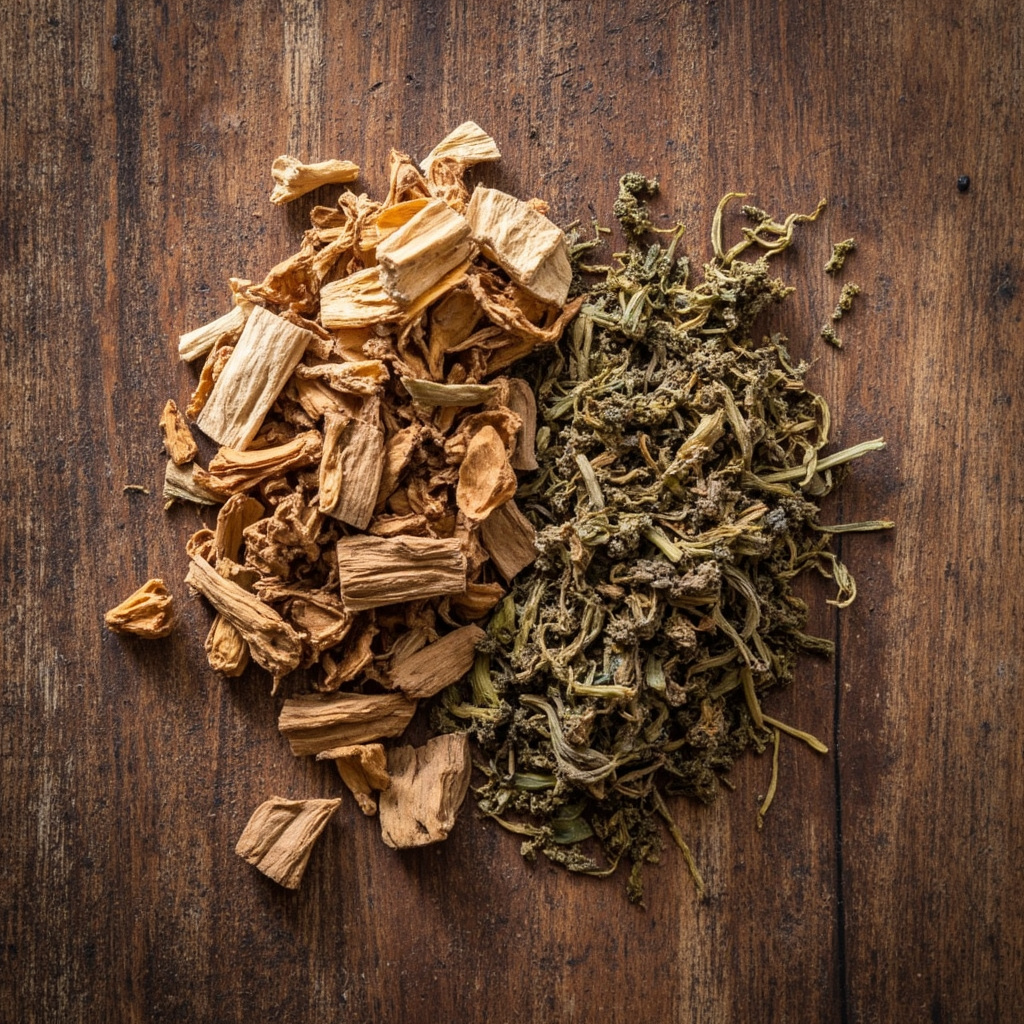
Real incense comes from real plant materials. Resins, woods, herbs, flowers. The kind of stuff that’s been used for thousands of years. If you’re serious about incense, use the real stuff. If you can’t afford it, make less. Make higher quality. Don’t substitute with synthetics.
Taboo 2: Burning in Unventilated Spaces
Okay, this one’s about safety, not quality. But it matters.
Some people think more smoke = more fragrance. So they burn incense in small, enclosed spaces. Closets. Bathrooms with the door closed. Small bedrooms with the windows shut.
This is wrong for two reasons. First, too much smoke is actually bad for you.任何人. Second, without airflow, the smoke can’t carry the fragrance properly. You’re basically choking yourself while getting less benefit.
Always burn in spaces with some ventilation. Windows cracked. Door open. Air moving. That’s how you actually enjoy the fragrance.
Taboo 3: Using the Wrong Base Ratios
Here’s a technical one. Your base materials (the stuff that actually burns) need to be in the right proportion to the aromatic materials.
If you don’t have enough base, your incense won’t burn cleanly. It’ll smolder, maybe go out, produce weird smoke. If you have too much base relative to aromatics, you won’t smell much of anything interesting.
This is why traditional formulas work. They’ve been tested. The ratios are right. When you’re experimenting, keep notes on what worked and what didn’t. If something doesn’t burn right, it’s usually a base ratio problem.
Taboo 4: Mixing Incompatible Families
Not all scent families play well together. Some combinations just clash. You’re not creating complexity — you’re creating confusion.
For example, really sharp, medicinal scents combined with sweet, heavy florals? The result usually smells like something medicinal turned sickly. Neither fish nor fowl.
Before you throw random ingredients together, think about whether they make sense together. Start with ingredients from related families. Build up to cross-family experimentation only after you understand how things interact.
Taboo 5: Skipping the Aging Process
Freshly made incense is not the same as aged incense. If you make a batch and burn it the next day, you’re missing out.
Aging allows the materials to meld. The sharp edges soften. The different notes integrate. What you get after a few weeks or months of aging is smoother, more complex, more pleasant than the fresh version.
I know it’s hard to wait. But if you make incense and immediately judge it, you’re judging it at its worst. Be patient. Age it. Then judge.
Taboo 6: Using Low-Quality or Contaminated Materials

This should be obvious but apparently it isn’t. If your raw materials are low quality, contaminated, or just wrong, your incense will be low quality, contaminated, or just wrong.
Common problems:
- Moldy or mildewed herbs
- Old, oxidized resins that have lost their smell
- adulterated materials cut with cheaper stuff
- Materials stored in plastic that absorbed off-gases
Inspect your materials before using. Smell them. Look at them. If something seems off, trust your gut. Don’t use it.
Taboo 7: Overcomplicating Everything
I mentioned this before but it bears repeating. Stop trying to use fifteen ingredients in your first blend. You’re not ready for that. Nobody is.
Start simple. Two or three ingredients. Learn how they behave individually. Learn how they behave together. Then add complexity gradually.
Some of the most revered traditional formulas use surprisingly few ingredients. The magic is in the quality and the balance, not the quantity.
Taboo 8: Ignoring Your Nose
Your nose is your guide. Not your theory, not what someone else told you, not what the book says. Your actual perception of what smells good and what doesn’t.
I’ve seen people follow formulas exactly, even when their nose was telling them something was off. They’d say “the book says to use this amount” even though they could tell it was too much.
Trust your nose. If something smells wrong, it probably is wrong. Adjust. Experiment. Find what works for you. The books and formulas are starting points, not gospel.
Taboo 9: Burning Too Hot or Too Fast
The burn rate matters. Too hot, and you’re basically destroying the aromatic compounds before you can even smell them properly. Too cool, and nothing happens.
Different methods have different appropriate heat levels. Charcoal burning is hotter than stick burning. Indirect heating with a metal screen is cooler than direct charcoal contact. Know your method and adjust accordingly.
If your incense burns super fast and the smell seems harsh or “hot,” you might be burning too hot. Try a different method or less material.
Taboo 10: Not Keeping Notes
I know, I know. Who wants to write stuff down? But honestly, this might be the biggest mistake people make.
You make something amazing. You think you’ll remember exactly what you did. A week later, you have no idea. You try to recreate it, fail, and never quite get back to that magic blend.
Write. Everything. Down. Ingredients, amounts, processing methods, weather, burn method, what you smelled and when. Everything.
The Bottom Line
Most of these taboos come down to basic stuff: use real materials, don’t overwhelm yourself with complexity, be patient, trust your senses, and keep good records.
The incense masters of old didn’t have our resources, but they had discipline. They followed the rules until they understood why the rules existed. Then they could break them intentionally.
Don’t try to skip ahead. Learn the fundamentals. Make mistakes — that’s how you learn. But try not to make the same obvious mistakes that everyone else makes. There’s no prize for reinventing the wheel badly.
Frequently Asked Questions
What happens if I use synthetic fragrances?
You’ll get smoke with scent added, not real incense. The smell tends to be flat, one-dimensional, and can be harsh when burned. Some synthetics produce potentially harmful compounds when burned. For real incense, stick to natural materials.
Can I skip aging and still get good results?
Some simple blends don’t need much aging. But most benefit significantly from at least a few weeks. If you’re making something and it smells harsh or disjointed when fresh, try aging it for a month and see if it improves.
How do I know if my materials are contaminated?
Look for mold (white, green, or black fuzzy spots), unusual odors (anything musty, chemical-like, or just “off”), visible pests or webbing, and signs of water damage. If anything seems questionable, don’t use it.
Is it okay to experiment with weird ingredient combinations?
Sure, but know that most “weird” combinations will probably fail. The reason traditional formulas look the way they do is because people have been experimenting with these materials for centuries. The combinations that worked got recorded. The ones that didn’t… didn’t. Start by learning why traditional formulas work before trying to reinvent them.
What’s the biggest mistake beginners make?
Trying to do too much too soon. Too many ingredients, too complicated formulas, not enough testing, not enough patience. Start simple. Build up. This applies to everything from recipe complexity to batch sizes.