The Little Flower That Changed Global Trade
Before coffeehouses, before sugar, before the spice trade reshaped the world — there were cloves. These tiny, dried flower buds from the Moluccas Islands (modern-day Indonesia) were once worth more than silver by weight. Emperors fought for them. Nations sailed across oceans for them. The quest for cloves helped create the modern world economy.
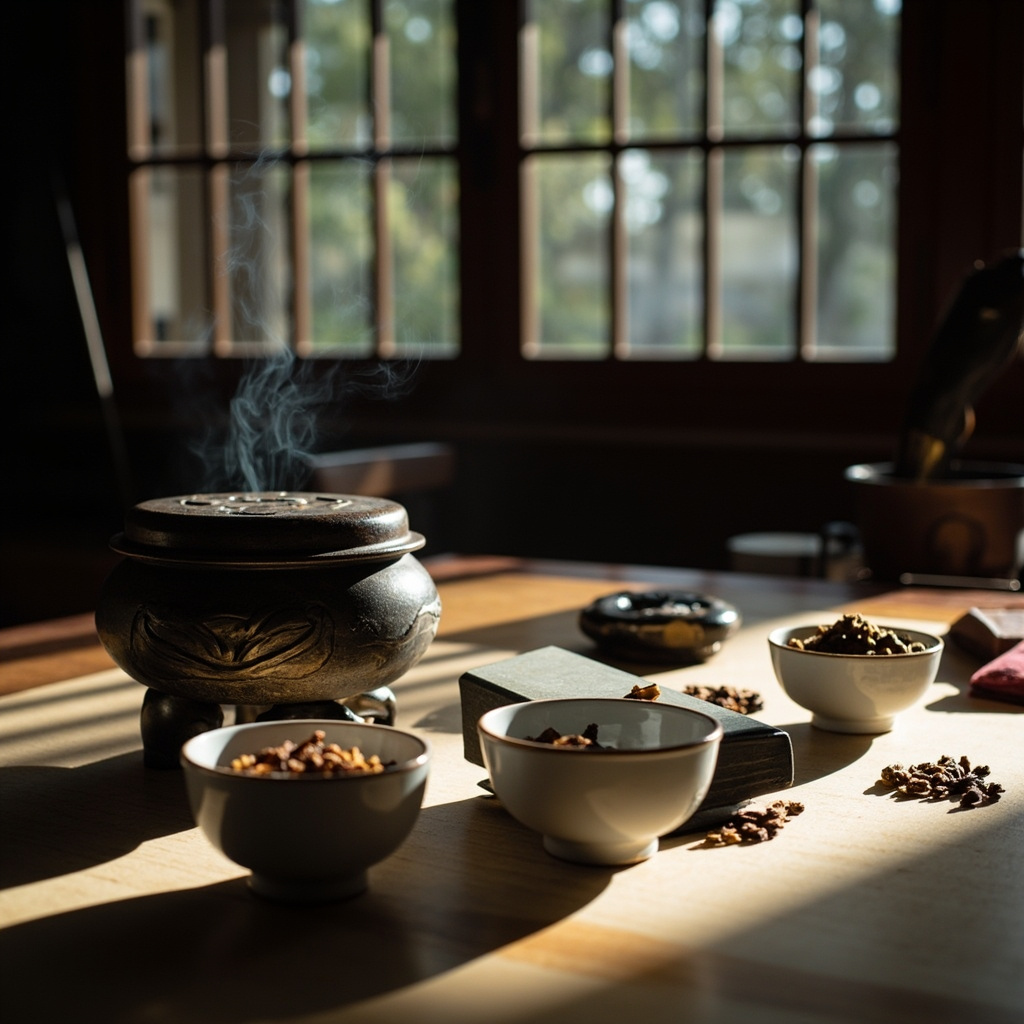
In Chinese incense culture, dingxiang (丁香) occupies a special position — not as a primary incense material, but as a crucial blending component. Its sharp, warming, intensely aromatic character transforms blends in ways no other ingredient can match.
Understanding dingxiang means understanding why Chinese incense masters chose this tiny flower for their most prized formulas.
What Exactly Is Dingxiang (Cloves)?
Dingxiang comes from the flower buds of Syzygium aromaticum, an evergreen tree native to the Moluccas — the famous “Spice Islands” of Indonesia. The name “clove” comes from the Latin clavus, meaning nail, describing the bud’s distinctive shape.
The spice has been traded for over 2,000 years. Ancient Chinese texts mention it as early as the Han Dynasty, where it appeared in both medicinal and aromatic contexts. By the Tang Dynasty, cloves were regular imports through the maritime silk road.
What makes cloves distinctive is their extraordinary concentration of eugenol — the compound that gives them both the intense aroma and the characteristic warming sensation. When you bite a clove, that numbness you feel is the eugenol working as a local anesthetic.
The Role of Cloves in Chinese Incense
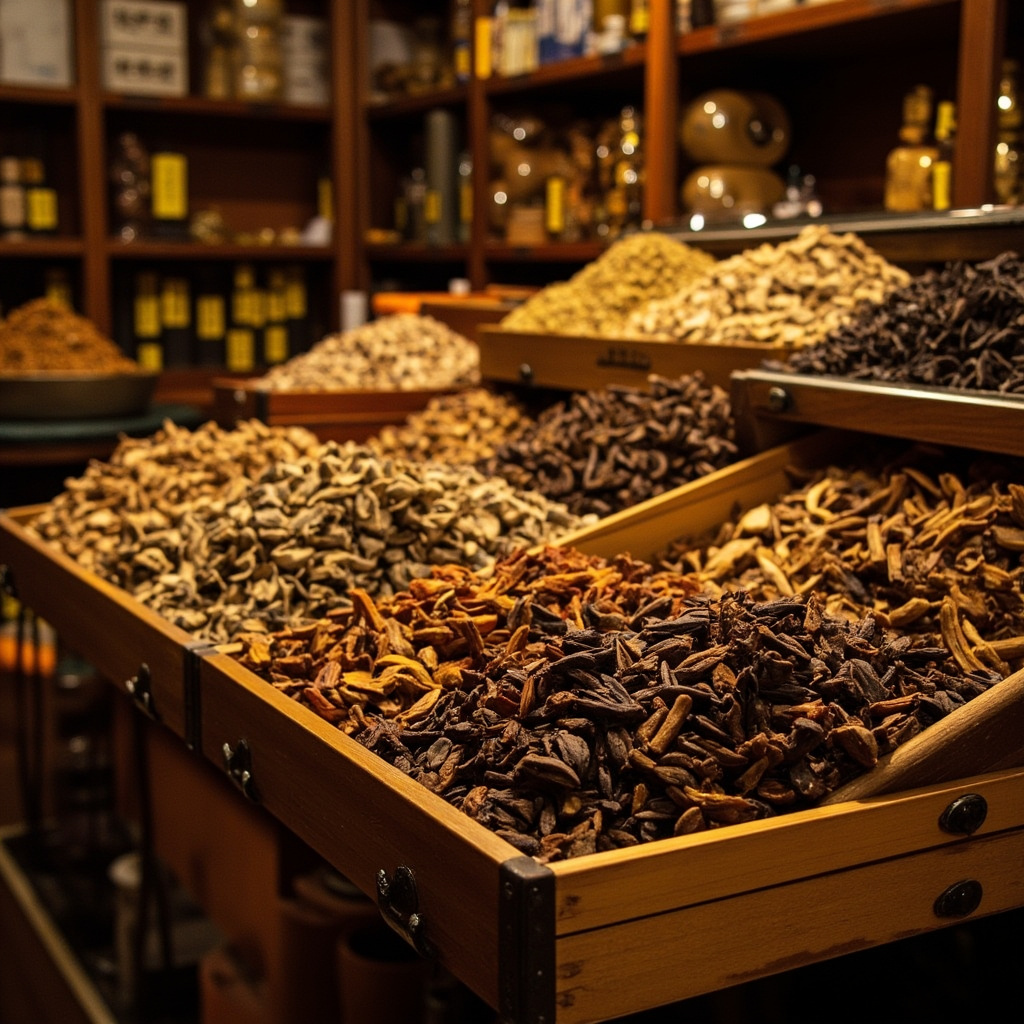
Unlike sandalwood or agarwood, which serve as the heart of incense blends, cloves function differently in Chinese xiangdao. Their role is more subtle — and more surgical.
As a fixative — Cloves help anchor lighter, more volatile fragrances. A blend that would otherwise dissipate quickly gains staying power when even small amounts of clove are added.
As a warming agent — Traditional Chinese medicine concepts of “warming the interior” apply to incense as well. Cloves bring a physical warmth to the experience that other materials cannot replicate.
As a fragrance brightener — The sharp, piercing quality of cloves cuts through heavier aromas. A blend that feels dull or flat gains clarity and definition with clove addition.
As a transition element — In complex hexiang formulas, cloves often serve as the “bridge” between different fragrance notes, helping them connect smoothly rather than layering awkwardly.
Historical Use of Cloves in Chinese Culture
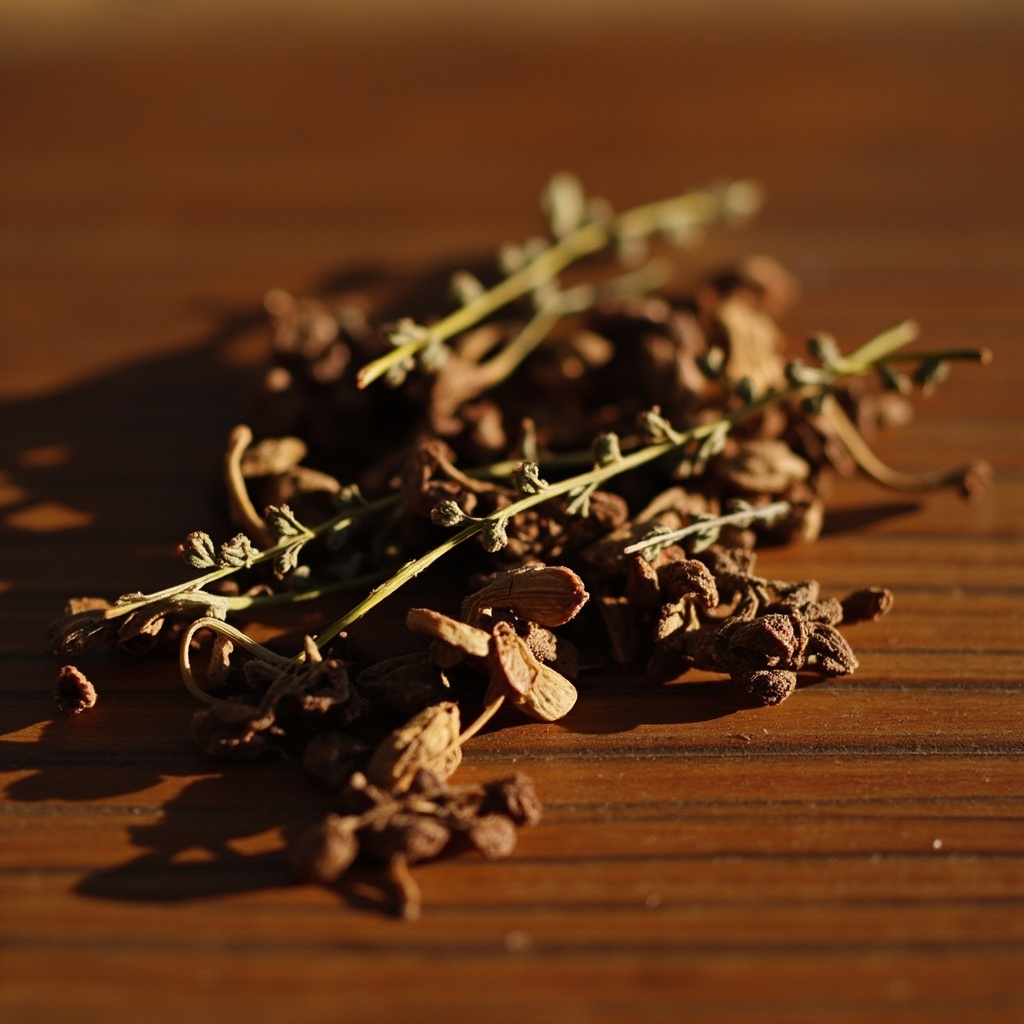
Chinese historical texts describe cloves appearing in imperial courts during the Tang Dynasty, brought by Arab traders who controlled the spice routes. The flower bud that European explorers circumnavigated the globe to obtain had been flowing into China for centuries already.
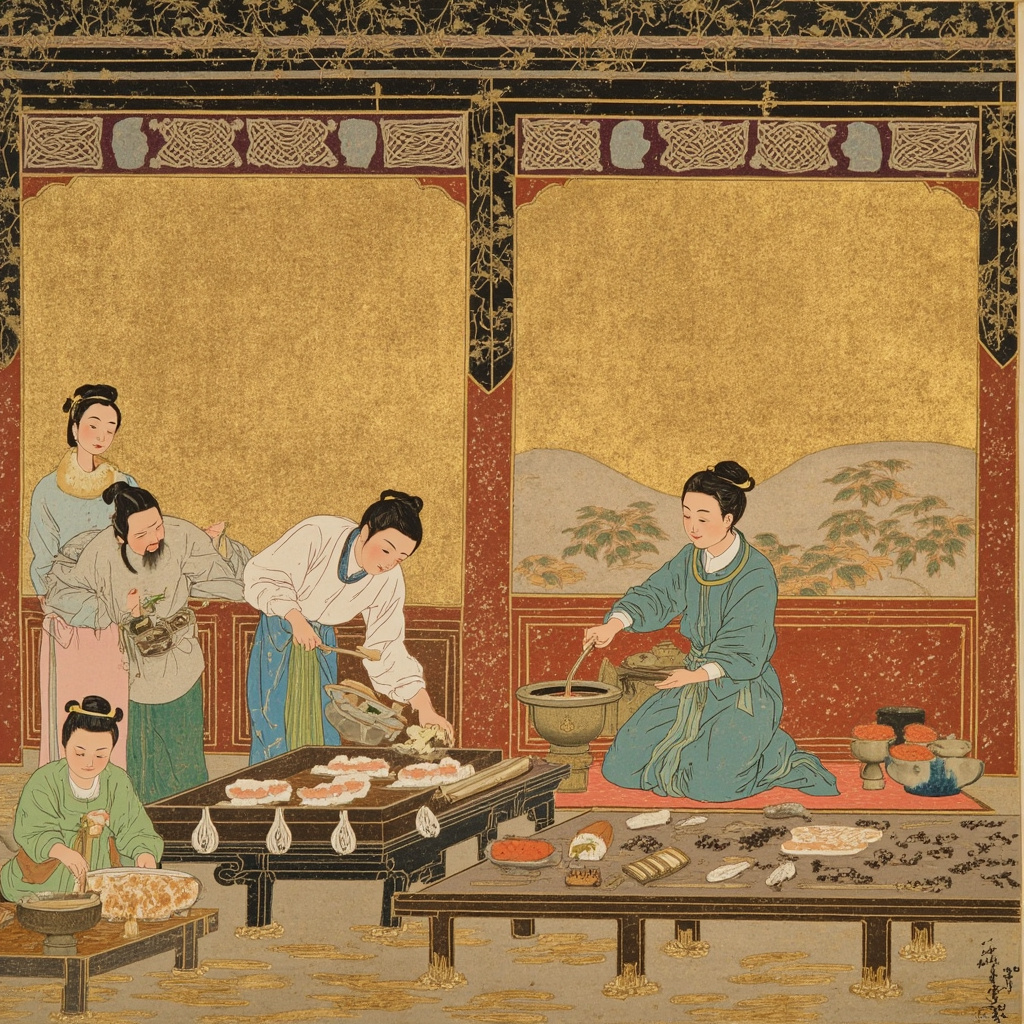
During the Song Dynasty, when xiangdao reached its peak sophistication, cloves became regular components in formulas for specific purposes. Medical texts from this period describe clove-heavy formulas for warming the stomach, invigorating digestion, and treating cold-related ailments.
What’s remarkable is how consistently cloves appear in formulas designed for cold conditions — suggesting Chinese incense masters intuitively understood what modern chemistry confirms: cloves create a warming, stimulating sensation.
Understanding Clove Quality
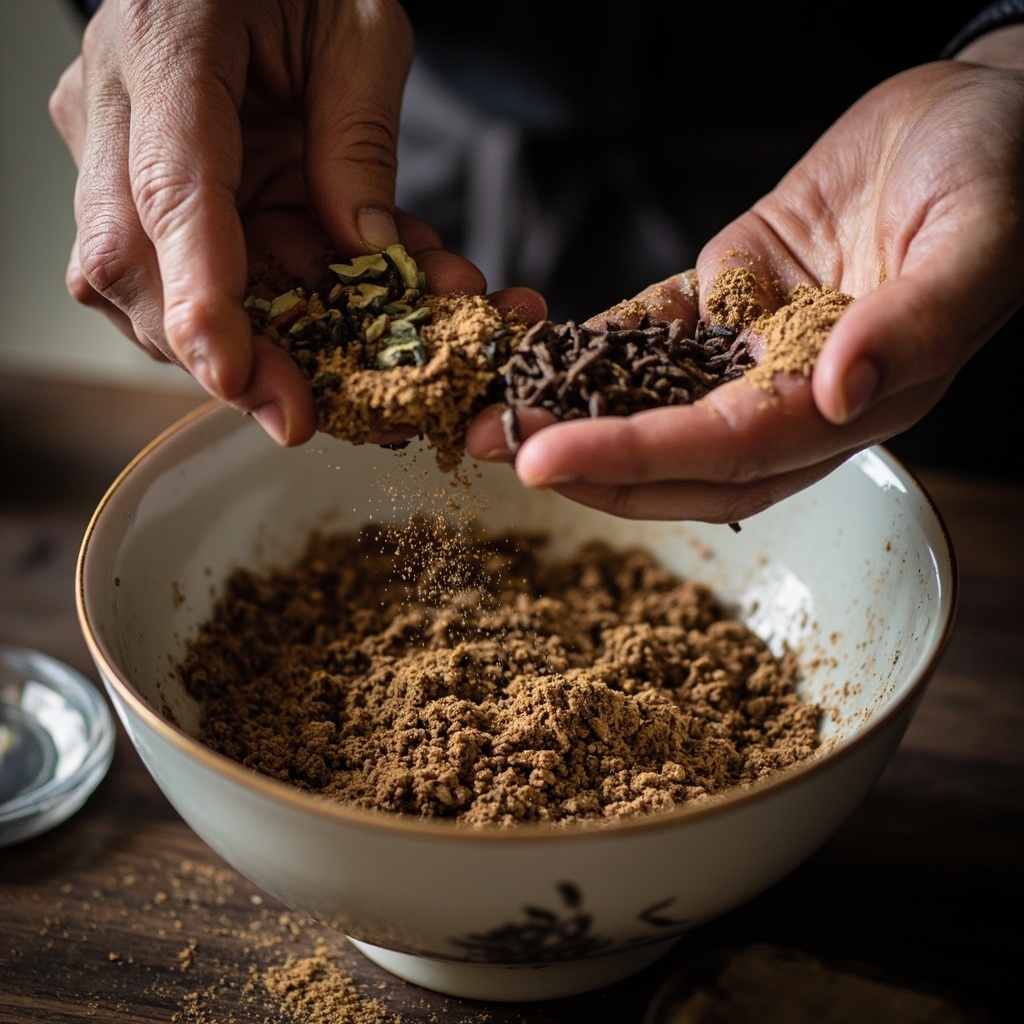
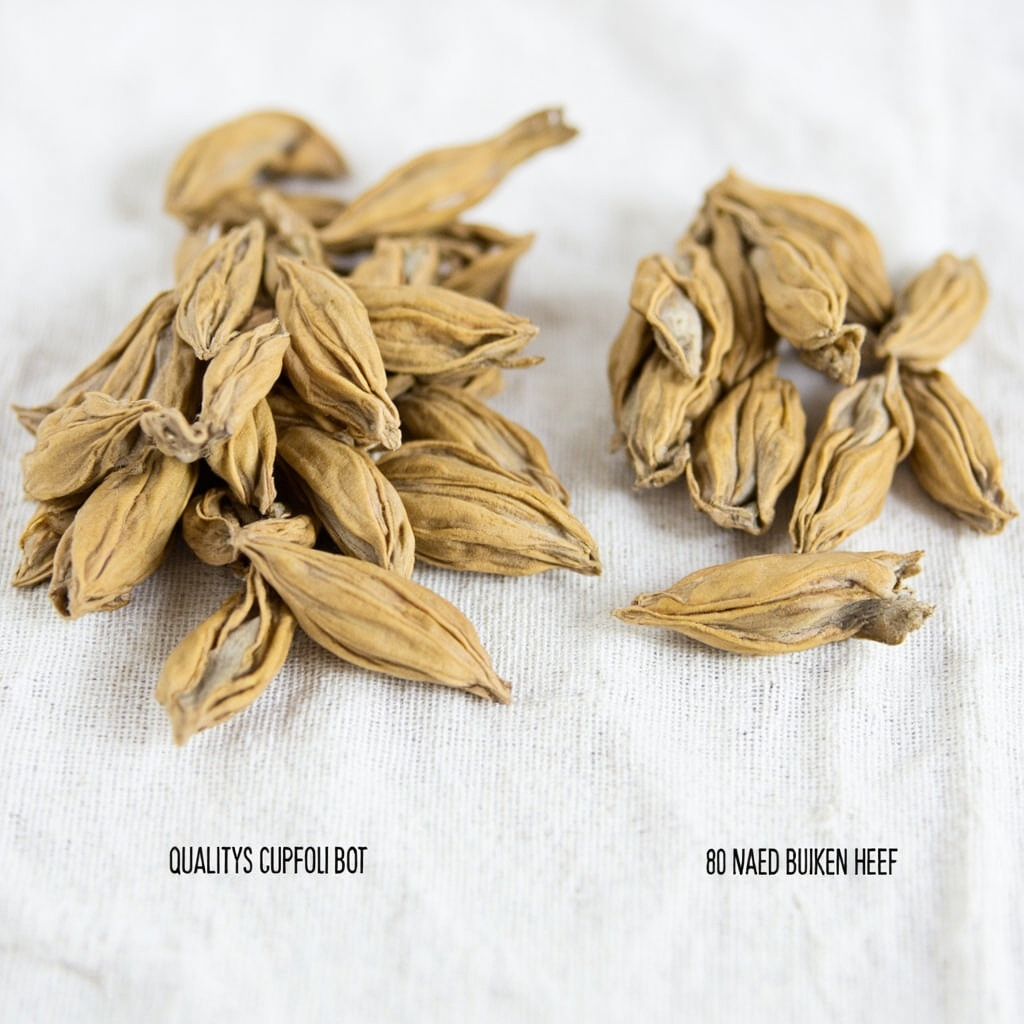
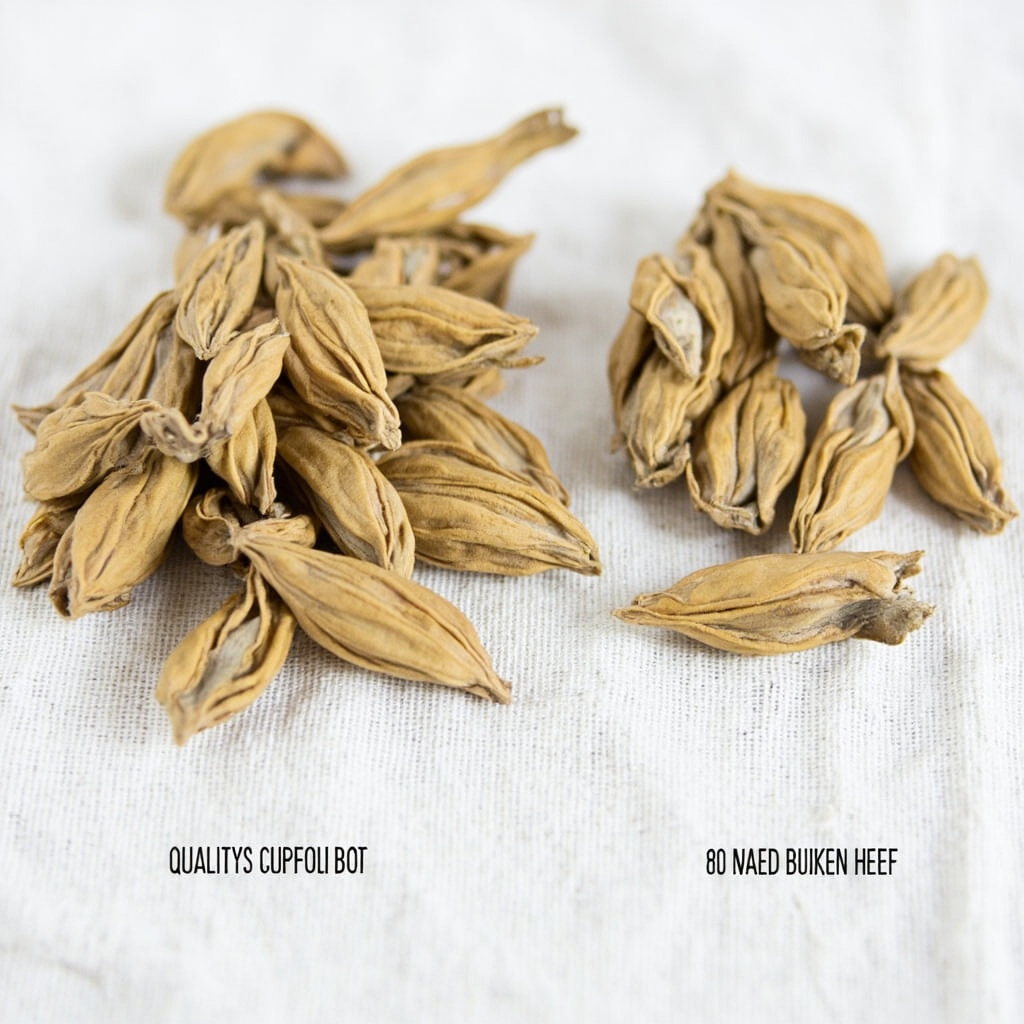
Not all cloves are equal for incense use. Quality varies significantly based on origin, harvest timing, and processing.
Origin — The finest cloves still come from the Moluccas, though significant production now occurs in Tanzania, Madagascar, and Sri Lanka. Indonesian cloves are traditionally preferred for incense, with a flavor profile that’s simultaneously sweet and sharp.
Harvest timing — Cloves should be harvested just before the flower opens. Buds that have already bloomed or started to open are lower quality. Properly harvested buds should still have a visible “nail head” — the unopened flower at the base.
Moisture content — Well-dried cloves should rattle when shaken. They should not feel heavy or damp. Excess moisture indicates improper storage and will cause problems in incense blends.
Oil content — High-quality cloves should leave oil residue when pressed between fingers. The fragrance should be immediate and intense. Low-quality cloves smell muted or slightly fermented.
How to Use Cloves in Incense Blending
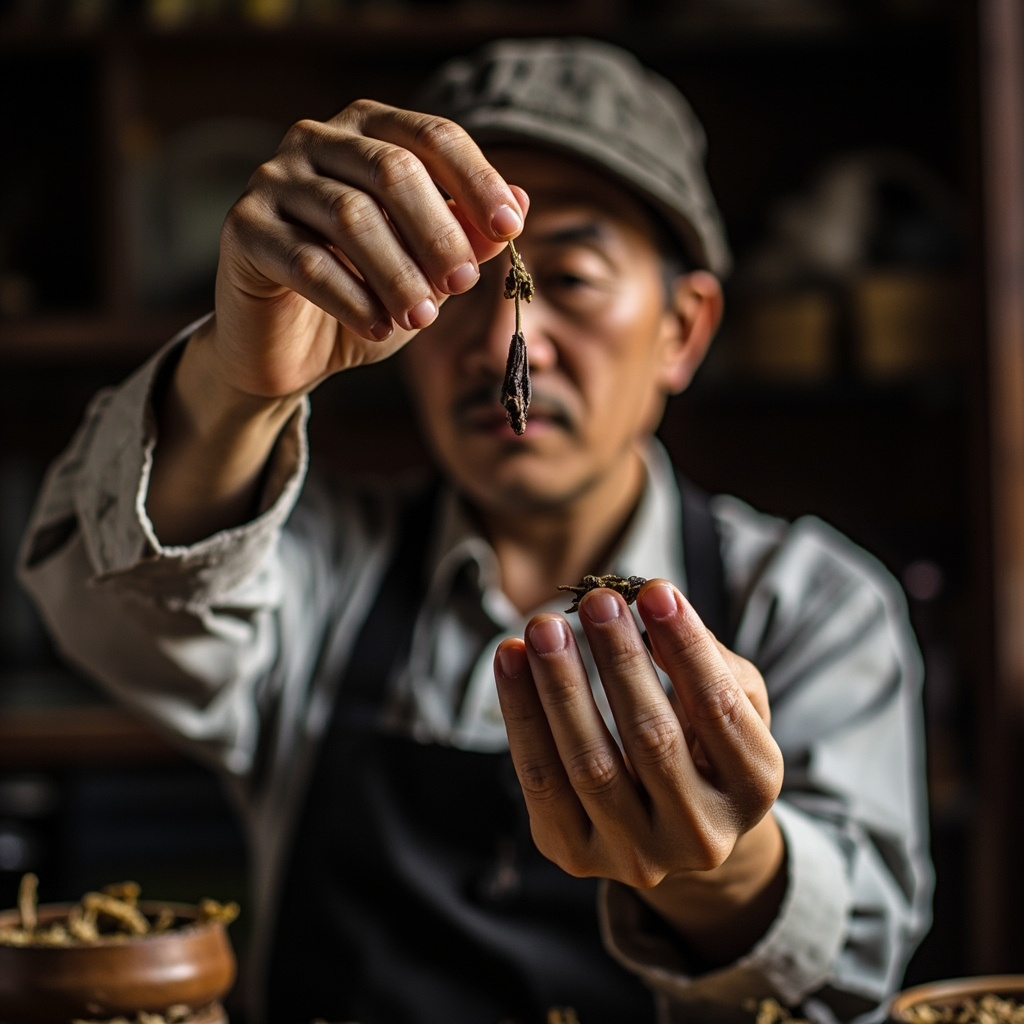
For incense purposes, cloves are almost always used in processed form rather than whole.
Crushed or powdered — The most common preparation. Whole cloves are ground just before use, as powder loses potency quickly. The grinding process releases oils and increases surface area, improving how the fragrance integrates into blends.
Proportions — Cloves are powerful. Even small amounts transform a blend dramatically. Beginners should start with 3-5% by weight and adjust upward. Excess cloves create an aggressive, almost medicinal quality that overwhelms subtler notes.
Combination partners — Cloves pair naturally with other warming materials: cinnamon bark, cardamom, and other spices. They also complement heavier woods, cutting through agarwood and sandalwood in ways that increase perceived brightness.
What to avoid — Mixing cloves with strongly floral materials often creates awkward results. The sharp spice and sweet florals tend to compete rather than harmonize. Similarly, very resinous materials can interact with clove oils unpredictably.
Safety Considerations
Cloves contain significantly more eugenol than most other aromatic materials, requiring respect in handling.
Skin contact — Pure clove oil and handling large quantities of powdered cloves can cause skin irritation in sensitive individuals. Wear gloves when working with significant amounts.
Inhalation — Fine clove powder is an irritant. Work in ventilated areas. Those with respiratory sensitivities should be particularly careful.
Quantity discipline — More is not better with cloves. The line between “enhances beautifully” and “overwhelming medicinal” is thin. When in doubt, use less.
The Bottom Line
Cloves will never be the star of Chinese incense — that role belongs to the great woods, agarwood and sandalwood. But understanding cloves’ role reveals something important about hexiang philosophy: the best blends combine diverse materials, each serving specific functions.
For beginners exploring blending, cloves offer an excellent introduction to how small quantities of the right material can transform a formula. Start conservative, notice what changes, and develop your intuition for how “bridge” materials work.
Whether you eventually use cloves in your practice or simply appreciate their role in historical formulas, understanding dingxiang enriches your grasp of Chinese incense culture’s sophisticated approach to aromatic blending.
Frequently Asked Questions
Can I burn cloves directly like incense sticks?
Burning whole cloves directly produces intense, almost acrid smoke that’s unpleasant and overwhelming. Cloves work much better as blending components in powder form, where their qualities can be controlled and balanced.
What’s the difference between clove buds and clove stems?
Clove buds (the unopened flower) contain significantly more eugenol and have the characteristic aroma. Clove stems are lower quality with a harsher, more bitter fragrance. Always verify you’re using buds, not stems, for incense purposes.
How should I store cloves for incense use?
In airtight containers away from light and heat. Whole cloves keep well for 1-2 years if stored properly. Powder degrades quickly — grind only what you need for immediate use. Signs of degradation include muted aroma and a slightly stale smell.
Are cloves used in food-grade and incense-grade differently?
The same cloves work for both purposes. Quality assessment criteria are similar — origin, freshness, oil content. For incense, you may prefer slightly coarser grinding than for culinary use, but the starting material is identical.