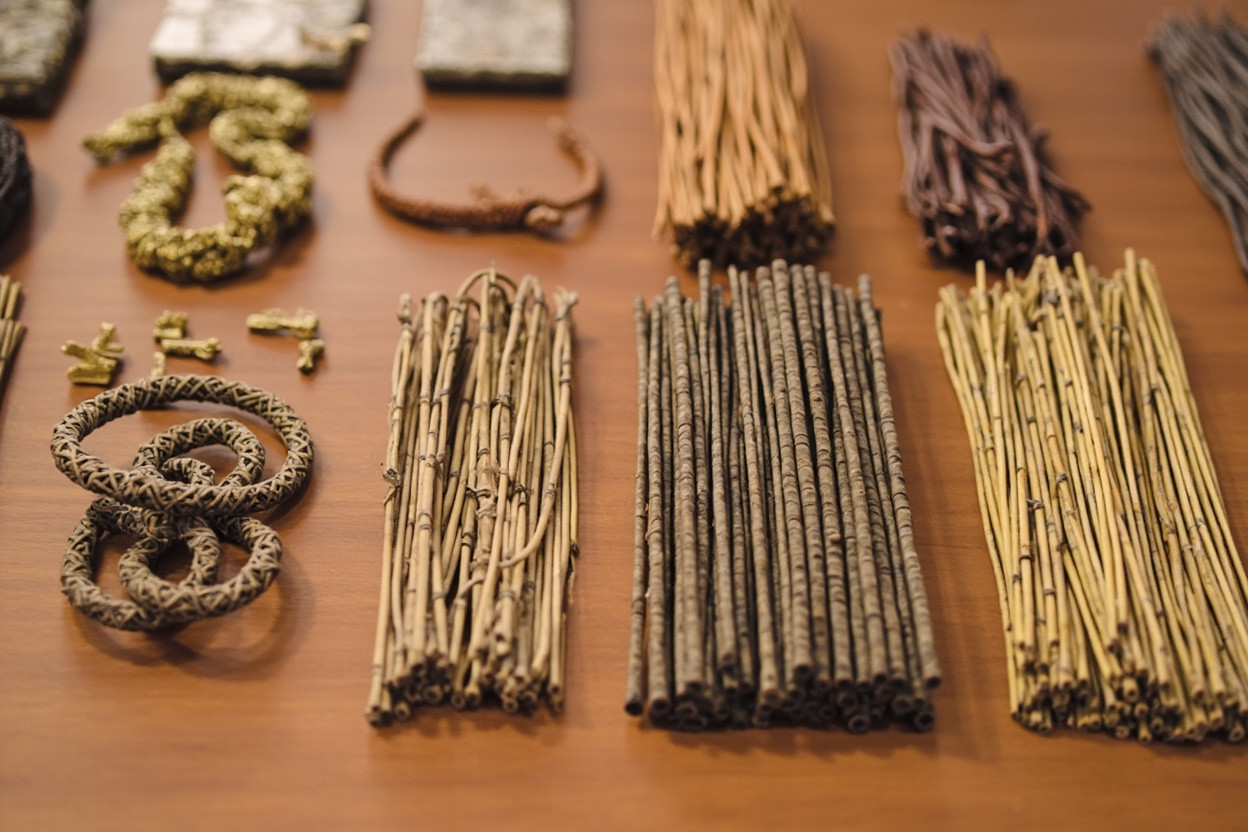
Chinese and Japanese incense share roots but have diverged significantly over the centuries. Understanding the differences helps you navigate both traditions and find what works for your practice.
The Chinese Incense Tradition
Chinese incense developed in the context of TCM, Daoist ritual, and scholarly practice. The emphasis is on the functional properties of aromatic materials — how they affect the body and mind, not just how they smell.
Chinese incense materials include a vast range: agarwood, sandalwood, camphor, musk, chrysanthemum, honeysuckle, and hundreds of other botanicals. Formulas can be complex — 30, 40, even 50 ingredients combined according to classical formulas.
The forms are varied: sticks, coils, powders, pellets, and raw materials burned directly. The aesthetic is organic, sometimes rustic.
The Japanese Incense Tradition
Japanese incense (kodo) developed as a refined art form, particularly during the Edo period. The emphasis shifted from functional to aesthetic. The question is not just “what does it do?” but “how beautiful is this experience?”
Japanese incense tends to be simpler in formula — fewer ingredients, but of exceptional quality. The focus is on the appreciation of single-note fragrances and subtle variations within a scent profile.
Japanese sticks are typically thinner, burn more slowly, and produce less visible smoke. The aesthetic is refined, minimal.
Key Differences
Complexity: Chinese incenses tend toward complex, layered formulas. Japanese incenses tend toward simplicity and subtlety.
Function vs. Art: Chinese incense emphasizes what the incense does for you. Japanese incense emphasizes the beauty of the experience itself.
Form: Chinese incense comes in many forms. Japanese incense is predominantly sticks and coils.
Smoke: Japanese incense typically produces less visible smoke. Chinese incense includes many high-smoke varieties.
Frequently Asked Questions
Is one better than the other?
They are different. Chinese incense is better for functional purposes — supporting health, creating specific mental states. Japanese incense is better for aesthetic appreciation and refined sensory experience.
Can I use both?
Absolutely. Many practitioners use Chinese incense for daily wellness practice and Japanese incense for special occasions or contemplative appreciation.
Related Articles
Explore Both Traditions
Chinese and Japanese incense each offer something valuable. The choice depends on your purpose: functional support or aesthetic appreciation.