
Two cultures. One fragrance tradition. But where Chinese incense evolved into a philosophy of blended formulas and personal cultivation, Japanese incense became an art of appreciating single aromatics. Here is how these two traditions diverged – and why the difference matters for anyone practicing today.
Origins: Shared Roots, Different Directions
Both Chinese and Japanese incense culture trace back to Buddhism, which arrived in China around the 1st century CE and reached Japan via Korea in the 6th century. Monks in both countries used incense in meditation and rituals. The early forms were remarkably similar.
What changed was everything that came after. China developed xiangdao (the Way of Fragrance) as a comprehensive art encompassing hundreds of herbal formulas, elaborate ceremonies, and a deep literary tradition. Japan distilled this into kodo – the Way of Fragrance – focused on the appreciation of single high-quality woods, particularly agarwood.
Philosophy: Blending vs. Singularity
Chinese xiangdao is built on hexiang – the art of blending. A single Chinese incense stick might contain ten, twenty, even thirty ingredients, carefully balanced to create a layered, evolving fragrance profile. The skill lies in composition: understanding how each material interacts, ages, and transforms when burned together.
Japanese kodo, by contrast, centers on monochromatic appreciation (tanka). Practitioners judge a single piece of imported agarwood based on its color, grain pattern, weight, and the subtle notes it releases at different temperatures. The goal is not to create complexity through blending, but to perceive the full depth of one material.
Practice: Ceremony and Meditation
In Japanese kodo, the formal ceremony (za) follows strict protocols passed down through specific schools – Koon, Shino, and Kyo-yakushiji being the main ones. Practitioners sit in seiza, pass the incense orally, and discuss their impressions using a formal vocabulary of appreciation. The aesthetic is minimalist: dark rooms, clean mats, and absolute silence between participants.
Chinese xiangdao ceremonies are more varied. They range from the formal Qing Dynasty palace rituals documented in imperial records to the intimate scholar studio gatherings described in Ming Dynasty literature. The Chinese approach is generally more inclusive – anyone can blend, and the fragrance is meant to fill a room during conversation, not demand silence.
Materials: Diversity vs. Focus
Chinese incense uses an extraordinary range of materials: hundreds of herbs, resins, woods, flowers, and animal products documented in texts like the Xiang Cheng. The four great aromatics – agarwood, sandalwood, ambergris, and musk – form the foundation, but dozens of supplementary materials add regional and seasonal character.
Japanese kodo focuses almost exclusively on agarwood (kynam, from Vietnamese and Hawaiian sources) as the primary material, with varying quality grades determining value. The narrower focus has practical reasons: high-quality Japanese agarwood appreciation requires a purity of perception that blending would obscure.
Modern Practice: Revivals and Styles
Today, Chinese xiangdao is experiencing a grassroots revival among younger practitioners who blend ancient formulas with modern wellness practices. Chinese brands are reformulating classical recipes, and traditional burning methods are being taught again in major cities.
Japanese kodo remains more codified – preserved by formal schools with certification systems and centuries of documented practice. It attracts practitioners who value precision, tradition, and the meditative discipline of single-material appreciation.
Which Tradition Is Right for You?
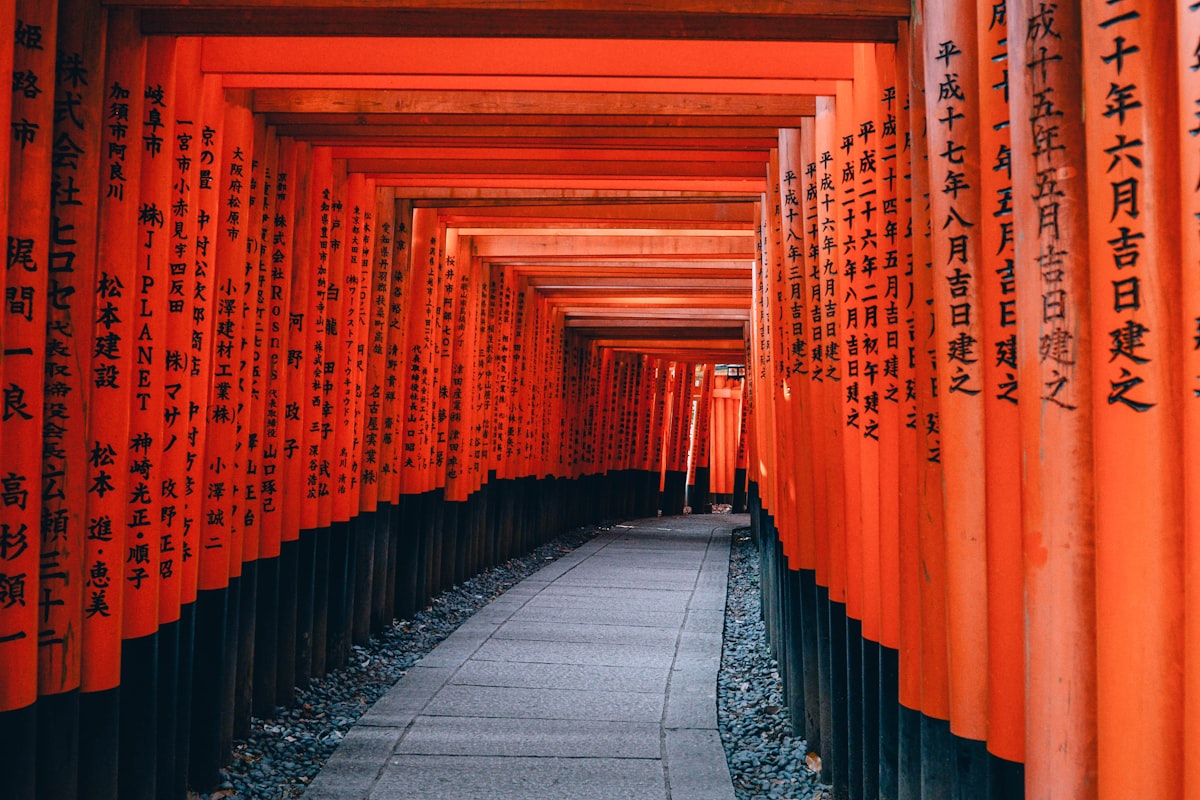
If you love complexity, creativity, and the idea of composing your own blends, Chinese xiangdao offers infinite possibilities. If you prefer minimalism, discipline, and deepening your perception of a single material, Japanese kodo provides a clear path.
Many modern practitioners draw from both traditions – using Chinese blending techniques with Japanese aesthetic sensibilities. Neither approach is superior; they are simply different paths to appreciating fragrance as a conscious practice.
Related Articles
- What Is Xiangdao? Understanding the Way of Fragrance
- Hexiang: The Chinese Art of Blended Incense
- The Big Four: Agarwood, Sandalwood, Ambergris, Musk
Frequently Asked Questions
What is the main difference between Chinese and Japanese incense?
The core difference is Chinese xiangdao emphasizes hexiang (blended incense) while Japanese kodo focuses on monochromatic (single wood) appreciation. Chinese incense typically combines multiple aromatic materials into complex formulas, while Japanese kodo practitioners evaluate individual pieces of high-quality agarwood.
Is Chinese incense older than Japanese incense?
Yes. Chinese incense culture predates Japanese by several centuries. Incense was used in China from at least 4000 BCE, while the formal Japanese kodo tradition developed around the 15th-16th century, though Buddhist incense practices arrived in Japan in the 6th century.
Can beginners practice both Chinese and Japanese incense traditions?
Absolutely. Chinese xiangdao offers more immediate accessibility through blending – beginners can create pleasant burns quickly. Japanese kodo requires more patience and investment in quality materials, but provides a clear, structured learning path through formal school curriculum. Many practitioners explore both before committing to one tradition.