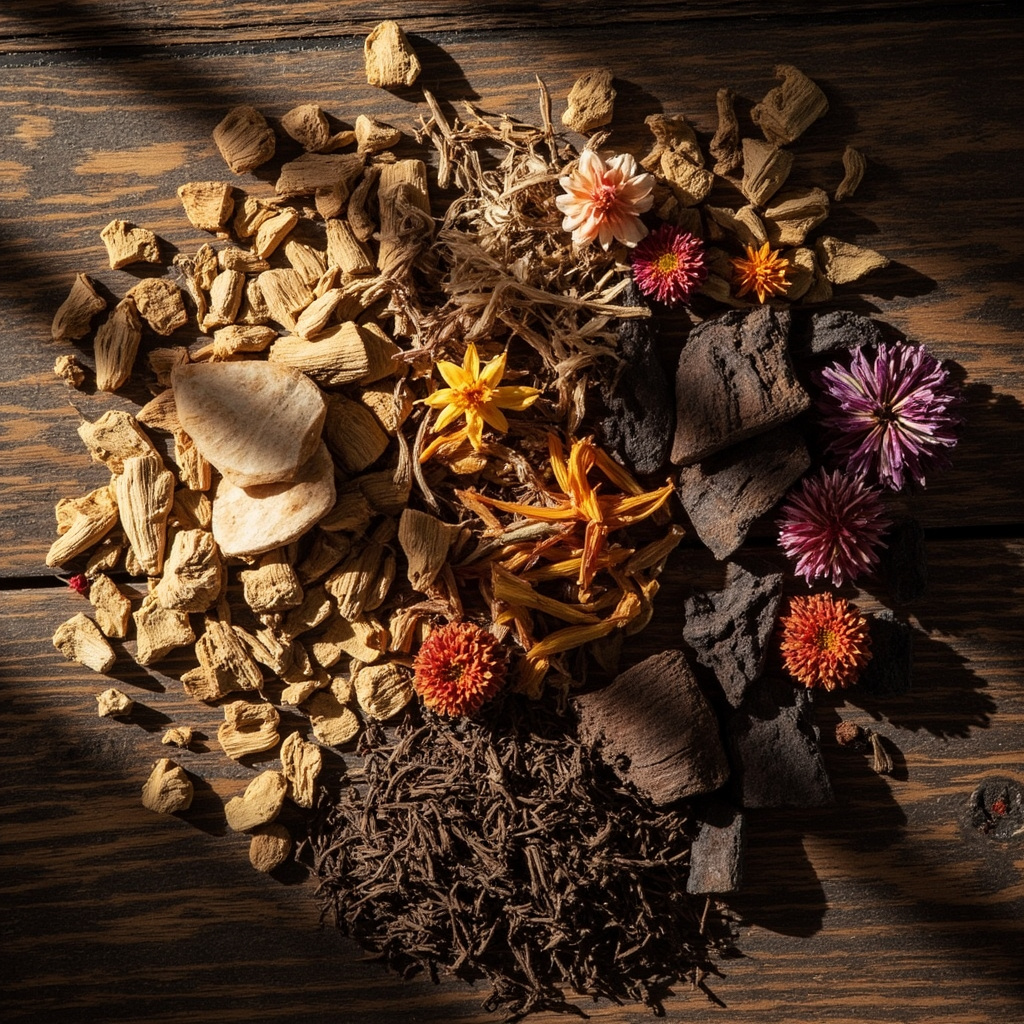
The Chinese Scholar’s Studio: Incense Culture in the Ming and Qing Dynasties
The scholar’s private chamber — the shufang (书房) or xiangshi (香室), the incense room — was one of the most carefully arranged spaces in the traditional Chinese home. The scholar’s studio was the inner sanctum of the cultivated life — the space where the business of the world was set aside and the work of self-cultivation was done. And in that space, incense was not decoration. It was infrastructure.
The Ming (1368–1644) and Qing (1644–1912) dynasties were the golden age of Chinese scholar culture. The examination system created a vast class of literate men who identified as scholars above all else — men who defined themselves by their cultivation: their mastery of the arts, their appreciation of antiquity, and their dedication to the practice of self-improvement.
The Architecture of the Scholar’s Studio
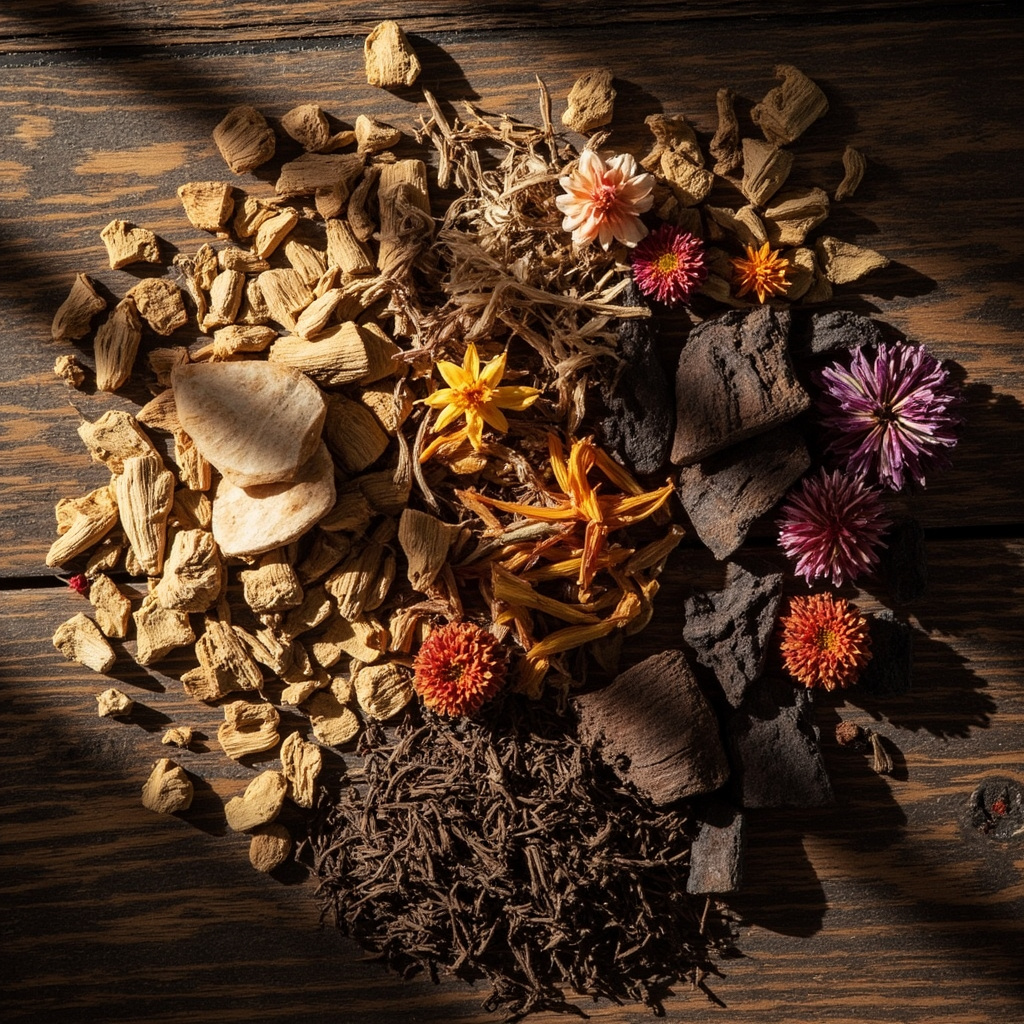
The ideal scholar’s studio faced east — the direction of sunrise, of new beginnings, of spring energy. It was typically a small room, separated from the household’s main activity by screens or curtains. The essential furniture was simple: a desk facing east for reading and writing, a low table for the tea ceremony, and — critically — a dedicated space for the incense burner and the incense equipment.
The Incense Equipment
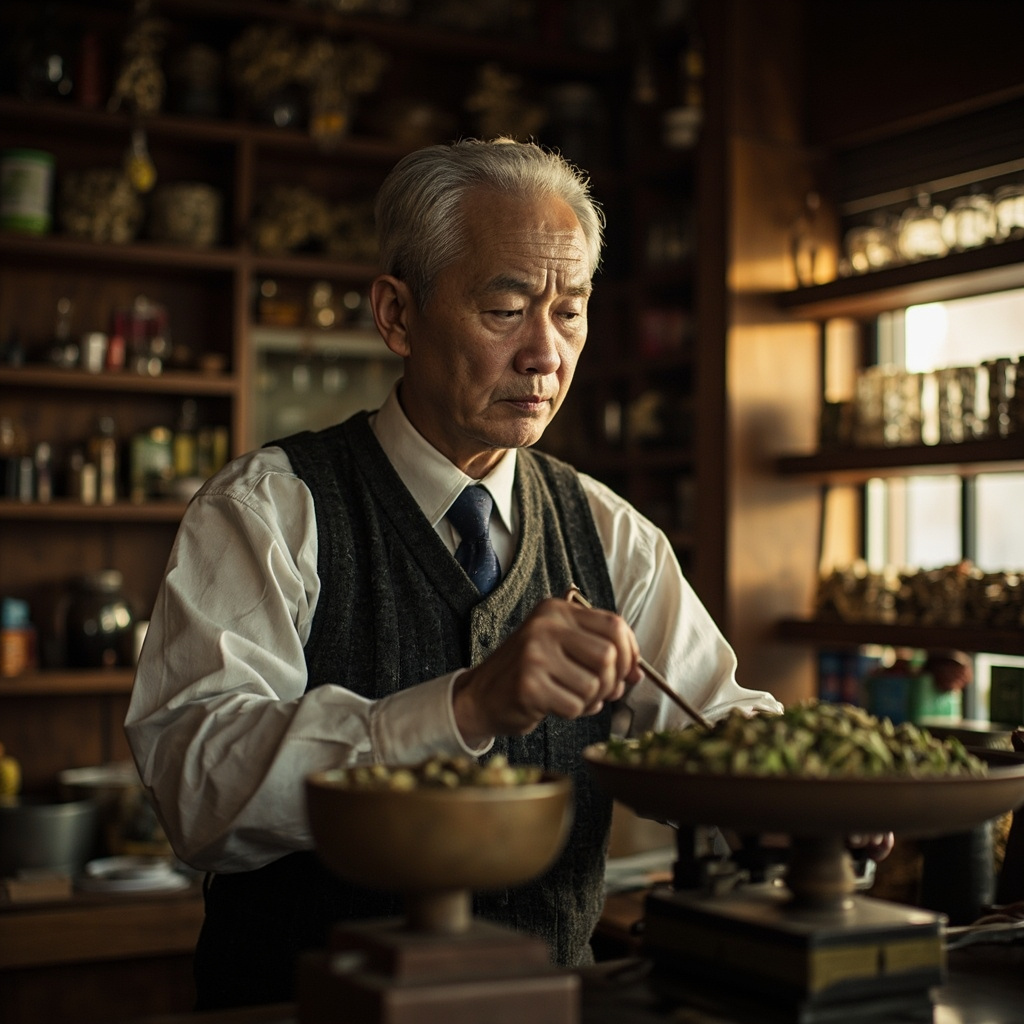
The scholar’s incense equipment was an important part of the studio — objects of beauty and contemplation in themselves.
The burner (香炉): The most important piece. Scholars collected burners the way others collected paintings. The most prized burners were antique bronze vessels from the Han and Tang dynasties.
Charcoal (炭): The fuel for the incense. The finest charcoal was made from cypress or pine, slowly burned in a kiln until completely carbonised.
Tongs (火箸): Long, thin metal tongs for handling the hot charcoal. The temperature of the charcoal, and therefore the fragrance of the incense, was controlled by the precise positioning of the charcoal.
The ash (灰): The burner was partially filled with incense ash. The ash served as insulation, as a base for the charcoal, and as a visual element (white ash symbolising purity).
The Daily Practice of Incense
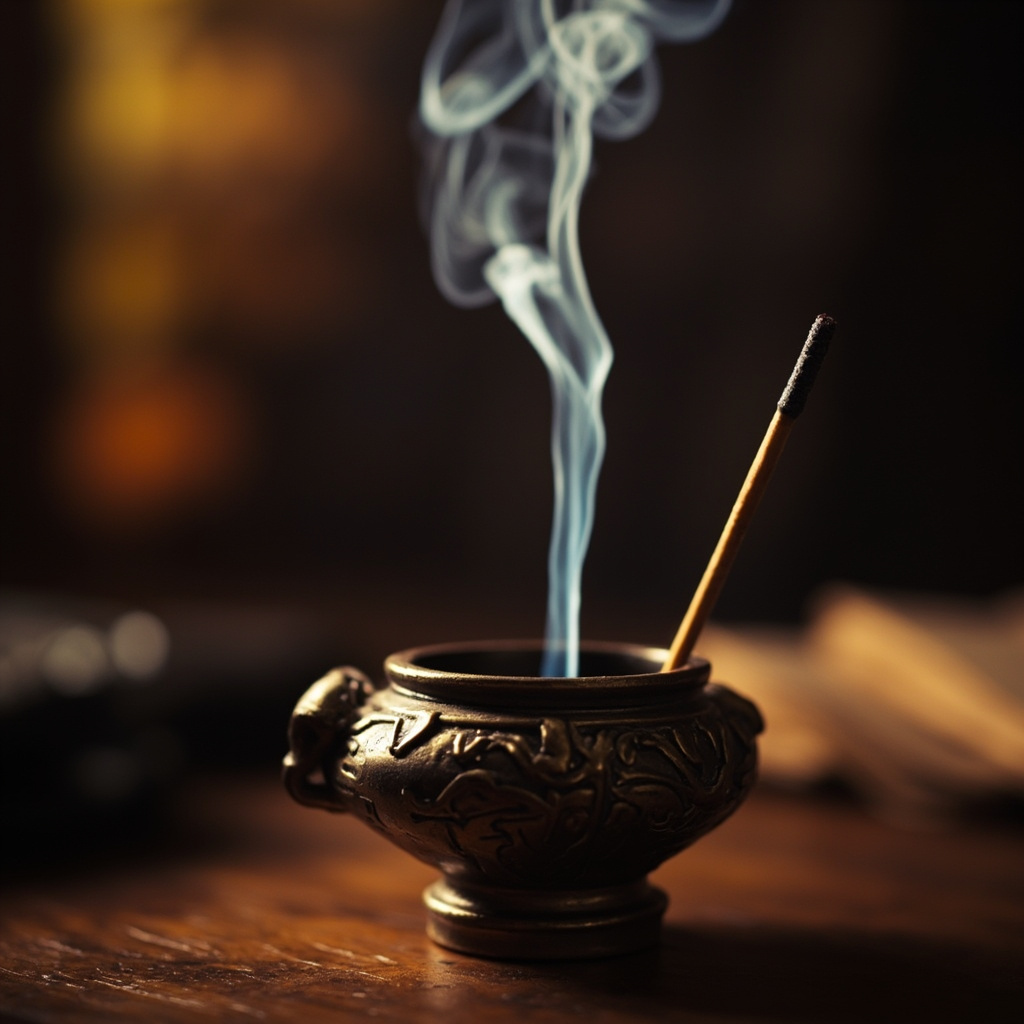
The scholar did not burn incense casually. The practice had a structure:
Preparation: The scholar would prepare the space — arranging the equipment, ensuring the room was quiet and undisturbed.
Selection: The selection of the material for the session was not random. The scholar would choose based on the season, the time of day, his current state of body and mind.
Lighting the charcoal: The charcoal was lit and allowed to burn until the flames had subsided and the surface glowed evenly.
Temperature adjustment: The position of the charcoal in the ash determined the temperature. The scholar learned through practice to judge the temperature from the colour of the charcoal.
Application: The incense material was applied and the first wisps of fragrance were observed carefully.
Appreciation: The scholar would sit with the fragrance — noting its evolution over time, its effect on his body and mind.
The Social Dimension: Incense and the Literati Gathering
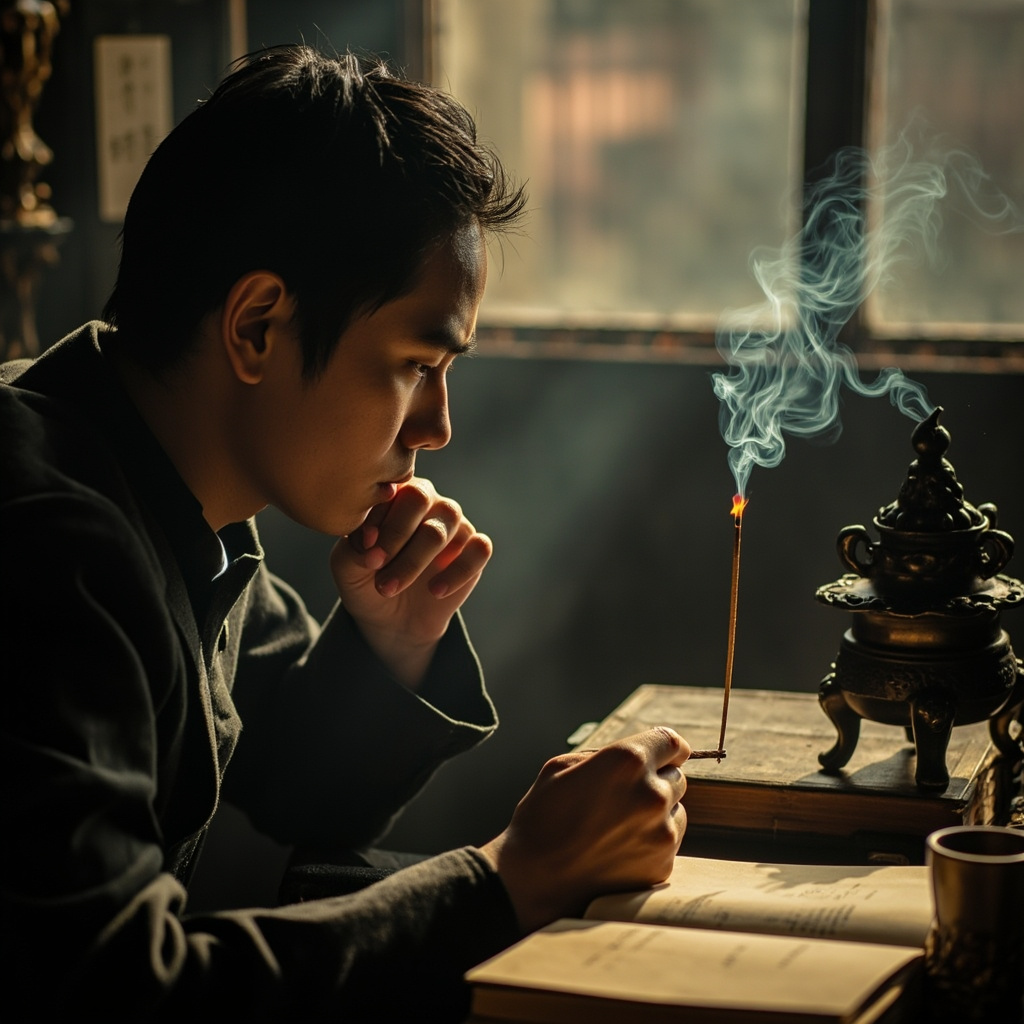
The scholar’s studio was also a social space — for gatherings of literary men who shared the same values and the same aesthetic sensibility. These gatherings, called shilin (诗会) or xianghui (香会), were occasions for the exchange of ideas, the appreciation of each other’s collections, and the performance of the arts in each other’s company.
The Legacy of the Scholar’s Incense Practice
The scholar’s incense practice did not survive the 20th century intact. The examination system was abolished in 1905. The imperial system ended in 1912. What survived was the practice itself: the texts, the equipment, and the tradition of personal cultivation through incense, preserved in Taiwan, in Hong Kong, in Japan, and in the communities of practitioners who have kept the knowledge alive.
Frequently Asked Questions
Can I recreate the scholar’s studio practice today?
Yes — and many people do. The essential practice — the deliberate selection of materials, the attentive preparation, the sitting with the fragrance — requires no special equipment and no particular space.
What materials did scholars use most?
The most prized were — as always — the most expensive: high-grade agarwood, aged sandalwood, and in wealthier households, musk and ambergris. But scholars of more modest means used what they could access.