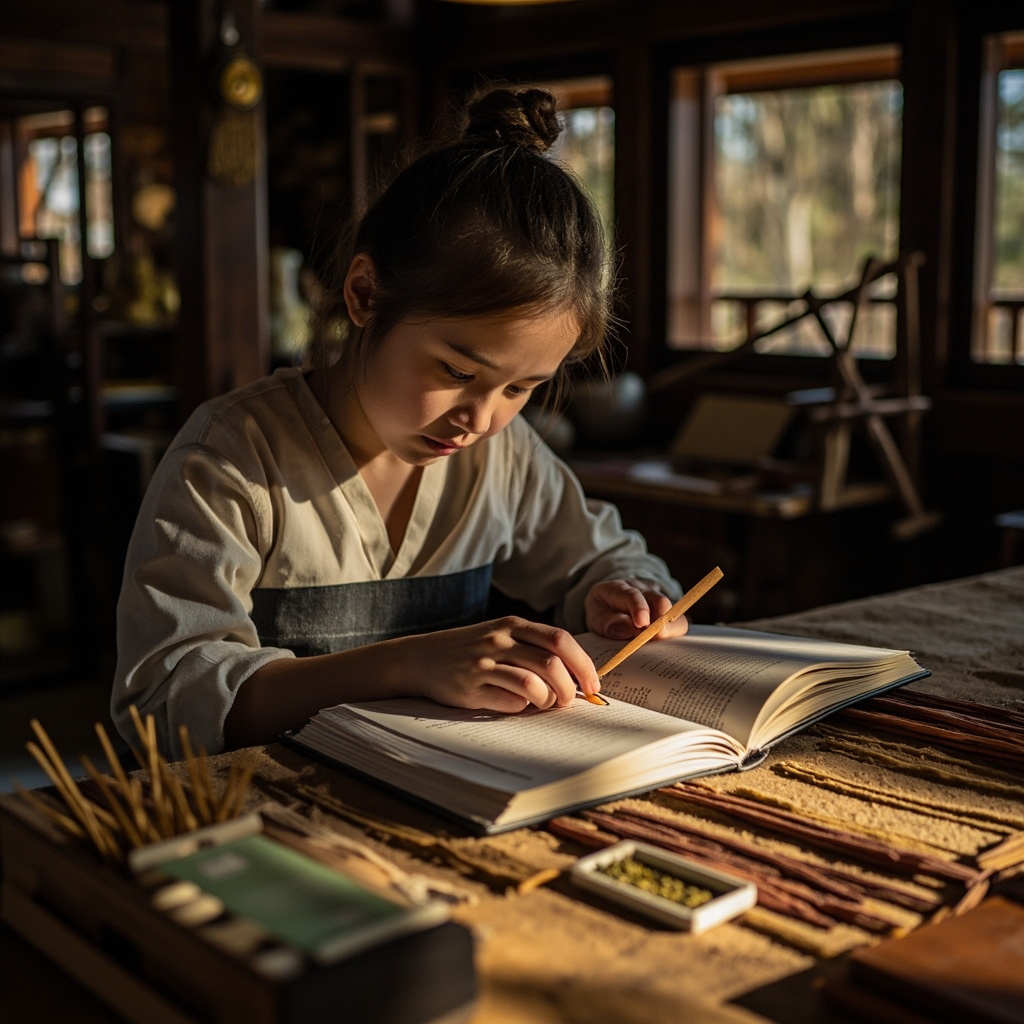
Chinese Incense Making: A Beginner’s DIY Guide to Blending at Home
There is something profoundly satisfying about making your own incense. It is a slow craft — one that requires patience with materials, with proportions, with the unpredictable behavior of natural ingredients. But the moment you light a stick you made yourself, from scratch, and the fragrance rises exactly as you envisioned — that is a small, genuine pleasure that no purchased stick can replicate.
Chinese incense making, or hexiang (合香, literally “combined fragrance”), is an ancient art with documented traditions stretching back to the Han dynasty. The classical texts describe meticulous processes: how to grind materials, how to blend them in specific ratios, how to add binding agents, how to dry the final product. Many of these ancient recipes remain viable today — and you can follow them with materials sourced from specialty suppliers or even from your own kitchen garden.
This guide walks you through the complete process of making your own Chinese incense at home, from selecting materials to the final drying and burning. No advanced equipment required — just patience, attention, and a willingness to experiment.
Understanding the Three Components of Incense
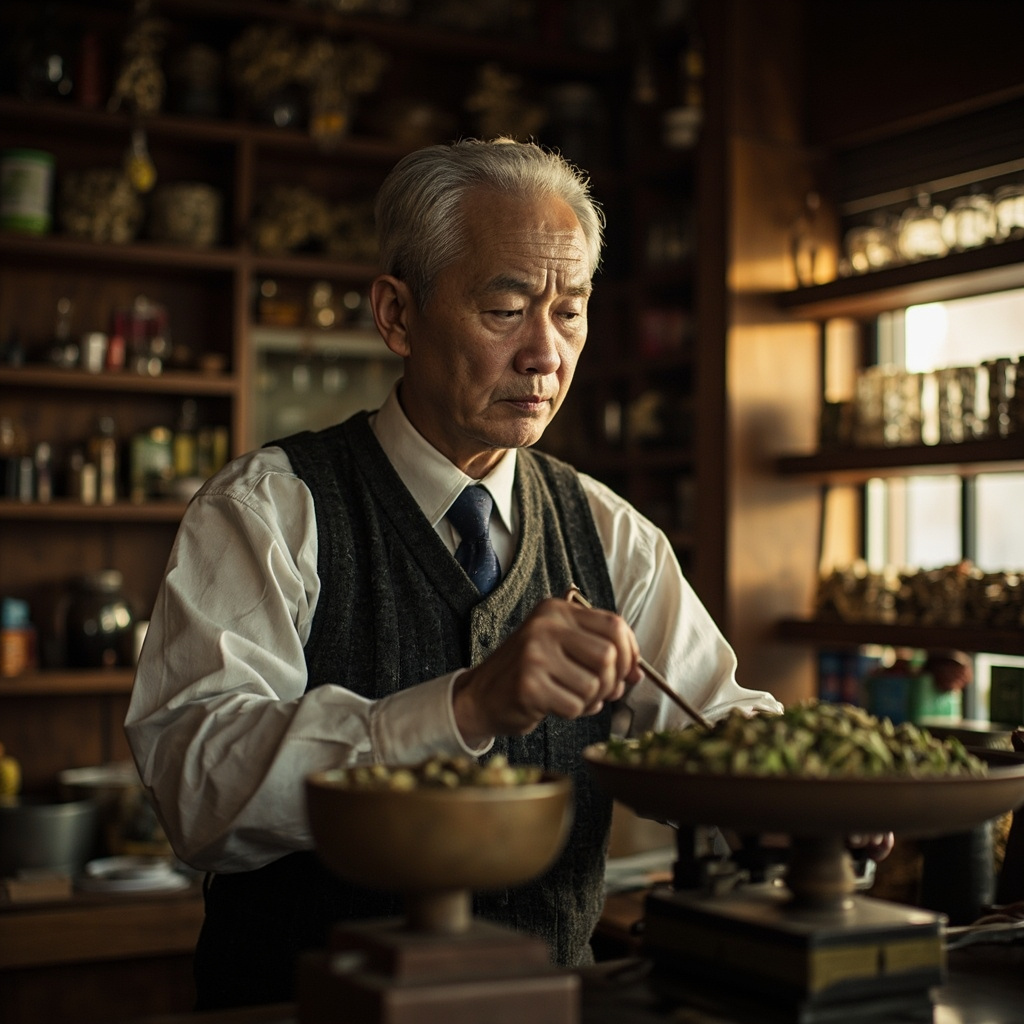
Every incense blend, regardless of tradition, is built from three categories of ingredients:
1. Base Materials (底香)
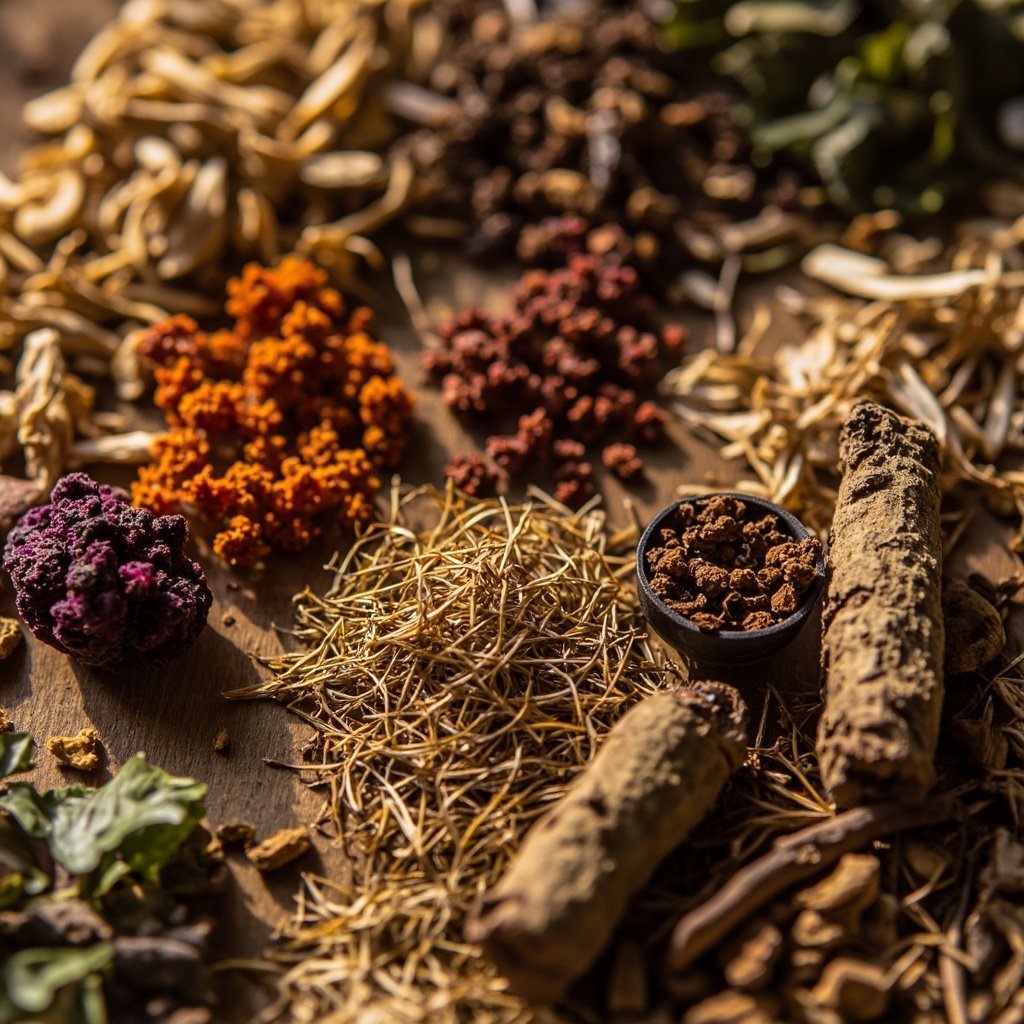
Base materials are the foundation — the ingredients that provide the sustained, long-lasting fragrance that defines the blend. In Chinese incense, these are typically dense, resinous woods: sandalwood, agarwood, cedarwood, or buckwheat husk. Base materials typically constitute 50–70% of a blend.
2. Supporting Materials (体香)
Supporting materials add body and character — they round out the base and introduce the distinctive scent profile of the blend. In Chinese incense, supporting materials include: benzoin, storax, frankincense resin, clove, cinnamon bark, and various aromatic herbs. Supporting materials typically constitute 20–40% of a blend.
3. Fragrant Modifiers (灵动香)
The most delicate ingredients, modifiers are added in small amounts to create unique signatures — floral notes like osmanthus or jasmine, fresh herbal notes like mint or ageratum, or special resins like dragon’s blood. These constitute 5–15% of a blend and are what give each formula its distinct personality.
What You Need to Get Started
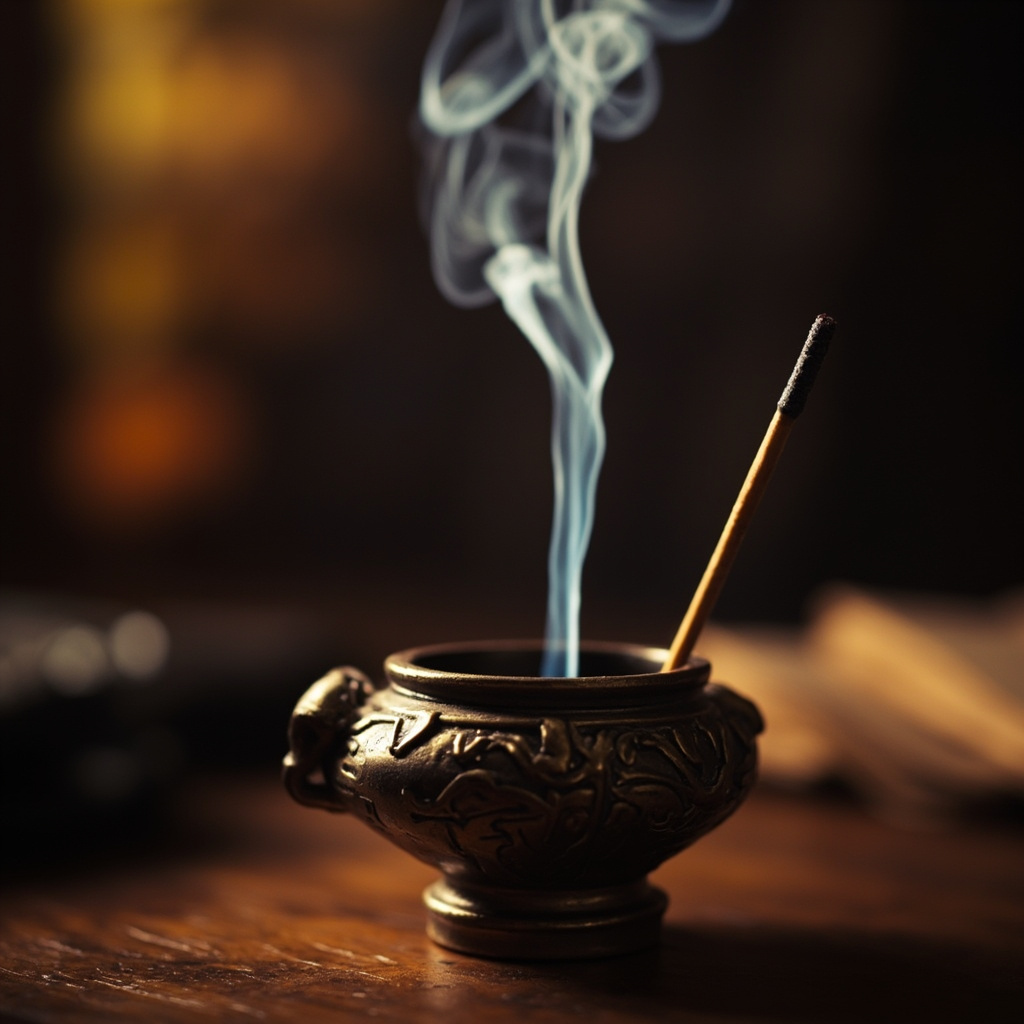
Equipment
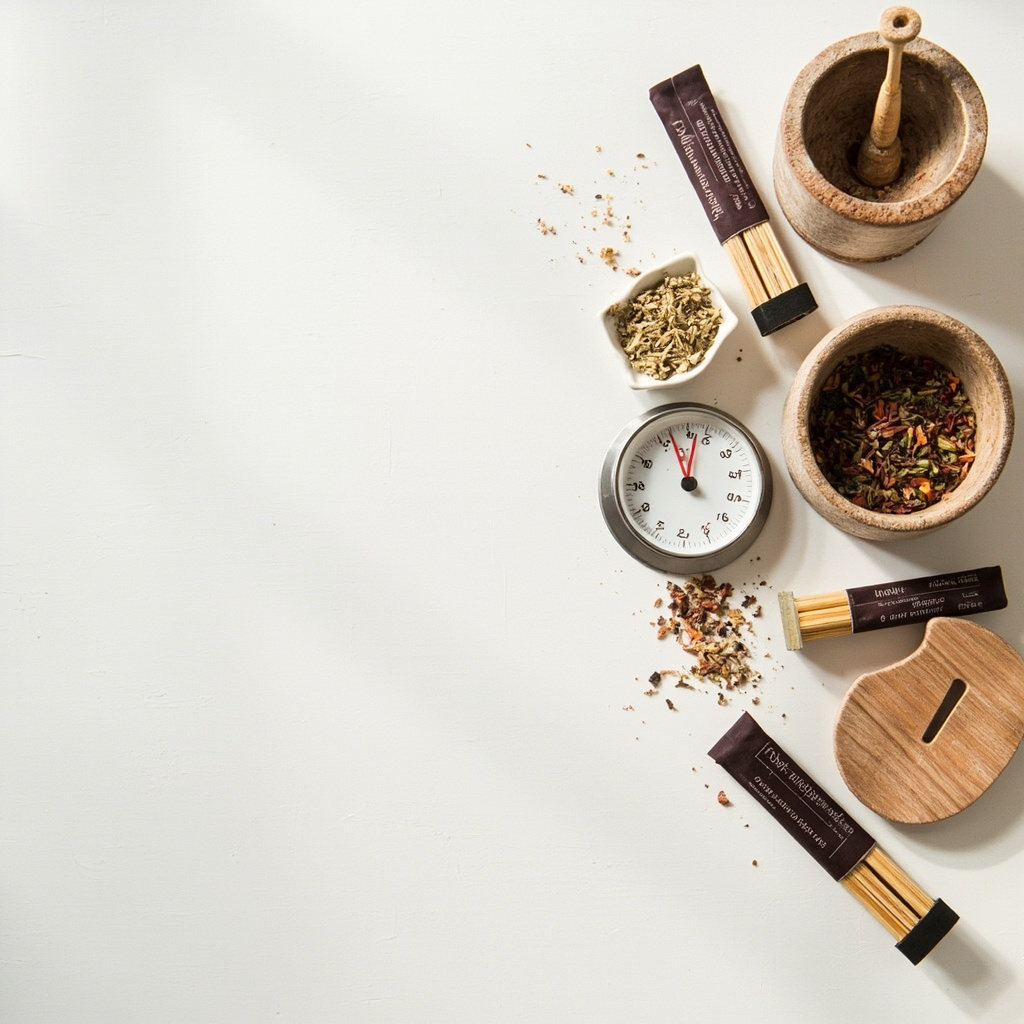
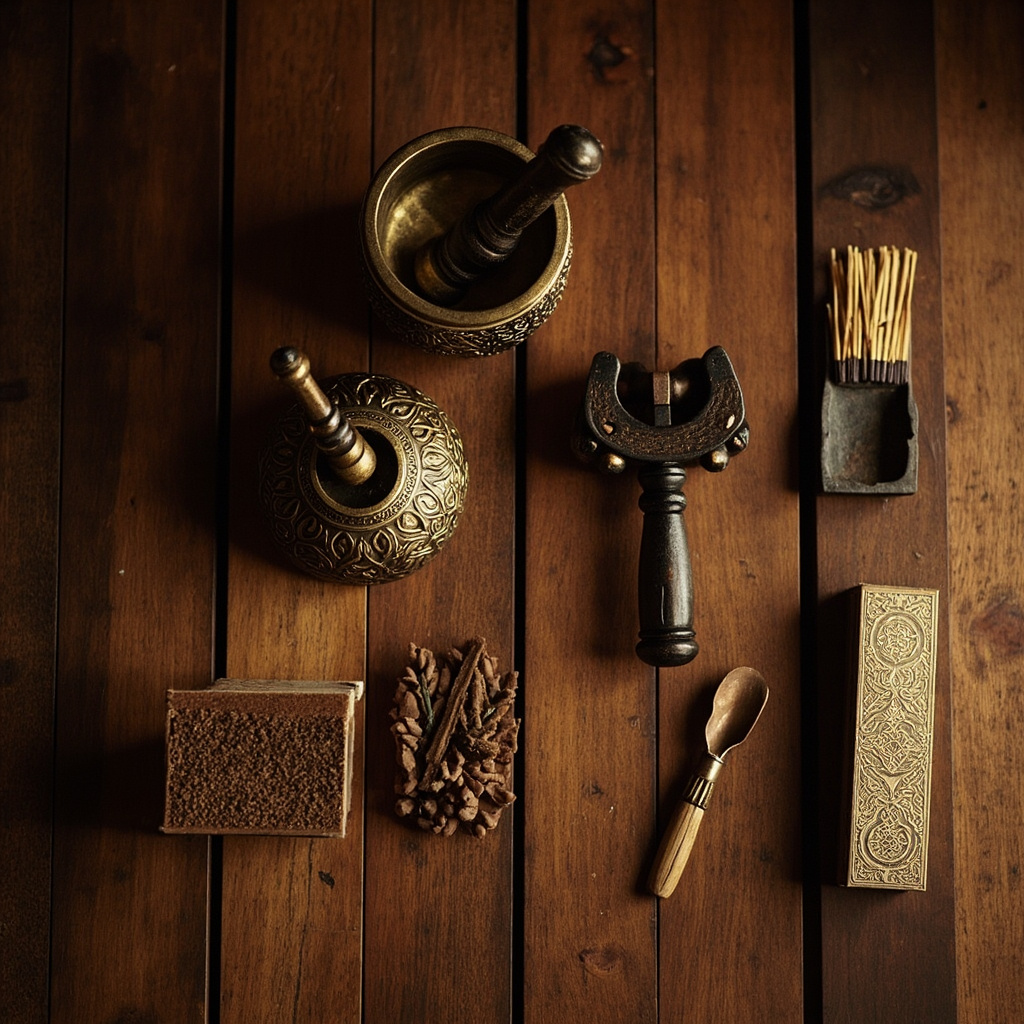
- Mortar and pestle (or a spice grinder) — for grinding wood and resin materials
- Fine mesh sieve — to ensure a consistent powder texture
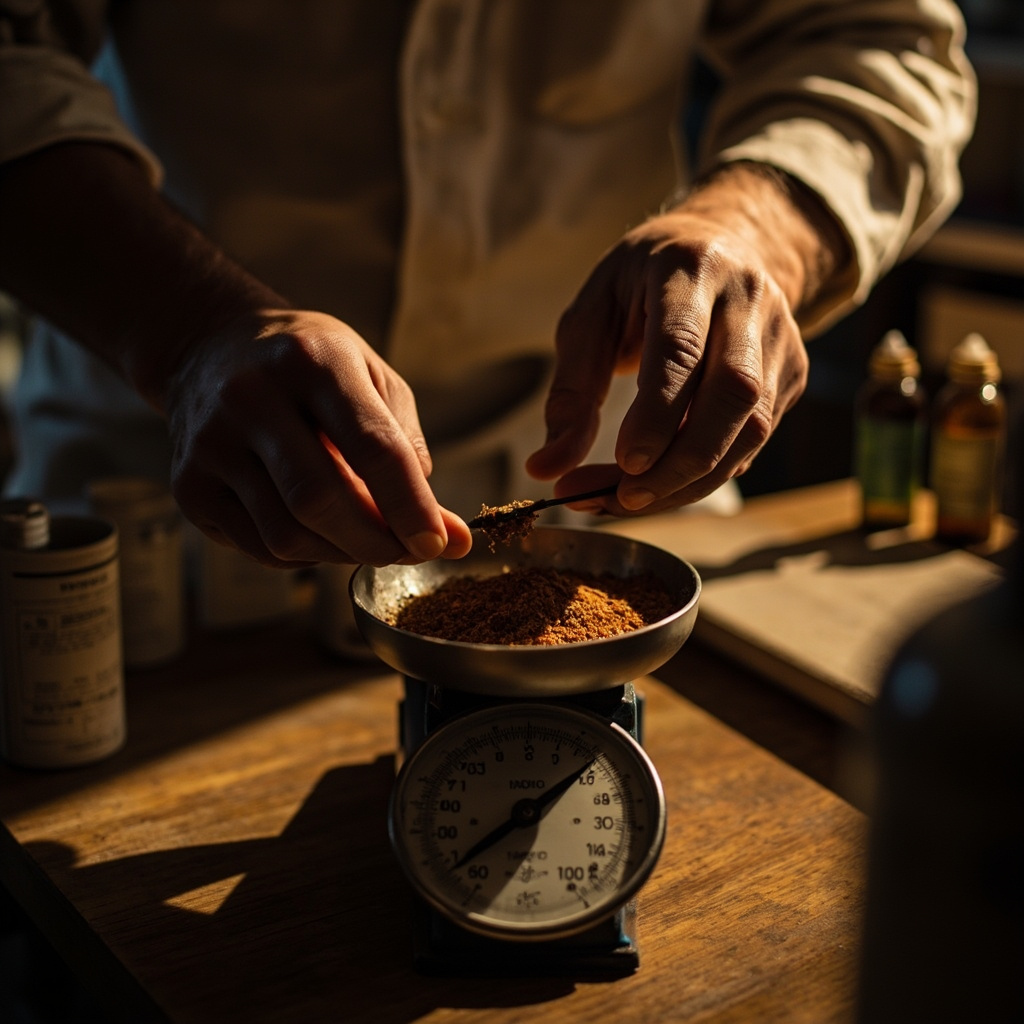
- Digital kitchen scale — precision matters in incense making; measure to 0.1g
- Makko powder (粘合粉) — the natural binding agent made from tabu no ki bark; essential for rolling sticks and binding powders
- Mixing bowl — ceramic or glass, not metal (metal can interact with aromatic compounds)
- Rolling surface — a flat ceramic tile or marble slab works well
- Bamboo skewers or incense rollers — for making stick incense
- Silicone drying mat — non-stick surface for drying
Basic Materials to Start With
For your first blends, begin with these accessible materials:
- Sandalwood powder (50–100g) — your primary base
- Benzoin resin powder (20–50g) — sweet, vanilla-like supporting material
- Clove powder (10–20g) — warm spice modifier
- Makko powder (50g) — binding agent
- Water — for binding
Making Incense Sticks from Scratch
Step 1: Grind Your Materials
If you’re starting with wood blocks or resin pieces rather than pre-ground powder, you’ll need to grind them first. Use a mortar and pestle for small amounts, or a dedicated spice grinder for larger batches. The goal is a fine, consistent powder — any chunky bits will create uneven burning.
Pass the ground material through a fine mesh sieve to ensure consistency. Regrind any material that doesn’t pass through.
Step 2: Blend the Dry Ingredients
Weigh each ingredient precisely. In a ceramic bowl, combine the base, supporting, and modifier materials in the following ratio for a beginner-friendly blend:
- 60g sandalwood powder (base)
- 25g benzoin powder (supporting)
- 5g clove powder (modifier)
Mix thoroughly with a non-metal spoon until the blend is uniform.
Step 3: Add the Binding Agent
Add makko powder to the blend. Start with approximately 10% of your total dry weight — so about 9g of makko for the blend above. Mix the dry makko into your dry incense blend thoroughly before adding any water.
Step 4: Add Water and Form the Dough
Add water drop by drop, mixing continuously. Use a spray bottle for more controlled application, or add water one milliliter at a time with a syringe. The mixture should reach a consistency like firm cookie dough — it should hold together when pressed but not be wet or sticky.
Do not overwork the mixture — excess kneading can make the dough oily and the final sticks will burn too fast.
Step 5: Roll the Incense Sticks
- Take a small portion of dough and roll it between your palms into a thin rope, approximately 3–4mm in diameter and 15–20cm long.
- For bamboo-core sticks: lay the bamboo skewer on your rolling surface, then roll the dough evenly around the skewer, leaving 2–3cm exposed at each end.
- For self-supporting sticks (no bamboo): roll the dough rope on the silicone mat, applying gentle, even pressure to create a smooth, consistent thickness.
Step 6: Dry the Sticks
Place finished sticks on a drying rack or silicone mat in a warm, dry, well-ventilated area. Do not use an oven or direct heat — this can cause the aromatic compounds to volatilize before the sticks are dry. A sunny windowsill (not in direct sun) or a room with natural airflow is ideal.
Drying time: 24–72 hours depending on humidity and thickness. The sticks are ready when they are firm to the touch and the surface no longer feels cool or damp.
Step 7: Test and Adjust
When the sticks are dry, light one and evaluate. Key questions:
- Does the fragrance match your intention?
- Does the stick burn evenly, or does it flutter and self-extinguish?
- Is the burn rate too fast (too much binder) or too slow (too little binder, or materials too dense)?
- Is the fragrance strong enough, or does it fade too quickly?
Record your observations and adjust your next batch accordingly. Incense making is iterative — expect to refine your formula over 3–5 attempts before you’re completely satisfied.
Making Incense Powder (香粉) for Burning
You don’t need to roll sticks to enjoy homemade incense. Making incense powder is simpler — you simply grind, blend, and burn.
Formula for a Basic Sandalwood Powder Blend
- 70g sandalwood powder
- 20g benzoin powder
- 10g makko powder (for cohesion when burning)
Mix thoroughly. Burn 0.3–0.5g on charcoal as described in our How to Burn Incense Guide.
Making Incense Cones
Incense cones are made from the same dough as sticks — simply shape the dough into small cones by hand:
- Take a small amount of dough (about the size of a small marble)
- Roll it between your palms to form a tapered cone shape, wider at the base and pointed at the top
- Place on the drying mat, point facing up
- Allow to dry for 48–72 hours
- Light the tip, let it catch, then blow out the flame — the cone should burn from the top down, self-extinguishing when complete
Common Problems and How to Fix Them
| Problem | Cause | Solution |
|---|---|---|
| Stick won’t stay lit | Too much makko, or dough too wet | Reduce makko by 10-20%; dry longer before burning |
| Burns too fast | Too little makko, or material too coarse | Increase makko slightly; grind materials more finely |
| No fragrance / weak scent | Materials too old, stored improperly, or insufficient quality | Source fresher materials; store in airtight containers away from heat and light |
| Dough crumbles when rolling | Too dry, not enough water | Add water more gradually; the dough should hold together when pressed |
| Dough sticks to hands | Too wet, or hands too warm | Add a small amount of dry makko; work quickly; dampen hands slightly before handling |
A Classic Beginner Formula: “Scholar’s Morning Blend”
This simple formula, adapted from classical Chinese texts, produces a warm, focused fragrance suitable for morning meditation or study:
- 50g sandalwood powder
- 15g benzoin powder
- 10g dragon’s blood resin (powdered)
- 5g osmanthus dried flowers (powdered)
- 10g makko powder
- Water as needed
The dragon’s blood adds a subtle resinous depth; the osmanthus introduces a floral sweetness that rounds out the woody base. This formula rolls well and burns consistently. It is forgiving of minor variations — making it ideal for first experiments.
Frequently Asked Questions
Is makko powder necessary, or can I skip it?
Makko (tabu no ki bark powder) serves two functions: it acts as a binder to hold the incense together, and it burns cleanly itself, carrying the more delicate aromatic materials with it. You cannot skip it for stick-making. For loose powder burned on charcoal, makko is optional — you can burn pure aromatic powders directly, though adding 10–15% makko improves the burn quality.
Can I use essential oils instead of raw botanical materials?
Not for making sticks or cones — essential oils will evaporate during the drying process before the incense is fully set. Essential oils are better suited for electric incense heaters where they can be applied directly to the heating element and vaporized at controlled temperatures.
How long does homemade incense keep?
Dried sticks and cones, stored in an airtight glass container away from heat and light, will retain their fragrance for 1–2 years. Powder blends degrade more quickly as the volatile compounds escape — use within 6–12 months for best fragrance.
Can I make incense without any expensive materials?
Yes. Some of the simplest and most pleasant homemade incenses use common kitchen ingredients: cinnamon sticks (ground), star anise (ground), dried orange peel (ground), and plain wood ash as a base. While these won’t match the complexity of premium sandalwood-agarwood blends, they are legitimate incense making and can produce genuinely delightful fragrances. Start cheap, experiment freely.
Is incense making safe?
The primary risks are fire (mitigated by never leaving burning incense unattended and using proper holders) and particulate inhalation (mitigated by ensuring good ventilation when grinding dry materials). The materials themselves — sandalwood, benzoin, clove — are non-toxic and have been used safely for millennia. Those with respiratory conditions should exercise additional caution when grinding or burning incense.
Related Articles