Chinese Incense Benefits: Health, Wellness & Aromatherapy Guide
For thousands of years, the Chinese did not burn incense purely for pleasure. They burned it for specific effects on the body, the mind, and the emotional self. The classical texts of Chinese medicine are filled with prescriptions for incense: sandalwood for calming the spirit, mugwort for dispelling dampness, frankincense for moving stagnant blood, agarwood for opening the orifices and restoring consciousness. This was not superstition — it was applied clinical observation, recorded and refined over generations.
Modern science is now catching up. Research into aromatic compounds, the limbic system, and psychophysiological responses to fragrance is beginning to validate what Chinese practitioners have known for millennia. This guide examines the evidence — both classical and modern — for the health and wellness benefits of Chinese incense.
The Science of How Incense Affects the Body
When incense burns, it releases aromatic compounds into the air as a fine particulate smoke. These compounds are inhaled and interact directly with the olfactory epithelium — the thin layer of sensory tissue in the nasal cavity. Unlike other sensory inputs that are first processed by the thalamus (the brain’s relay station), olfactory signals travel directly to the limbic system: the amygdala (emotional processing), the hippocampus (memory formation), and the hypothalamus (which regulates autonomic functions including heart rate, breathing, and hormone release).
This direct pathway explains why fragrance can trigger emotional and physiological responses faster than conscious thought — and why Chinese practitioners learned to use specific scents to influence specific states of being.
Key Compounds in Chinese Incense Materials
- alpha-Santalol and beta-Santalol (sandalwood): Anxiolytic, sleep-supporting, anti-inflammatory
- Sesquiterpenes (agarwood): Sedative, consciousness-expanding, anti-anxiety
- Menthol (mint, Bo He): Cooling, respiratory opening, mental alertness
- Boswellic acids (frankincense): Anti-inflammatory, immune-modulating
- Benzoin compounds (benzoin resin): Warm, grounding, mild antidepressant
- Linalool (many floral and herbal materials): Calmative, sleep-supporting, anti-stress
Stress and Anxiety Reduction
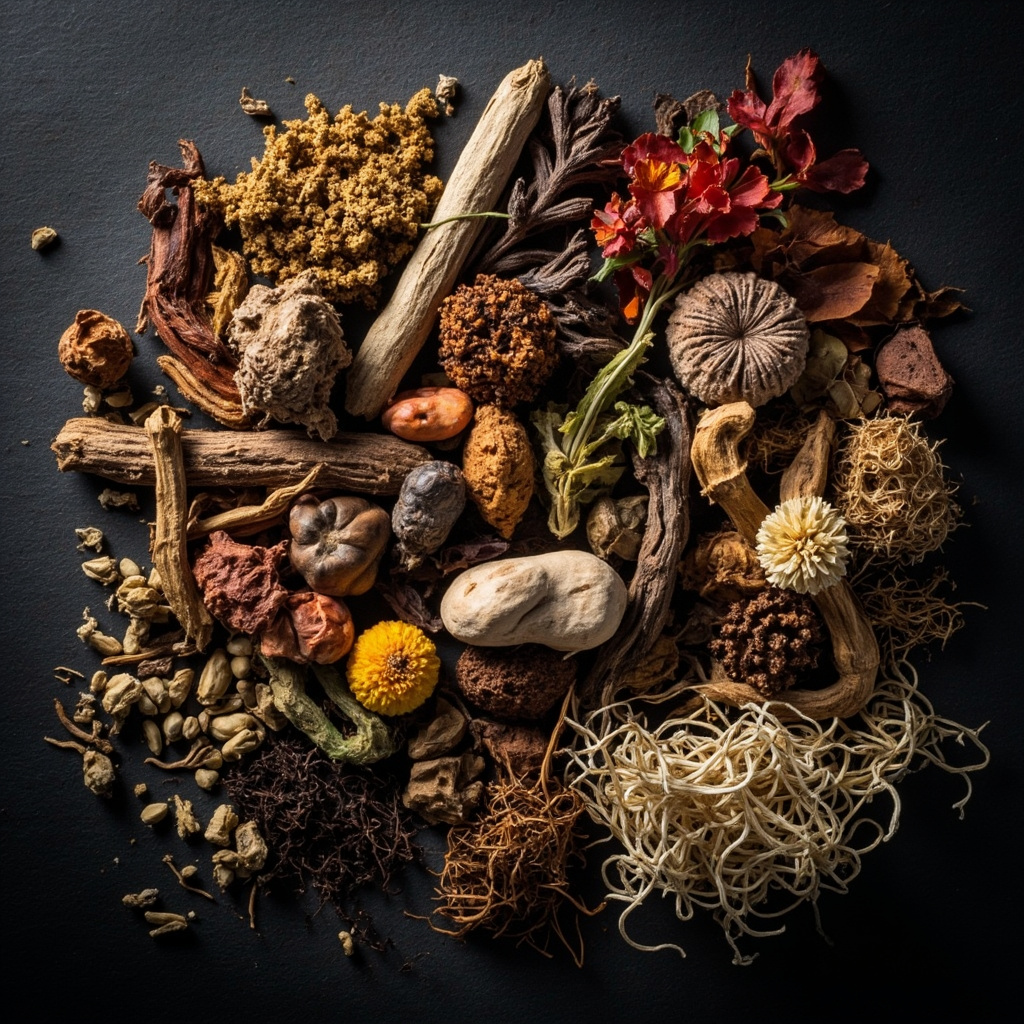
The most extensively documented benefit of incense is stress reduction. Multiple peer-reviewed studies have examined the effects of incense burning on cortisol (the primary stress hormone) and self-reported anxiety levels.
A 2017 study published in the Journal of Acute Disease found that burning agarwood (Aquilaria) smoke significantly reduced anxiety behaviors in animal models, with researchers attributing the effect to sesquiterpene compounds that interact with GABA receptors in the brain — the same receptors targeted by anti-anxiety medications. A 2011 study in the Journal of Health Research documented reduced cortisol levels and improved mood states among human participants exposed to sandalwood fragrance for 30 minutes.
In the Chinese tradition, this is understood as incense “calming the shen” (神) — the spirit or consciousness housed in the heart, which agitates during stress and anxiety. The fragrance, applied consistently, is said to settle the shen, returning emotional equilibrium.
Best incenses for stress and anxiety: Sandalwood, agarwood, benzoin, spikenard, lotus
Sleep Support
Burning incense before or during sleep preparation is one of the oldest wellness applications of fragrance in Chinese tradition. The classical medical text Recipes for Fifty-Two Diseases (《五十二病方》, 3rd century BCE) prescribes fragrant smoke for insomnia, citing “restless heart spirit” as the underlying mechanism.
Modern research supports this application. Linalool and santalol compounds — found in high concentrations in sandalwood — have been shown to interact with GABA receptors and reduce sleep latency (the time it takes to fall asleep). A 2022 study in Frontiers in Psychology found that participants exposed to woodsmoke fragrance (including sandalwood analogs) reported significantly faster sleep onset and improved sleep quality compared to unscented control conditions.
Best incenses for sleep: Sandalwood (especially Indian Mysore grade), valerian, chamomile, lavender, deep benzoin blends. Burning time: 20–30 minutes before bed in a well-ventilated bedroom, extinguished before sleep.
Respiratory Health
Traditional Chinese medicine has long used incense for respiratory conditions — not as a primary treatment, but as a support therapy. Certain incense materials have documented expectorant, bronchodilating, and antimicrobial properties.
Eucalyptus and menthol-rich incenses (including Bo He, 薄荷) act as decongestants and mild bronchodilators. Burning these materials in a steamy bathroom during cold or flu provides temporary respiratory relief.
Antimicrobial effects: Studies have found that burning certain natural incense materials — including frankincense, myrrh, and cinnamon — reduces airborne bacterial counts in enclosed spaces. This was well understood in pre-modern China: burning incense in sickrooms was a standard hygiene practice.
Caution: Any smoke, including incense smoke, can irritate sensitive respiratory tissue. Those with asthma, COPD, or smoke sensitivities should use electric incense heaters rather than combustion-based methods, and should select low-smoke formulations.
Mental Clarity and Cognitive Function
The Chinese concept of “opening the orifices” — 清窍 — describes the use of aromatic materials to sharpen mental clarity, improve focus, and restore cognitive function during fatigue or mental fog. The mechanism, understood in TCM as aromatic herbs “rising to clear the head,” corresponds in modern terms to increased alertness and improved information processing speed.
Peppermint (Bo He) is the primary example: its sharp, cool menthol fragrance is classified in TCM as “raising yang” — it increases alertness and focus. Studies in cognitive psychology have confirmed that peppermint aroma reduces mental fatigue and improves accuracy in attention-based tasks.
Sandalwood, conversely, is “grounding” rather than raising — it improves focus through calm rather than stimulation. For tasks requiring sustained concentration rather than alertness, sandalwood’s steady warmth is more effective than peppermint’s sharp lift.
Best incenses for focus: Peppermint (Bo He) for alertness; sandalwood for calm focus; cedarwood for grounding during analytical work
Best incenses for memory: Rosemary (not traditional Chinese but widely used globally for memory support), sandalwood for memory encoding during study
Pain Management and Anti-Inflammatory Effects
Traditional Chinese medicine attributes analgesic properties to certain incense materials. Frankincense (乳香, Ruxiang) and myrrh (没药, Moyao) are among the most documented — both are listed in the Shennong Bencao Jing as materials that “invigorate blood, dispel swelling, and relieve pain.”
Modern research has identified boswellic acids in frankincense as potent anti-inflammatory compounds that inhibit the 5-lipoxygenase enzyme — the same mechanism targeted by some prescription anti-inflammatory medications. Myrrh contains Commiphora compounds with documented analgesic effects in animal studies.
In practice, burning frankincense resin on charcoal during headache, menstrual cramps, or joint pain provides temporary symptomatic support for some individuals. It is not a cure, but a comfort measure — consistent with how TCM has always positioned aromatic therapy (as a complement to, not replacement for, primary treatment).
Immune Support and Room Purification
The practice of burning incense during illness — documented in Chinese medical texts for at least two millennia — has a rational basis in the antimicrobial properties of certain smoke compounds.
Studies of traditional Tibetan and Nepalese incense practices found significant reductions in airborne Staphylococcus, Streptococcus, and Escherichia coli bacteria following 30 minutes of continuous incense burning. The effect was attributed to the aldehydes, phenols, and terpenes released during combustion — compounds with documented antimicrobial activity.
While incense burning is not a substitute for mechanical air filtration or ventilation, it does reduce the microbial load in enclosed spaces, particularly when combined with adequate ventilation.
Emotional and Spiritual Wellness
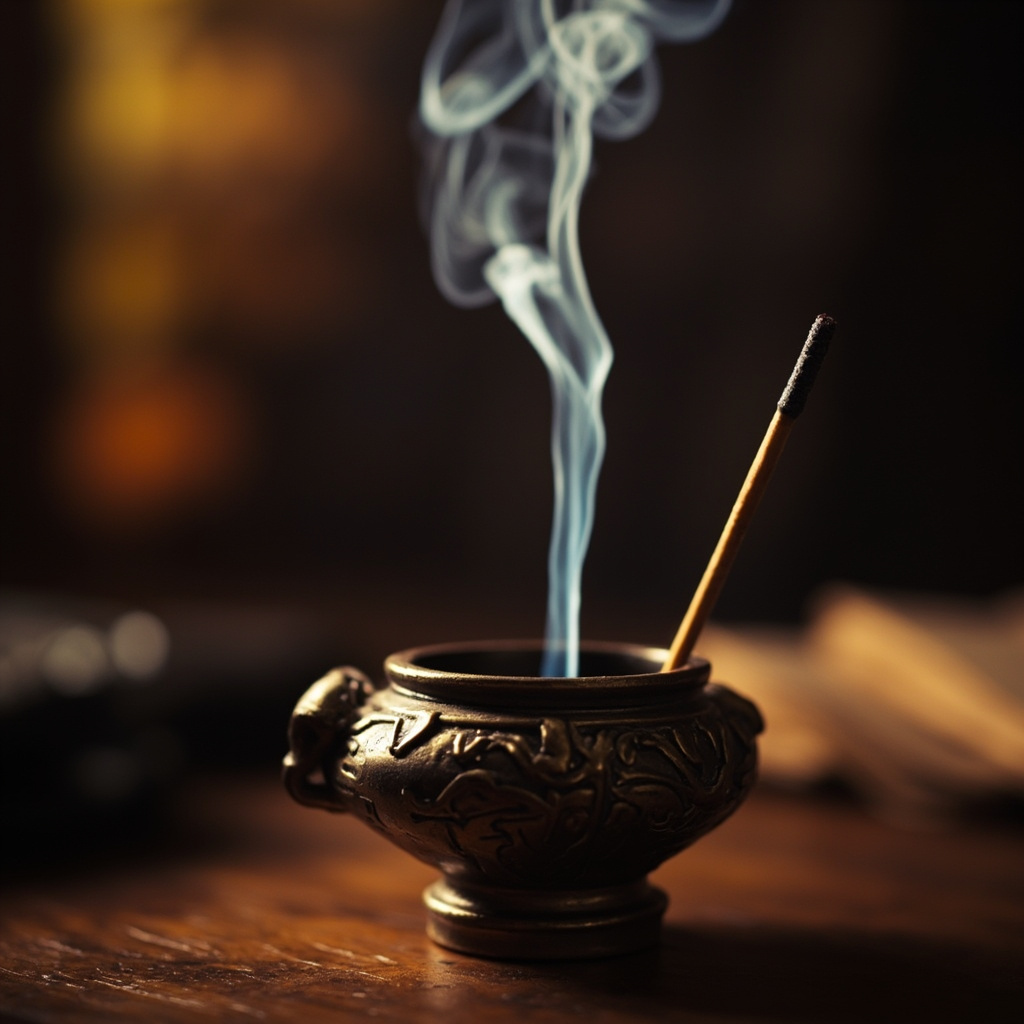
Beyond physiological effects, Chinese incense practice has a profound emotional and spiritual dimension that defies easy quantification. The act of burning incense — the attention to lighting, the watching of smoke, the intentional pause before inhalation — is itself a contemplative practice. In this sense, incense functions less as a pharmaceutical and more as a ritual technology: a set of physical actions that structure attention and create conditions for emotional processing.
Clinical observation and thousands of years of practice testimony suggest that regular incense practice is associated with:
- Greater emotional regulation and resilience
- Improved sleep quality and morning alertness
- Reduced experience of chronic low-grade anxiety
- Increased sense of intentionality and purpose in daily life
Whether these effects are attributable to the aromatic compounds, the ritual structure, or the combination of both remains an open question — but the association is robust.
Safety Considerations
While natural incense burned in ventilated spaces is generally considered safe, certain precautions apply:
- Choose pure botanical incenses over synthetic fragrance products, which may contain petroleum-based compounds that release harmful chemicals when burned
- Ensure adequate ventilation — a cracked window is sufficient for normal use
- Those with respiratory conditions should use electric incense heaters rather than charcoal burning
- Pregnant women should exercise caution with strong resin incenses and should consult a healthcare provider
- Never leave burning incense unattended and ensure it is fully extinguished before leaving the room
Frequently Asked Questions
Is burning incense indoors bad for your lungs?
Natural botanical incense, burned in a well-ventilated space, is considered safe for most people. The key distinction is between natural incense (made from real plant materials) and synthetic incense sticks (made from petroleum-based fragrance compounds with additives). Natural incense produces less harmful particulate matter. However, any smoke inhalation carries some risk; those with respiratory conditions should use electric incense heaters with essential oils or fragrance-free diffusers.
How long should I burn incense for wellness benefits?
For mood and stress benefits, 20–30 minutes in a well-ventilated room is sufficient. For sleep support, burn for 20–30 minutes before bed, then extinguish. For respiratory purposes, 15–20 minutes in a steamy bathroom during cold symptoms. Burning incense for longer periods does not increase benefits proportionally — after the aromatic compounds have saturated the space, additional burning produces diminishing returns.
Which incense is best for anxiety?
Sandalwood and agarwood are the most consistently recommended for anxiety. Research on santalol (sandalwood’s primary active compound) shows it reduces anxiety markers in both animal and human studies. For acute anxiety, benzoin provides warmth and comfort. Avoid sharp, stimulating scents like pure menthol or heavy camphor for anxiety — they can increase alertness to the point of discomfort.
Can incense help with depression?
While incense is not a treatment for clinical depression, regular incense practice is associated with improved mood and reduced mild depressive symptoms. This may be attributable to the ritual structure (which creates intentional pause in the day), the limbic system effects of aromatic compounds, and the social dimension of incense practice in many cultures. Those experiencing clinical depression should seek professional support.
Does the type of incense holder matter?
The holder itself doesn’t affect the fragrance, but it does affect safety and smoke dispersal. Wide-mouthed ceramic holders catch ash and reduce the risk of ember spillage. Holders that elevate the incense slightly allow better airflow and more even burning. For wellness use in bedrooms, a closed or semi-closed electric incense heater is preferable to an open charcoal burner.
Related Articles