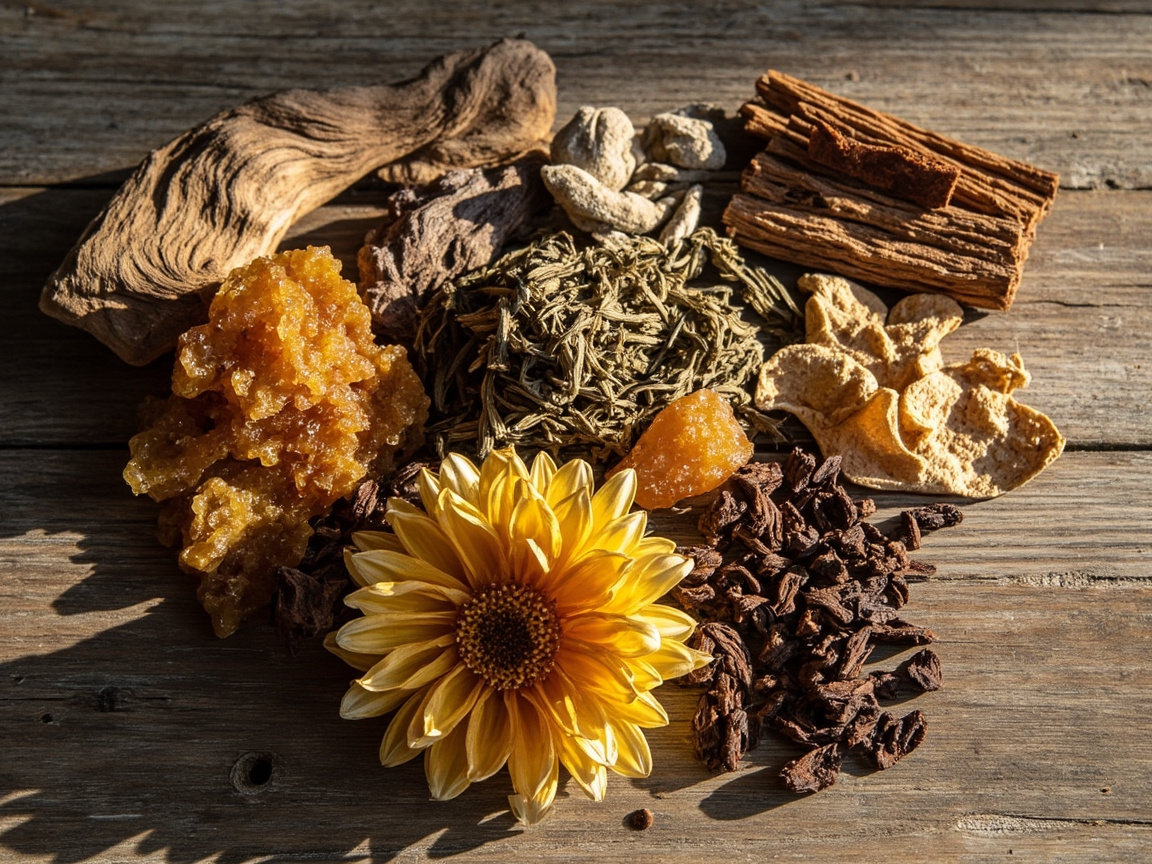
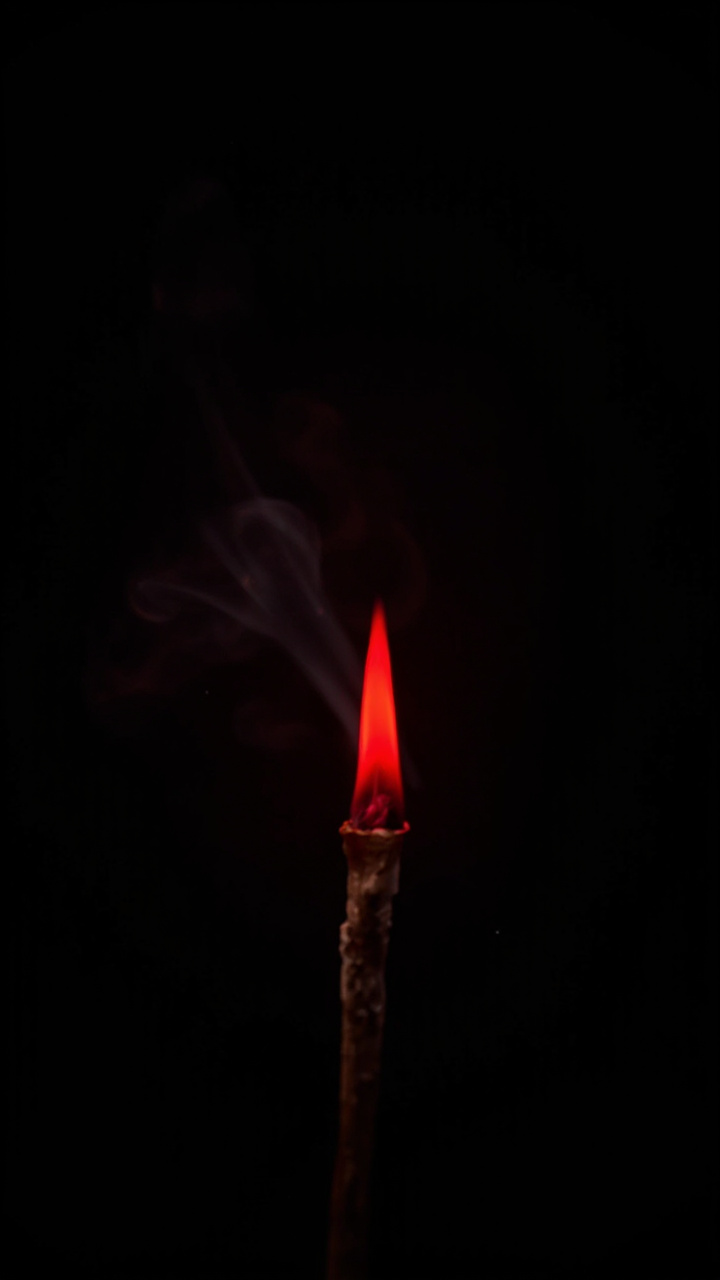
In Chinese medicine, 苍术 (Cang Zhu) is used to dry dampness and strengthen the spleen. In incense culture, it is used for something more specific: creating an atmosphere of clarity,… Read more »
You have seen it in church. You have seen it in the hands of ancient Egyptian priests. You have seen it in the Quran, where it is named as one… Read more »
It smells like vanilla. Warm. Comforting. The kind of smell that makes you want to sit down and slow down. Benzoin — 安息香 (Anxixiang) in Chinese — is one of… Read more »
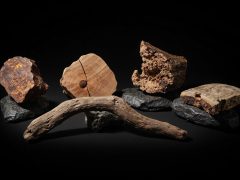
You hold a piece of something dark, almost black, with lighter veins running through it. It weighs almost nothing. You bring it close to your nose and inhale — and… Read more »
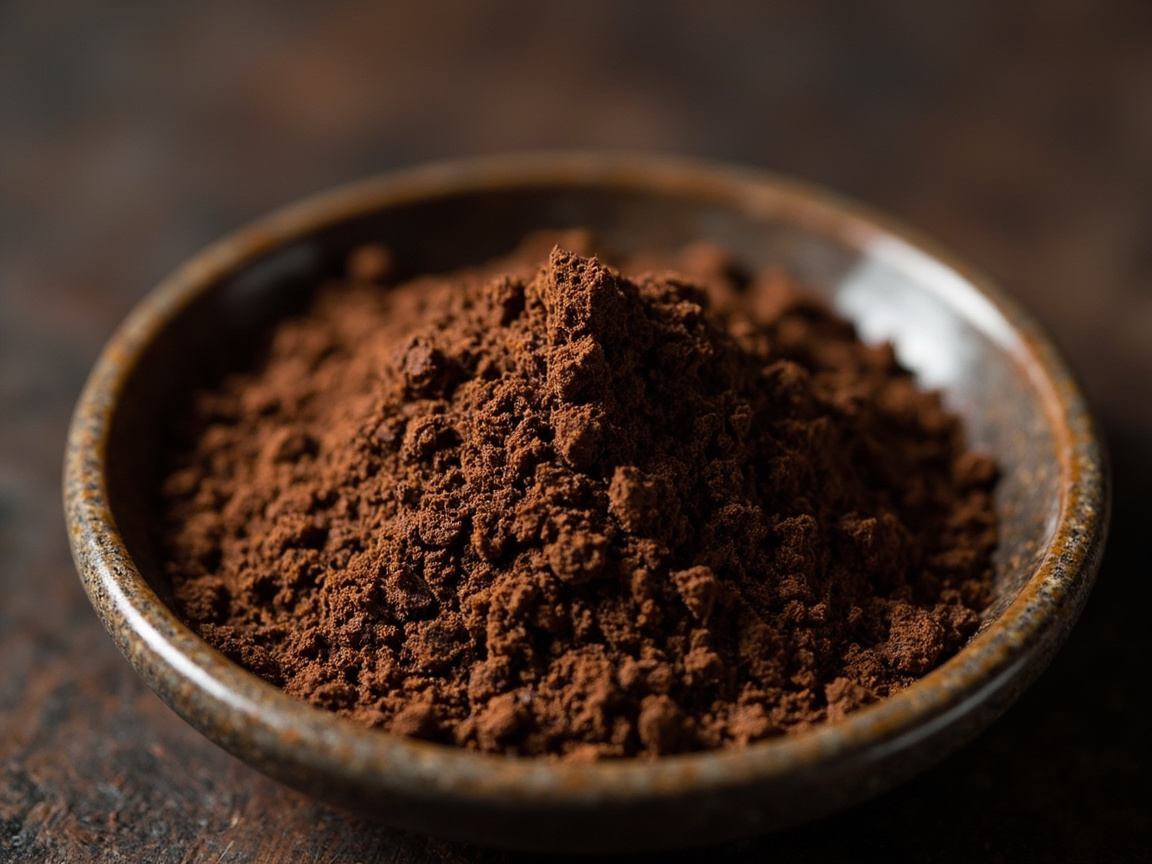
Before there were sticks, before there were coils, before there were censers — there was powder. 香粉, incense powder, is the oldest human incense technology. The earliest evidence of incense… Read more »
Before people carried smartphones, they carried fragrance. Not spray bottles — cloth sachets, silk pouches, small carved objects hung from belts. This is wearable incense, and it is one of… Read more »
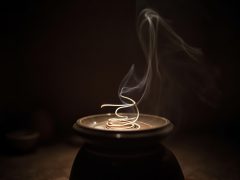
You have seen them — the flat spiral shapes that look like mosquito coils. Maybe you have walked into a temple in Asia and the air was thick with slow-burning… Read more »
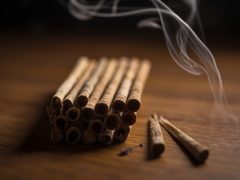
You walk into a shop or browse online. You see thin sticks, thick sticks, sticks with bamboo cores, sticks without bamboo. Everything is labeled “premium incense.” You have no idea… Read more »
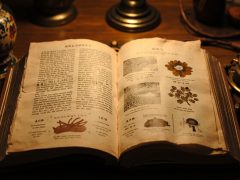
Twenty-eight volumes. Thirty years of work. One man who couldn’t sleep without incense burning next to his pillow. That’s the story of Zhou Jiazhou, the Ming Dynasty scholar who compiled… Read more »
You spend $300 on a piece of “沉香”. Back home, you look closer. Something feels wrong. The weight. The smell. You can’t quite place it—but you suspect you got played…. Read more »