Angelica (Baizhi): The Sharp, Clearing Herb in Chinese Incense
There is a smell that most Chinese people recognize immediately, even if they cannot name it. It comes from a plant that grows wild across the mountains of Sichuan, Yunnan,… Read more »
There is a smell that most Chinese people recognize immediately, even if they cannot name it. It comes from a plant that grows wild across the mountains of Sichuan, Yunnan,… Read more »
In the high Himalayas, above 3,000 meters, where the air is thin and the winters are long, there grows a small plant with gnarled, dark roots that smell like nothing… Read more »
There is a smell that arrives in Chinese gardens in late autumn. It comes from a small tree with clusters of tiny orange-yellow flowers so fragrant that the scent carries… Read more »
It is one of the most controversial ingredients in the world of fragrance. For thousands of years, it was worth more than its weight in gold. Today it is synthesized… Read more »
You buy a stick of pure sandalwood. It smells nice. Then you buy a blended incense — sandalwood plus agarwood plus benzoin plus a touch of something floral — and… Read more »

It washes up on a beach somewhere. It has been in the ocean for decades, sometimes centuries. It smells like nothing you have ever encountered — a strange, warm, animalic… Read more »
You see it in stable barns in winter. You see it in the hands of African healers. You see it in the Bible — one of the gifts for the… Read more »
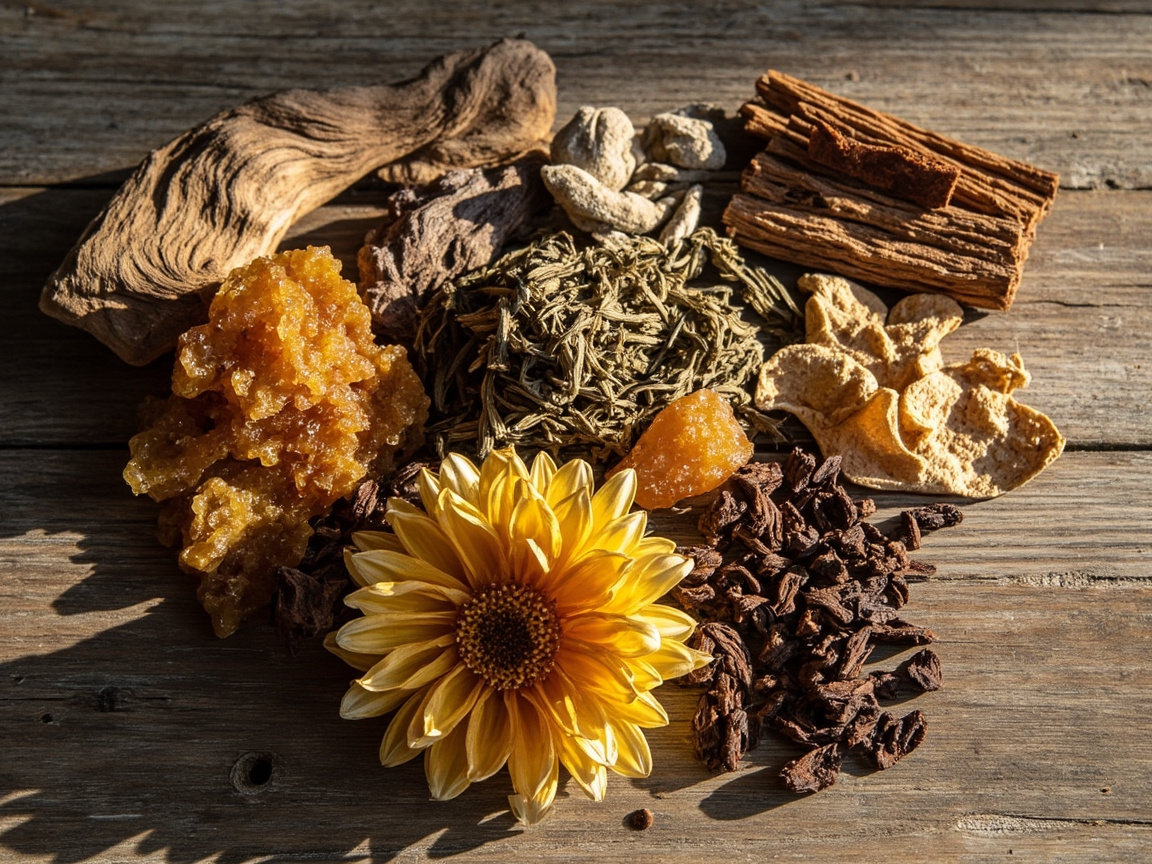
Cardamom — 豆蔻 (Doukou) in Chinese — is one of the most versatile spices in the world. It is also one of the oldest incense materials. In India, it has… Read more »
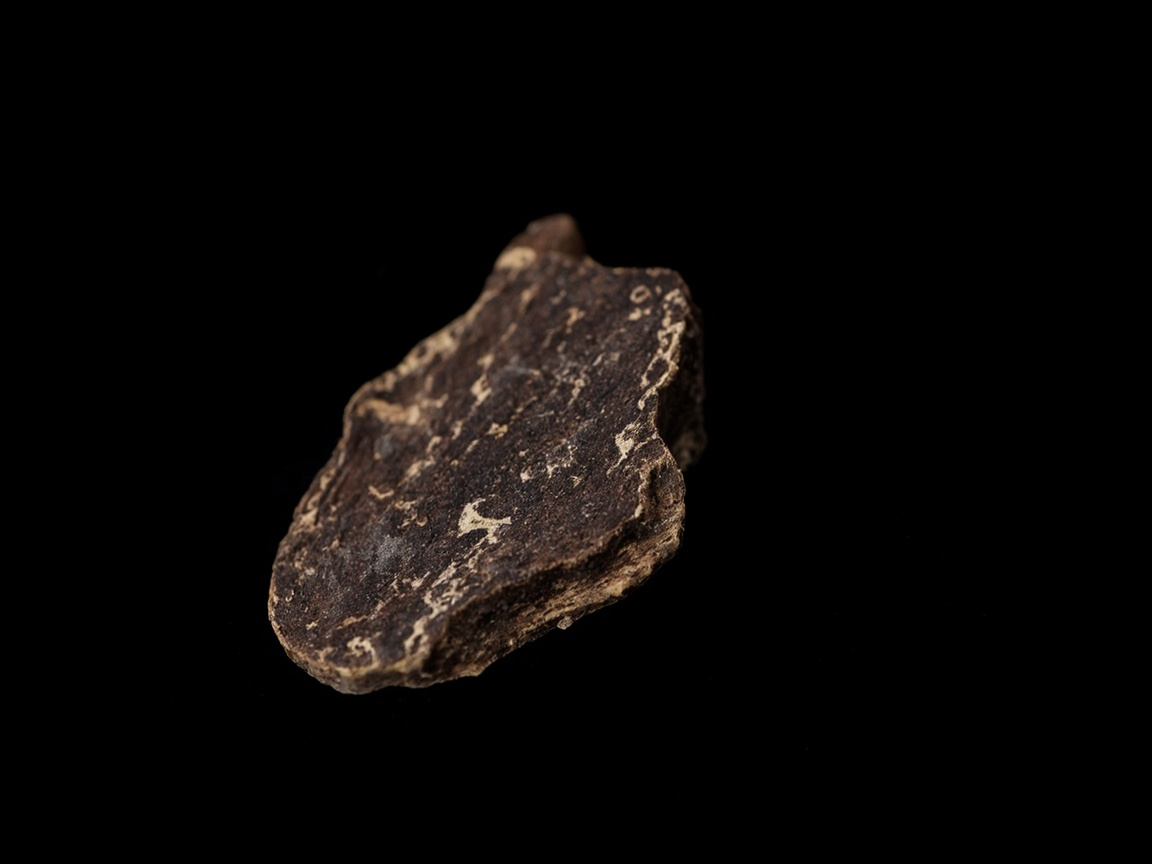
You have burned it. You have definitely burned sandalwood — even if you did not know what it was called at the time. That warm, creamy, slightly sweet smell that… Read more »
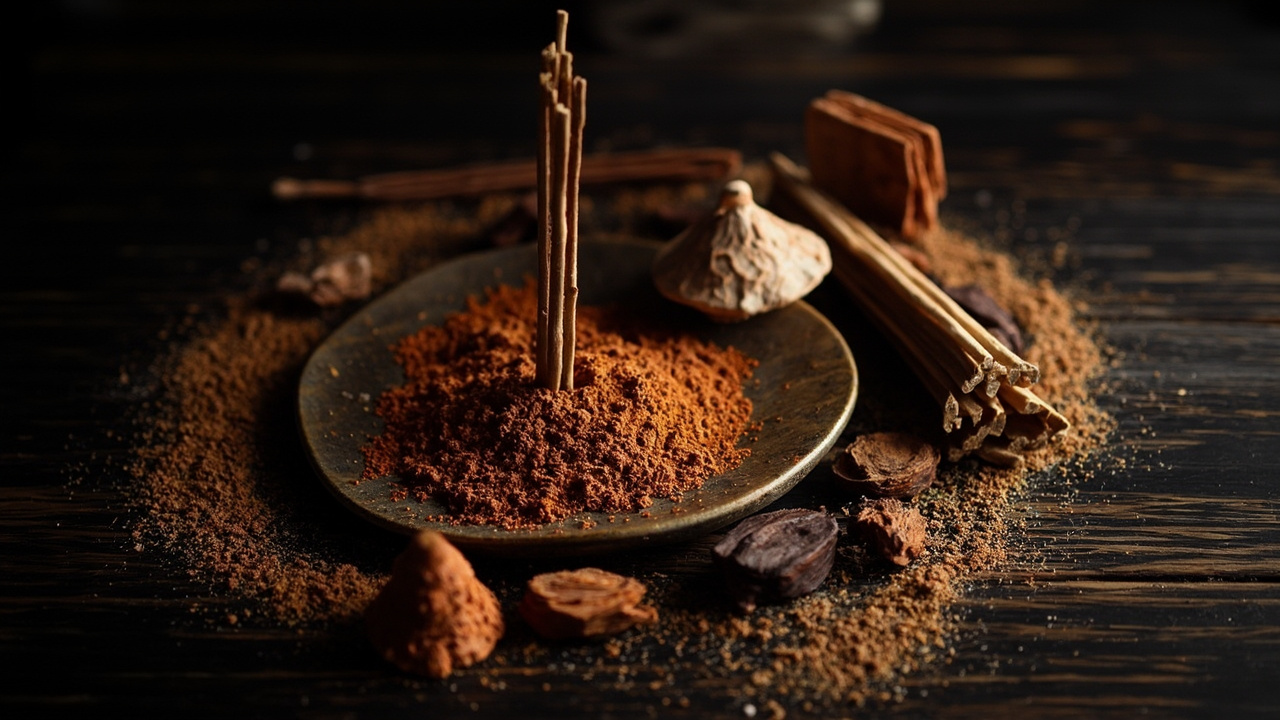
Among Chinese incense practitioners, there is a quiet debate that has been going on for centuries: which material deserves to be called the “second agarwood”? Some say 降真香 (Jiangzhen). Others… Read more »