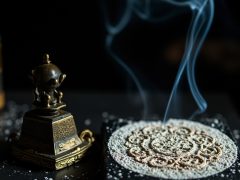
Buddhist Incense: The Five Parts Dharma Body and Ceremonial Offerings
In Buddhist practice, incense is not optional. It is not decoration. It is not ambiance. It is a direct path to the five wisdom fields — and burning the wrong… Read more »
In Buddhist practice, incense is not optional. It is not decoration. It is not ambiance. It is a direct path to the five wisdom fields — and burning the wrong… Read more »
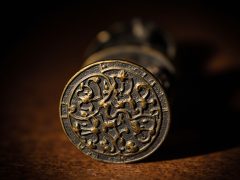
The first time I saw someone burn a 香篆 (xiangzhuān, seal incense), I did not understand what I was watching. A metal mold pressed into fine powder. A pattern emerged…. Read more »
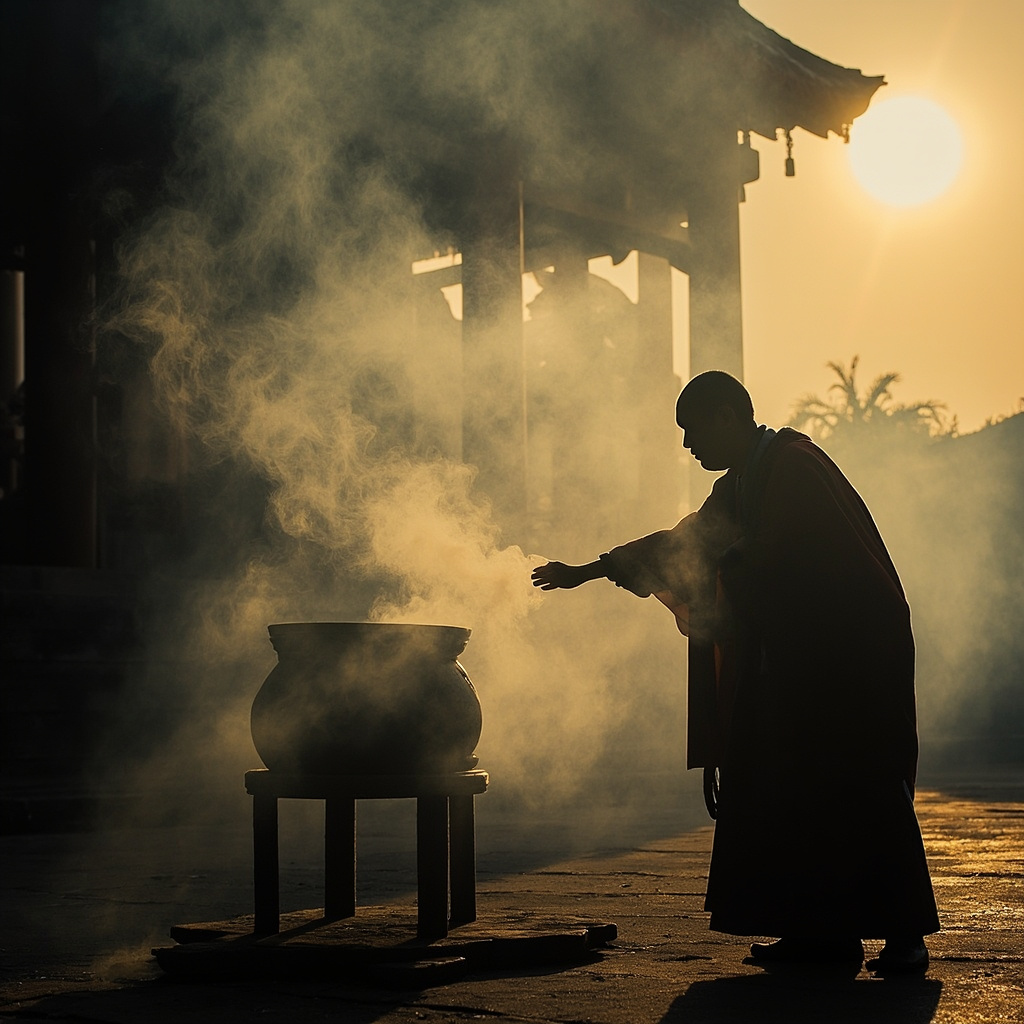
The first time I watched a master incense maker in a small Beijing workshop, I realized something. Incense making is not just mixing powders. It is a conversation between you… Read more »
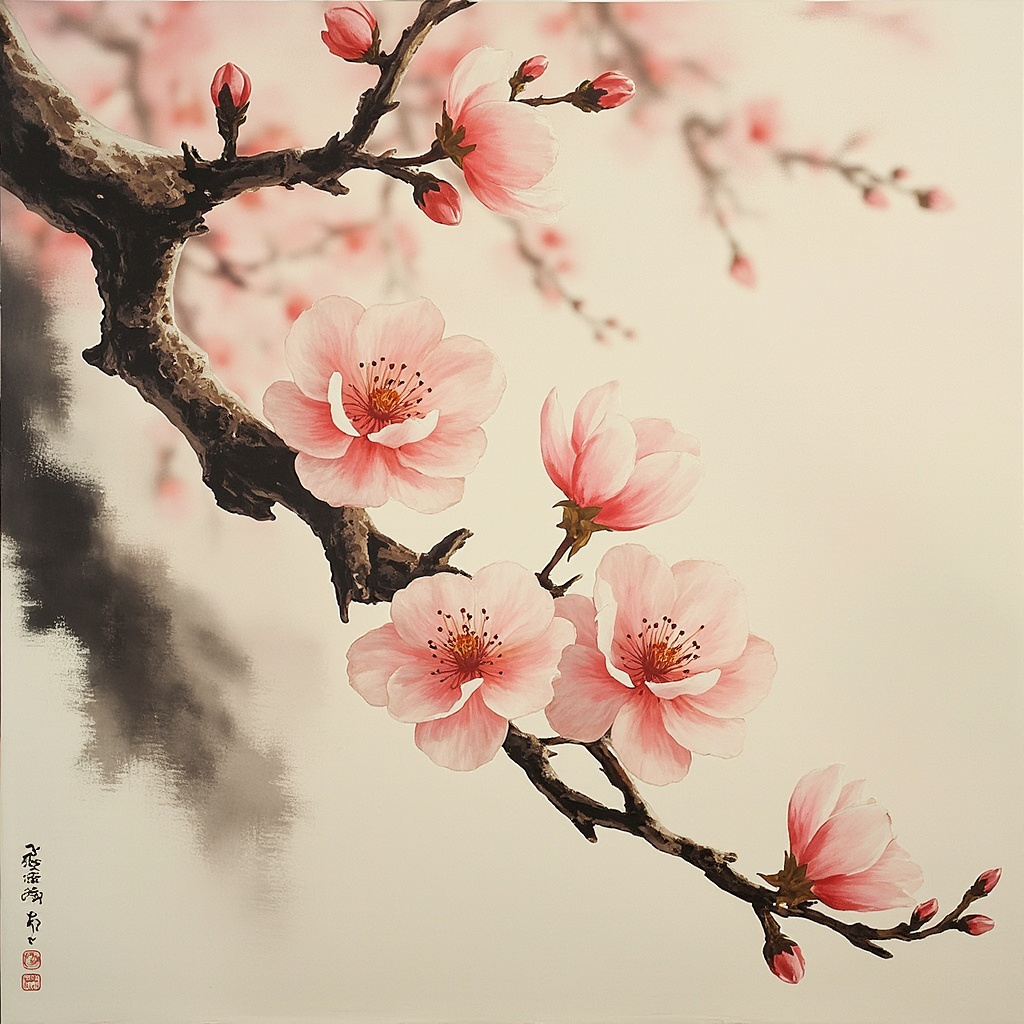
In Chinese culture, no flower carries more symbolic weight than the plum blossom. Known as meihua, it blooms in winter when nothing else dares to flower, earning it a place… Read more »
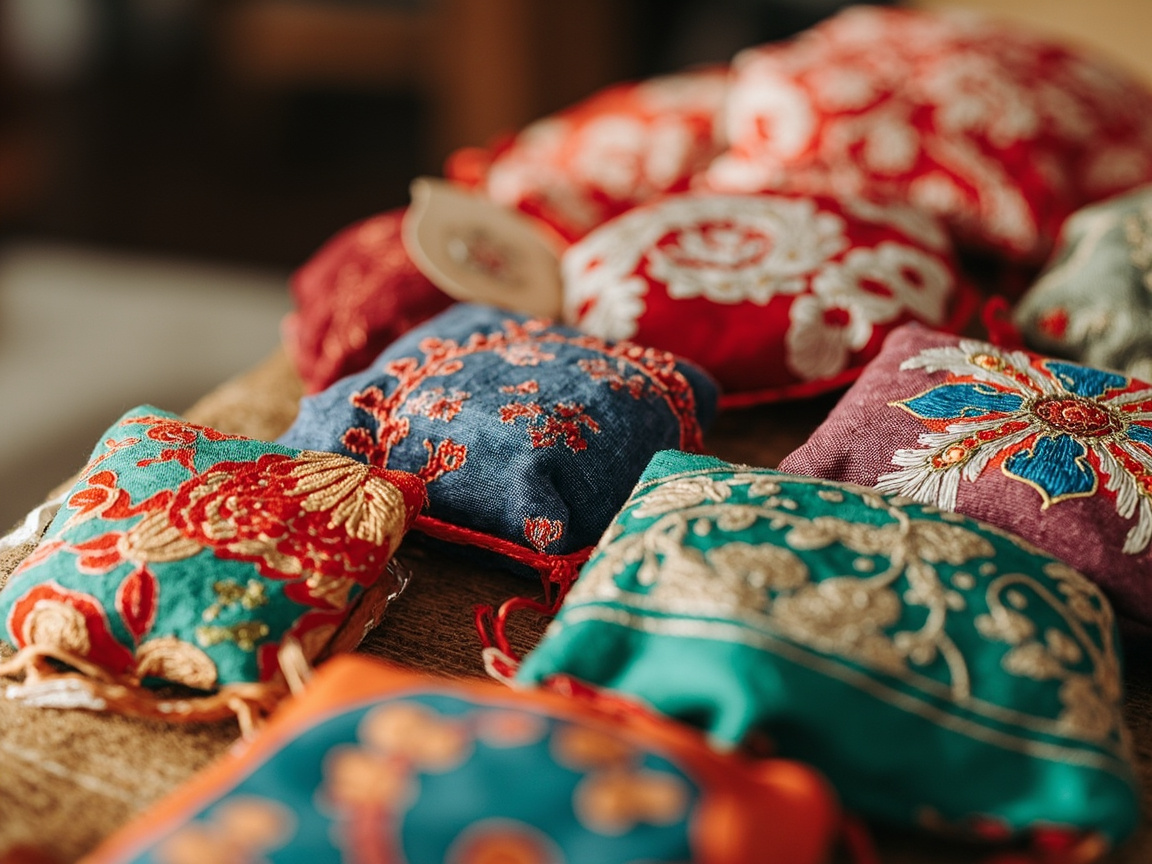
Not all Chinese incense requires burning. For thousands of years, Chinese practitioners have used aromatic materials without flame – in sachets, simmering pots, perfumes, and decorative forms. Non-burn incense is… Read more »
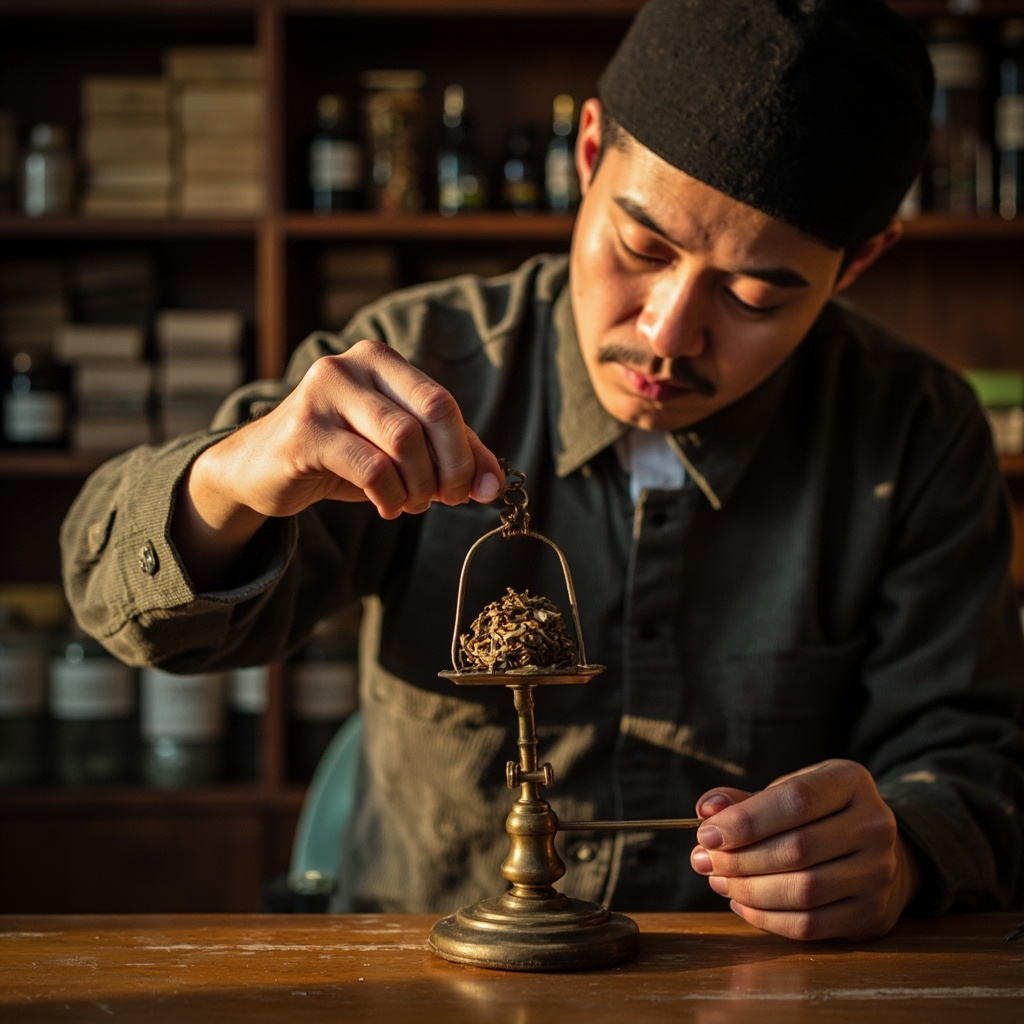
Beyond sticks, coils, and powders, traditional Chinese incense includes some unusual forms that modern practitioners rarely encounter. Incense paste and gel represent the intersection of incense and traditional medicine –… Read more »
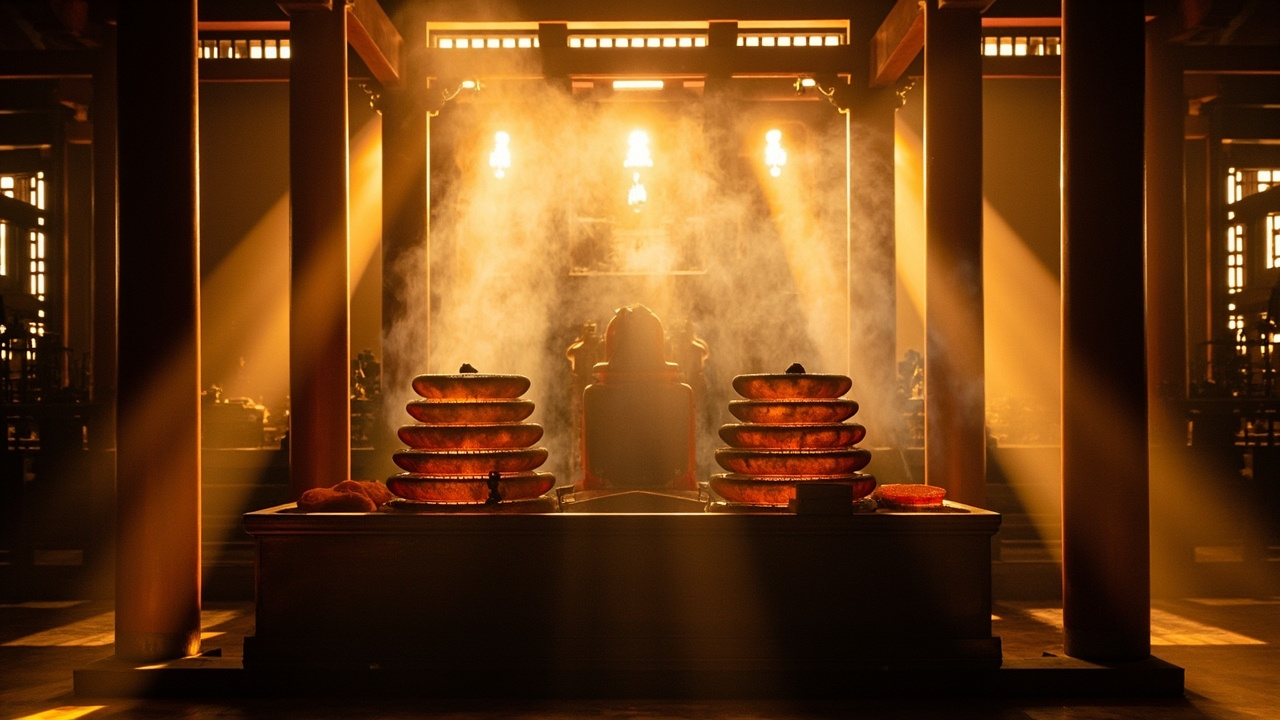
When most people think of incense, they think of sticks. But traditional Chinese incense comes in a remarkable variety of forms – including cones and towers. These formats are designed… Read more »
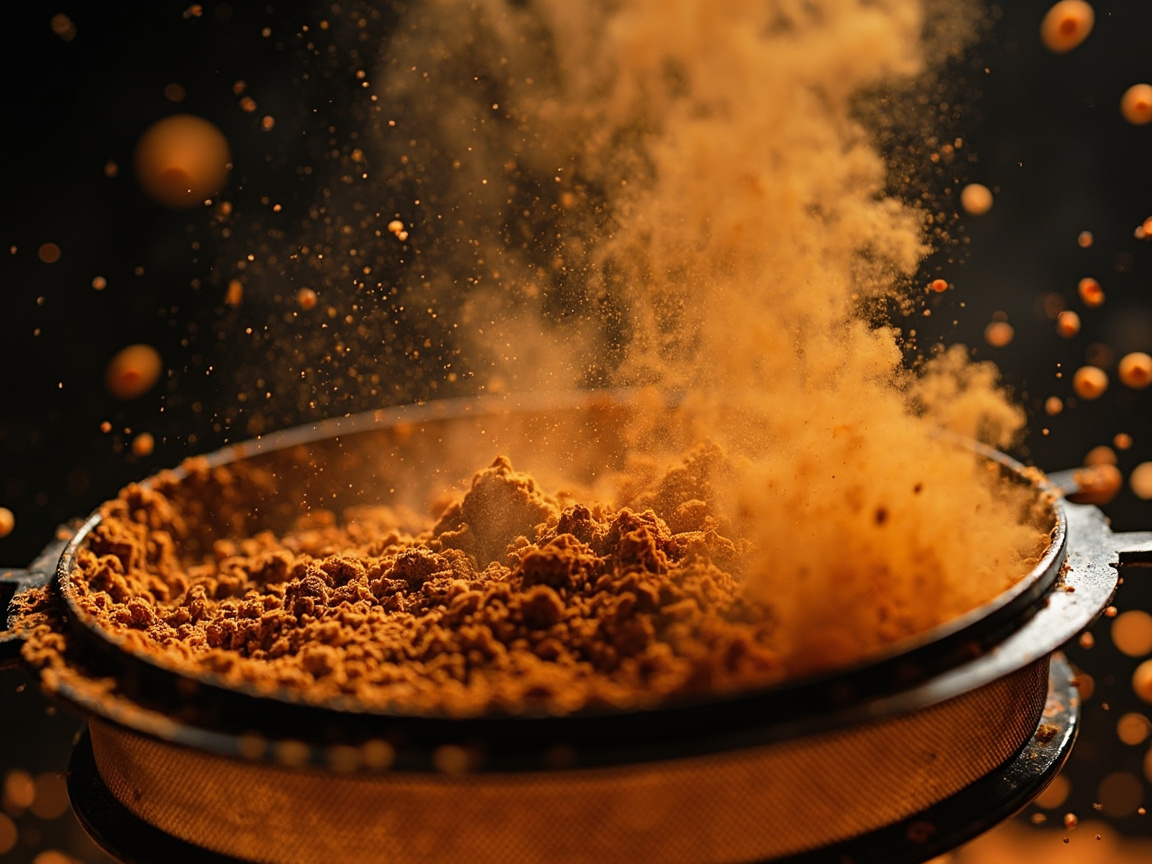
Beyond sticks and coils, traditional Chinese incense comes in forms that most Western practitioners never encounter: compressed pellets, honey pills, and molded cakes. These formats are the foundation of classical… Read more »
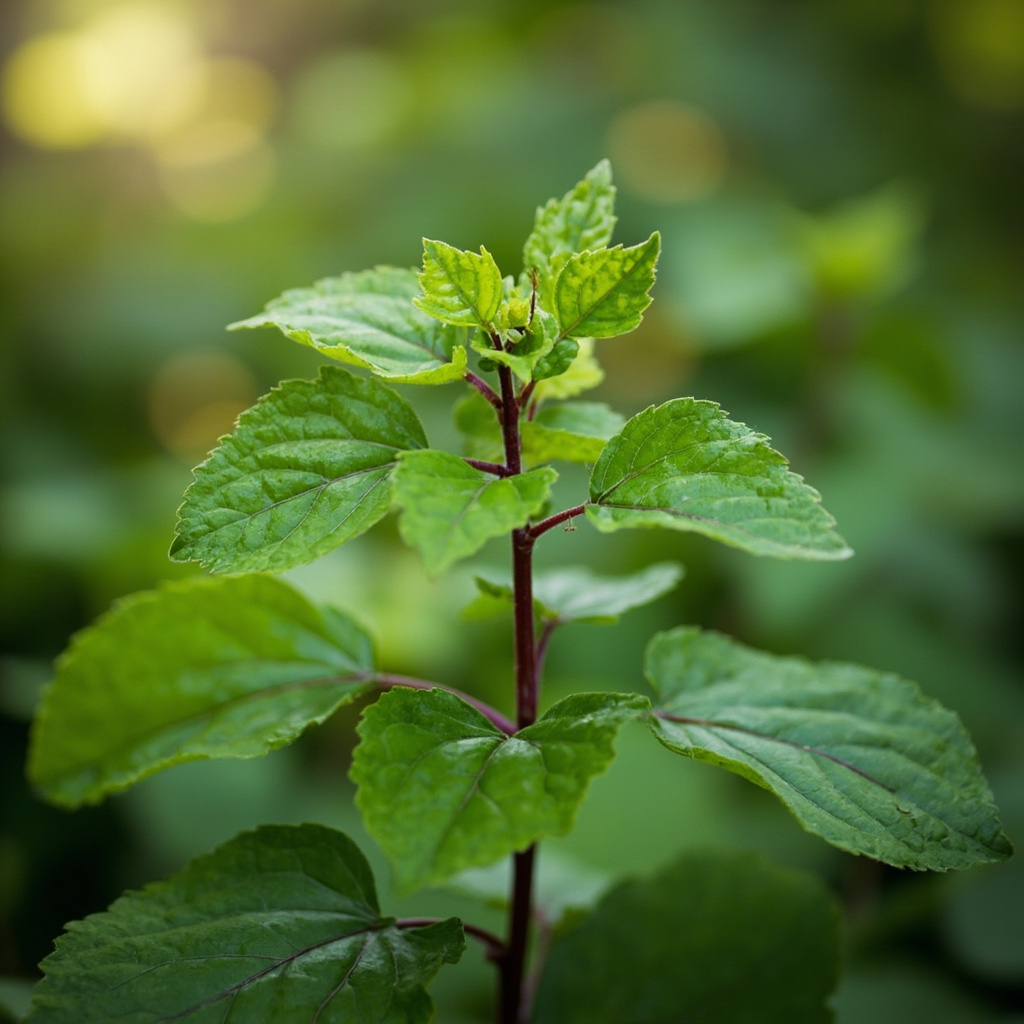
Open a bottle of almost any Western perfume and there is a good chance you will encounter patchouli. It is one of the most recognizable ingredients in modern perfumery –… Read more »
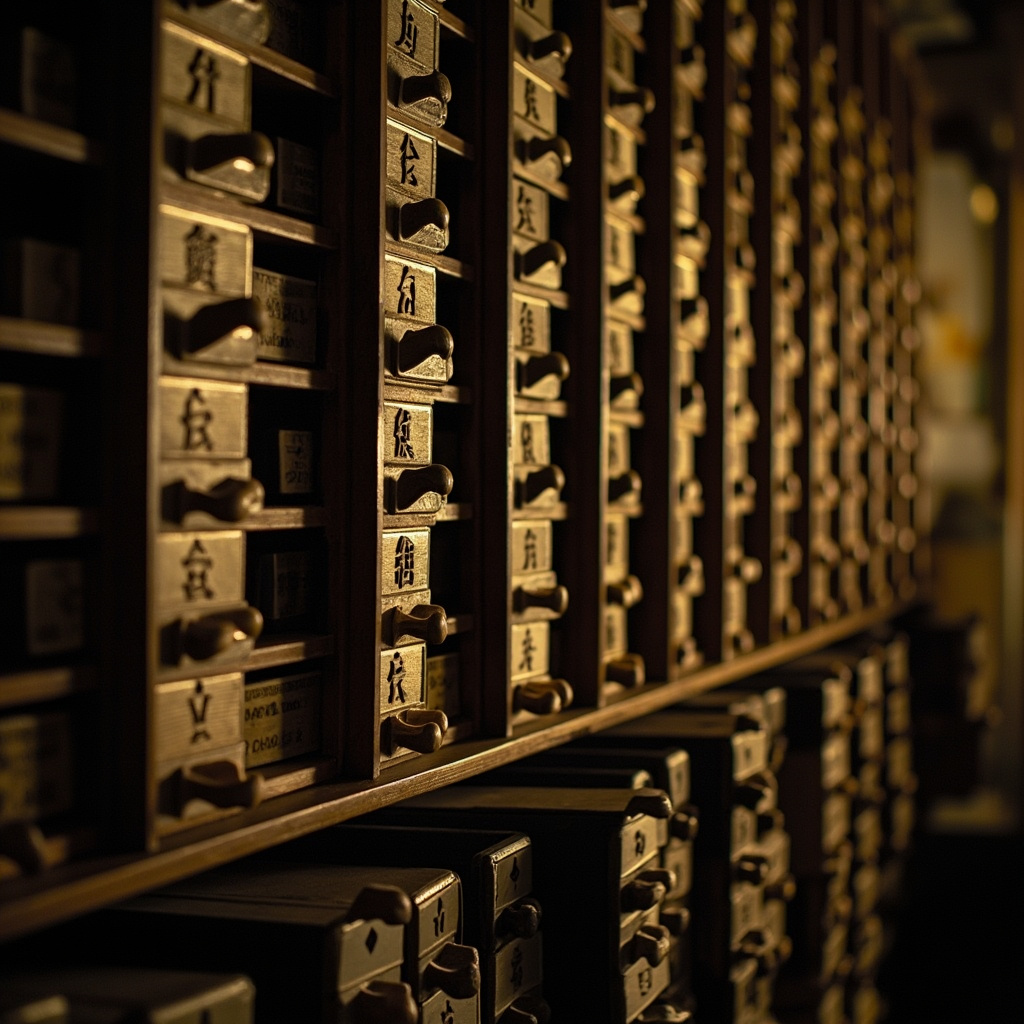
There is a smell that most Chinese people recognize immediately, even if they cannot name it. It comes from a plant that grows wild across the mountains of Sichuan, Yunnan,… Read more »