Why Start with a Budget-Friendly Kit?
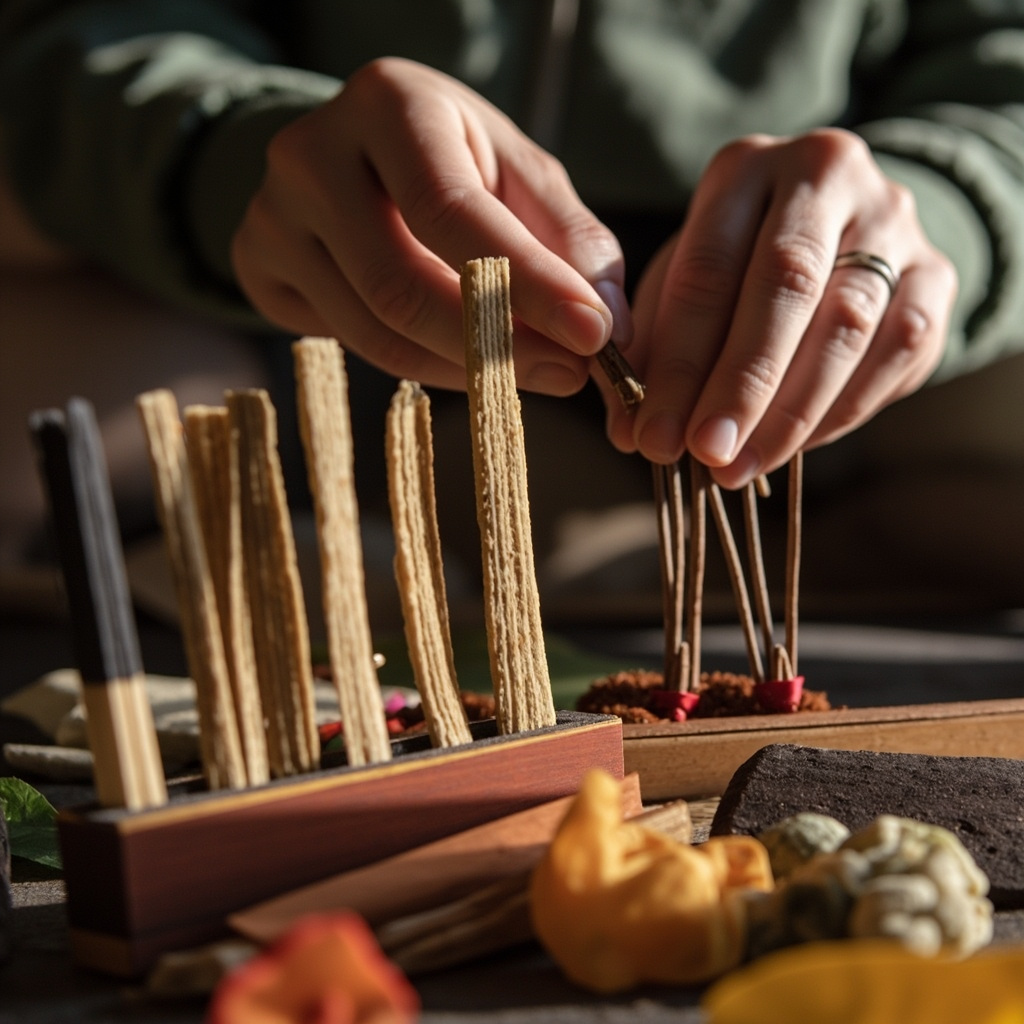
Many newcomers make the mistake of buying expensive incense before they know what they actually like. You might love sandalwood initially, then discover you prefer floral or herbal scents. Starting with an affordable kit lets you experiment without waste.
Chinese incense has a learning curve. The textures, burn times, and aromas vary wildly between types. A budget approach lets you explore these differences without regret.
The good news: you can build a solid starter collection for under $50 that will serve you well for months.
Essential Items for Your First Incense Kit
The Burner
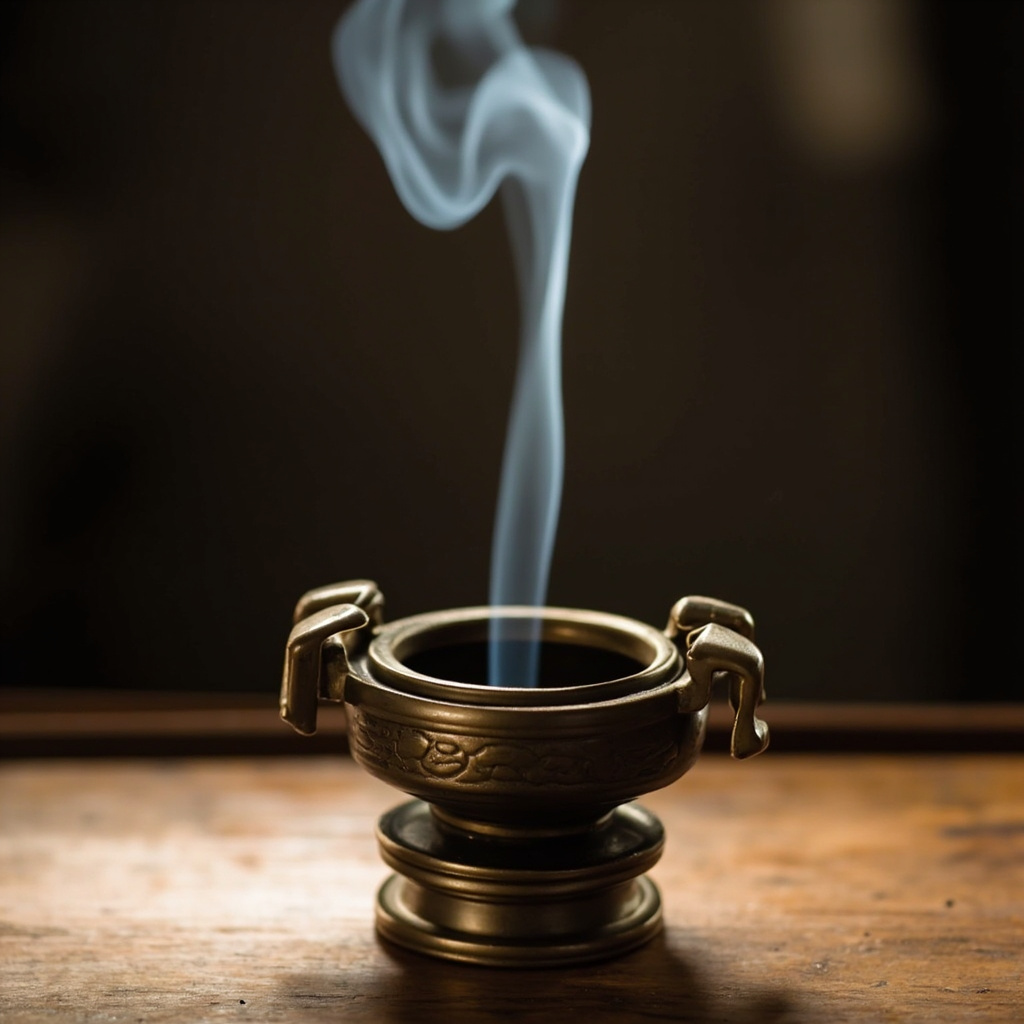
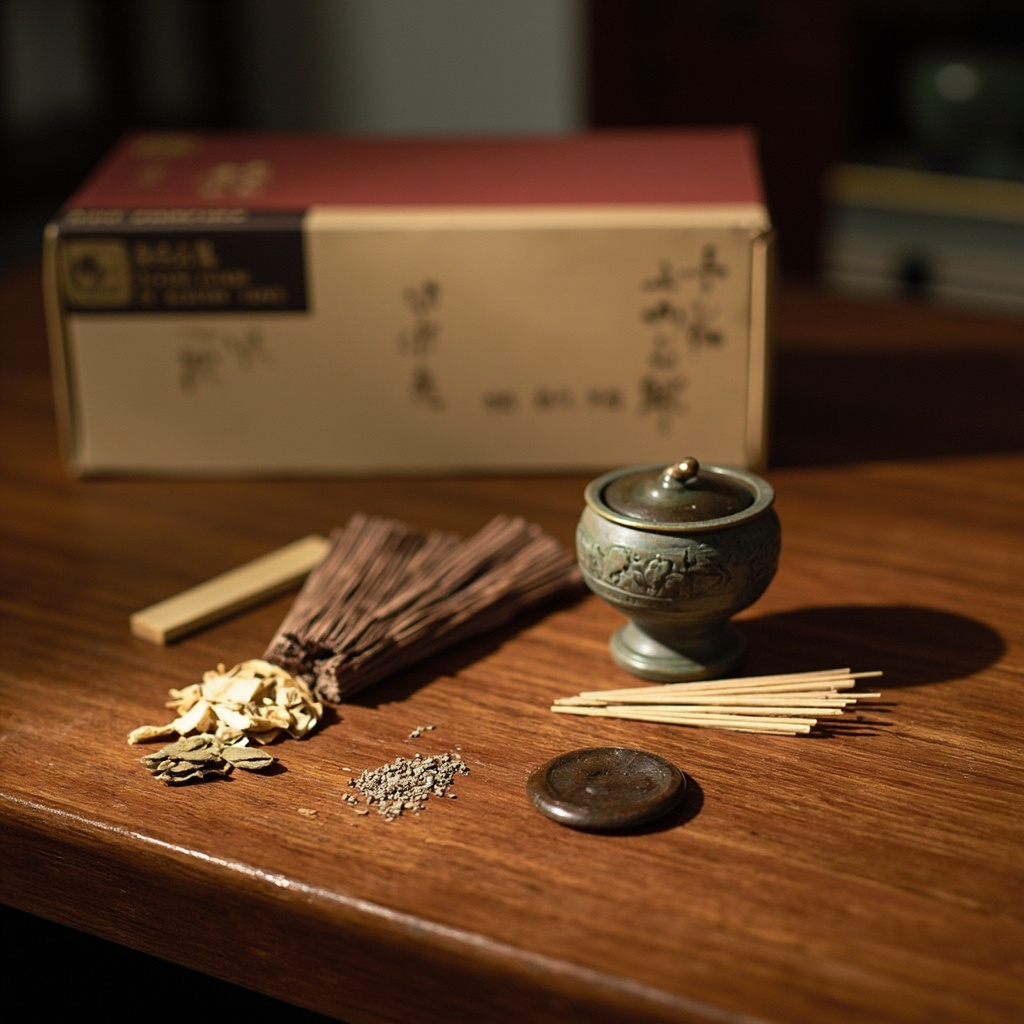
Your burner choice matters more than most beginners realize. For starting out, avoid expensive collectors’ pieces. A simple ceramic bowl or small bronze censer works perfectly.
Good budget options include:
- Mini ceramic bowl burners ($8-15): Simple, effective, easy to clean
- Small bronze censers ($12-20): Traditional look, durable, heat-resistant
- Mesh or tray-style burners ($5-10): Modern, safe, great for beginners
The key is finding something with a small enough bowl to hold ash without tipping, and enough airflow to keep incense burning evenly.
The Incense Sticks
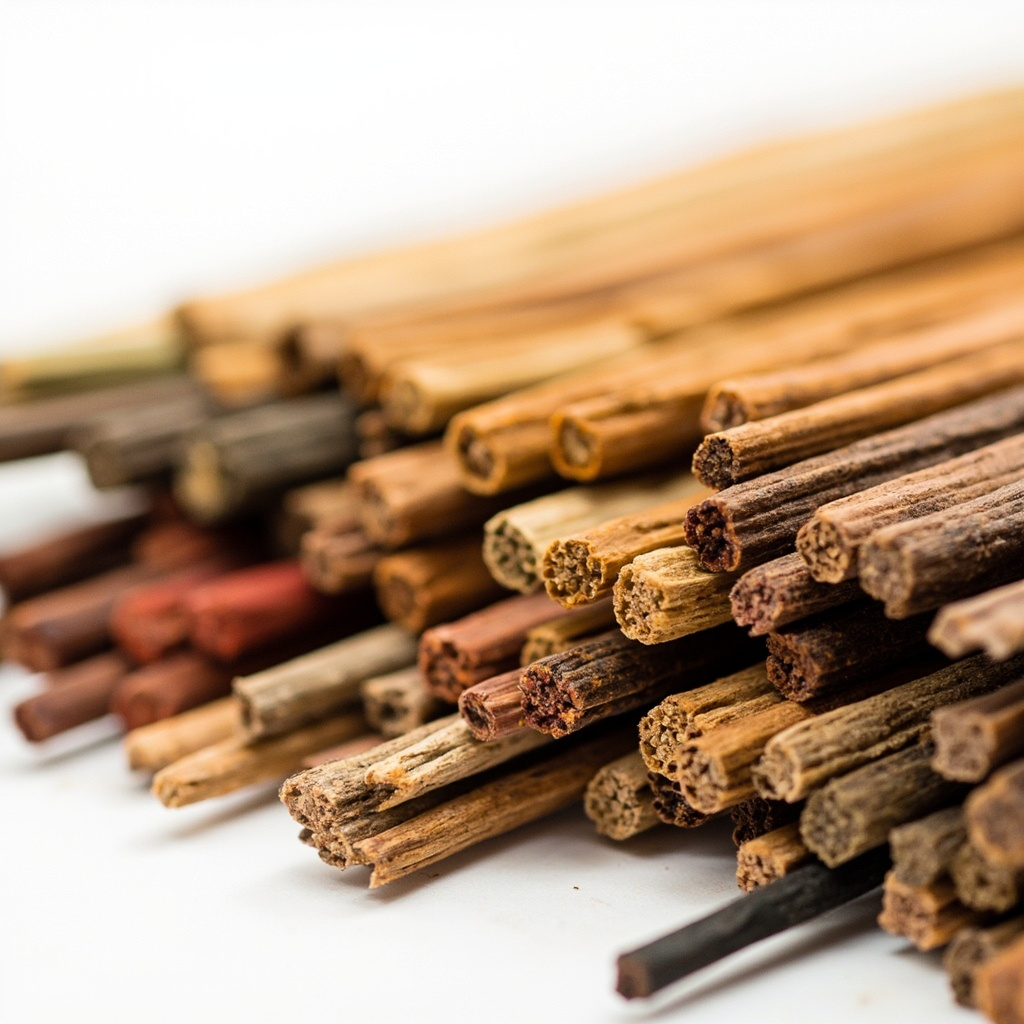
Start with variety packs rather than buying in bulk. You want to experience different materials and scents before committing.
Look for variety packs containing:
- Sandalwood (chenxiang): The classic, creamy, slightly sweet scent
- Cedar (bai li xiang): Fresh, woody, meditative
- Frankincense (ru xiang): Resinous, spiritual, traditional
- Herbal blends: Often softer, more subtle scents
Avoid anything marketed as “strong” or “extra potent” for your first purchase. Quality incense should be naturally aromatic without being overwhelming.
The Accessories
You need just a few basics:
- An ash catcher or small plate ($3-5): Protects your surfaces
- A incense needle or picker ($2-3): Helps adjust burning sticks
- A small storage container ($5-10): Keeps incense fresh
Where to Buy Quality Incense on a Budget
Online retailers typically offer better prices than local shops. Look for vendors that specialize in natural, traditional incense rather than mass-produced synthetic options.
Key shopping tips:
- Read ingredient lists carefully. Natural incense should list specific plant materials.
- Check reviews mentioning burn time and scent strength.
- Buy from shops with good return policies in case you hate the scent.
- Consider joining wholesale clubs for long-term savings on basics you love.
Prices vary widely. Expect to pay:
- $8-15 for a quality 20-30 stick bundle
- $15-25 for a small bronze burner
- $10-20 for a starter accessories set
Building Your Collection Over Time
Once you know what you like, you can invest strategically. The $50 starter kit is just the beginning.
After a month of experimentation, you’ll notice patterns:
- You reach for certain scents during specific activities
- Some materials make you feel more alert, others more relaxed
- You develop preferences for burn speed and smoke density
Document these observations. They’ll guide your future purchases and help you avoid buyer’s regret.
Consider expanding into:
- Loose incense powders for traditional methods
- Higher-quality individual sticks of your favorites
- Specialized burners for different techniques
- Accessories that enhance your ritual
Common Beginner Mistakes to Avoid
Buying too much of one type. Until you’ve burned through at least half a bundle, you don’t really know if you like something.
Ignoring storage. Incense loses potency when exposed to humidity or sunlight. Keep your collection sealed and shaded.
Rushing the experience. Burning incense isn’t like lighting a candle. Take time to notice how the scent evolves over the burn.
Comparing prices incorrectly. A $5 bundle of 50 sticks isn’t better value than a $12 bundle of 30. Calculate the per-stick cost and consider quality.
Creating Your First Incense Ritual
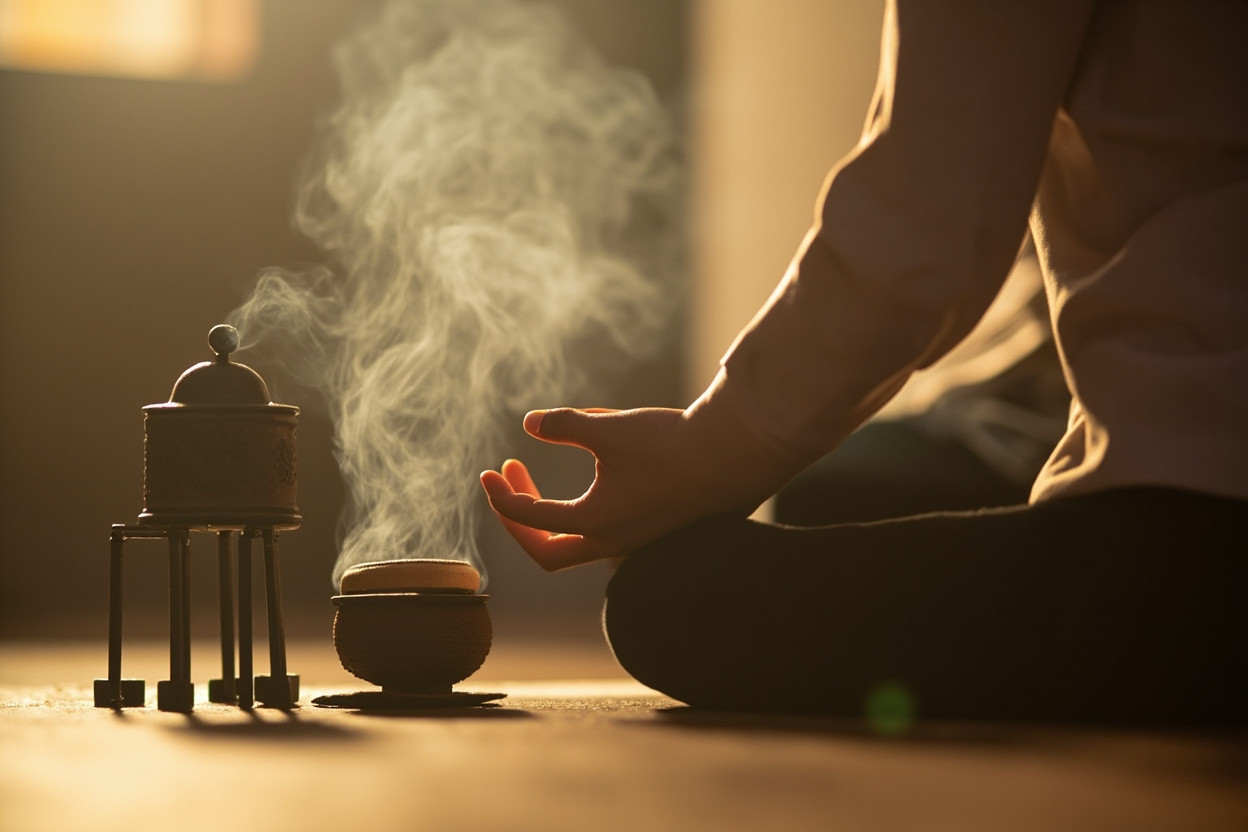
The ritual matters as much as the incense itself. Even a simple 5-minute session can become meaningful with intention.
Try this basic structure:
- Prepare your space: Open a window slightly, clear your burner area
- Light the incense: Hold the tip to the flame briefly, let it catch, then blow out
- Settle in: Place in burner, take three deep breaths
- Notice: Watch the smoke, smell the evolving layers
- Reflect: Set an intention or simply be present
- Close: Extinguish safely when finished
Over time, you’ll develop your own rhythm.
Frequently Asked Questions
How long does incense stick typically burn?
Most standard sticks burn for 30-45 minutes. Taper sticks burn faster (15-20 minutes), while large temple sticks can burn for over an hour. Coil and compressed incense burns longest.
Is cheaper incense harmful to breathe?
Low-quality synthetic incense can release irritating smoke. Stick with natural plant-based options from reputable sources. If smoke bothers you, try non-burning diffusers or incense heating methods that produce less smoke.
How do I know if incense is natural?
Natural incense lists specific botanical ingredients like “sandalwood powder” or “dragon’s blood resin.” Avoid products with “fragrance oil” or “aromatic chemicals” as primary ingredients.
What’s the strongest Chinese incense?
Pure sandalwood and aloeswood (chenxiang) are among the most prized and expensive. For beginners, blended herb incenses offer strong scents at lower prices. Quality matters more than quantity.
Related Articles
- The 7-Day Chinese Incense Beginner Plan
- Best Incense Starter Kit: Complete Buyer’s Guide
- Safety Guide: How to Burn Incense Properly
Ready to Begin Your Incense Journey?
Start with one bundle and a simple burner. You don’t need everything at once. The best incense experience comes from exploration, not preparation. Browse our recommended starter sets and begin discovering your perfect scent today.