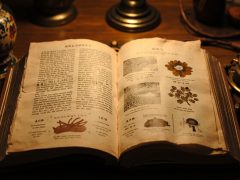
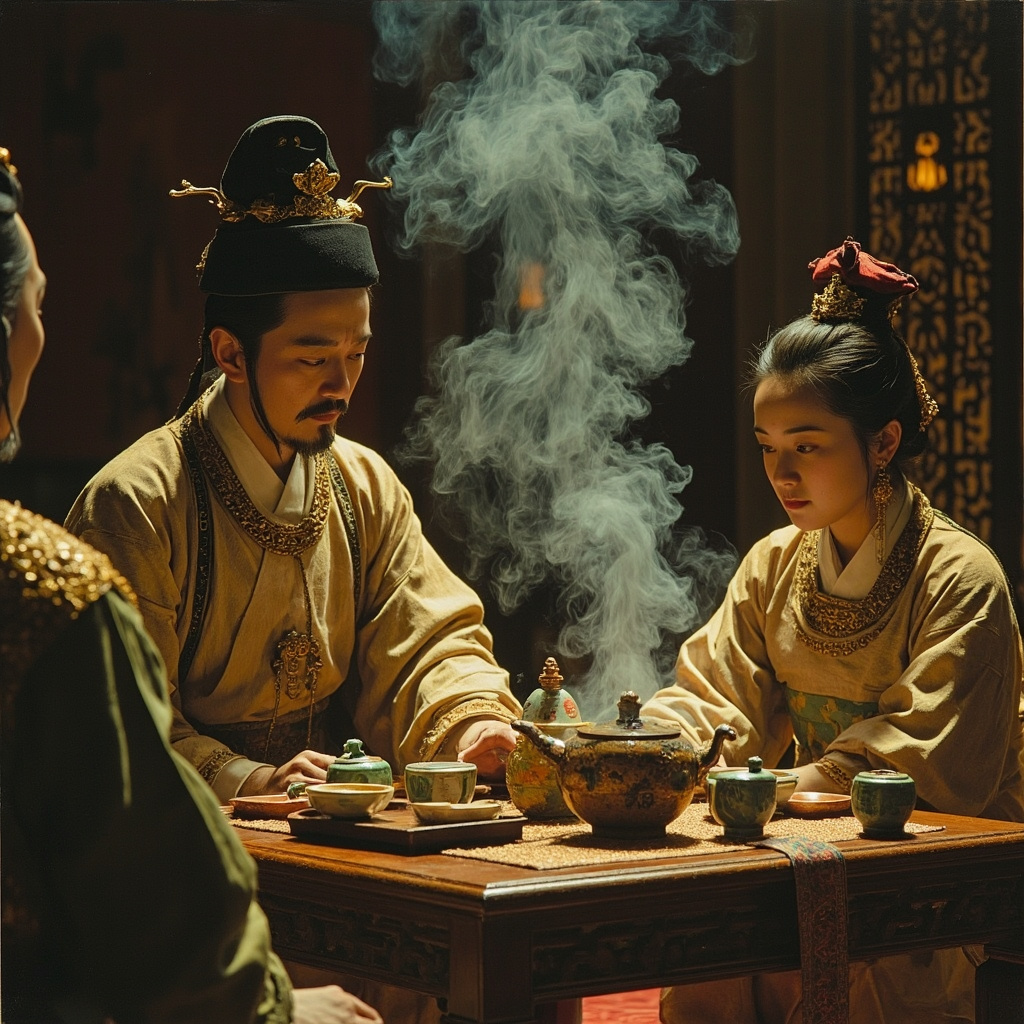
Twenty-eight volumes. Thirty years of work. One man who couldn’t sleep without incense burning next to his pillow. That’s the story of Zhou Jiazhou, the Ming Dynasty scholar who compiled… Read more »
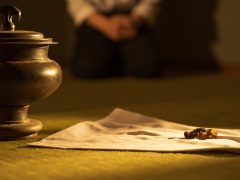
Two people burn incense. One is Chinese, burning a complex blended formula in a bronze censer. One is Japanese, holding a single piece of rare Vietnamese agarwood over a flame,… Read more »
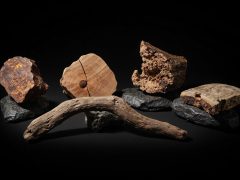
You spend $300 on a piece of “沉香”. Back home, you look closer. Something feels wrong. The weight. The smell. You can’t quite place it—but you suspect you got played…. Read more »
You sit down to meditate. Your mind won’t stop. You’ve tried breathing exercises, body scans, apps. Someone suggests: try burning incense first. You think it sounds like superstition. But here’s… Read more »
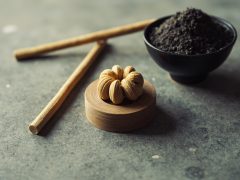
You walk into a shop or browse online and there are three main forms: sticks, coils, and powder. They’re not interchangeable. Each has a purpose, a character, and a right… Read more »
The Tang Dynasty (618-907 CE) is called China’s golden age for good reason. Poetry, printing, gunpowder, the civil examination system — the Tang created or refined things that shaped Chinese… Read more »
Three kings brought gifts to Bethlehem. Gold, frankincense, and myrrh. Of the three, frankincense and myrrh were the exotic ones — imported resins from the Horn of Africa, traded thousands… Read more »
You burn the same incense in August that you burn in January. You wonder why it doesn’t feel right in summer. It’s not the incense. It’s the season. Traditional Chinese… Read more »
The Tang Dynasty poet Li Bai wrote about incense. So did his contemporary Du Fu. In the Song Dynasty, Su Shi burned incense while writing calligraphy. His brother Su Zhe… Read more »
You burn sandalwood. You feel calmer. Your grandmother burns mugwort. She says it “clears the damp.” Neither of you is wrong. Traditional Chinese Medicine has been using aromatic plants for… Read more »