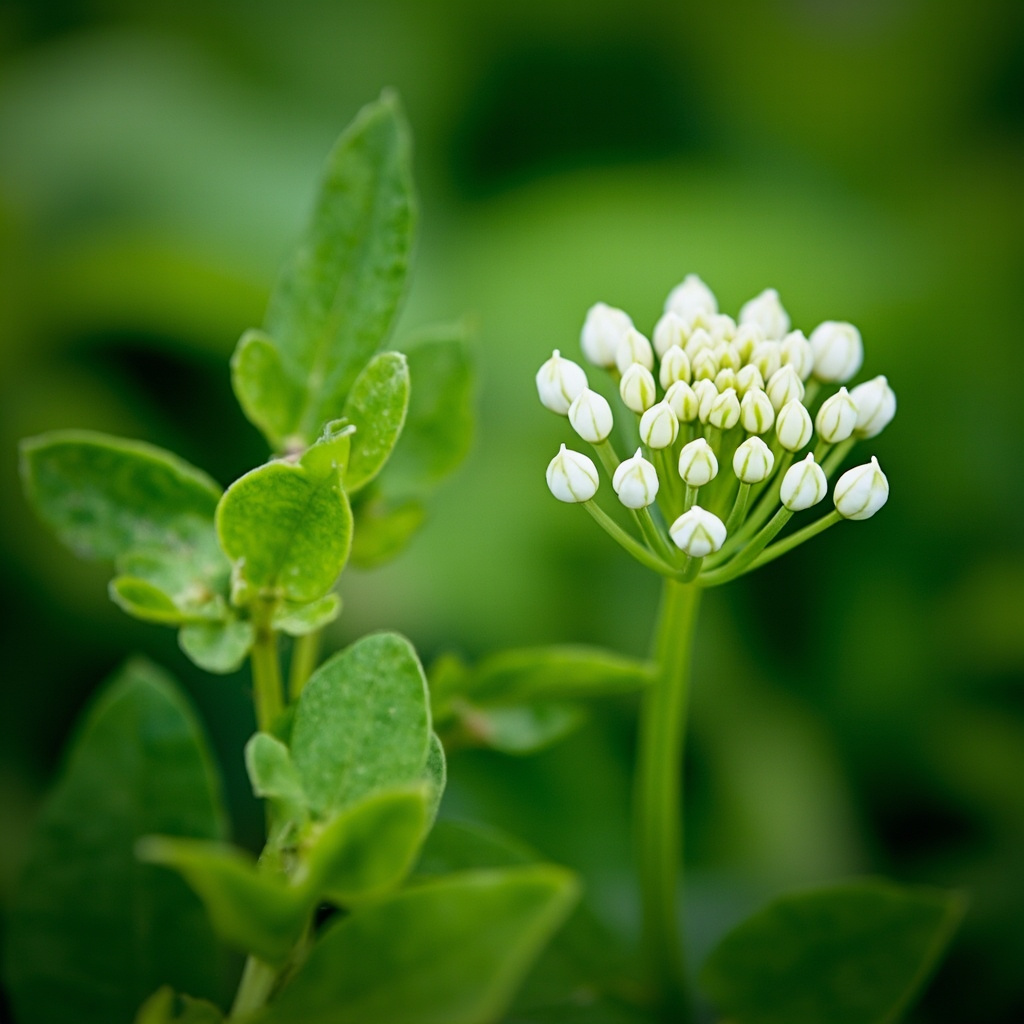
There is a smell that most Chinese people recognize immediately, even if they cannot name it. It comes from a plant that grows wild across the mountains of Sichuan, Yunnan, and Hebei provinces – a tall herb with white flower clusters and a root that has been used in Chinese medicine for over 2,000 years. The smell is sharp, clean, and distinctly aromatic – almost medicinal in the best possible way. This is 白芷 (baizhi): Angelica dahurica, one of the most widely used aromatic herbs in the Chinese incense and medicine traditions.
What Is Angelica (Baizhi)?
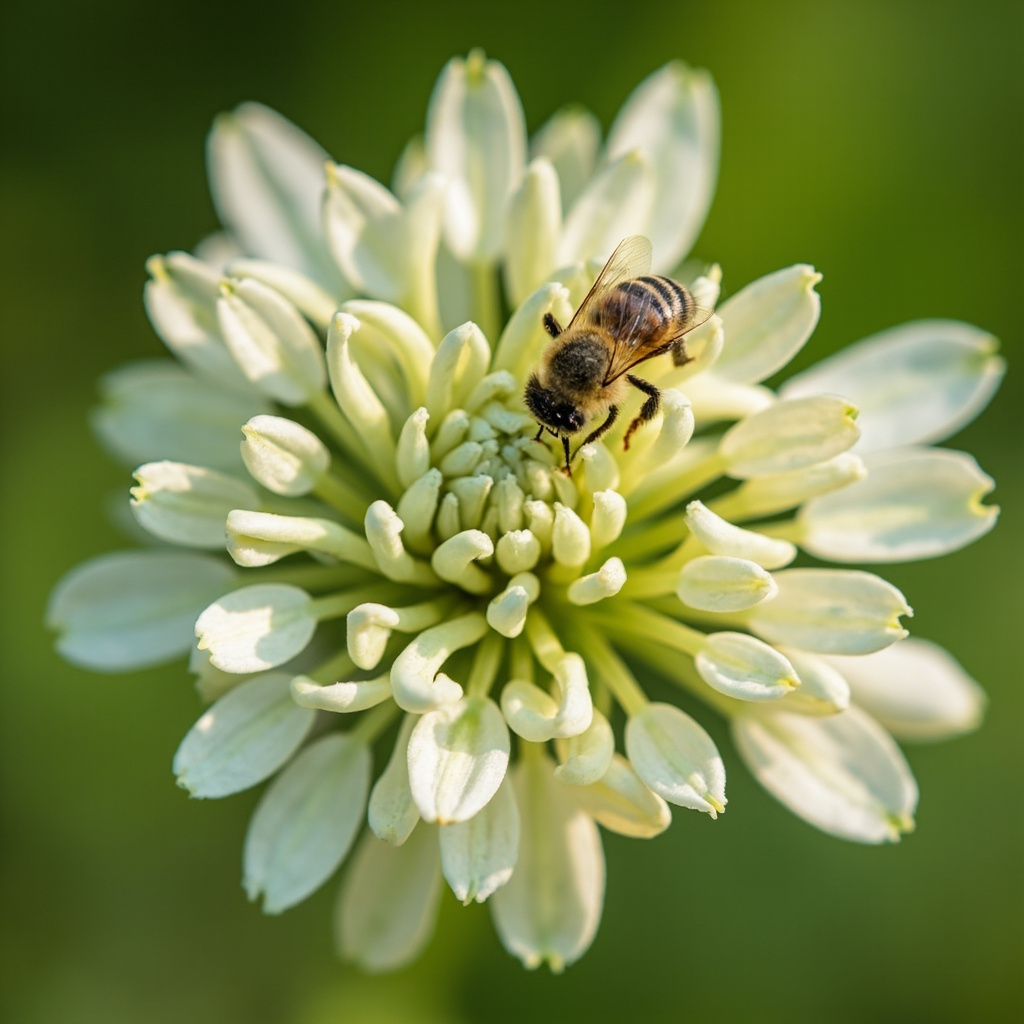
白芷 (baizhi) is the Chinese common name for Angelica dahurica, a species of angelica native to China, Vietnam, and Korea. It is a tall herbaceous plant in the Apiaceae family – the same family as carrot, celery, and parsley – growing to 1-2 meters in height with large compound leaves and white flowers arranged in large umbels.
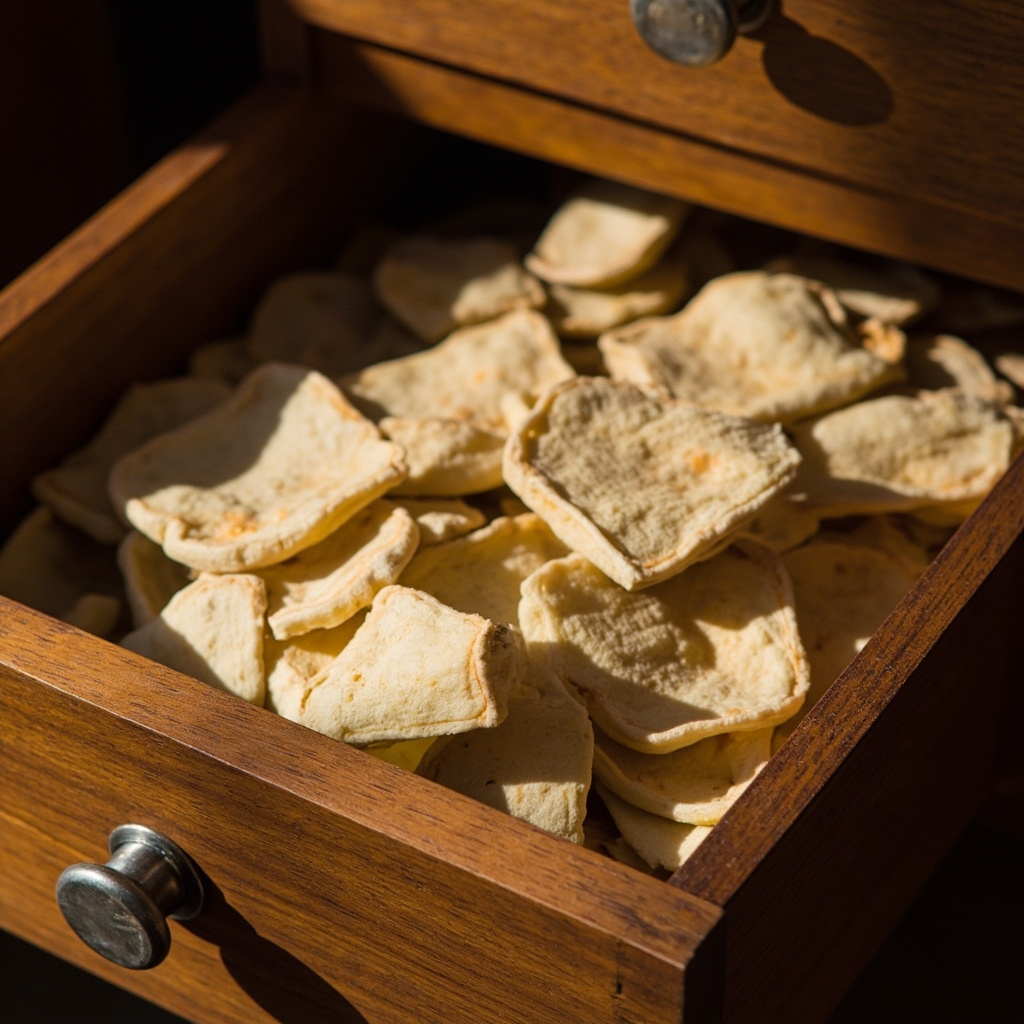
The part used in both medicine and incense is the root – a thick, branching taproot that is harvested in the autumn of the second year of growth. The fresh root is pale cream to light brown in color, with a distinctive aroma that is immediately apparent when the root is cut or bruised.
In Traditional Chinese Medicine, baizhi is classified as a warm, acrid herb that enters the lung and stomach meridians. Its primary use is for clearing blockages and relieving pain – particularly headache, dental pain, and nasal congestion. These same properties make it valuable in incense: the sharp, clearing quality translates to a fragrance that many practitioners find mentally clarifying.
Baizhi in Chinese Incense History
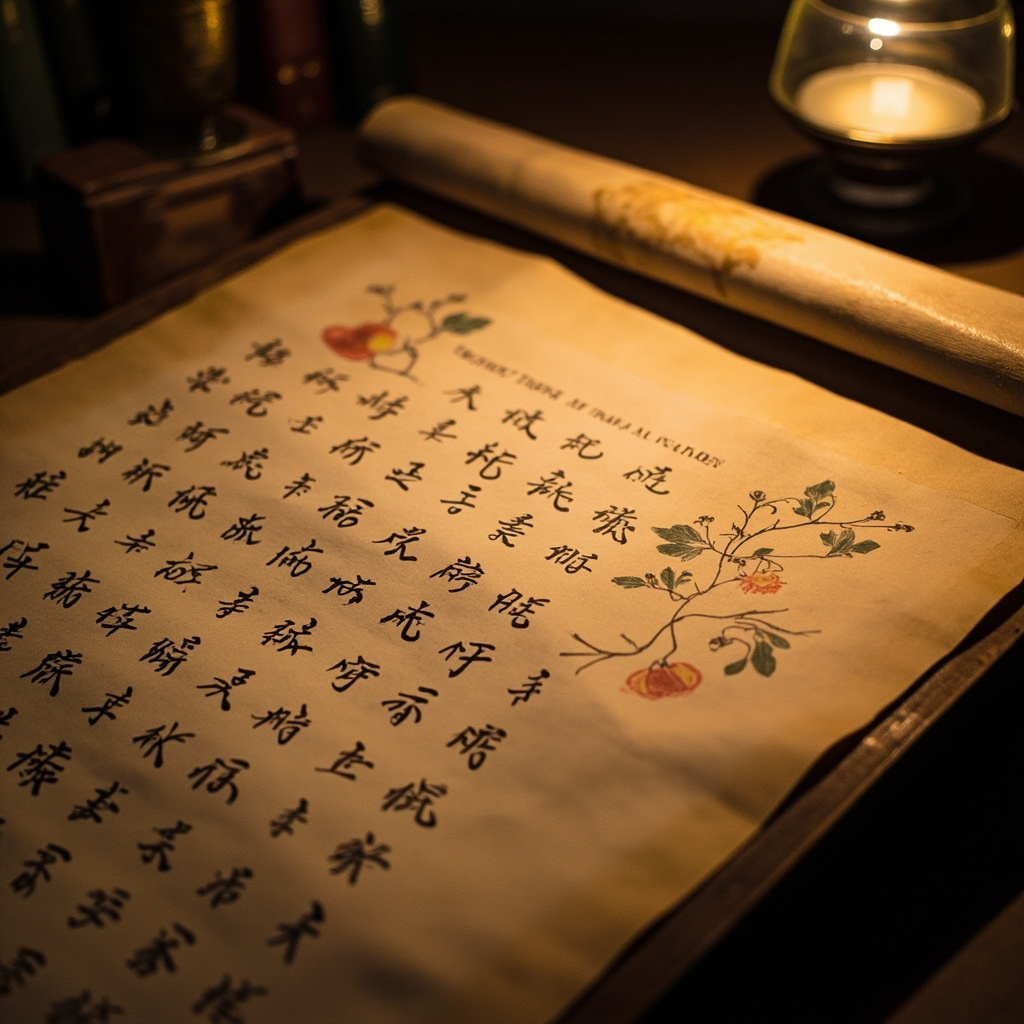
Baizhi appears in Chinese incense records dating back to at least the Han Dynasty (206 BCE – 220 CE). The earliest formulas featuring baizhi are primarily medicinal in purpose – blends designed to treat specific ailments through the combined effects of burning the herbs and inhaling their fragrance.
The 香经 (Xiang Jing, “Classic of Fragrance”), a Han Dynasty text on incense, lists baizhi among the “nine essential herbs” for incense practice – materials that were considered fundamental to the tradition. The text describes baizhi as having a “penetrating” quality that helps other fragrance materials express themselves more fully.
By the Tang Dynasty (618-907 CE), baizhi had moved beyond purely medicinal applications into the mainstream of aesthetic incense practice. Court formulas from this period include baizhi as a regular component – not for its medicinal properties, but for the clean, sharp quality it added to blends. The Tang court was particularly interested in fragrances that were mentally clarifying and physically invigorating, and baizhi fit this requirement precisely.
The Fragrance of Baizhi
Baizhi is not a fragrance material in the conventional sense – it is not used for its scent alone. The root has a strong, somewhat medicinal smell that most people would not describe as pleasant in isolation. What baizhi does exceptionally well is modify other materials.
The key qualities baizhi brings to a blend:
1. Clarity and brightness: Baizhi has a sharp, clean quality that cuts through heaviness in other materials. In a blend dominated by dense resins like frankincense or myrrh, adding a small amount of baizhi creates visual lightness in the fragrance – it does not change the fundamental character, but it makes the blend feel less heavy.
2. Fixative properties: Despite its volatile character, baizhi actually functions as a moderate fixative – it slows the evaporation of lighter materials and helps the blend maintain its character over a longer burning session.
3. Connecting quality: Like musk and gansong, baizhi has an ability to make disparate fragrance materials feel more unified. This is why it appears in so many classical formulas despite not being a star material on its own.
Baizhi in Traditional Chinese Medicine
In TCM, baizhi is primarily used for three purposes:
For nasal and respiratory congestion: The classic use of baizhi is for stuffy nose and sinus congestion. Burning baizhi root – either alone or in a blend – creates a fragrance that TCM practitioners describe as “opening the orifices” and “clarifying the head.” This is not metaphorical: the aroma of baizhi is genuinely stimulating to the nasal passages.
For headache and dental pain: Applied externally or burned as incense, baizhi is used to relieve tension headaches and dental pain. The analgesic properties of the herb are well-documented in the classical pharmacopeias.
For skin conditions: In powder form, baizhi is used topically for various skin conditions – another application that reflects its aromatic, anti-inflammatory properties.
In the context of incense, these TCM properties translate directly to how practitioners use the material. Baizhi-containing blends are recommended for:
- Morning burning sessions – the clarifying quality helps with alertness and focus
- Study or work spaces – the mental clarity effect supports concentration
- Rooms with poor ventilation – baizhi is considered to “clear stale air” in TCM theory
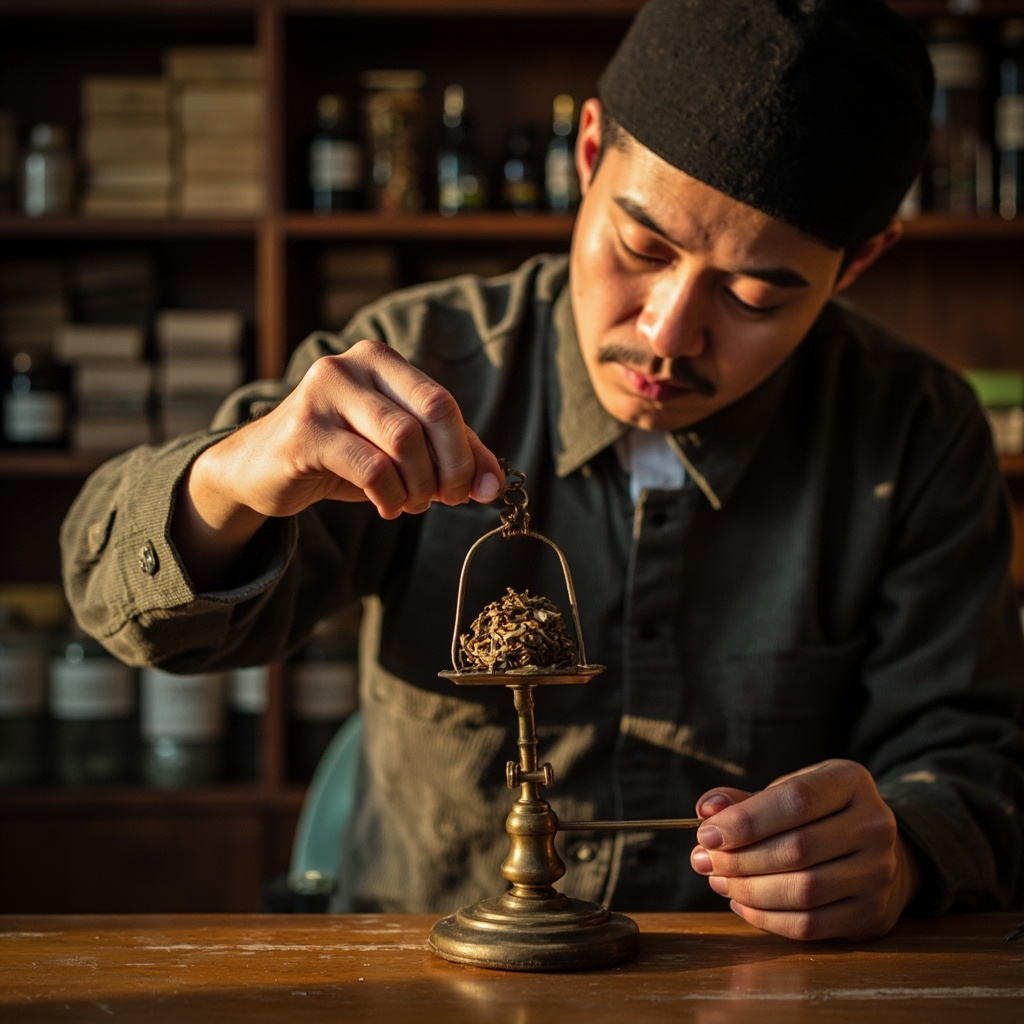
How to Use Baizhi in Incense
Baizhi is used differently depending on the intended effect:
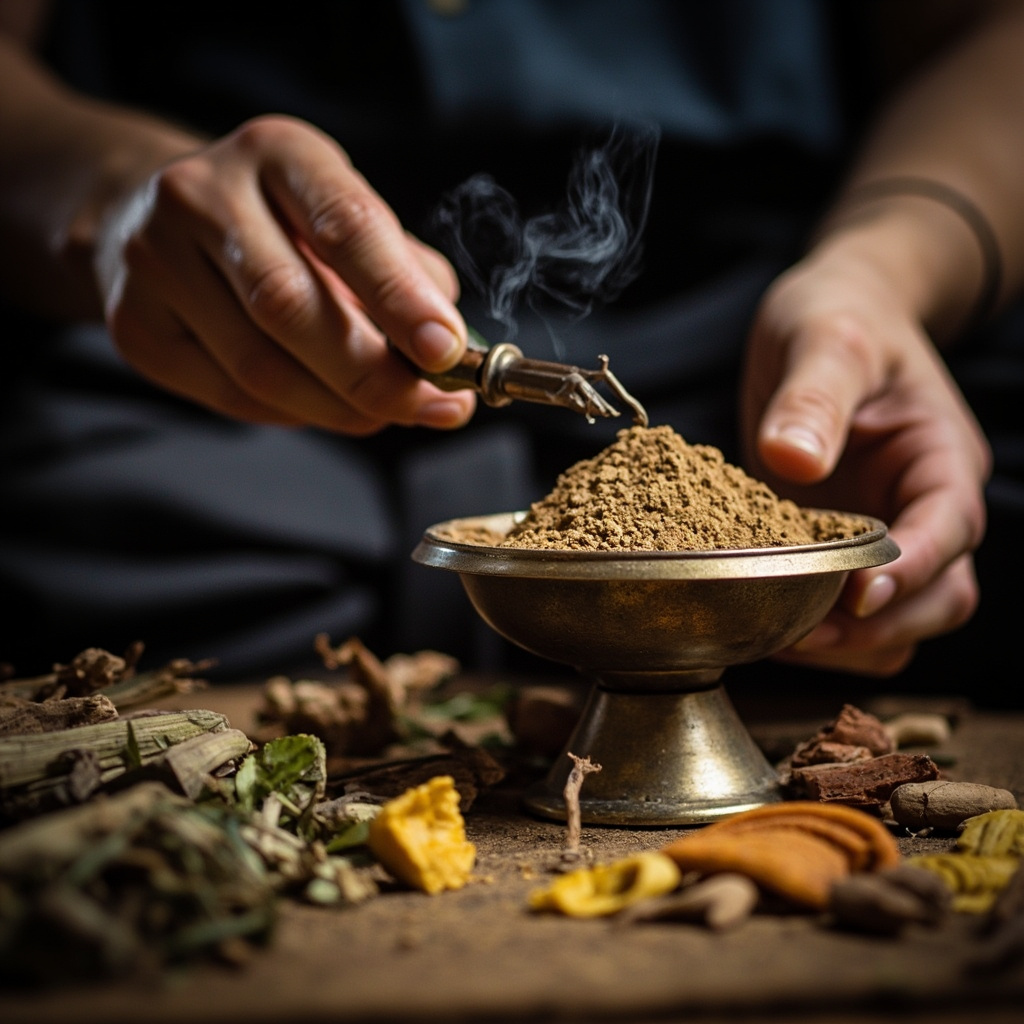
For clarity and focus: Add 5-10% baizhi powder to a base of sandalwood or a light agarwood. The baizhi will amplify the clarifying quality while the wood provides foundational fragrance. This combination is particularly suitable for morning use or study sessions.
For respiratory support: Burn baizhi root chips directly on charcoal in a well-ventilated space. The effect is immediate and noticeably clarifying – some practitioners describe it as similar to the feeling of stepping outside into cold, fresh air.
For blending: Baizhi combines well with most other incense materials, but it is particularly effective with other aromatic herbs – mugwort, cangzhu, angelica root. These combinations create blends with strong clarifying and mental clarity effects.
Baizhi and Seasonal Practice
In the five-phase (wuxing) system, baizhi is associated with the metal element and the autumn season. Metal corresponds to the lungs and the quality of contraction and letting go. Autumn is the time when plants begin to withdraw their energy into their roots – the same energy that makes biennial herbs like baizhi most aromatic at this time of year.
For practitioners who work with seasonal correspondences, baizhi is considered most appropriate for autumn burning – when its quality of contraction and consolidation matches the energy of the season. Blending baizhi with materials associated with the lungs (the organ of metal) creates particularly coherent seasonal practice.
Baizhi FAQ
Is baizhi the same as Western angelica?
No – they are different species in the same genus. Angelica dahurica (Chinese baizhi) is native to East Asia and has been developed specifically in the Chinese medicine tradition. Angelica archangelica (commonly called angelica in the West) is a different species with a somewhat different fragrance profile. Both can be used similarly in incense, but Chinese baizhi is specifically referred to in the classical Chinese incense texts.
Can I burn baizhi alone?
Yes, but with caution. Burning baizhi root chips directly on charcoal produces a strong, sharp fragrance that can be overwhelming in enclosed spaces. If burning baizhi alone, use a small amount in a well-ventilated space. Many practitioners find the pure fragrance too aggressive for regular solo use and prefer it as a supporting material in blends.
What does baizhi smell like?
On its own, baizhi smells sharp, slightly sweet, and somewhat medicinal – reminiscent of other Apiaceae family plants like angelica or lovage. The best description is “clean and clarifying” – it smells like the air after a rainstorm, or like the moment of taking a deep breath of cold morning air. In a blend, it adds this quality without imposing its own fragrance character.