Agarwood Incense: The Complete Buyer’s Guide for 2026
Few fragrances in the world carry the depth, history, and spiritual weight of agarwood incense. Known as chenxiang (沉香) in Chinese and oud in the Middle East, agarwood is one of the most expensive and sought-after aromatic materials on earth. A single gram of high-grade agarwood can cost more than gold. Yet for thousands of years, practitioners across Asia have considered it priceless — not for its market value, but for the profound stillness it induces during meditation, the clarity it brings to ritual, and the way its complex, evolving fragrance seems to unlock something deep within.
This guide is for anyone who wants to understand agarwood incense — what it is, how to choose it, how to use it, and what separates the authentic from the artificial. Whether you’re a first-time buyer or a seasoned collector, here’s everything you need to know before you invest in this remarkable substance.
What Is Agarwood Incense?
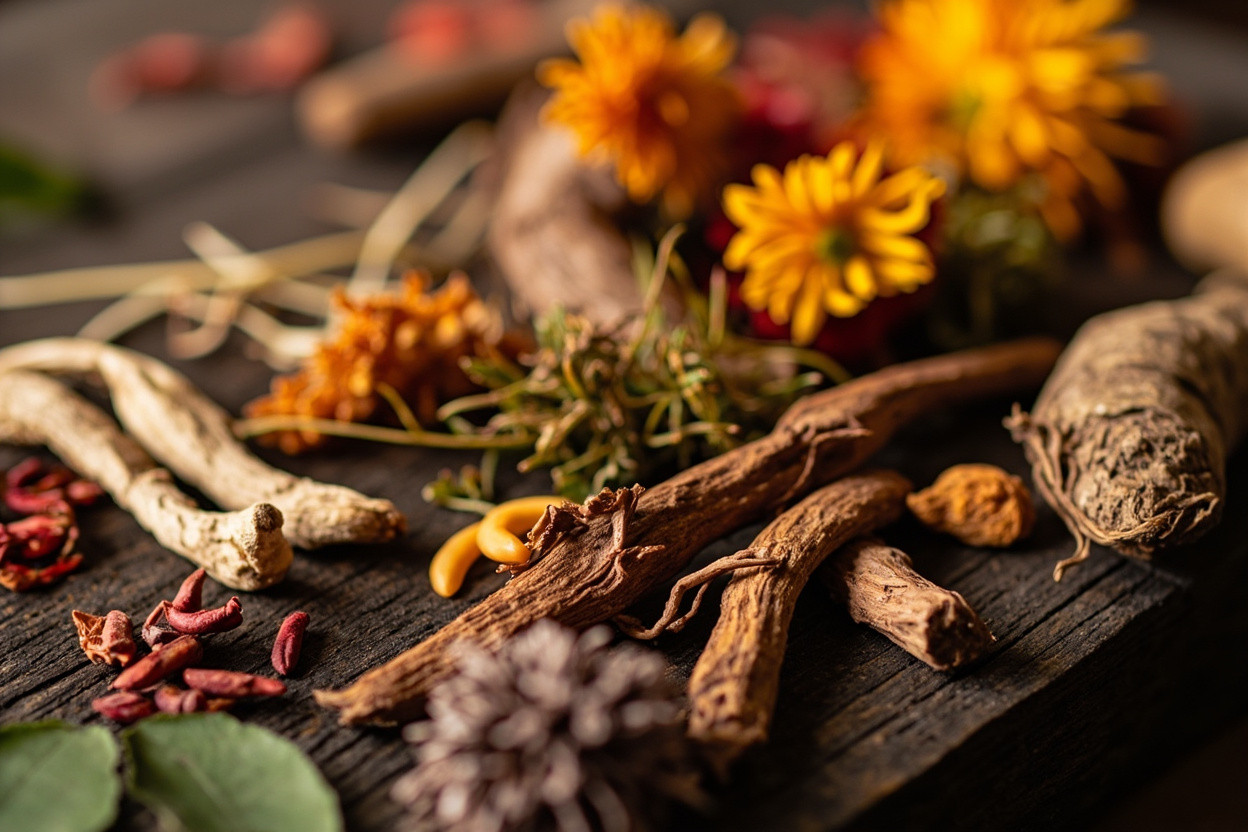
Agarwood incense is derived from Aquilaria trees — primarily Aquilaria malaccensis and related species native to Southeast Asia and the Indian subcontinent. Under normal circumstances, these trees are unremarkable: pale, fast-growing, and unremarkable in fragrance. But when the tree becomes infected with a specific type of mold or Phaeolus bacterium, it launches a remarkable defense mechanism.
The infection triggers the tree to produce a dark, resin-saturated heartwood — a kind of aromatic scar tissue. Over years or even decades, this resin accumulates and transforms the pale sapwood into the dense, dark, intensely fragrant material we call agarwood. The process cannot be artificially replicated. No two pieces of agarwood are identical. The resin concentration, the species, the geographic origin, the age of infection — all of these variables shape the scent profile in ways that master perfumers still cannot fully explain.
Once harvested, agarwood can be used in several forms:
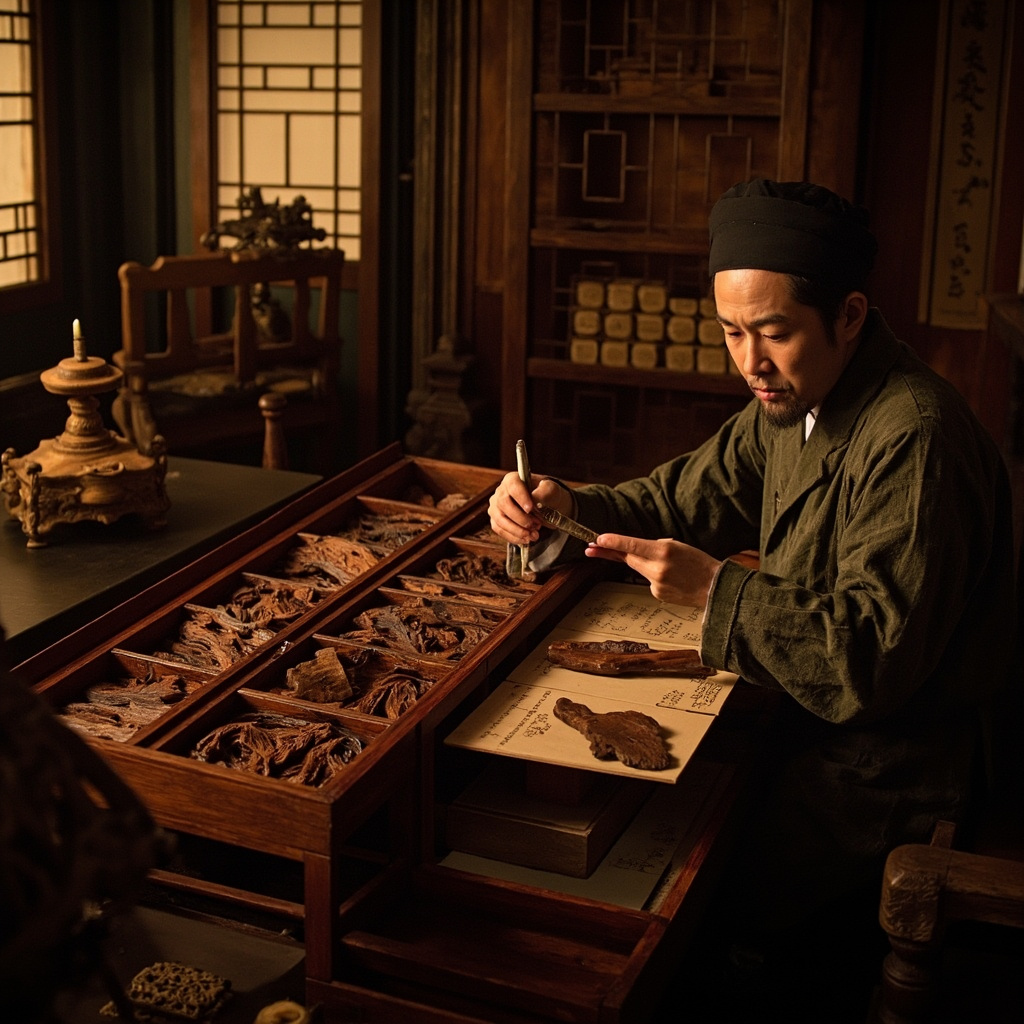
- Agarwood chips — Direct burning on charcoal or electric heater; the purest, most traditional form
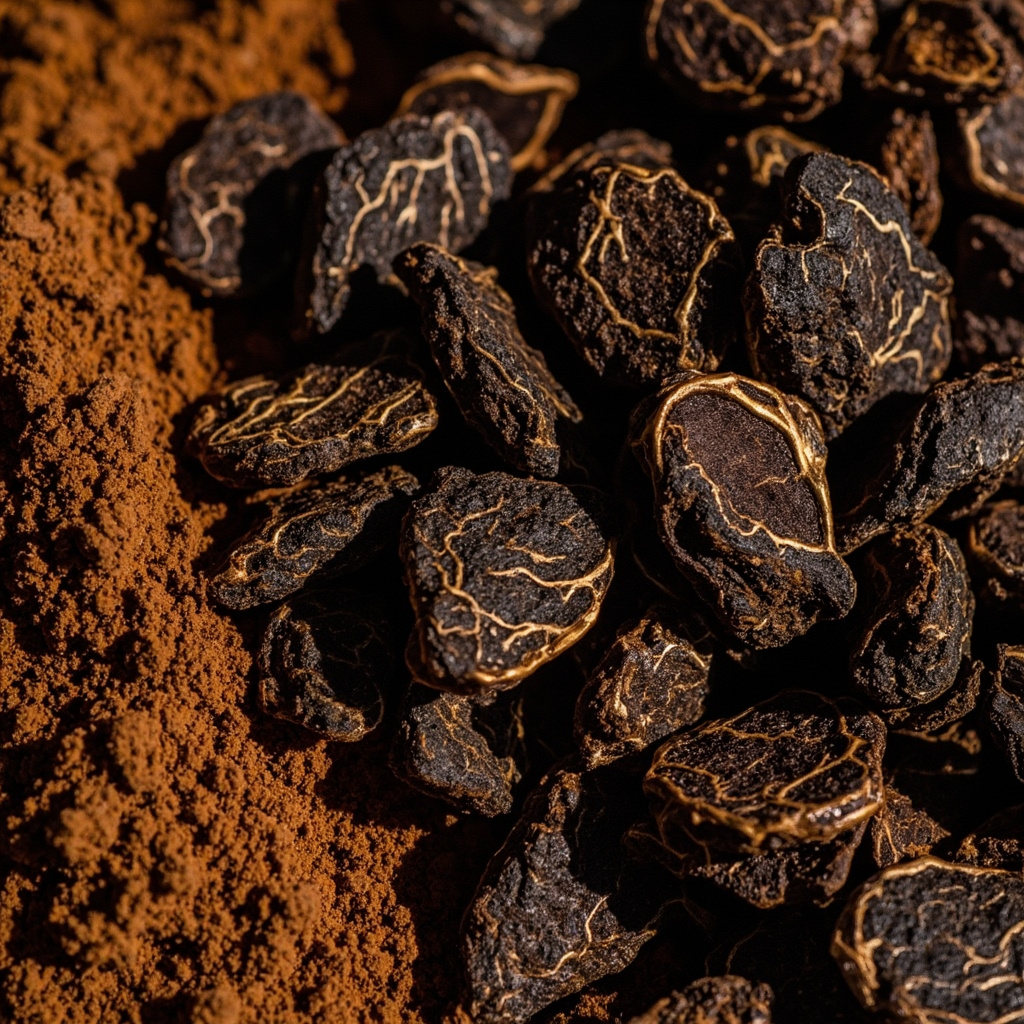
- Agarwood powder — For incense cones, sticks, or blending; convenient but often mixed with binders
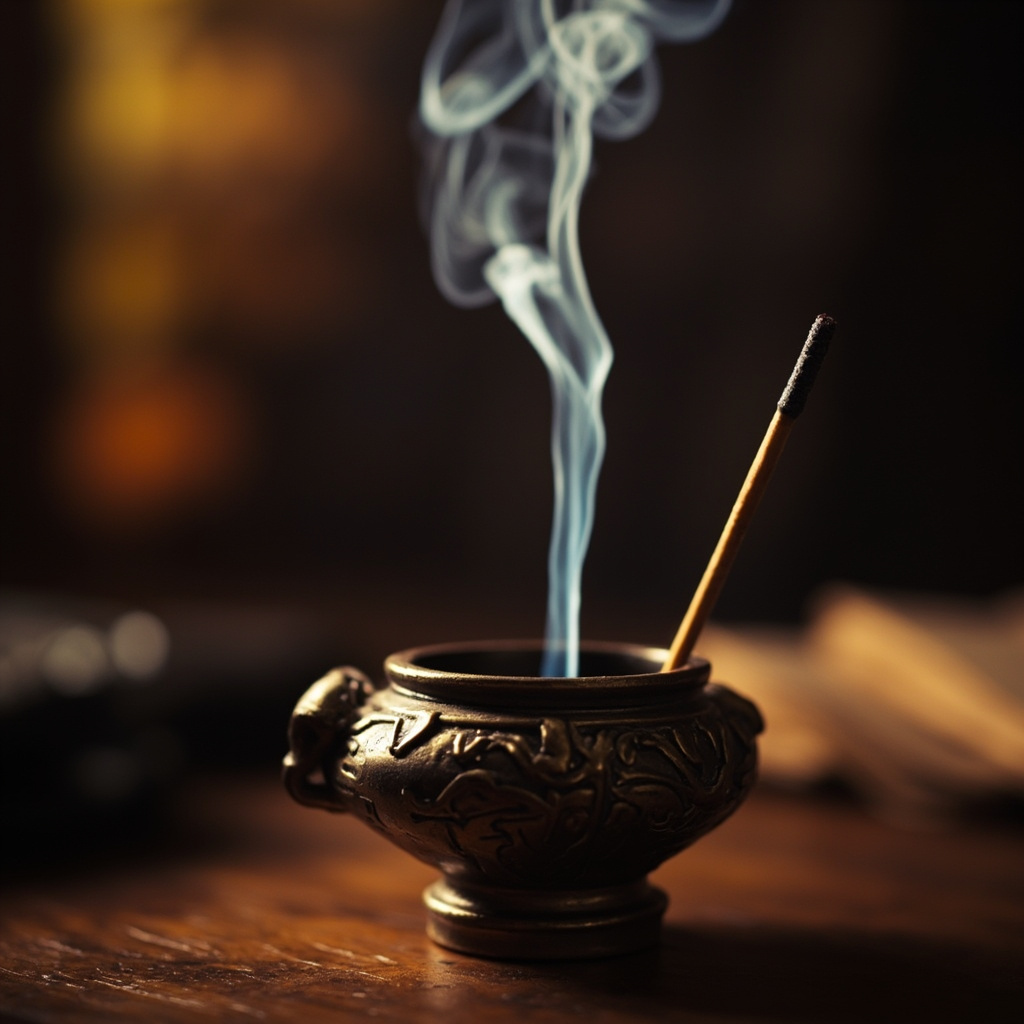
- Agarwood incense sticks — Pre-made sticks coated or mixed with agarwood; accessible for beginners
- Agarwood essential oil — Distilled from the resin; used in diffusers or applied diluted to skin
Understanding Agarwood Grades and Quality
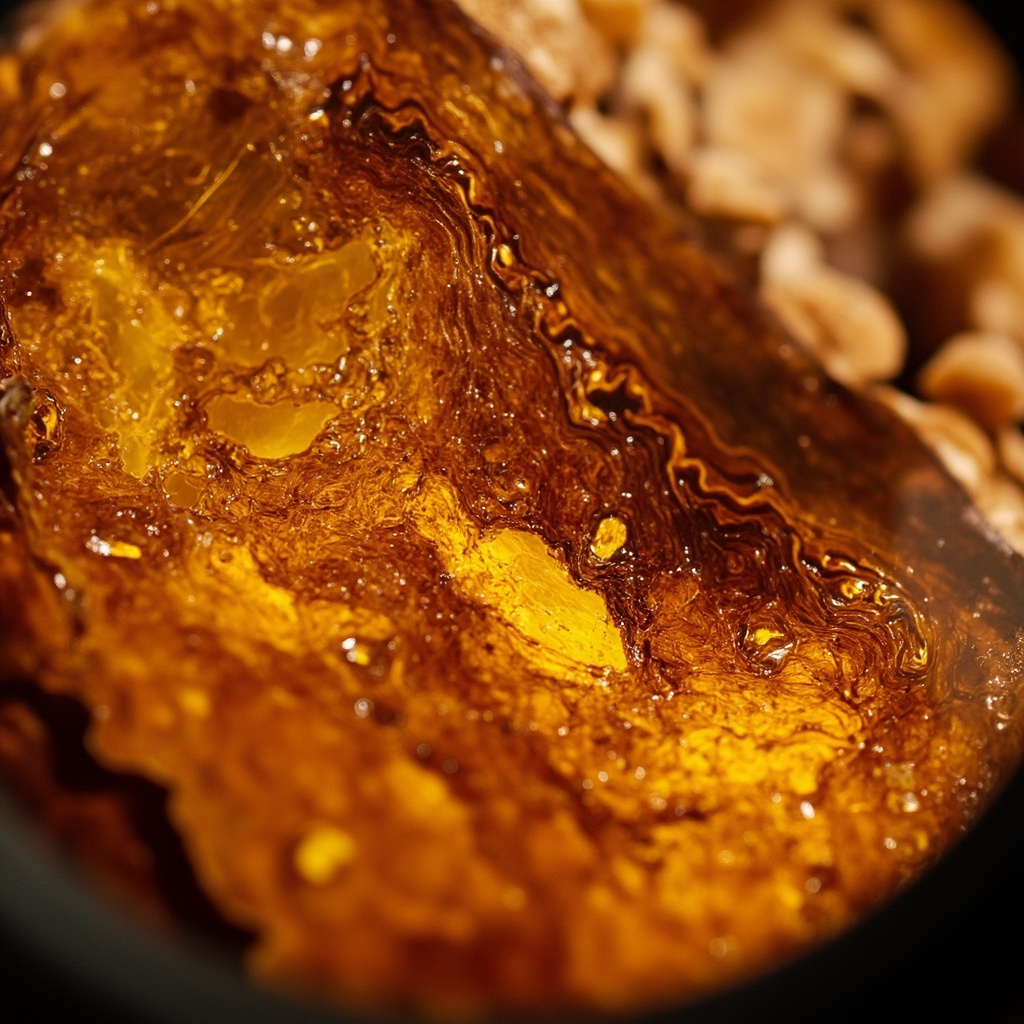
Not all agarwood is created equal. The market uses several grading systems, but the most reliable indicators of quality are resin density, color, aroma complexity, and origin.
By Resin Density (Water Test)
The simplest test: drop a piece of agarwood into water.
- Sinking wood (沉水) — High resin density; sinks immediately or quickly. The highest quality. Often called “super grade” or “full sinking.”
- Semi-sinking (半沉半浮) — Moderate resin; floats but sinks slowly. Good quality for everyday use.
- Floating (浮水) — Low resin concentration; floats on the surface. Still fragrant, but less potent and less valuable.
By Geographic Origin
- Hainan, China (海南沉香) — Often considered the finest Chinese agarwood. Dense resin, complex fragrance with sweet, woody, and slightly camphoraceous notes. Rare and increasingly scarce.
- Vietnam (越南沉香) — Famous for the “Kymyr” and “Kyalami” varieties. Known for sharp, clean, slightly peppery top notes with deep, lingering base notes.
- Cambodia (柬埔寨沉香) — Called “Kanaphoom” in Thai. Noted for bold, slightly sweet fragrance with excellent projection.
- India (印度沉香) — Particularly Assam and Himalayan varieties. Rich, complex, often with floral and citrus undertones.
- Indonesia (印尼沉香) — The largest producer. Includes Sumatra, Kalimantan, and Sulawesi varieties. Generally warmer and sweeter; more accessible price points.
The Ding Wei Classification (Four Grades)
The traditional Chinese grading system by Ding Wei categorizes agarwood into four ranks:
- First Degree (沉水香) — Maximum resin; sinks in water. Extremely rare.
- Second Degree (筏香) — High resin but less dense; partially sinks.
- Third Degree (煮香) — Moderate resin; boiled pieces used for extraction or lower-grade burning.
- Fourth Degree (栈香) — Light resin; still aromatic but brief duration.
The Scents of Agarwood: What to Expect
Describing agarwood’s fragrance is famously difficult — it evolves over time, different temperatures unlock different compounds, and no two pieces smell identical. That said, most agarwood fragrance profiles share common elements:
- Base notes: Deep, warm, woody — sometimes described as “balsamic” or “resinous”
- Middle notes: Complex, evolving — notes of leather, dark chocolate, aged rum, dried fruit, or spice
- Top notes: Initially sharp or peppery; this dissipates within minutes, revealing the deeper layers
- Dry-down: The long-lasting signature — a sweet, almost honey-like resonance that can persist for hours on skin or clothing
Temperature matters enormously. At low heat (60–80°C on an electric burner), agarwood reveals its subtle, nuanced layers. At higher heat, it projects more aggressively but loses some complexity. Understanding your heating method is key to experiencing agarwood fully.
How to Use Agarwood Incense
Method 1: Charcoal Burning (Traditional)
- Light a natural moxa charcoal tablet until it glows red-hot (2–3 minutes).
- Place the charcoal in a heat-resistant incense burner with ash or sand base.
- Wait 30 seconds for the surface temperature to stabilise — the outer edge should glow but not flame.
- Place a small piece of agarwood (0.1–0.3g) on the outer edge of the charcoal, NOT in the center flame zone.
- The fragrance will release within seconds — first a sharp top note, then the deeper resinous layers.
Method 2: Electric Incense Heater (Recommended for Beginners)
- Set the heater to 70–100°C depending on the piece.
- Place agarwood chips on the heating surface or in a metal dish above it.
- Wait 1–2 minutes for the fragrance to develop — the low, sustained heat preserves the nuanced compounds.
- Adjust temperature upward if the scent is too subtle.
Method 3: Incense Sticks or Cones
If using pre-made agarwood incense sticks, place them in a proper incense holder, light the tip, allow a flame to establish for 5–10 seconds, then blow it out. The stick should smolder slowly, releasing fragrance for 20–45 minutes depending on thickness and agarwood concentration.
How Much Does Agarwood Cost in 2026?
Prices vary dramatically by grade:
- Entry-grade agarwood chips (low resin, Indonesian): $3–8 per gram
- Mid-grade (moderate resin, Vietnamese or Cambodian): $15–40 per gram
- High-grade (high resin, Hainan or premium Vietnamese): $50–150 per gram
- Collector’s grade (sinking, exceptional fragrance): $150–500+ per gram
- Agarwood incense sticks (pre-made): $10–60 per box of 20–40 sticks
Red flags for fake agarwood: suspiciously low prices, uniform appearance across pieces, lack of resin lines or dark veining visible on cut surfaces, and fragrances that smell flat, chemical, or overly sweet without depth.
Who Should Buy Agarwood Incense?
Agarwood incense is ideal for:
- Meditation practitioners — The fragrance is widely regarded as centering and grounding. Many Buddhist and Daoist practitioners specifically use agarwood to support seated practice.
- Spiritual ritual — From Japanese Buddhist ceremonies to Chinese ancestral worship to Islamic gatherings, agarwood has been a sacred material across traditions for millennia.
- Connoisseurs and collectors — Like fine wine or aged whisky, agarwood is collected, traded, and appreciated for its complexity and rarity.
- Those seeking premium home fragrance — Natural agarwood is a powerful, non-synthetic alternative to conventional air fresheners or candles.
Where to Source Agarwood Responsibly
The surge in global demand has put enormous pressure on wild agarwood populations. Aquilaria species are listed under CITES Appendix II (International Trade in Endangered Species), meaning certified sources are required for legal international trade.
Look for suppliers who:
- Source from planted, sustainable Aquilaria plantations rather than wild-harvested stock
- Provide certificates of origin and CITES documentation
- Transparently list the geographic origin and grade of their materials
- Offer samples before large purchases
Frequently Asked Questions
What is the difference between agarwood and oud?
They are the same material — “oud” (or “oudh”) is the Arabic term, while “agarwood” is the English botanical name. Both refer to the resin-infused heartwood of Aquilaria trees. “Oud oil” specifically refers to the essential oil distilled from agarwood.
Can I burn agarwood incense every day?
Yes, if you enjoy it. Natural agarwood is non-toxic and the smoke, while aromatic, disperses quickly in ventilated spaces. Daily use is common among practitioners. The expense is the limiting factor for most people — even a small 0.2g portion burned daily costs $30–100 per month at mid-grade prices.
How do I store agarwood?
Keep in an airtight container — glass jars with rubber seals are ideal — away from direct sunlight, heat sources, and strong odors. Agarwood absorbs surrounding scents easily, and humidity can degrade resin quality over time. Properly stored, agarwood improves with age as the resin continues to oxidise and mature.
What does agarwood smell like compared to sandalwood?
Sandalwood is creamy, warm, and linear — a consistent, soothing base note. Agarwood is more complex, darker, and evolving — it changes dramatically from the first sharp top note to the deep, lingering dry-down. Sandalwood is like a steady candle; agarwood is like a full symphony that unfolds over time.
Is synthetic agarwood as good as real agarwood?
No — and the difference is significant. Synthetic “agarwood” fragrance oil (often labeled “OE” or “oud accord”) replicates certain aromatic compounds but lacks the biological complexity of real resin-infused wood. For burning, there is no meaningful synthetic substitute. That said, high-quality synthetic fragrances have their place in affordable incense sticks and blends — just manage your expectations.
Related Articles