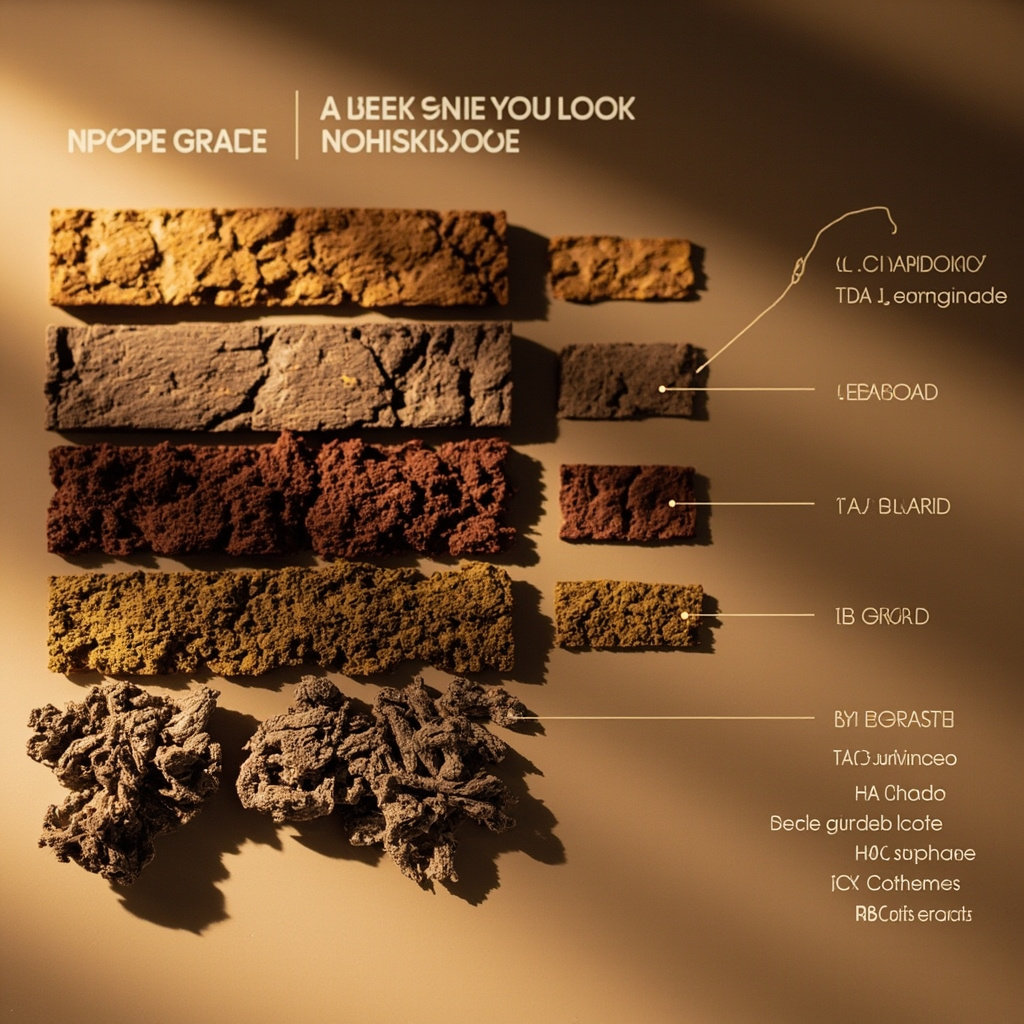
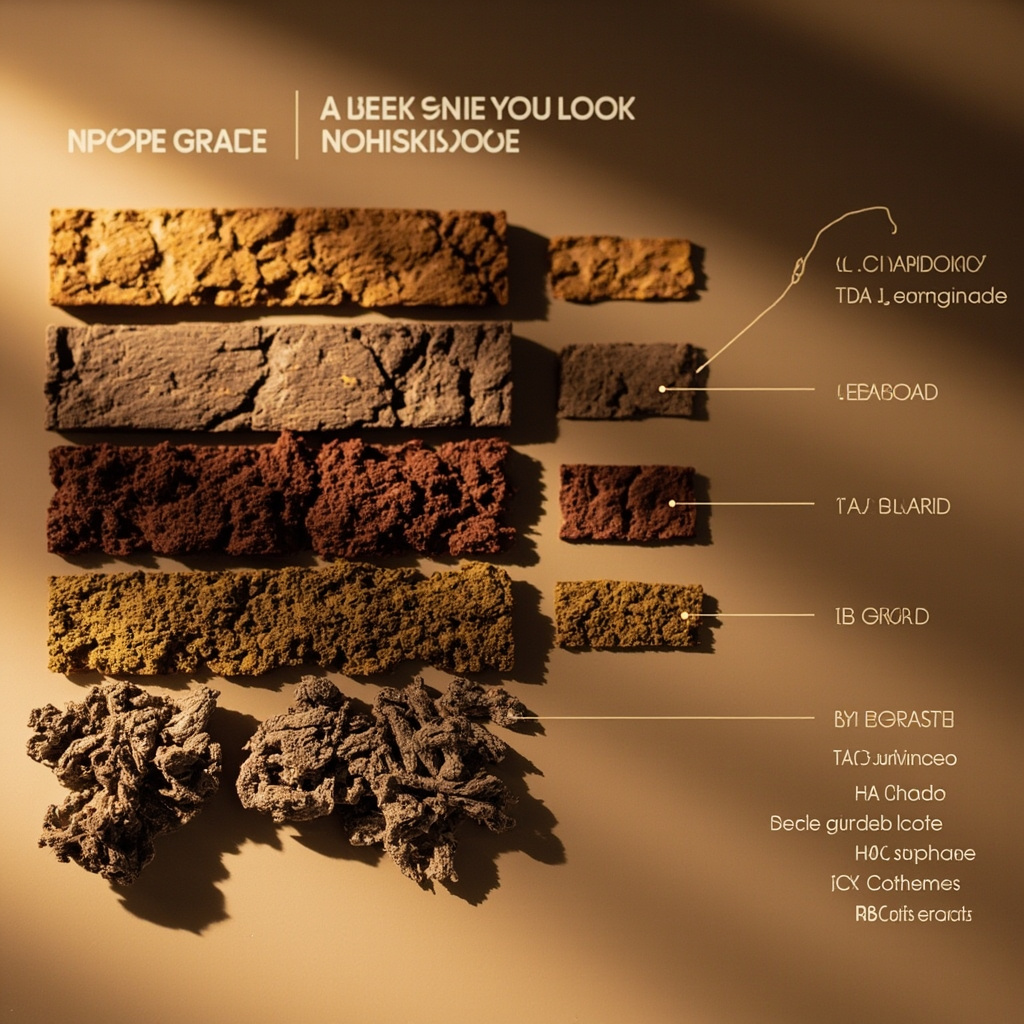
The Challenge of Grading Something Without Universal Standards
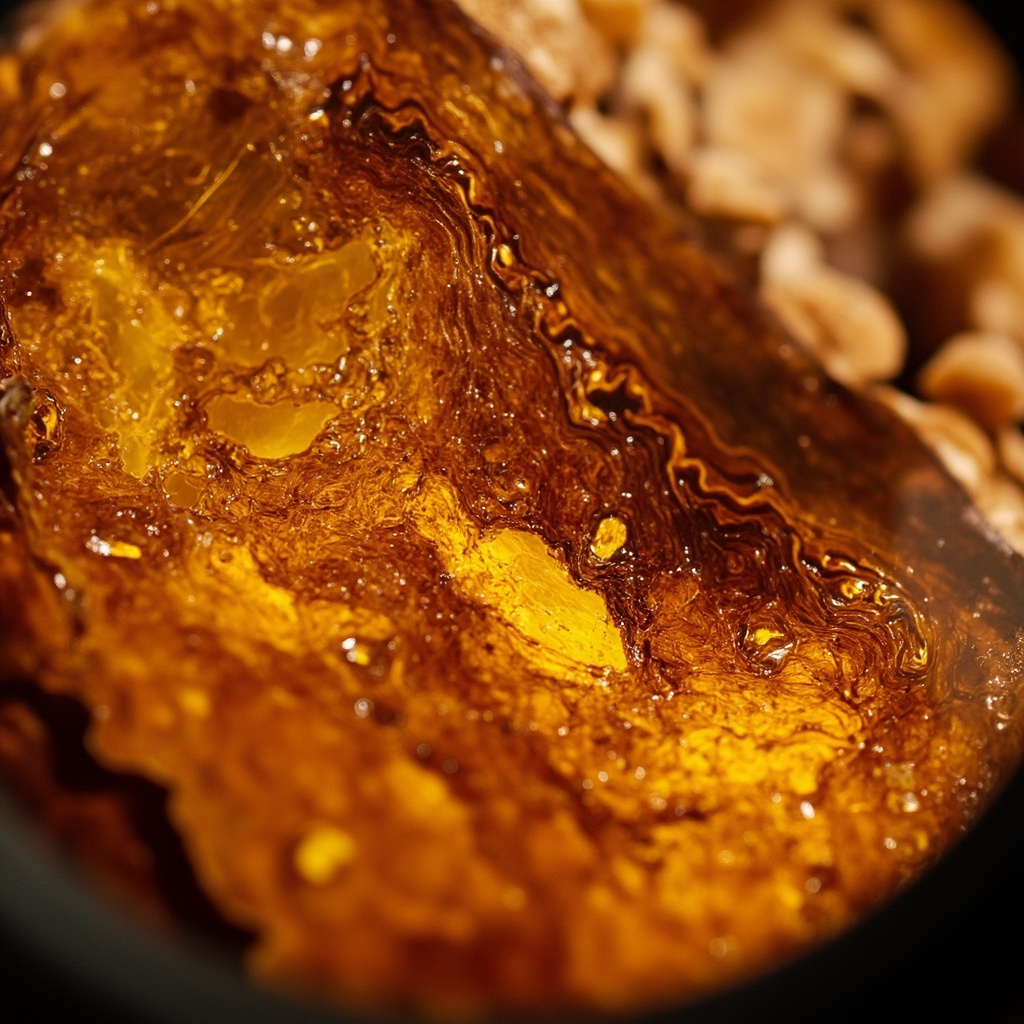
Walk into five different incense shops and ask about agarwood grades. You will get five different answers. One vendor emphasizes sinking rate. Another talks about oil content. A third cites origin as the primary determinant. A fourth insists on specific color characteristics. A fifth dismisses all grading as marketing nonsense.
Welcome to the confusing world of agarwood grading. There is no universally accepted standard. No official ranking system that everyone agrees on. No industry-wide classification that separates premium from standard with scientific precision.
What exists instead is a collection of overlapping systems, personal preferences, and regional traditions. Understanding the grading landscape helps you navigate vendor claims and develop your own assessment approach.
The Three Main Classification Approaches

Sinking rate classification — The most commonly used system. Material that sinks in water ranks higher than material that floats. Further subdivisions distinguish between completely sinking, partially sinking, and floating material.
Oil content classification — Scientific approach measuring actual resin saturation. Higher oil content correlates with fragrance quality but requires laboratory equipment to assess accurately.
Origin-based classification — Geographic origin determines grade in this system. Certain origins command premium pricing regardless of individual material characteristics.
No single system is correct. Each captures something important while missing other important factors. Experienced practitioners combine elements from multiple systems while recognizing that any grading attempt simplifies a complex reality.
Understanding the Sinking Rate System
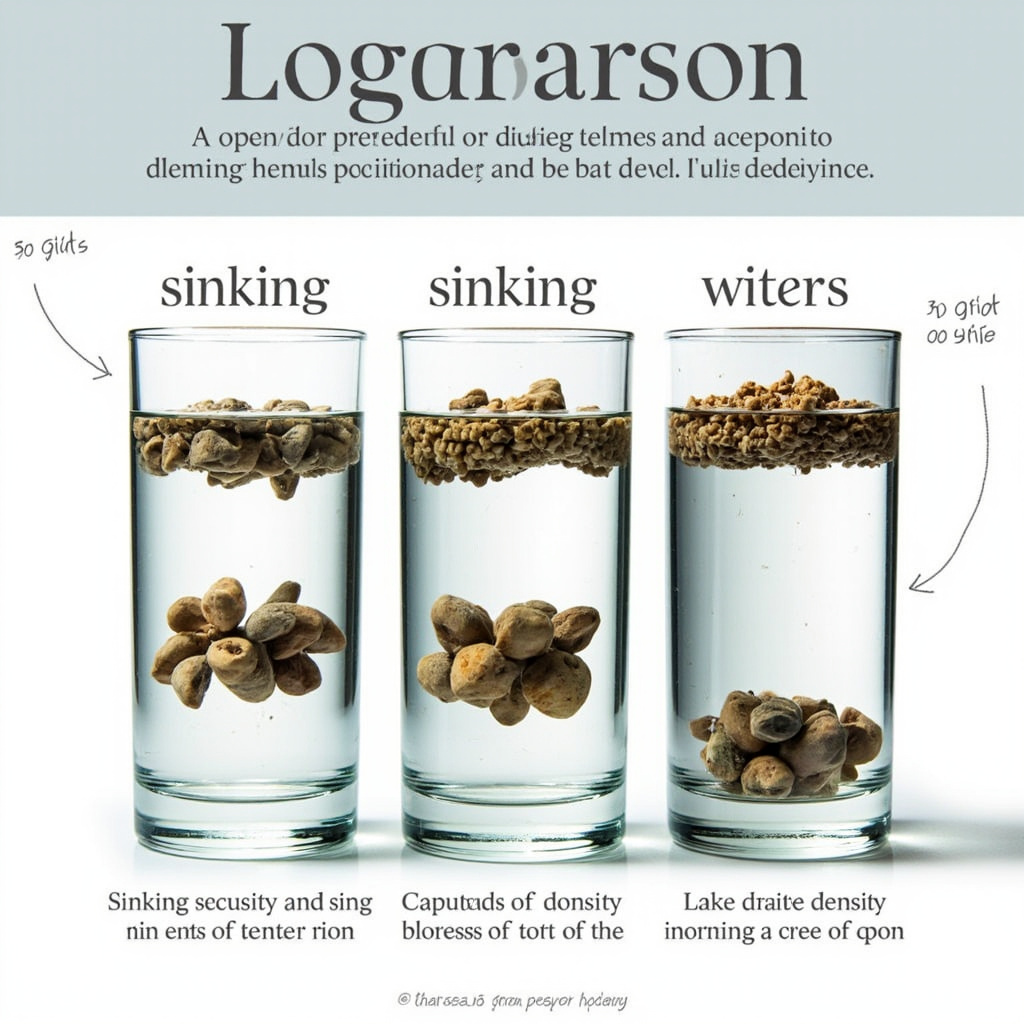
The sinking rate system dominates most market transactions. Its appeal is simplicity: drop material in water and observe what happens.
Sinking (沉水) — Complete submersion. The wood is dense enough from high resin saturation to overcome water displacement. This represents premium material, though even within sinking grade significant quality variation exists.
Sinking-floating (沉水浮) — Material that neither floats clearly nor sinks completely. It suspends somewhere in the middle. This middle ground creates the most controversy and the most price variation.
Floating (浮水) — Material that floats. Lower density indicates less resin saturation. But floating material can still be genuine agarwood, just from different parts of the tree or younger material.
The limitation of this system is obvious: density does not perfectly correlate with fragrance quality. Some sinking material offers less complex fragrance than certain floating material. The test is useful but not definitive.
The Oil Content Reality
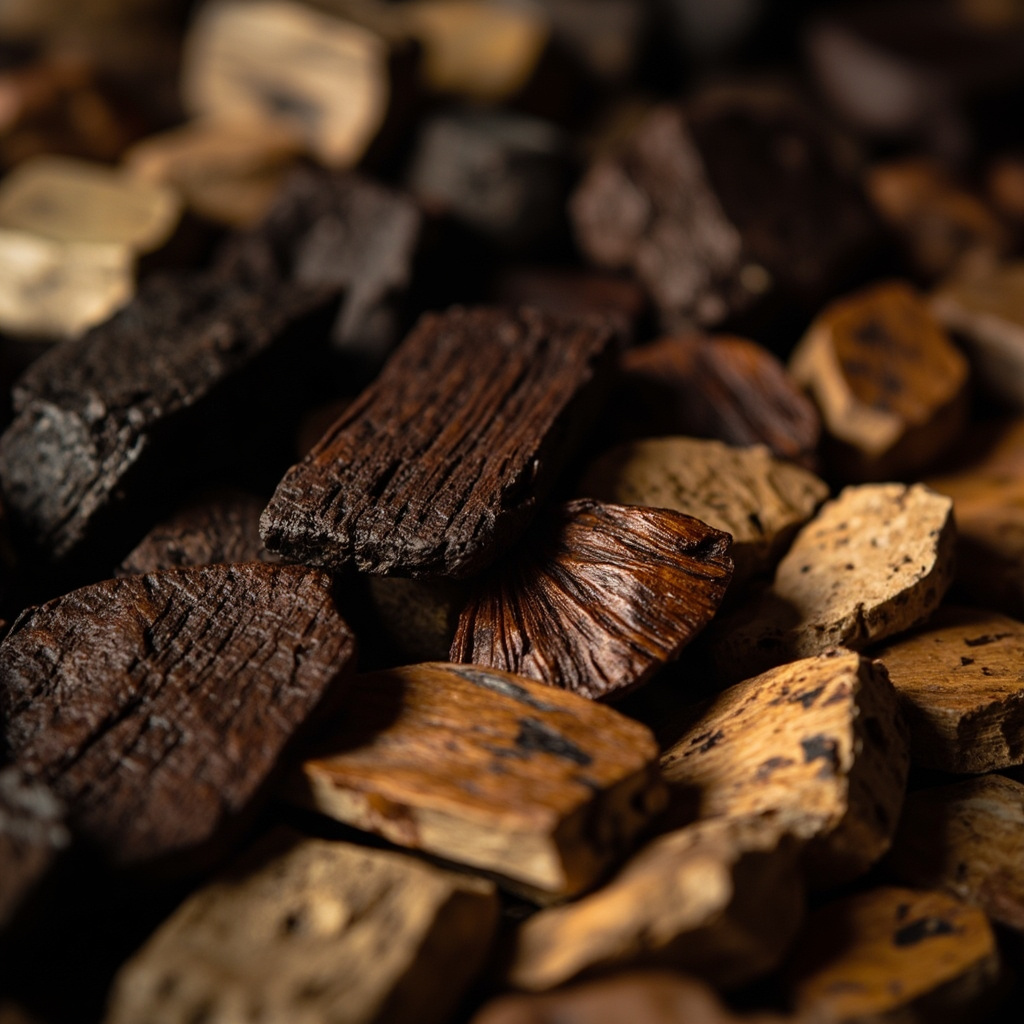
What actually makes agarwood valuable is the resin that forms within the wood. Oil content directly measures this resin saturation.
Premium grades — Often 25-30% or higher resin content by weight. This dense saturation creates the fragrance intensity that defines premium material.
Standard grades — 10-20% resin content. Still genuine agarwood, still capable of producing pleasant fragrance. Not as intense as premium but significantly more affordable.
Entry grades — Below 10% resin. Mostly wood with minimal aromatic compound contribution.
Without laboratory testing, estimating oil content requires experience. Visual assessment provides rough indication: darker generally indicates more resin, but color manipulation and artificial treatment can deceive.
Why No Universal Standard Exists
The absence of universal standards reflects agarwood complexity.
Origin variation — Different geographic origins produce material with distinct fragrance profiles. Creating universal standards across fundamentally different fragrance types proves nearly impossible.
Subjective quality — Fragrance quality is inherently subjective. What one practitioner considers exceptional another might find overwhelming. Any universal standard would reflect subjective preferences rather than objective measurement.
Market incentives — Vendors benefit from confusion. The inability to compare prices easily across vendors allows wide pricing variation for similar material.
How to Navigate Grading Claims
Practical approach to vendor grading claims:
Vendor credibility matters most — The grading system used matters less than vendor honesty. Established vendors with reputation protecting have incentive to accurately represent material.
Understand what you are buying — Ask vendors to explain their grading system. If they cannot or will not explain, that itself reveals something.
Test before committing — Purchase small quantities to test before buying larger amounts. Your own experience matters more than vendor claims.
Compare across vendors — Knowing what similar material costs across sources provides negotiation leverage.
The Bottom Line
Agarwood grading is useful framework rather than definitive truth. Understanding the systems helps navigate claims, but ultimately your own assessment matters most.
The grading system that matters is the one you develop through experience. As you burn more material and develop your palate, your internal ranking system forms. This personal assessment proves more valuable than any external grading claim.
Until you develop that experience, rely on vendor credibility, test small before buying large, and maintain appropriate skepticism about exceptional claims. Premium pricing should correlate with exceptional material, and exceptional material speaks for itself through fragrance quality.
Frequently Asked Questions
What grade of agarwood should beginners buy?
Start with standard grades, not premium. Your palate is developing, and the difference between premium and standard is less important than building reference experience. Save premium purchases until you have baseline comparison points.
Does sinking always mean better quality?
No. Sinking indicates density, which correlates with resin content, which correlates with fragrance potential. But some sinking material offers less complex fragrance than certain floating material. Use sinking as one indicator among many, not definitive quality proof.
Is there an official agarwood grading standard?
No universal standard exists. Chinese industry standard LY/T 2904-2017 provides some classification guidance but is not universally adopted or enforced. Most market grading reflects vendor-specific systems rather than official standards.
How can I verify grade claims?
Verification requires combination of approaches: visual inspection for density and color consistency, fragrance testing for quality confirmation, and trusted vendor relationships for accurate representation.