The Most Precious Wood in Chinese Incense Culture

If sandalwood is the foundation of Chinese incense, then agarwood — called chenxiang (沉香) in Chinese — is the crown jewel. This is the wood that emperors sought, scholars debated, and collectors have paid fortunes for throughout Chinese history.
While sandalwood is common enough to be used in everyday incense, agarwood occupies a different tier entirely. The finest grades can cost more than gold by weight. And unlike most woods, agarwood develops its famous fragrance only after a remarkable biological process — the tree fights back against infection, producing a dense, aromatic resin as defense.
In Chinese culture, chenxiang literally means “sinking fragrance.” Unlike lighter woods that float on water, high-quality agarwood sinks. And unlike most fragrances that dissipate, chenxiang seems to grow stronger over time. The name captures something essential about this remarkable material.
What Exactly Is Agarwood?
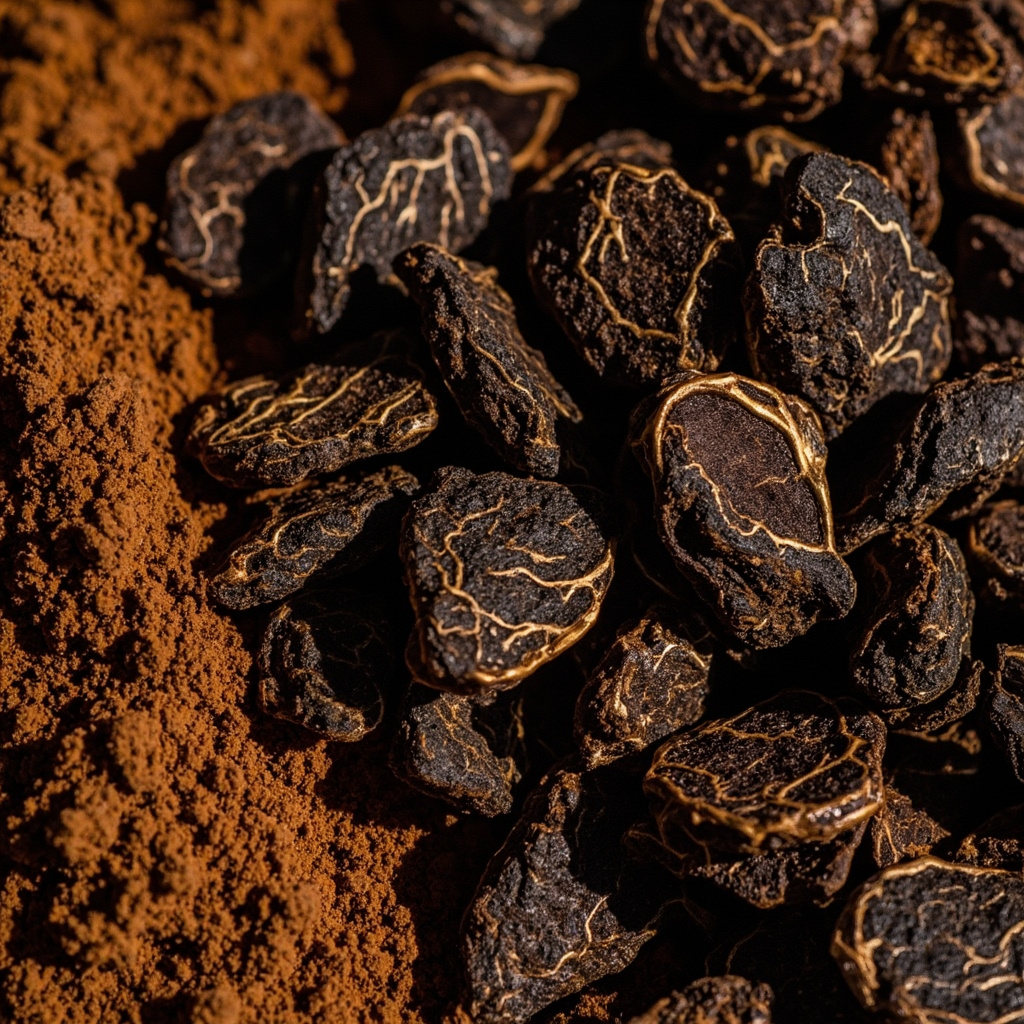
Agarwood comes from trees in the Aquilaria genus, native to Southeast Asia. But here’s what makes it special: these trees only produce the resin that creates agarwood when wounded or infected. The tree’s natural defense mechanism — fighting off infection — creates the dense, aromatic material that makes agarwood so valuable.
This process can take decades, sometimes over a century. Old-growth agarwood from ancient trees is virtually nonexistent today — what remains comes from trees at least 30-40 years old. Plantation-grown agarwood exists, but the quality differs significantly from wild-harvested material.
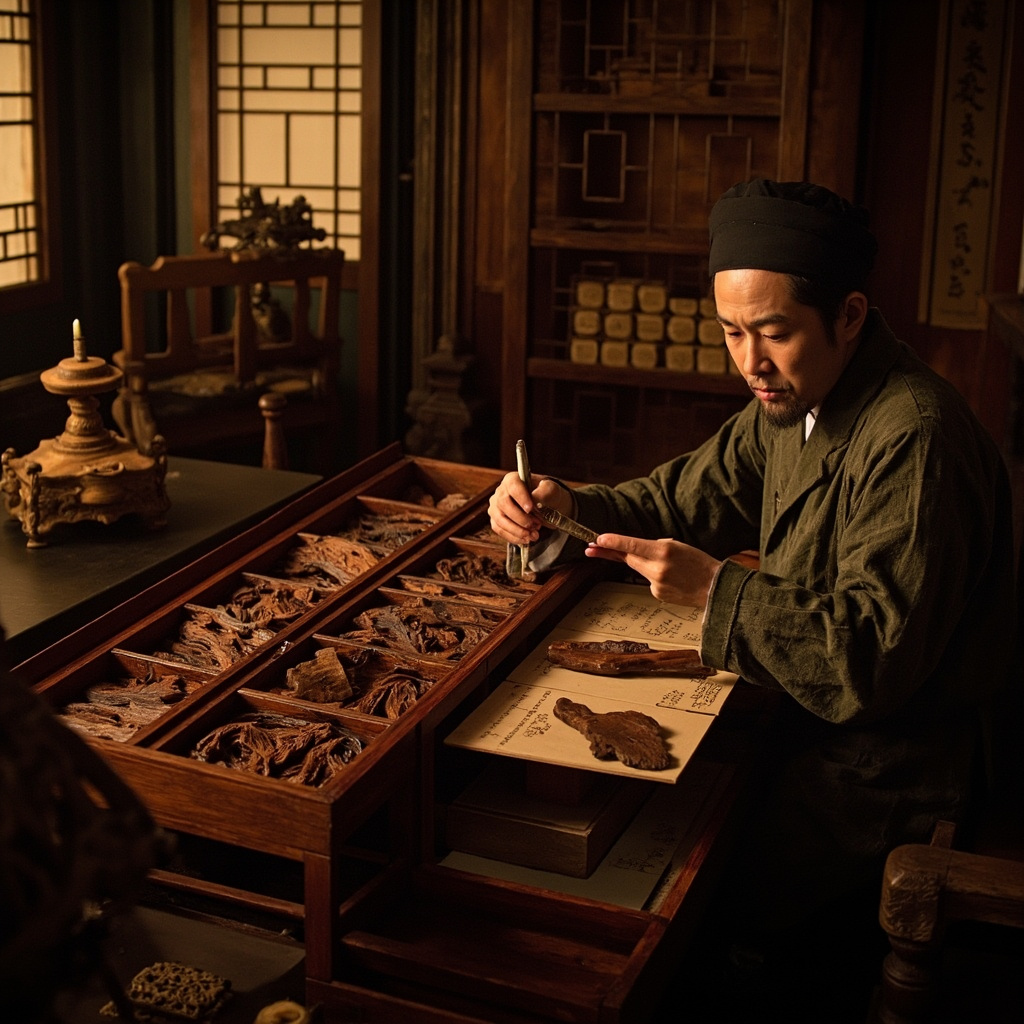
The resin forms in irregular patterns throughout the heartwood — dark veins, swirls, sometimes almost pure resin sections. Each piece is unique, and cutting into a log is always a surprise. The patterns and density of resin determine the grade and price.
Agarwood in Chinese History
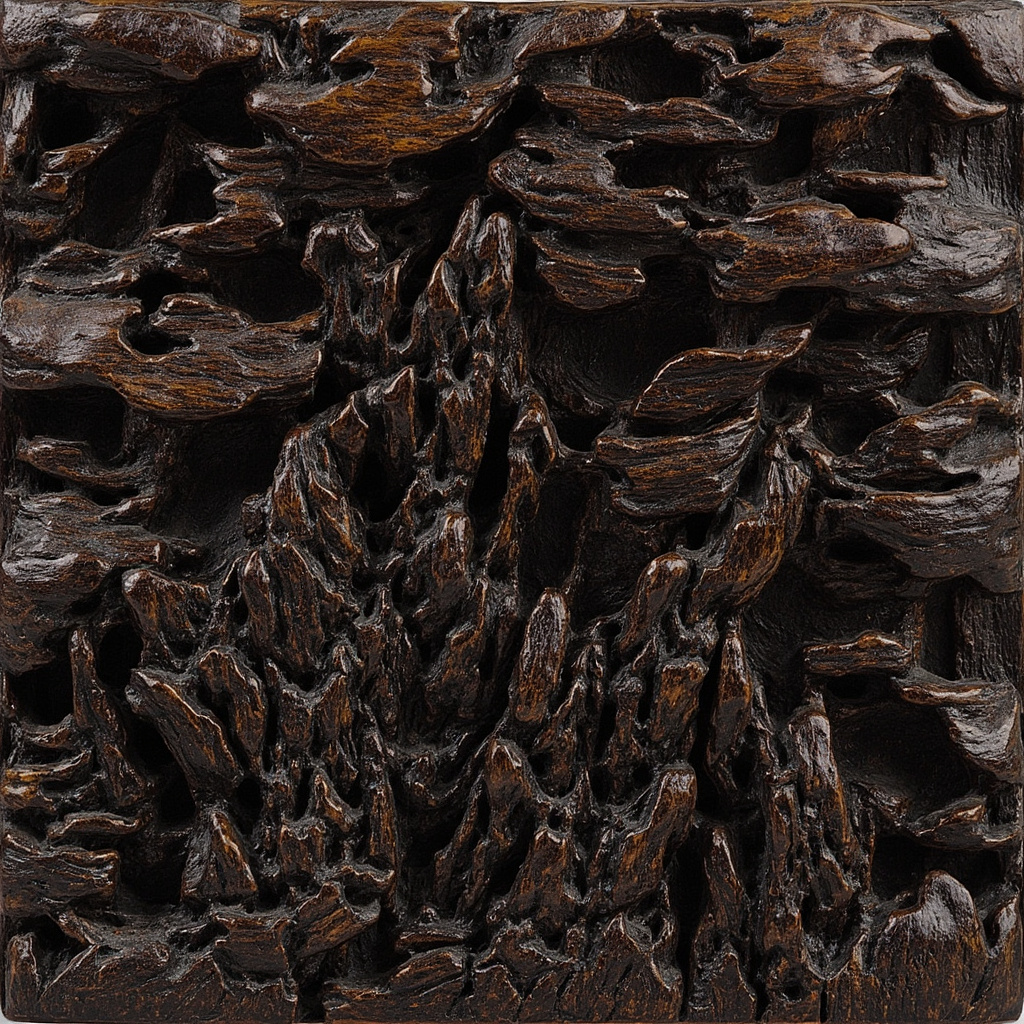
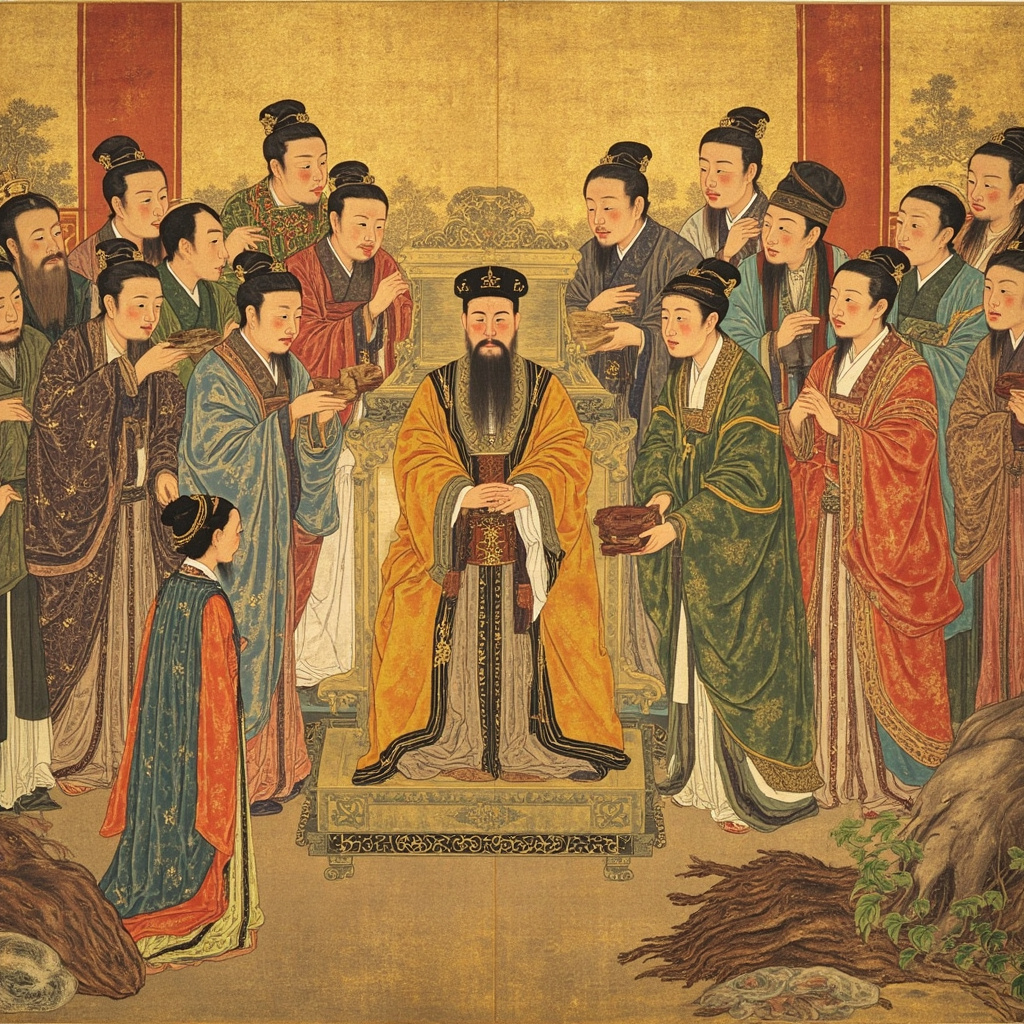
Chinese emperors coveted agarwood for centuries. It was used in palace chambers, religious ceremonies, and as diplomatic gifts. Historical records show imperial courts spending enormous sums acquiring the finest specimens.
During the Tang and Song dynasties, agarwood became intertwined with scholar culture. Poets wrote about it. Philosophers discussed it. Collectors sought the most exceptional pieces — those with the deepest color, the most complex fragrance, the most dramatic resin patterns.
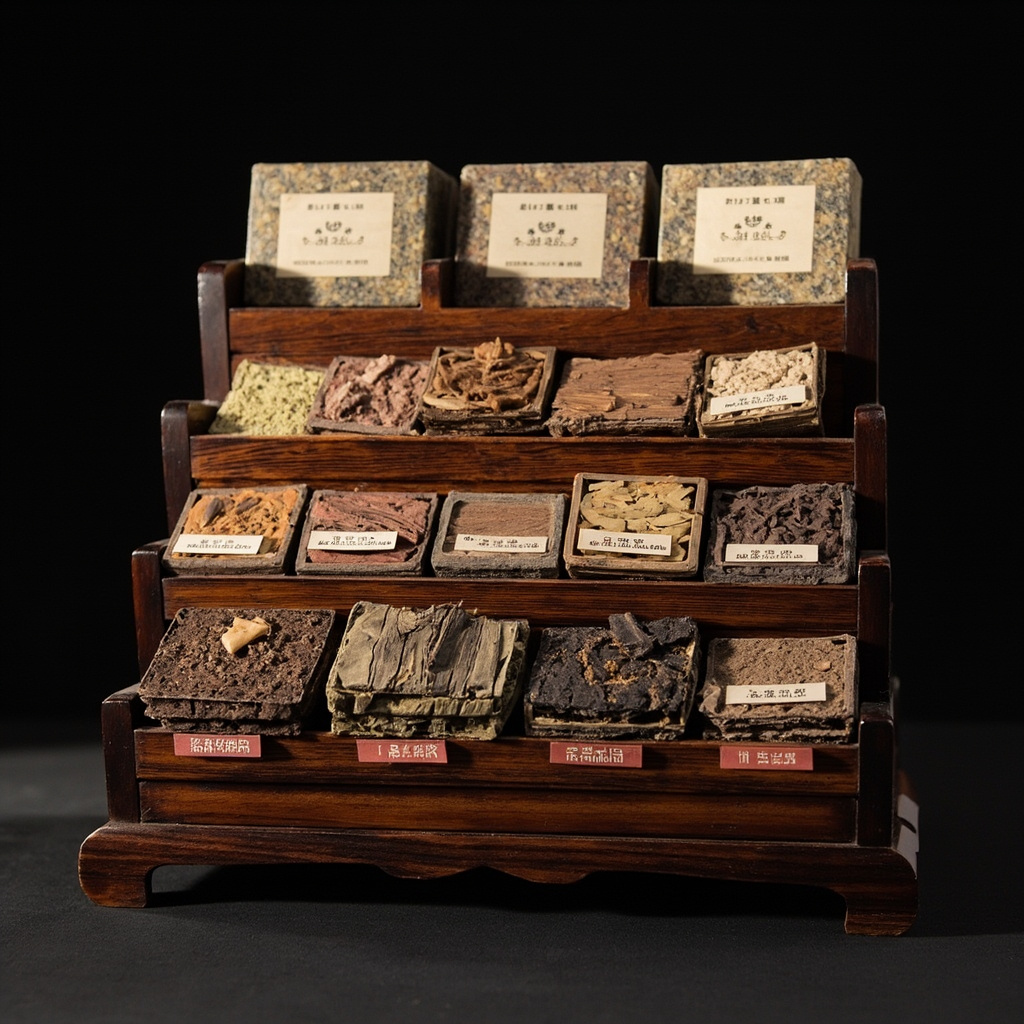
The famous voyages of Admiral Zheng He brought back precious agarwood from Southeast Asia as tribute goods. This further cemented its status as the most prestigious incense material in Chinese culture — the wood of emperors and the elite.
Unlike sandalwood, which was imported but relatively available, true premium agarwood remained scarce and precious throughout Chinese history. It represented not just luxury, but connection to an exotic, mysterious source — the forests of Champa, Vietnam, Cambodia, and the Indonesian archipelago.
The Many Grades of Agarwood
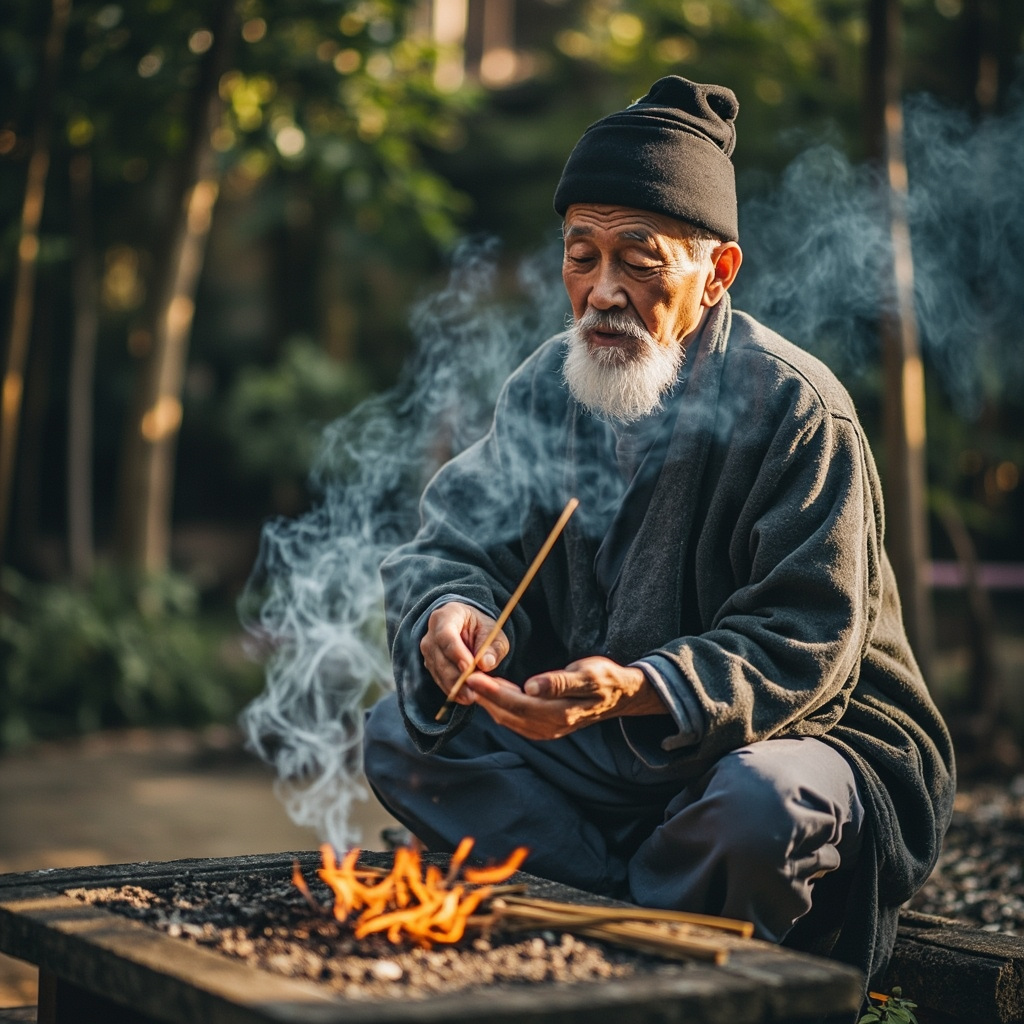
Not all agarwood is created equal. The incense market distinguishes between numerous grades based on origin, resin density, color, and fragrance quality.
By Origin:
Hainan (海南沉香) — Considered among the finest. The island’s specific climate and soil produce agarwood with exceptional fragrance complexity. Vietnamese agarwood closely related genetically.
Vietnamese (越南沉香) — Highly prized. Cau Hai and similar regional varieties known for rich, layered fragrance profiles.
Cambodian/Kampot — Strong, sometimes slightly sweet. One of the more accessible premium grades.
Indonesian — Varies widely. Sumatra and Kalimantan varieties range from excellent to mediocre.
Indian (Gyrinophora) — Different species, different character. Some consider it inferior; others prize its unique qualities.
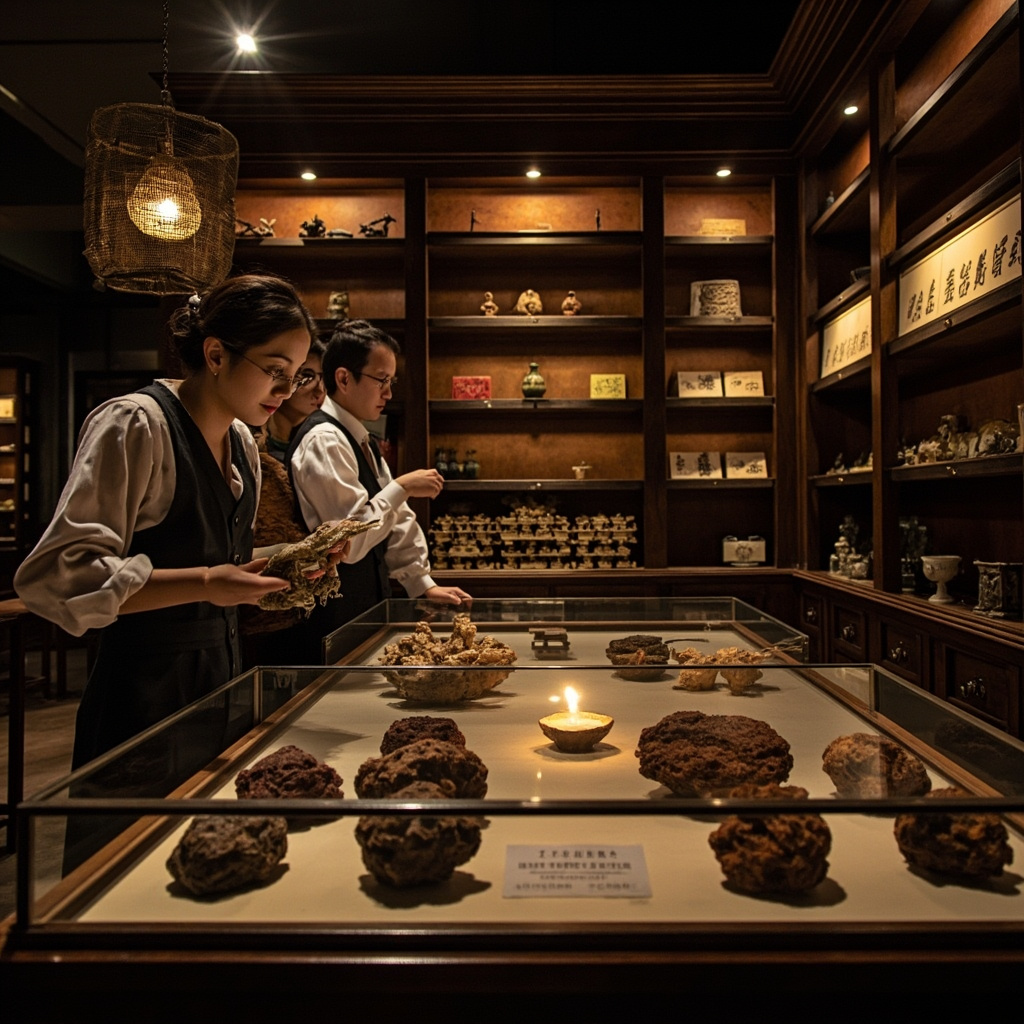
By Resin Density:
The denser the resin, the better the wood. Grades range from barely resinous — suitable only for oil extraction — to nearly pure resin — so dense it barely resembles wood at all.
By Fragrance Character:
This is where it gets subjective. Some prefer fruity, sweet notes. Others prefer woody, earthy depths. Some prize animalic, musky undertones. The ideal profile depends on personal preference and intended use.
What Does Agarwood Smell Like?
Describing agarwood fragrance is notoriously difficult — part because quality varies enormously, part because the scent evolves dramatically over time.
At its core, premium agarwood smells deep, complex, and persistent. But that description doesn’t capture what makes it special. The fragrance develops differently than other woods:
Opening notes — Often sweet, sometimes fruity. Some varieties smell almost grape-like, others more floral. The initial impression can be surprisingly light and pleasant.
Heart notes — As the wood warms, deeper qualities emerge. woody, resinous, sometimes slightly bitter. The complexity that incense enthusiasts obsess over.
Base notes — The deep, lingering foundation. This is what makes agarwood memorable — a rich, almost animalic warmth that can last for hours in the air.
Cheaper grades often smell primarily of wood with minimal fragrance. The finest specimens evolve through multiple phases, revealing new qualities as they burn or heat. This complexity — the ability to keep revealing new aspects over time — is what separates premium from ordinary.
Agarwood vs Sandalwood
If you’re new to Chinese incense, you might wonder: what’s the difference between agarwood and sandalwood? They’re both used, both precious, both highly valued. But they’re fundamentally different:
Sandalwood is predictable. Open the package, light it, smell sandalwood. Consistent. Reliable. Beautiful in its own right. The warm, creamy, comforting presence that makes it the foundation of so many Chinese blends.
Agarwood is unpredictable. Each piece behaves differently. The same variety from the same tree can smell different as it burns. Some pieces seem almost boring at first, then suddenly reveal incredible depth. Others are immediately impressive but don’t evolve.
Sandalwood is the reliable friend you can count on. Agarwood is the mysterious stranger who keeps surprising you.
For beginners, sandalwood is the natural starting point. It’s easier to appreciate, easier to work with, less likely to disappoint. Agarwood requires more patience and experience to fully understand. But once you’ve developed your palate enough to appreciate what true agarwood offers, there’s no going back.
Using Agarwood in Practice
Burn Methods:
Direct flame is the simplest approach — light the tip, let it catch, blow out the flame. But agarwood burns hot, so this method works best for higher-density grades. Lower-grade material may smolder poorly or go out entirely.
Indirect heating — on charcoal — is preferred by serious practitioners. The lower, more controlled heat releases the fragrance more gradually, allowing you to experience the full evolution of the wood. Electric burners work too, though some argue they don’t bring out the same depth.
Quantity:
Less is more with agarwood. Because it’s so concentrated, a small piece goes further than you’d expect. Overusing doesn’t intensify the experience — it muddies it. Start conservative and adjust based on your burner and preferences.
Combining:
Some practitioners burn agarwood alone to fully appreciate it. Others blend it with sandalwood or other materials. Both approaches have merit. Alone lets you understand the wood. Blended creates new aromatic experiences impossible with either material alone.
Ethical Sourcing
Agarwood faces serious sustainability challenges. Wild Aquilaria populations are endangered in many regions due to overharvesting. Legal restrictions vary by country, and illegal trade remains a problem.
If you’re concerned about sourcing:
Ask dealers about origin and harvest methods. Reputable sellers can trace material to specific regions and harvests.
Consider plantation-grown alternatives. While wild material remains superior, ethical plantations can provide usable incense without contributing to wild harvest pressure.
Avoid suspiciously cheap material. If the price seems too good to be true, it probably is — whether that means misidentification, adulteration, or illegal sourcing.
Support organizations working on cultivation and conservation. Some producers are actively working to make agarwood sustainable long-term.
The Bottom Line
Agarwood represents the pinnacle of Chinese incense culture — the material that emperors sought, scholars debated, and collectors have paid fortunes for. Its complexity, rarity, and the extraordinary process by which it forms make it unique among fragrant materials.
For beginners exploring Chinese incense, agarwood isn’t necessarily where to start. The complexity requires some baseline understanding of incense to appreciate. But for those willing to develop their appreciation — willing to spend time learning what makes quality — agarwood offers experiences unavailable from any other material.
Think of it like learning wine or tea. You start with basics, develop your palate, and gradually expand into more complex, demanding varieties. Agarwood is the equivalent of rare vintage wines or aged pu-erh teas — not daily drinking, but something special for when you want the full experience.
Whether you eventually explore agarwood depends on how deep your interest goes. But understanding its place in Chinese incense culture — the history, the reverence, the extraordinary biological process that creates it — enriches the broader practice, even if you never burn a piece yourself.
Frequently Asked Questions
Why is agarwood so expensive?
Supply is extremely limited. True agarwood only comes from infected Aquilaria trees, and the infection process takes decades. Wild populations are depleted worldwide. Demand continues growing as more people discover it. The combination of rarity, labor-intensive harvesting, and transport from remote regions creates high prices.
How can I tell good agarwood from bad?
Experience is the best teacher. Once you’ve burned enough samples, you develop intuition. Until then: smell before you buy if possible. Quality should smell complex even cold. When burned, it should evolve rather than remaining static. Be suspicious of very cheap prices — they usually indicate problems with authenticity, quality, or sourcing.
Can beginners use agarwood?
Technically yes, but it’s not ideal as a starting point. If you’re curious, try a small amount of mid-grade material first. Reserve premium grades until you’ve developed some baseline appreciation for incense. Burning $200 of premium agarwood when you can’t yet appreciate what makes it special wastes both money and the material.
What’s the difference between沉香 and棋楠 (qinan)?
Qinan (奇楠) is a special variety of agarwood, considered the highest quality. It’s softer, often with a slightly oily feel, and fragrance that’s even more complex than regular沉香. Some consider it a separate species; others classify it as a premium grade. Either way, it commands significantly higher prices.
How do I store agarwood?
Airtight containers away from light and strong odors. Agarwood absorbs surrounding smells, so storing it near spices or other strong materials can contaminate the fragrance. Some collectors freeze material to preserve it long-term, though this is controversial.