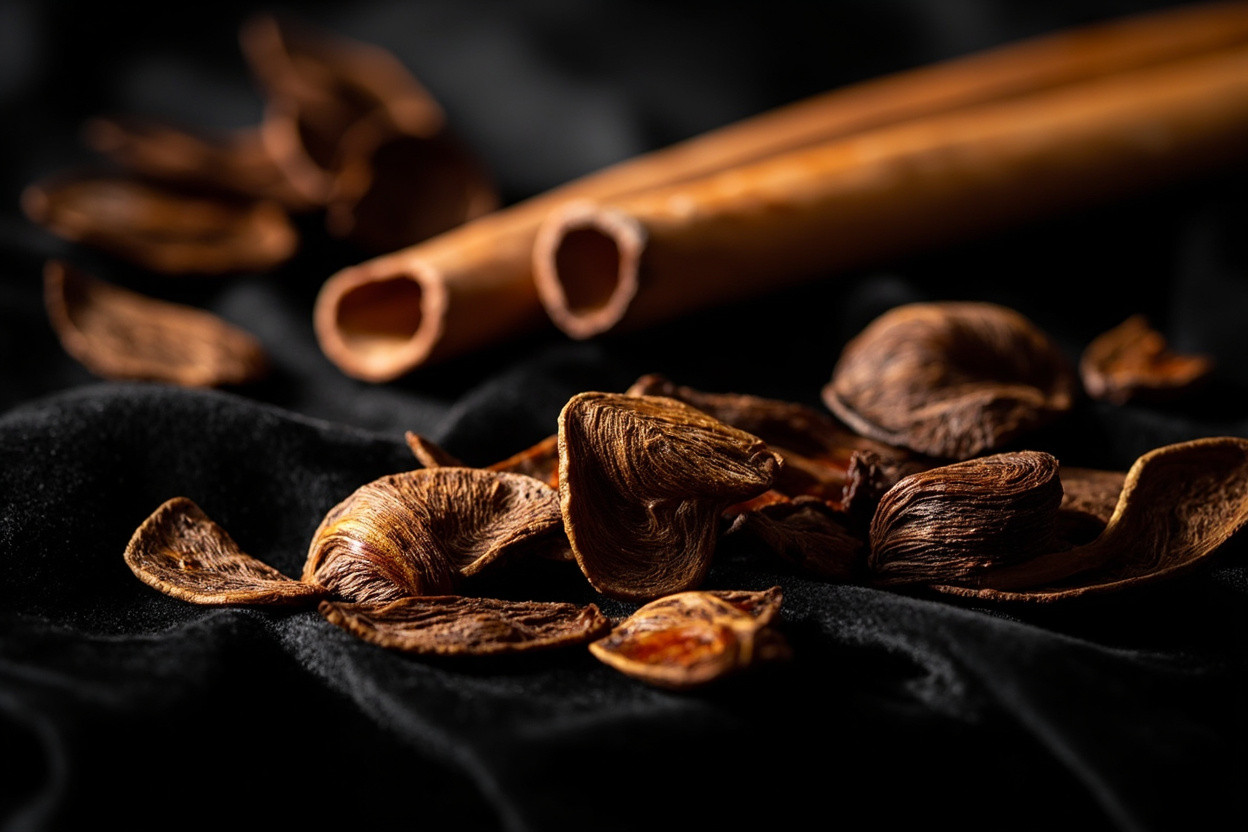
Chen Xiang, commonly known as agarwood, occupies a unique position in the hierarchy of traditional Chinese aromatic materials. It is not merely expensive – it is variable in value by orders of magnitude, from a few dollars per gram to thousands. The same term, the same appearance, the same material can represent fundamentally different products depending on origin, grade, and authentication.
Understanding agarwood requires understanding this variability. It is not a standardized commodity. It is a biological material with extraordinary complexity, where the same species of tree, growing in different conditions, producing resin under different stressors, for different durations, will yield materials that range from nearly worthless to priceless.
What Makes Agarwood Different
Unlike most aromatic woods, which are valued for their natural fragrance, agarwood is valued for what happens when the tree is wounded. The Aquilaria species that produce agarwood do not naturally contain the compounds that make the material valuable. These compounds are produced as a defensive response to injury, infection, or stress.
This process, called pathological lignification, can take decades to produce material of significant commercial value. The longer the stress period and the more severe the infection, the more thoroughly the aromatic compounds saturate the wood. The result is a material with extraordinary variability: low-grade agarwood with minimal resin saturation exists alongside ultra-premium grades where the aromatic compounds have replaced most of the original wood structure.
Grade Indicators
The classical grading systems for agarwood focus on several key characteristics. Oil distribution refers to how uniformly the resin has saturated the wood. Color ranges from pale yellow through dark brown and black, with deeper colors generally indicating more extensive resin saturation. Weight is critical: resin-saturated wood is significantly heavier than untreated wood of the same dimensions. Finally, fragrance intensity and complexity distinguish premium grades.
The Authentication Challenge
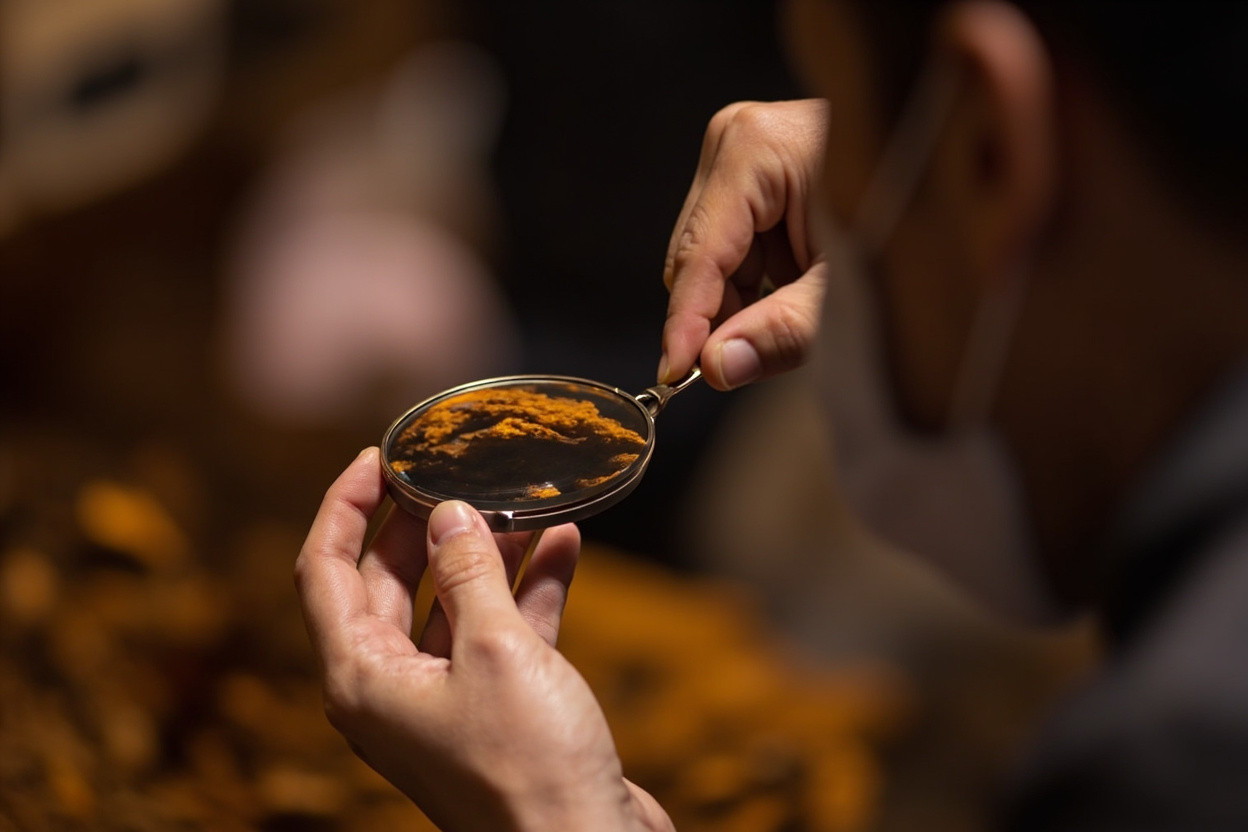
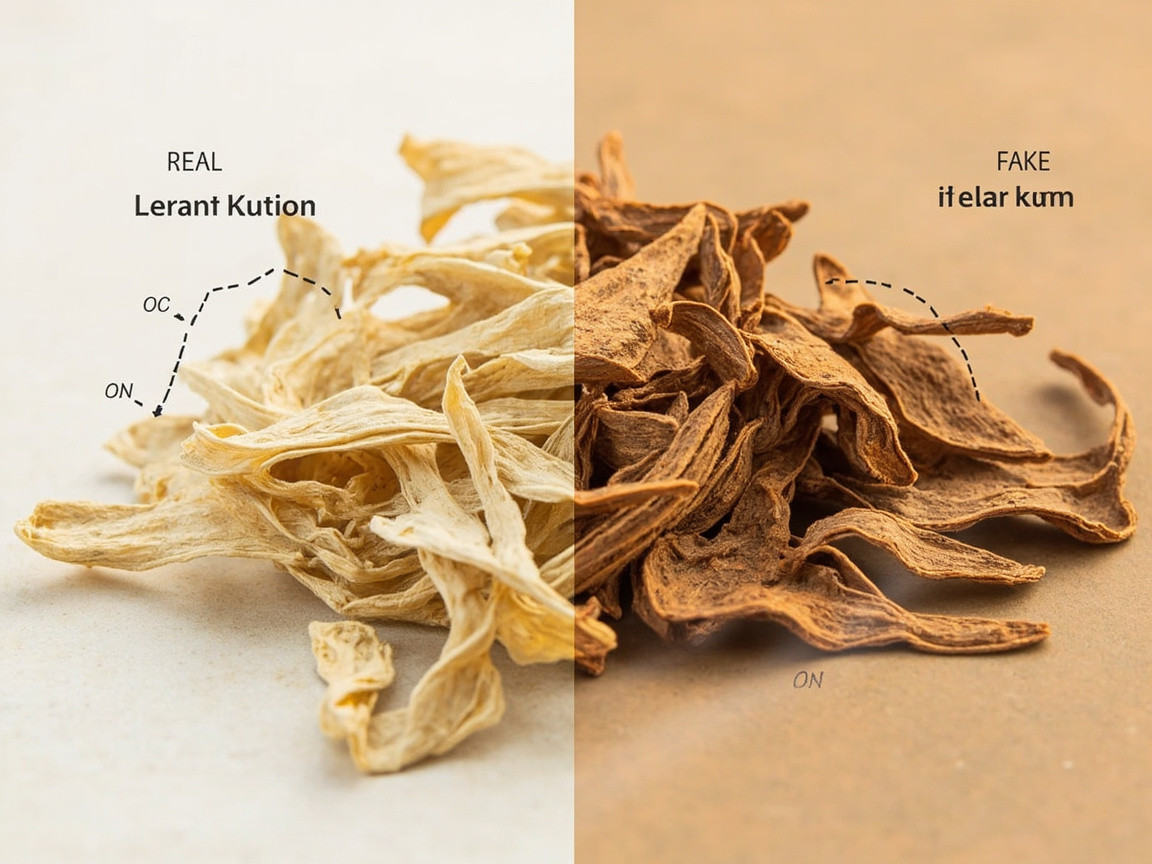
The market for agarwood is plagued by counterfeits, and authentication requires experience that cannot be easily transferred through books or online resources. The fundamental challenge is that visual and tactile examination require direct experience with known authentic materials.
Several authentication methods exist. The burn test provides the most reliable indication: authentic agarwood, when heated, produces fragrant smoke with complex aromatic profiles. Material that produces acrid or minimal scent under direct heat should be treated with suspicion.
Buying Guide
For practitioners seeking to incorporate agarwood into their incense practice, several principles apply. Begin with lower grades to develop familiarity with the material. Purchase from established sources with verifiable provenance. The origin of agarwood matters significantly – Vietnamese, Cambodian, and Indonesian materials each have distinct characteristics.
Budget considerations: for daily practice, grades in the mid-range provide the best value. Ultra-premium materials offer exceptional fragrance experiences, but the marginal benefit over mid-grade materials rarely justifies the exponential price increase for practical use.
Storage and Care
Proper storage preserves agarwood value and fragrance. The material should be kept in airtight containers away from light and excessive heat. Avoid humid storage conditions, as moisture can promote mold growth that damages the material.
Frequently Asked Questions
Is agarwood worth the price?
For practitioners seeking the finest aromatic experience, yes. The complexity of premium agarwood fragrance represents the pinnacle of natural aromatic materials. For budget-conscious practitioners, lower grades still offer genuine agarwood experience at accessible prices.
How can I tell if agarwood is authentic?
Direct experience with known authentic material is essential. Develop your reference library by purchasing small amounts from reputable sources, then compare unknowns against these references. Online authentication guides have limited utility because much of authentication relies on tactile sensation and direct olfactory experience.
What is the difference between Chen Xiang and Xinanyan?
Chen Xiang is the general term for agarwood. Xinanyanxiang refers specifically to the highest grades – materials with exceptional resin saturation, typically from ancient trees, with particularly complex aromatic profiles. The distinction is one of quality within the broader category.
Related Articles
Begin Your Agarwood Education
Start with small quantities from established sources. Build your reference library gradually. The investment in time and money required to develop genuine appreciation for premium agarwood is substantial – but the reward is access to one of the world most complex and satisfying aromatic experiences.