Chinese vs Japanese vs Indian Incense: Understanding the Cultural Differences
Walk into any specialty incense shop and you will likely encounter three broad categories: Chinese incense, Japanese incense, and Indian incense. These are not merely geographic designations. They represent three fundamentally different approaches to what incense is, what it does, and how it should be used.
The Three Traditions at a Glance
| Chinese | Japanese | Indian | |
|---|---|---|---|
| Primary focus | Formula & therapeutic effect | Pure material appreciation | Devotion & atmosphere |
| Typical form | Blended powders, sticks | Short sticks, powders | Long sticks, cones |
| Core practice | Hexiang (合香) — blending | Kōdō — appreciation | Dhuna — devotional |
| Dominant materials | Agarwood, sandalwood, resins | Agarwood, hinoki, Kyara | Masala spices, resins |
Chinese Incense: Hexiang and the Art of Combination
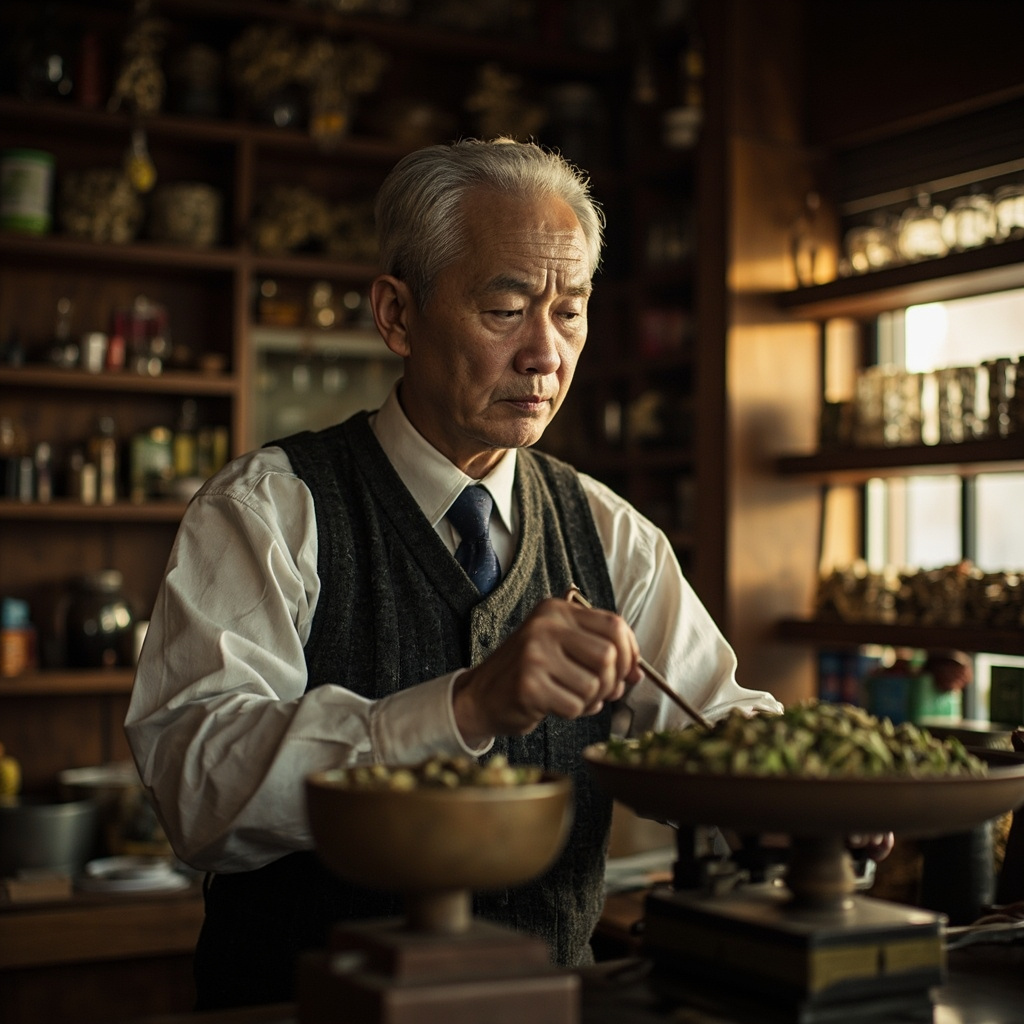
Chinese incense culture is built on the principle of hexiang (合香) — the deliberate combination of multiple aromatic materials according to systematic principles. The goal of a Chinese incense blend is not to reproduce a single natural fragrance but to create a formula that addresses a specific intention: calming the spirit, sharpening the mind, warming the body.
Chinese incense tradition is profoundly influenced by TCM theory: the classification of materials by thermal property, by flavour, and by meridian entry. When a Chinese formulator builds a blend, they are thinking in these terms — the warming material addresses the cold; the bitter material drains the fire.
Japanese Incense: Kōdō and the Art of Appreciation
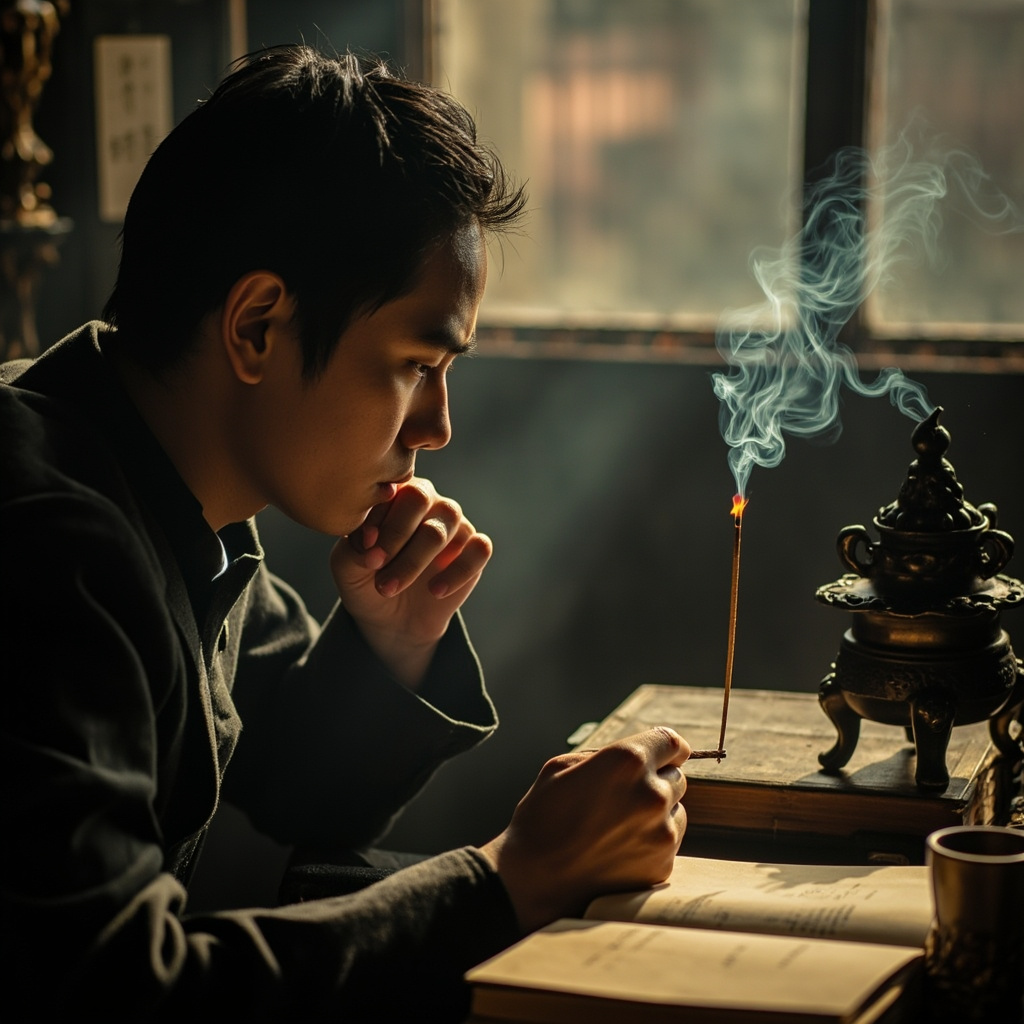
Japanese incense culture — kōdō (香道) — represents a fundamentally different approach. Where Chinese incense is primarily therapeutic, Japanese incense is primarily aesthetic and contemplative. The goal of kōdō is not to produce a therapeutic effect but to appreciate the beauty of the material itself.
The most prized material in kōdō is kyara (伽罗) — a specific type of high-grade agarwood valued for its extraordinary complexity and the way its fragrance evolves over an extended burn.
Key distinctions of Japanese kōdō practice:
- Single-material appreciation: Unlike the Chinese blending approach, kōdō typically burns one material at a time
- Short sticks: Japanese incense sticks (typically 4–5cm) are designed to burn for exactly 30 minutes
- The dry distillation method: Kōdō uses a heated plate (ita) to gently release fragrance without combustion
Indian Incense: Dhuna and the Sensory Bath
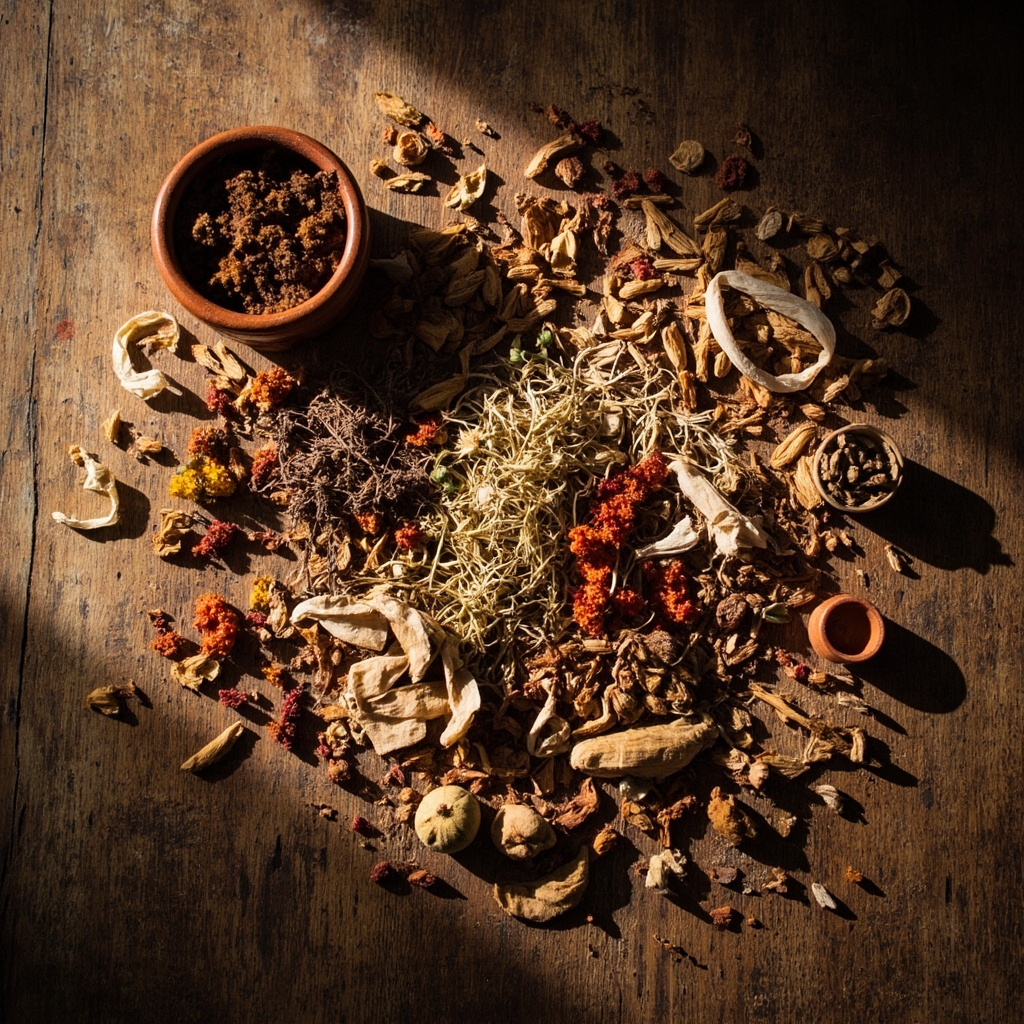
Indian incense culture — the masala tradition and the dhuna devotional practice — is the most sensory and outwardly directed. Indian incense is devotional and atmospheric: it is meant to fill a space, to create an environment, to support prayer and meditation.
The masala incense tradition uses a paste of powdered spices, resins, and woods coated onto a bamboo stick. Popular ingredients include: cinnamon, clove, cardamom, ginger, turmeric, sandalwood powder, and various aromatic barks and resins.
Key Differences in Practice
Purpose: Chinese incense is used to produce a specific therapeutic effect. Japanese incense is used to appreciate the beauty of a material. Indian incense is used to create an atmosphere and support devotion.
Method: Chinese incense is typically burned on charcoal. Japanese incense is heated on a plate at low temperature. Indian incense is typically burned as sticks or cones in holders.
Complexity: Chinese incense is the most technically complex — the formulatory knowledge required takes years to develop. Japanese kōdō is the most aesthetically refined. Indian masala incense is the most accessible.
Frequently Asked Questions
Which tradition produces the “best” incense?
There is no objective answer — it depends entirely on what you want. Chinese incense offers systematic therapeutic knowledge. Japanese kōdō offers contemplative material appreciation. Indian incense offers accessible, communal, devotional fragrance.
Is Japanese incense better because it uses single materials?
Not better — different. Single-material appreciation and blended therapeutic incense are different arts with different goals.