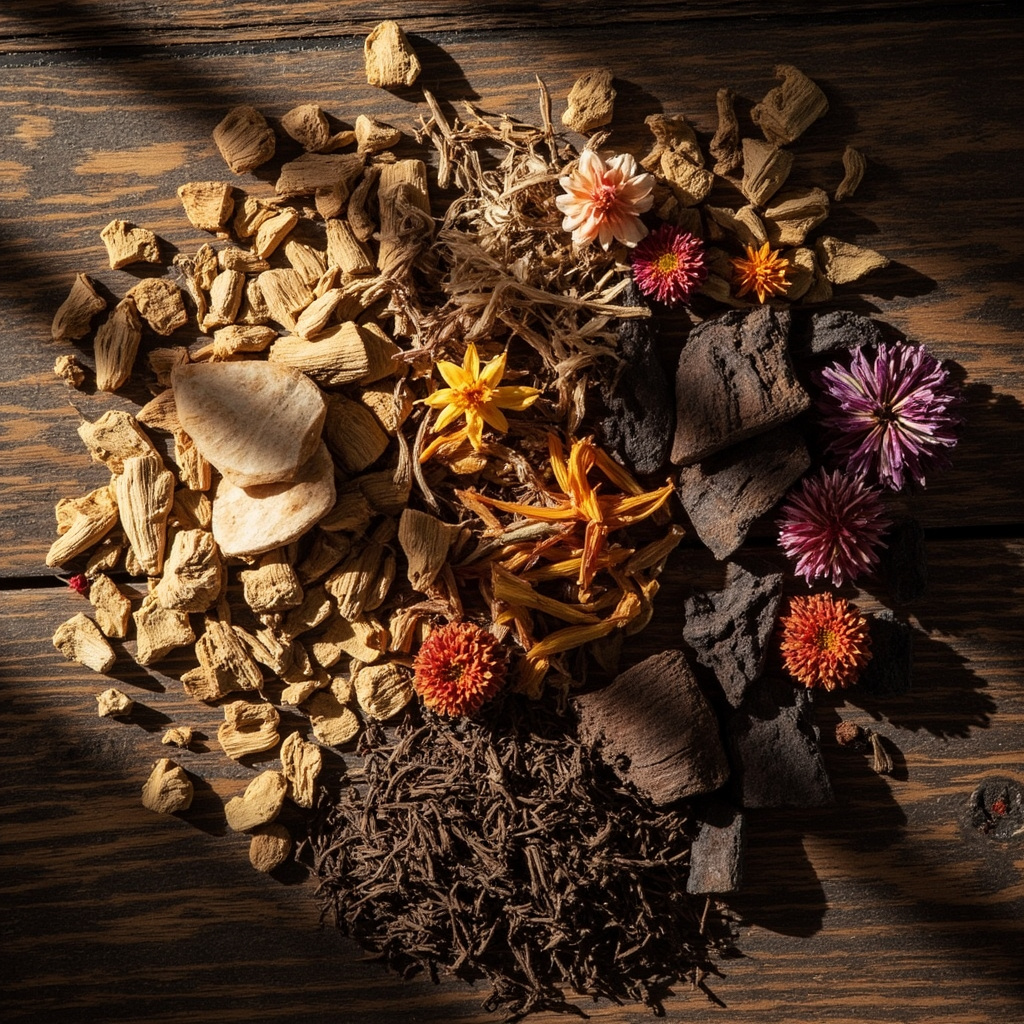
Incense and Qi Cultivation: Using Fragrance to Support Your Practice
In the Daoist tradition of qi cultivation — the practices by which a person works to refine, store, and circulate their qi (气) — every sense door is a potential pathway for self-transformation. The eyes receive light and visual impressions that affect the quality of shen (神, spirit). The ears receive sound, music, and language that affect the emotional and mental state. The body receives tactile sensations and temperature changes that affect the flow of qi through the meridian system. And the nose receives fragrance — the most direct and immediate of the sensory inputs — which enters the brain and affects the shen before it is even consciously perceived.
Daoist practitioners have always understood this and have incorporated incense — specifically formulated incense for cultivation practice — into their daily regimen. The goal was not aesthetic pleasure. It was the deliberate use of fragrance to create specific states of body and mind: states that were conducive to stillness, to movement, to insight, or to the circulation of qi along specific meridian pathways. This guide covers the complete theory and practice of using incense in support of qi cultivation.
The Daoist Framework for Understanding Fragrance
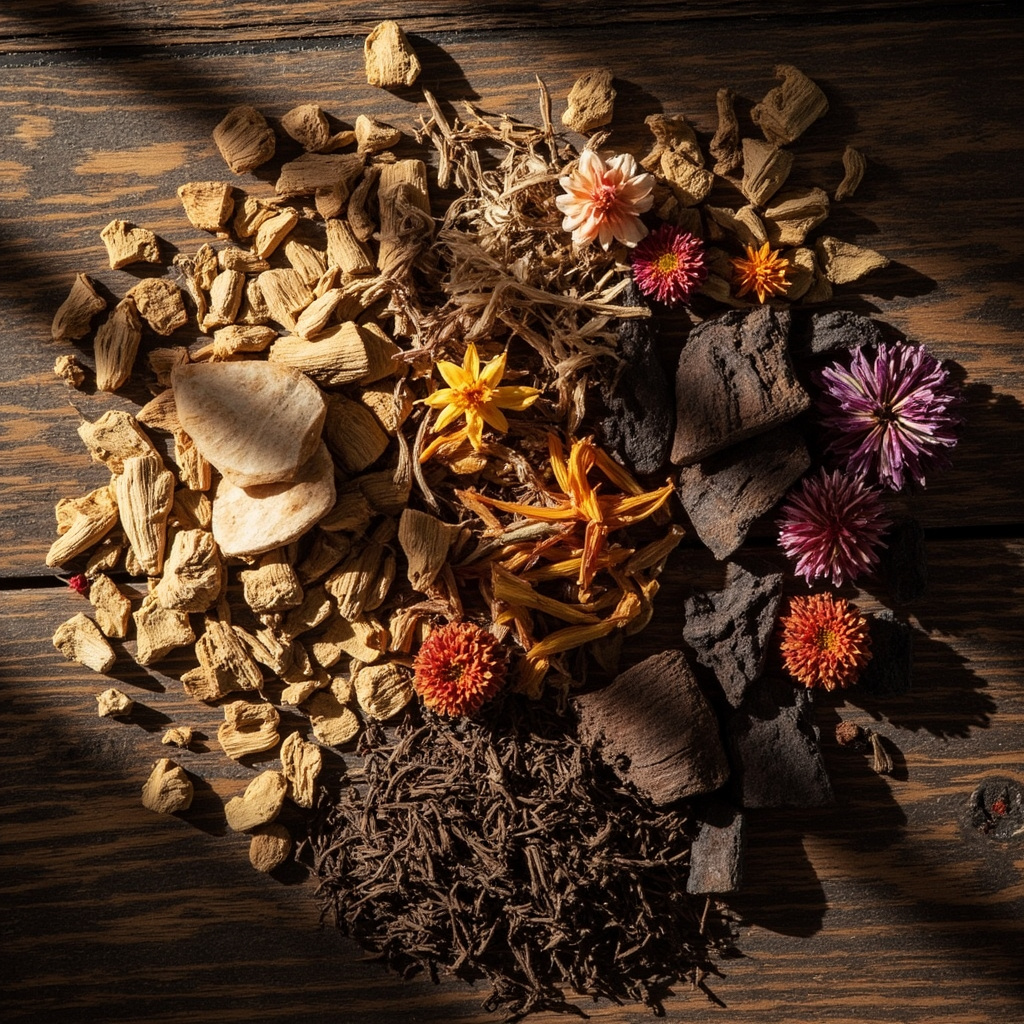
In the Daoist understanding, the body is not merely a physical structure — it is a multi-layered system of qi, organised in what the classical texts call the “three dan” (三丹田):
The lower dan (下丹田): Located in the lower abdomen, approximately three finger-widths below the navel. This is the storehouse of original qi (元气) — the qi you were born with, the foundation of all other qi in the body. Qi cultivation practices at the lower dan focus on storing and consolidating.
The middle dan (中丹田): Located in the chest, at the level of the heart. This is the seat of shen — the consciousness and awareness that must be calmed and clarified. Qi cultivation practices at the middle dan focus on calming the spirit and opening the heart.
The upper dan (上丹田): Located in the head, behind the forehead. This is the seat of awareness itself — the “crystal dwelling” from which the practitioner observes the movements of body, mind, and qi. Qi cultivation practices at the upper dan focus on clarifying awareness and, ultimately, on spiritual insight.
Different fragrances ascend to different dan: warming fragrances tend to descend and collect in the lower dan; light, ascending fragrances tend to rise to the upper dan; and the fragrance of some materials — agarwood, for example — is understood to circulate through all three, facilitating the integration of the three dan into a unified system.
Incense for Stillness: Calming the Shen
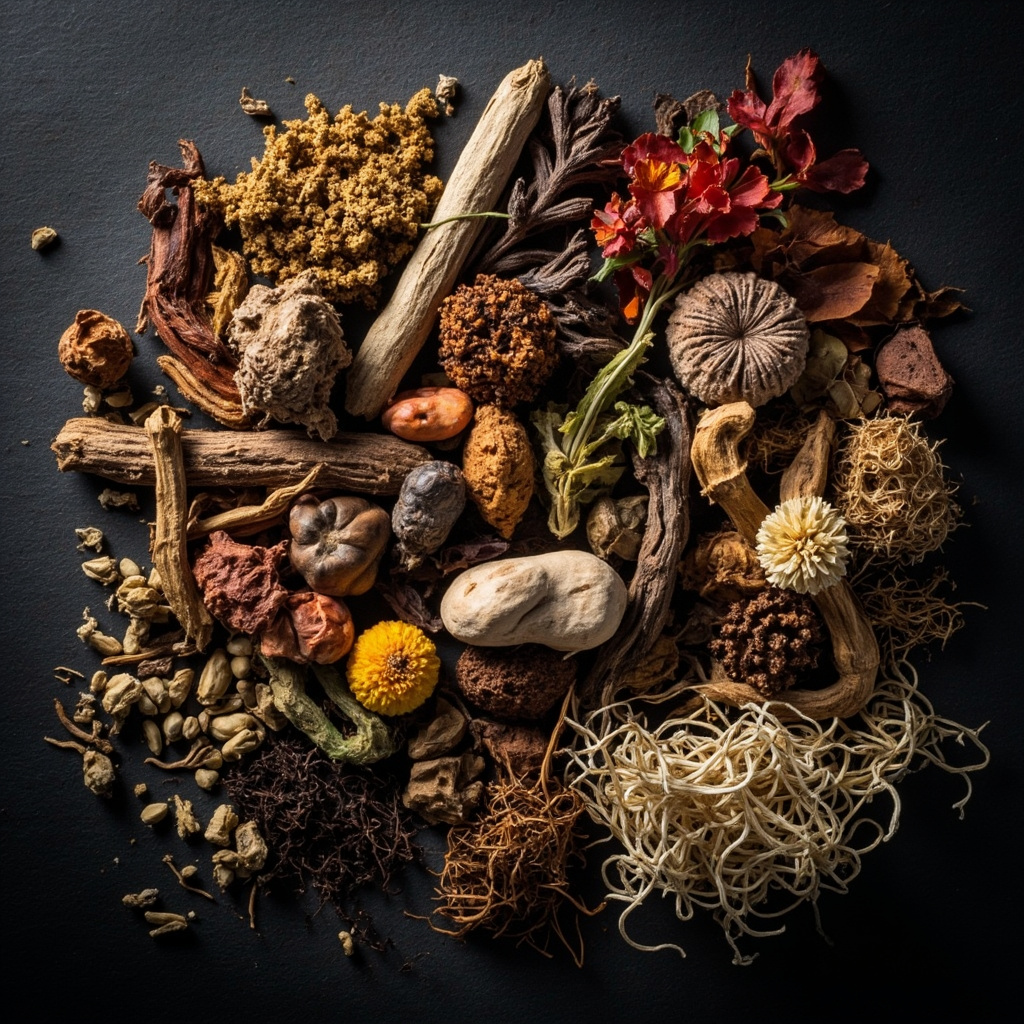
The most common use of incense in qi cultivation is to support stillness practice — seated meditation (坐功, zuo gong) aimed at calming the shen and, ultimately, at experiencing the nature of awareness itself.
For this purpose, the appropriate incense is calming, settling, and slightly sweet: it quiets the mental noise, reduces the flow of random thought, and creates the atmospheric context that supports the transition from ordinary mind to meditative mind.
Recommended materials:
- Agarwood (沉香): The primary cultivation incense. Its fragrance is warm, grounding, and integrates the three dan. It settles the mind without sedating, and creates the specific quality of warm, protected stillness that Daoist practitioners call “settling the shen in its dwelling.”
- Benzoin (安息香): Calming and slightly sweet, benzoin is particularly indicated when the practitioner is agitated or anxious before practice. It quiets the emotional turbulence that prevents stillness.
- White sandalwood: Cooler and lighter than standard sandalwood, it is appropriate when the practitioner tends toward mental restlessness or heat patterns during practice.
- Osmanthus (桂花): Sweet and harmonising, osmanthus creates emotional warmth and helps dissolve the sense of isolation that some practitioners experience in solo practice.
Incense for Qi Movement: Activating the Meridians
Some qi cultivation practices are not aimed at stillness but at active movement — circulating qi through the meridian system, opening blocked channels, and moving qi to specific areas of the body. For these practices, the appropriate incense is warm, moving, and slightly pungent: it provides the energetic support the body needs to do the work of moving qi.
Recommended materials:
- Calamus (石菖蒲): The primary herb for opening the orifices and moving qi in the upper dan. When the practitioner is working to clear mental fog or to open the channels of awareness, calamus provides the aromatic support for this work.
- Frankincense (乳香): Warm and moving, frankincense supports the movement of qi in the middle and lower dan. It is particularly indicated when the chest or abdomen feels tight or constricted during practice.
- Cinnamon (肉桂): Strongly warming and yang, cinnamon is used when the practitioner needs to warm and activate the lower dan — particularly in cold conditions or when kidney yang is deficient.
- Borneol (冰片): Strongly cooling and opening, borneol rapidly ascends to the upper dan and opens the orifices. Used in very small quantities (a few crystals are sufficient), it is appropriate when rapid clarity is needed before practice.
Incense for Specific Cultivation Goals
Opening the Three Dan
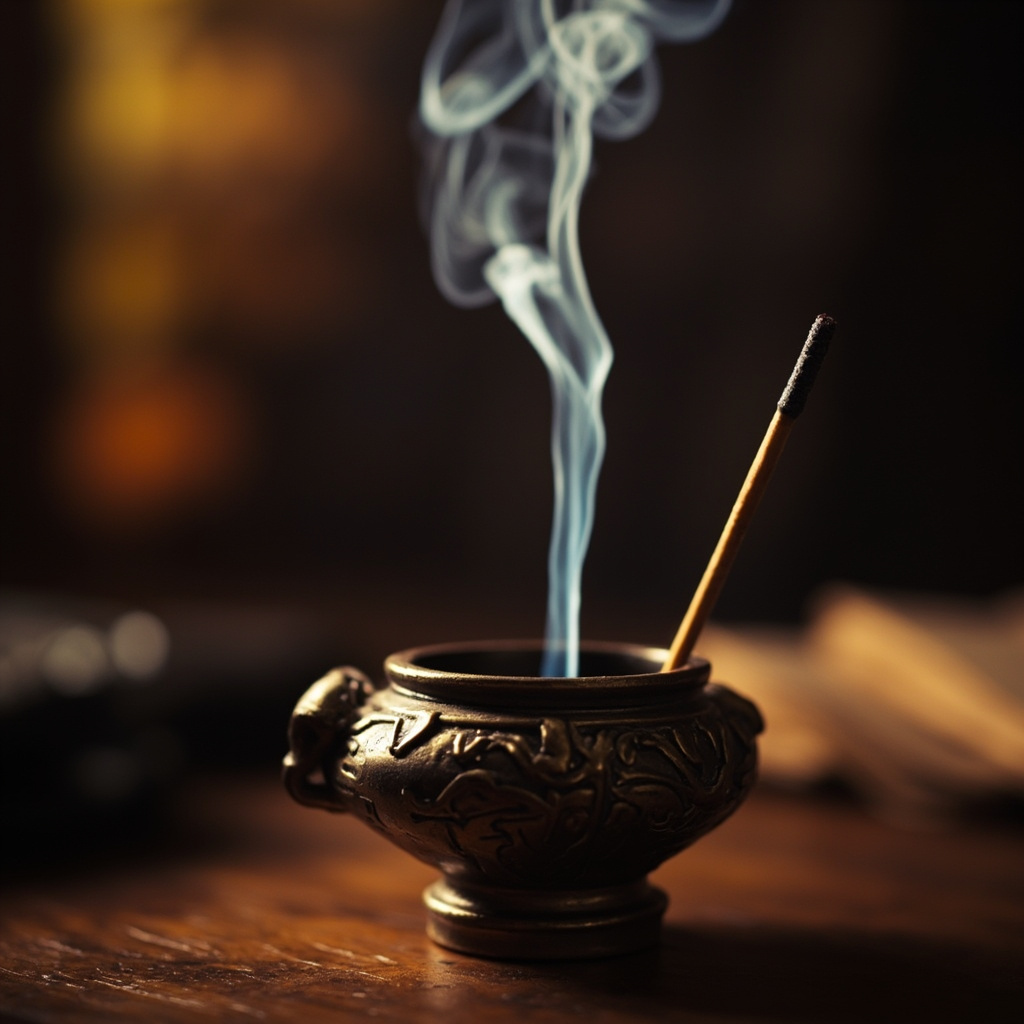
The classical practice of “opening the three dan” — preparing the three centres for the storage and circulation of cultivated qi — uses a specific incense protocol. The practitioner begins with a warming incense at the lower dan, moves to a calming incense at the middle dan, and concludes with a clearing incense at the upper dan. The progression supports the natural movement of qi upward through the dan system.
Formula: A graduated blend using cinnamon (lower), frankincense (middle), and calamus with a touch of borneol (upper) — each in the appropriate proportion for the practitioner’s current level of development.
Night Practice
Night cultivation — practicing after midnight, when the world’s noise has subsided and the qi of the earth is most still — has specific requirements. The practitioner needs to remain alert without stimulating, calm without sedating. The appropriate incense is warm, quiet, and deep: it supports the stillness of night practice without disrupting sleep afterward.
Formula: Pure high-quality agarwood, burned on a low-temperature electric heater to preserve the subtle top notes that support night practice.
Post-Illness Recovery
After illness, the body’s qi is depleted and the meridian system is vulnerable. Daoist practitioners used specific incenses during recovery to rebuild the qi, protect the wei qi (defensive qi), and prevent relapse. These were not stimulants — the goal was not to artificially energise the depleted system, but to gently support its natural recovery.
Formula: A tonifying blend using ginseng, codonopsis, and a small amount of angelica root, supported by a base of warm sandalwood. This formula nourishes without stimulating and protects the qi of the spleen and lungs.
The Practical Details: How to Burn for Cultivation
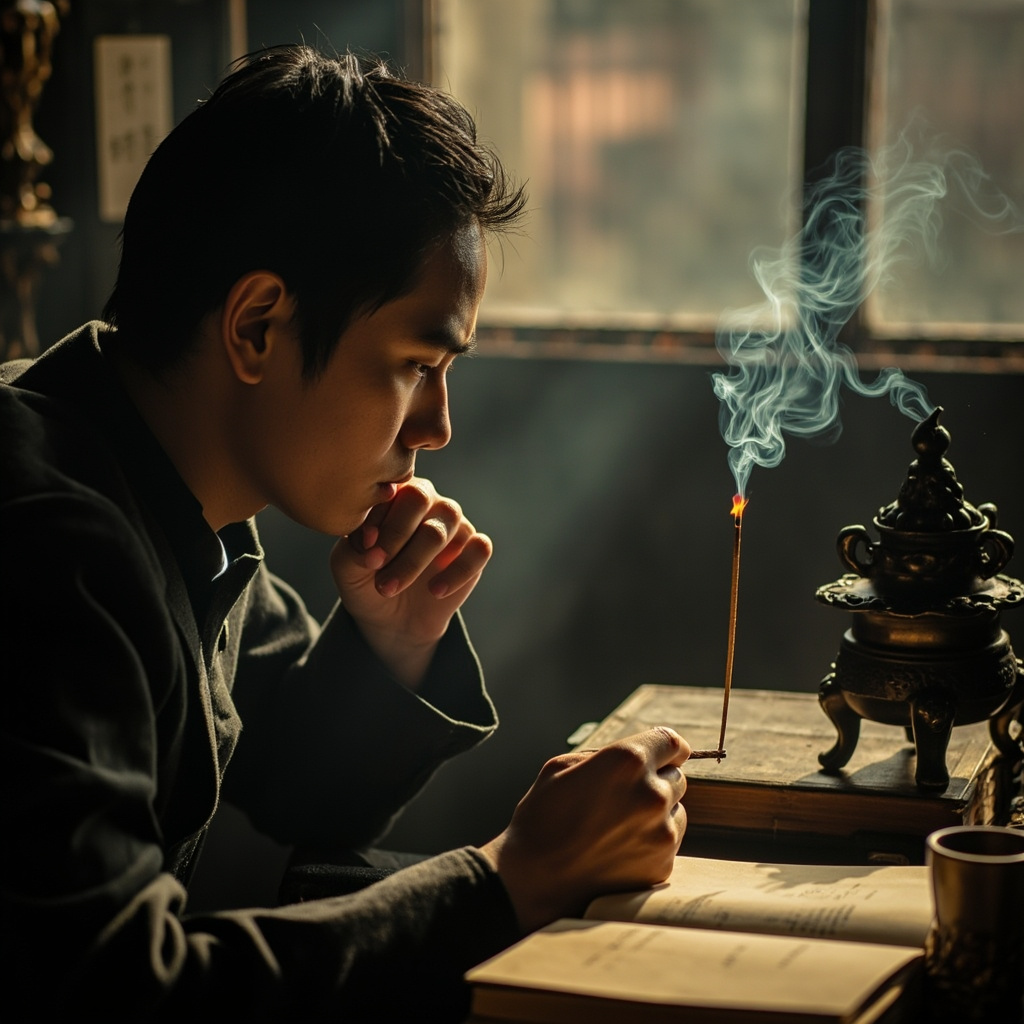
Timing: The classical texts recommend burning incense before the formal practice begins — to prepare the space, to shift the quality of the room’s qi, and to begin the internal shift from ordinary mind to cultivation mind. Ten to fifteen minutes before practice is sufficient.
Temperature: For cultivation practice, a lower temperature is generally better than a higher one. High temperatures burn off the volatile compounds rapidly and produce a less nuanced fragrance. A low electric heater (60–70°C for most materials) preserves the complexity of the fragrance and allows a longer, more subtle cultivation session.
Quantity: Less is more for cultivation practice. One small chip of agarwood, or a pinch of blended powder, is sufficient. The goal is not to fill the room with fragrance but to create a subtle presence that supports the cultivation state.
Posture: The incense burner should be placed at the appropriate height: lower dan practice (seated), a burner on the floor to the side; upper dan work, a burner at chest or face height.
Frequently Asked Questions
Do I need expensive materials for cultivation practice?
Higher quality materials produce more complex fragrances and more precise energetic effects. But the fundamental practice does not require expensive materials — a small amount of good-quality sandalwood or even a carefully blended standard formula can serve the practice well. What matters more than the quality of the material is the quality of the attention you bring to the practice.
Can I burn incense during zhan zhuang (standing practice)?
Yes — and many practitioners do. Standing practice generates significant internal heat and movement, and the right incense can support this process. A moving, warming incense (frankincense, cinnamon) is appropriate for standing practice, as it supports the circulation of qi.
Should I burn incense during sleep cultivation (hua gong)?
Sleep cultivation — the practice of using the sleeping hours for qi refinement — typically does not use active burning incense, as the practitioner is not conscious to manage the burner. Some practitioners use a very small amount of a long-burning material (typically a dense resin) placed in a safe burner before sleep, which burns out over the course of the night.