Ju Hua (菊花): Chrysanthemum — The Autumnal Flower in Chinese Incense
The chrysanthemum — Ju Hua (菊花) in Chinese — is the flower of autumn, of withdrawal, of the scholar who chooses integrity over advancement. Its bloom in the cool October air, when most other flowers have faded, made it a symbol of endurance, of beauty that does not compete but simply persists. Tao Yuanming, the great晋 dynasty poet, made the chrysanthemum his personal emblem: he left official life, returned to his farm, and planted chrysanthemums as his companions. In incense, chrysanthemum represents the autumn principle: withdrawal from the heat of worldly ambition into the cool clarity of a life of principle. It is the incense of autumn equinox, of the harvest’s end, of the scholar’s autumn years.
What Is Ju Hua?
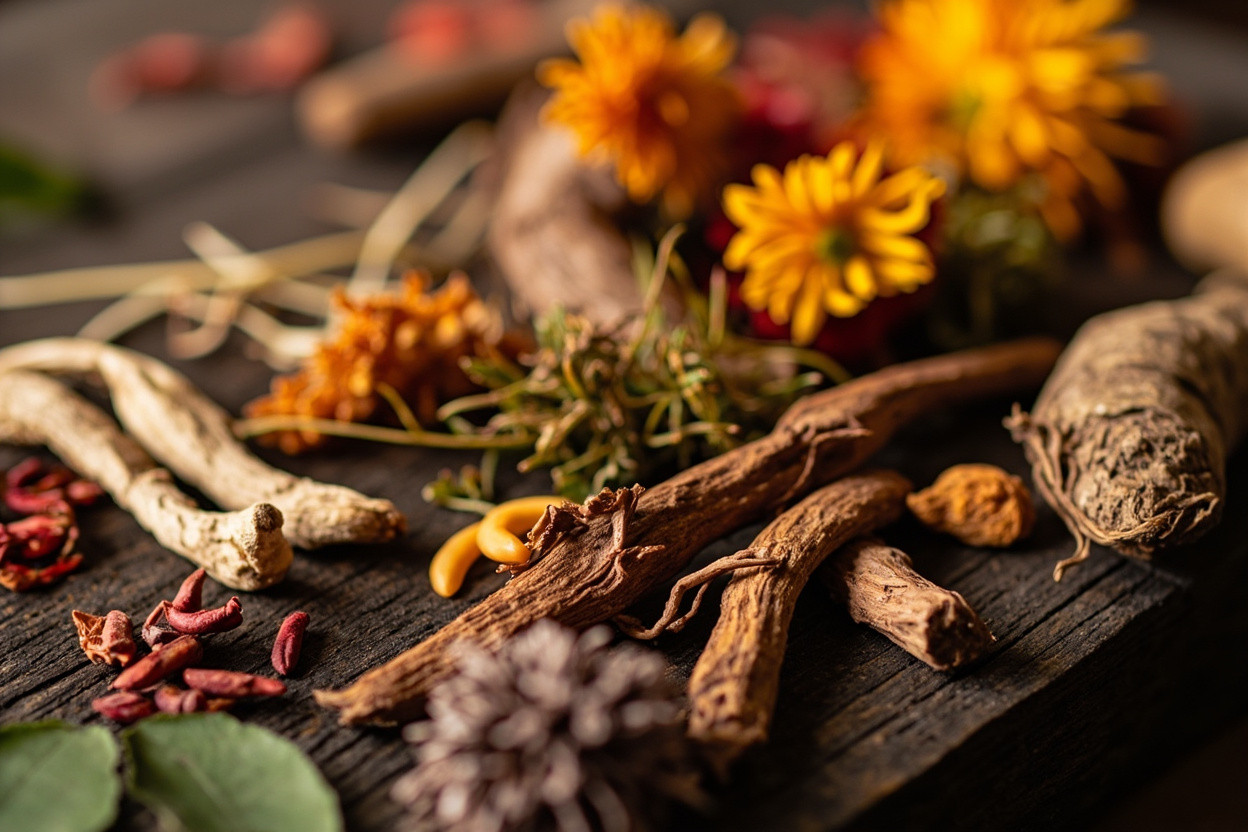
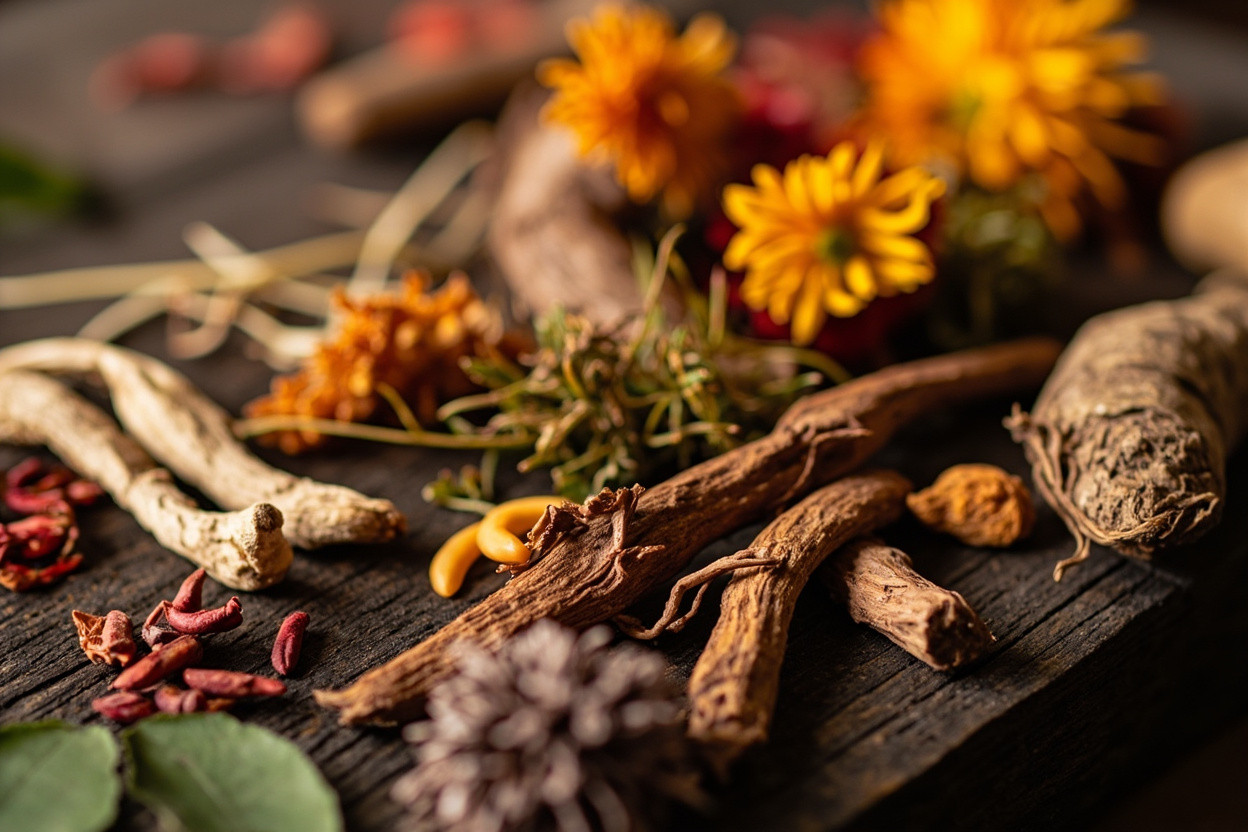
Ju Hua is the dried flower of Chrysanthemum morifolium and related species in the Asteraceae family. In China, chrysanthemum cultivation has produced hundreds of cultivars broadly categorised into two groups:
- Gong Ju (贡菊) — Huangshan chrysanthemum, from Anhui province. White to pale yellow flowers, the most prized for tea and medicine.
- Hang Ju (杭菊) — Hangzhou chrysanthemum, from Zhejiang province. Larger flowers, typically yellow. Most commonly used in TCM.
- Chong Ju (滁菊) — Chuzhou chrysanthemum, from Anhui. Considered the highest quality for medicinal use.
The flower has a characteristic fragrance when fresh: clean, slightly bitter, with a distinctive green-chrysanthemum note that is immediately recognisable. The dried flowers retain this fragrance, which is released when heated.
Historical Background
Chrysanthemum cultivation in China dates to at least the 5th century BCE. By the Tang dynasty (618–907 CE), chrysanthemum had become established as one of the “four gentleman plants” (四君子), representing autumn, integrity, and withdrawal from worldly concern.
Tao Yuanming (365–427 CE) is the defining figure of chrysanthemum symbolism in China. After serving briefly in government, he resigned and returned to rural life, writing: “I built my house beside a travelled road, I planted chrysanthemums along the eastern fence.” His choice of chrysanthemum — blooming alone in autumn when all other flowers have gone — became the defining image of the scholar who maintains integrity even when no one is watching.
The Compendium of Materia Medica (《本草纲目》) records chrysanthemum’s use extensively: “Ju Hua clears heat, drains fire, pacifies the liver, and brightens the eyes.” It was used in formulas for fever, headache, and eye strain.
Chrysanthemum in Chinese Incense
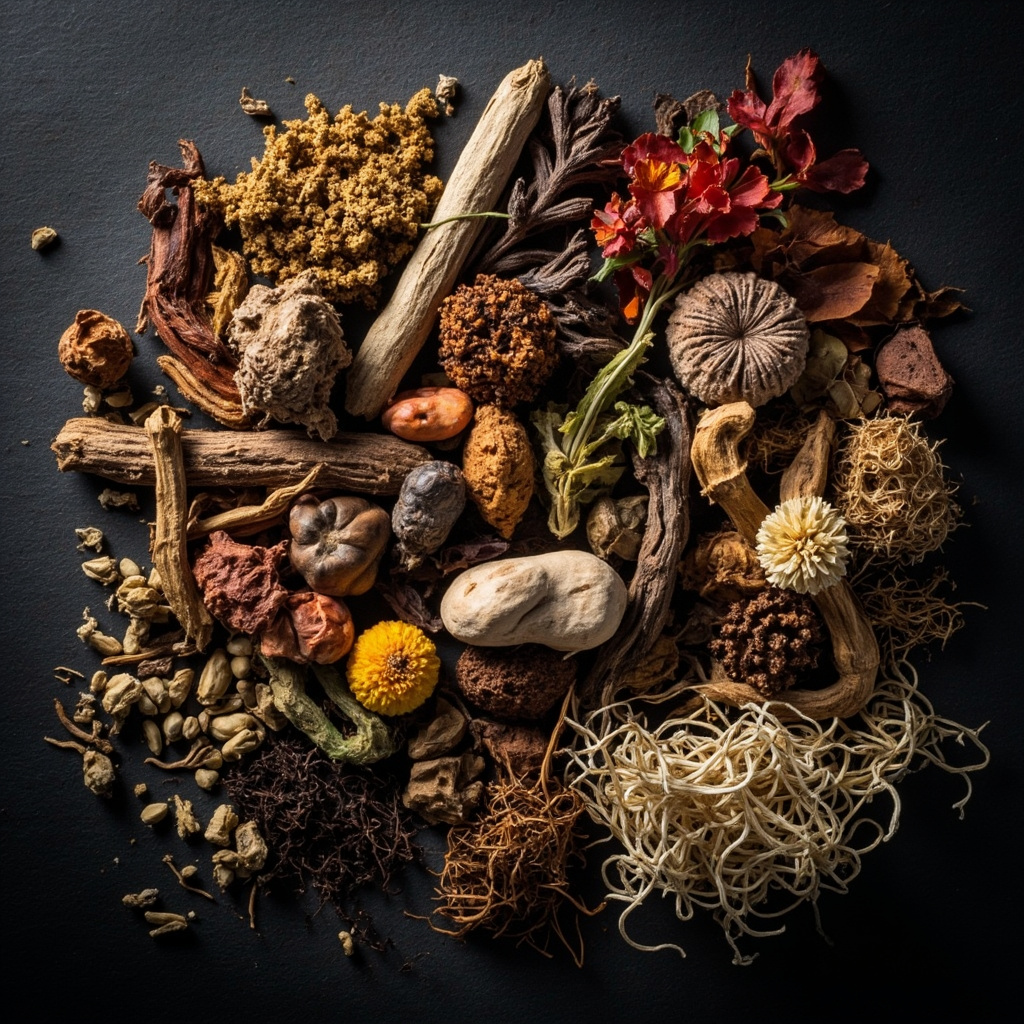
In hexiang (合香) practice, chrysanthemum is classified as a cooling modifier — a material that adds a clean, slightly bitter, autumnal quality to blends. It is particularly associated with autumn and with the quality of withdrawal and clarity.
Traditional applications:
1. Autumn incense blends: TCM-influenced incense follows seasonal principles, and chrysanthemum is the defining material of autumn blends — designed to “clear summer heat” (a TCM concept of accumulated excess from the hot months) and prepare the body for winter.
2. “Cooling” blends: Chrysanthemum’s cooling property (in TCM terms) makes it appropriate for blends designed to counteract heat, inflammation, or irritability — the inner states that correspond to excess yang in the body.
3. “Eye-brightening” incense: Classical texts describe chrysanthemum as beneficial for the eyes. Incense blends designed for study, desk work, or extended reading sometimes incorporate chrysanthemum for this purpose.
4. Meditation incense: The quality of chrysanthemum — the flower that blooms in cold, that persists when others fade — is associated with contemplative depth. Some practitioners use chrysanthemum-scented incense during meditation as a reminder of the quality of endurance and integrity.
TCM Properties
In Traditional Chinese Medicine, Ju Hua is classified as pungent, sweet, and bitter, slightly cold, entering the liver and lung meridians. Its primary actions:
- “散风清热” — Disperses wind, clears heat
- “平肝明目” — Paces the liver, brightens the eyes
- “解毒” — Resolves toxicity
Frequently Asked Questions
What does chrysanthemum incense smell like?
Natural chrysanthemum has a clean, slightly bitter, green fragrance — with a distinctive “chrysanthemum” quality that is difficult to describe but immediately recognisable. It is cooling rather than warm, and has a slightly medicinal undertone. In blends, it contributes freshness and a clean, autumnal note.
Can I use chrysanthemum tea for incense?
Chrysanthemum tea (dried flowers steeped in hot water) is not suitable for burning as incense. Use dried chrysanthemum flowers specifically sold for incense or aromatherapy purposes.
Is chrysanthemum safe?
Dried chrysanthemum flowers are considered safe for incense use. Those with allergies to plants in the Asteraceae family (which includes ragweed, marigolds, and daisies) should exercise caution.