Chuan Xiong (川芎): The King of Blood-Moving Herbs in Chinese Incense
In the Chinese pharmacopoeia, there is a hierarchy of aromatic materials, and Chuan Xiong (川芎, Ligusticum chuanxiong) sits at the top of the “blood-invigorating” category. Unlike the warm, woody comfort of sandalwood or the dark complexity of agarwood, Chuan Xiong represents something different in the incense tradition: the sharp, penetrating, upward-rising energy of moving blood and qi — a material that cuts through stagnation, opens blockage, and brings energy to the surface. In classical texts, it is described as the “chief of the blood-moving herbs” — the material that all others defer to when blood stagnation is the concern.
What Is Chuan Xiong?
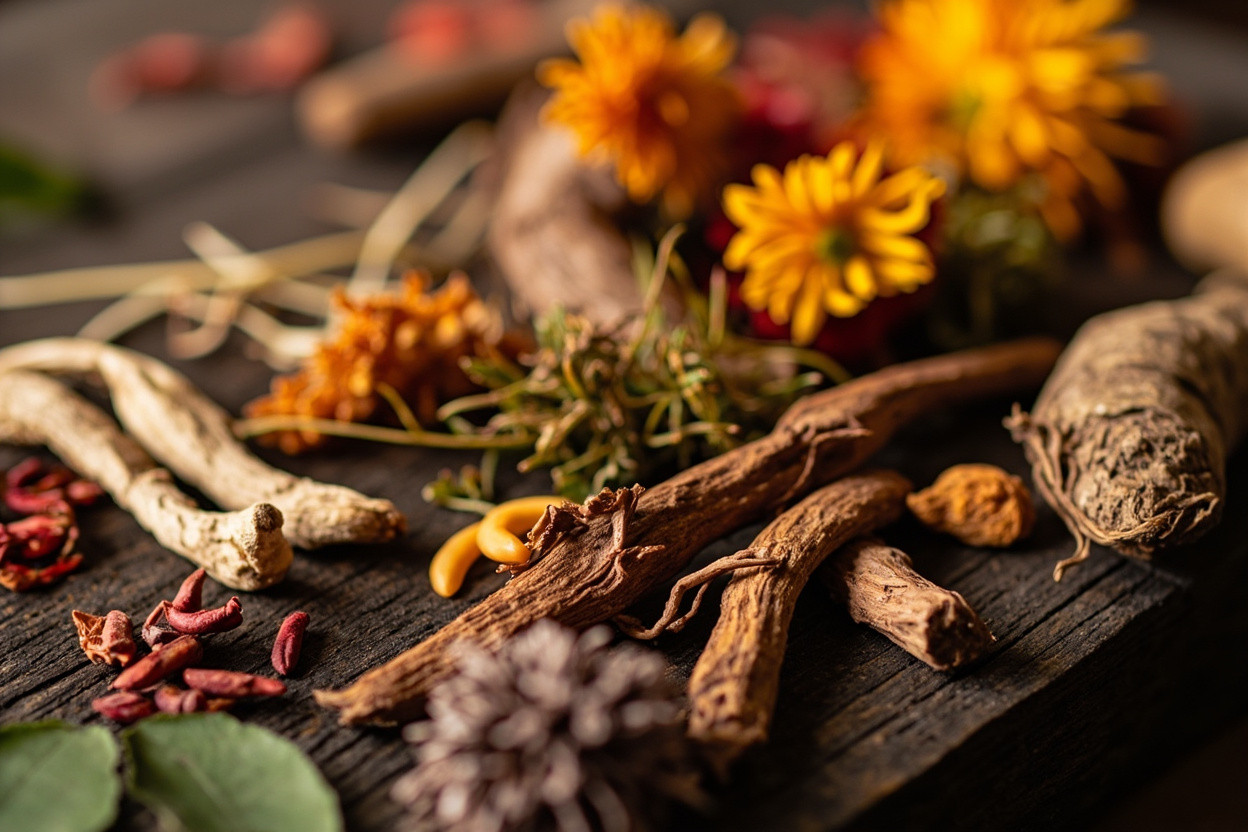
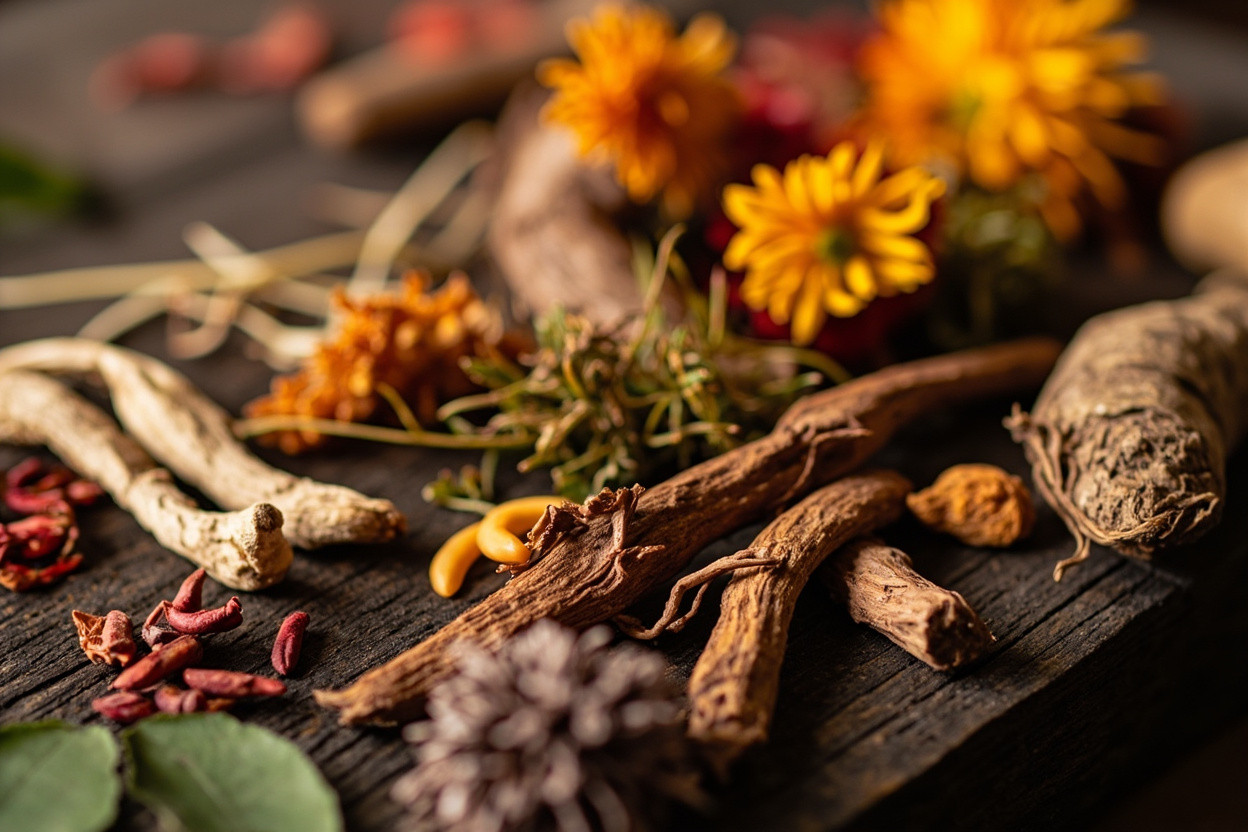
Chuan Xiong is the dried rhizome of Ligusticum chuanxiong, a perennial plant in the Apiaceae (carrot) family. Native to Sichuan province in western China — where it has been cultivated for over a thousand years — Chuan Xiong is characterised by its intensely aromatic rhizome, which is harvested in summer when the plant’s aerial parts have withered, cleaned, dried, and either sliced or used whole.
The root has a distinctive appearance: irregular, knobby shapes with a brownish exterior and a creamy-white interior, with a potent, penetrating fragrance that is difficult to describe but immediately recognisable once encountered. The scent is sharp, clean, slightly medicinal, and with a characteristic “upward” quality — it seems to rise rather than diffuse.
Historical Background
Chuan Xiong has been cultivated in Sichuan since at least the Tang dynasty (618–907 CE). The name itself — “Sichuan’s Xiong” — reflects its geographic origin as its defining characteristic: “Xiong” (芎) was the general name for this type ofLigusticum, and “Chuan” distinguished the Sichuan variety as superior to other regional varieties.
In the Shennong Bencao Jing (《神农本草经》), Chuan Xiong is listed as a superior herb that “treats wind headaches, benefits the eyes, and opens the orifices.” The Compendium of Materia Medica (《本草纲目》) by Li Shizhen provides an extensive account, noting its use in conditions of blood stagnation — headaches, menstrual pain, abdominal pain, and traumatic injury.
In incense, Chuan Xiong was used in specific formulas aimed at “invigorating blood and moving qi” — blends designed not for relaxation or contemplation, but for the active stimulation of circulation and mental alertness. This makes it distinctive among incense materials, most of which are calming rather than activating.
Chuan Xiong in Chinese Incense
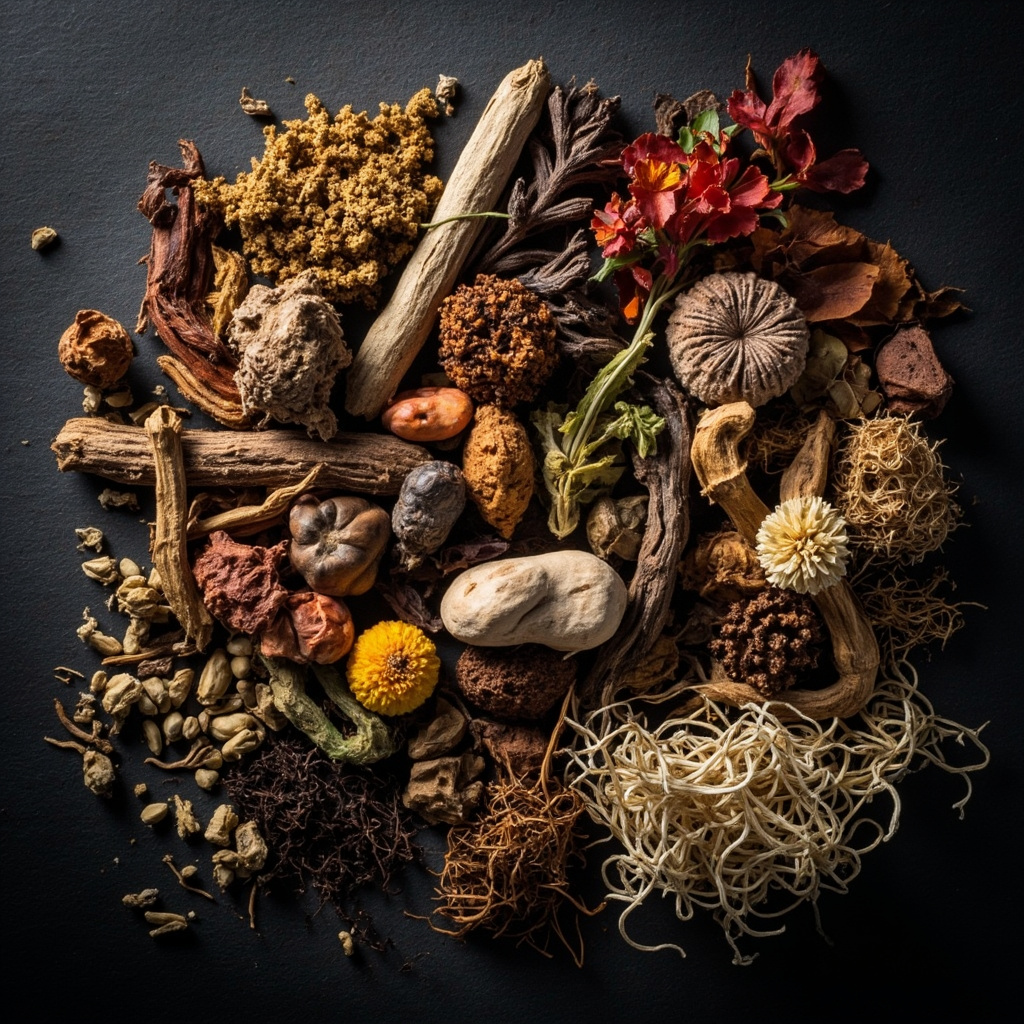
In hexiang (合香) practice, Chuan Xiong is classified as a penetrating modifier — a material that cuts through stagnation and creates an alerting, activating effect. It is used in small amounts in blends designed for specific purposes:
Traditional applications:
1. “Awakening” incense blends: Formulas designed to combat drowsiness, mental fog, or sluggish energy — morning blends for those who need an alternative to coffee. The sharp, clean fragrance of Chuan Xiong acts as a sensory stimulant.
2. Blood-invigorating blends: Formulas specifically designed to “move blood” in TCM terms — intended for use during physical recovery, in cold weather, or by those with sedentary lifestyles who experience stagnation.
3. Pain management incense: Classical formulas incorporating Chuan Xiong for headache or menstrual pain — burned in the affected person’s presence as an aromatic accompaniment to rest and recovery.
Blending ratios: Chuan Xiong is used in small amounts — typically 5–10% of a blend. Its fragrance is sharp and can dominate a blend if overused, creating an almost medicinal character. It pairs well with cinnamon bark (which complements its warming, moving quality) and sandalwood (which softens its sharpness).
TCM Properties
In Traditional Chinese Medicine, Chuan Xiong is classified as pungent and warm, entering the liver, gallbladder, and pericardium meridians. Its primary actions:
- “活血行气” — Invigorates blood, moves qi
- “祛风止痛” — Dispels wind, relieves pain
- “开郁燥湿” — Opens constraint, dries dampness
- “上行头目” — Rises to the head and eyes
Chuan Xiong is specifically indicated for conditions of blood stagnation — headache, menstrual pain, abdominal pain, and circulatory impairment — where its ability to “move blood upward and outward” is needed. It is considered a “warmer” blood-mover, appropriate for stagnation associated with cold or deficiency rather than excess heat.
Modern Research
Modern research has identified several active compounds in Chuan Xiong, including ligustilide, butylphthalide, and ferulic acid. Studies have demonstrated:
- Cerebroprotective effects: Chuan Xiong extracts have shown protective effects on cerebral blood flow in animal studies
- Vasodilatory effects: Ligustilide has demonstrated vasodilatory properties, supporting the traditional understanding of Chuan Xiong as a “blood-moving” herb
- Anti-inflammatory effects: Modest anti-inflammatory activity through COX-2 inhibition, consistent with its traditional use in headache and pain
How to Use Chuan Xiong in Incense
Forms: Chuan Xiong is available as dried rhizome slices or as a coarse powder. The dried root can be ground further for blending.
Burning method: Chuan Xiong burns well on charcoal at moderate-high heat (110–130°C). Its volatile compounds are released efficiently at these temperatures. Electric incense heaters at 110–120°C also work well.
Blending formula: For a blood-invigorating morning blend: 50g sandalwood, 15g cinnamon bark powder, 8g Chuan Xiong powder, 5g borneol, 10g makko. Water to bind, roll thin, dry.
Frequently Asked Questions
What does Chuan Xiong incense smell like?
Chuan Xiong has a sharp, clean, slightly medicinal fragrance — not unpleasant, but definitely “herb-like” rather than “fragrant.” It is penetrating and alerting, with a characteristic upward energy. It is not a comfortable, cosy fragrance — it is purposeful, like a sharp wind clearing a room.
Is Chuan Xiong safe for daily use?
For occasional incense use, Chuan Xiong is considered safe for most adults. However, due to its strong moving properties, it is not recommended during pregnancy or for those with heavy menstrual bleeding. It should be used in moderation and in well-ventilated spaces.
How does Chuan Xiong compare to Bo He (mint) for alertness?
Both are used for alertness and mental clarity, but they work very differently. Bo He is cooling and refreshing — it clears heat and refreshes the senses. Chuan Xiong is warming and penetrating — it moves blood and qi, creating an energising rather than refreshing effect. Bo He is better for heat-related sluggishness; Chuan Xiong is better for cold-related stagnation.