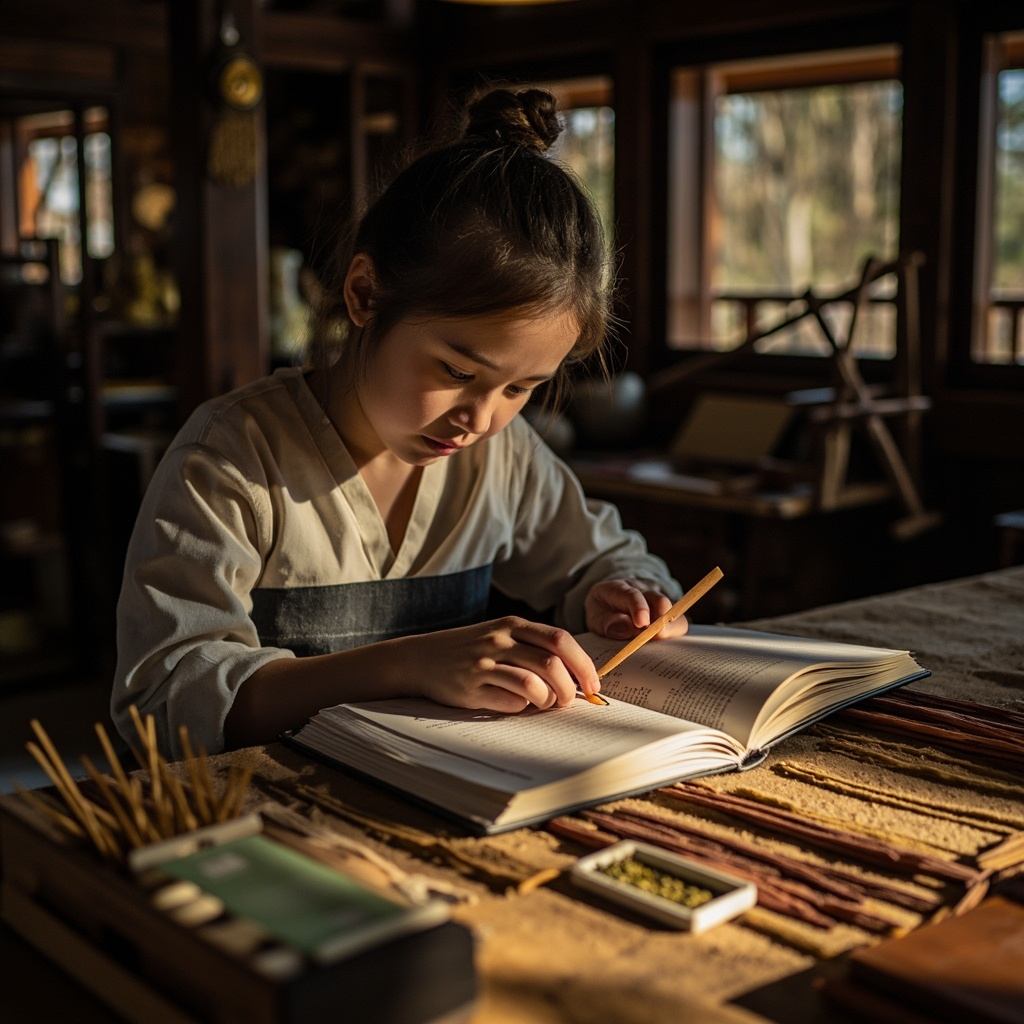
Incense for Beginners: Everything You Need to Know to Get Started
You’ve probably burned incense before — at a friend’s house, in a yoga studio, at a temple. Maybe you loved it. Maybe you wondered what all the different types meant, or whether you were doing it right. Maybe you went to buy some and were confronted with walls of sticks, cones, resins, and powders, each with different names and price points, and walked out with nothing.
This guide is for you. It starts from absolute zero and covers everything you need to know to confidently choose, burn, and enjoy incense — with a specific focus on Chinese incense and the hexiang (合香, blended incense) tradition, which is the richest and most sophisticated incense tradition in the world.
What Is Incense, Really?
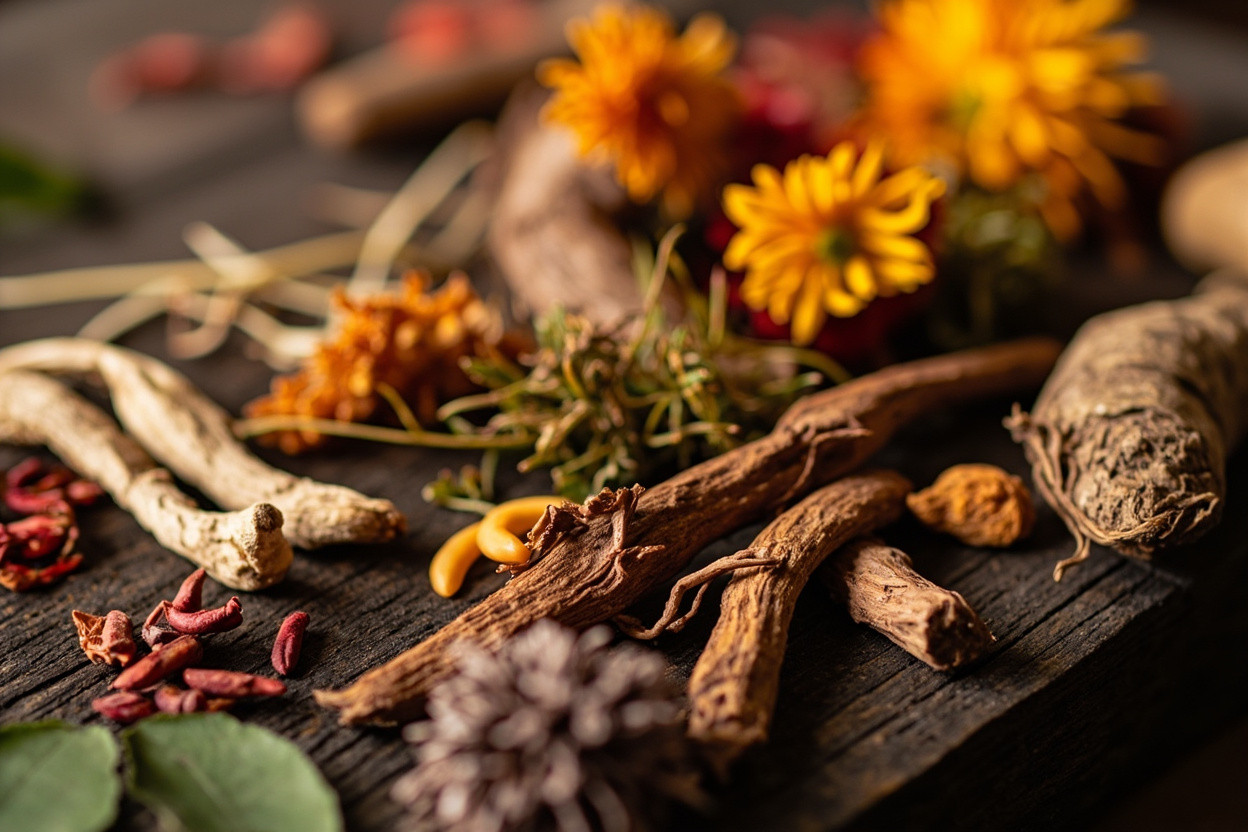
Incense is aromatic material — plant, wood, resin, or a blend of these — that releases fragrance when burned or heated. The word comes from the Latin incendere, “to set fire to.” At its core, incense is simply organic material that produces a pleasant, meaningful, or spiritually significant scent when its aromatic compounds are released into the air.
The incense most people encounter in casual settings — the sticks sold at gift shops, the cones at yoga studios — are one form. But there are many forms, many traditions, and many reasons for burning incense. Understanding this diversity is the first step to choosing what works for you.
The Main Types of Incense: A Simple Breakdown
Incense Sticks (线香)
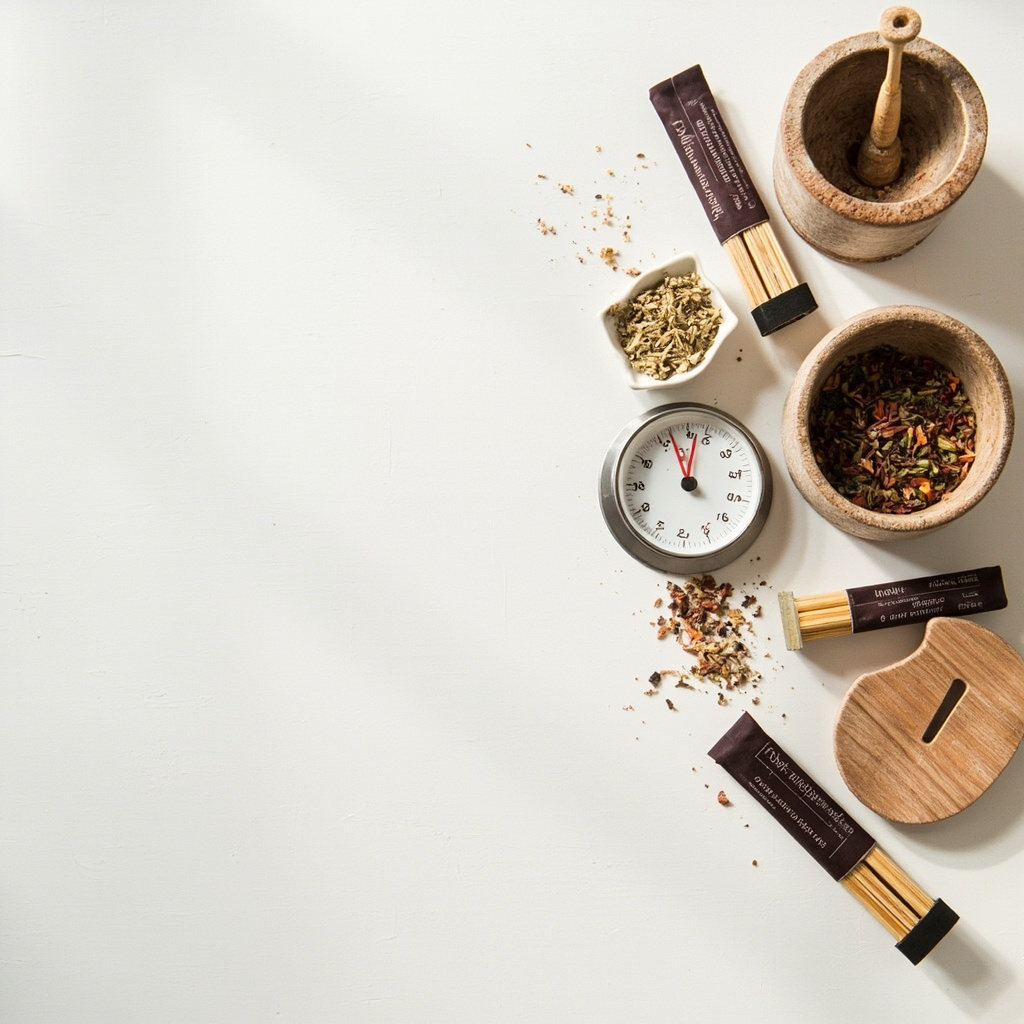
The most common form worldwide. A thin stick — with or without a bamboo core — coated or made from aromatic materials. You light the tip, let it catch flame, blow it out, and the ember continues burning, releasing fragrance.
Pros: Simple, affordable, minimal equipment needed, wide variety of scents
Cons: Bamboo cores produce ash; some sticks contain high proportions of synthetic fragrance
Incense Cones (香锥)
Pyramid or cone-shaped compressed incense. Placed point-up on a holder, the entire surface burns slowly from the top down.
Pros: Self-extinguishing; often more concentrated fragrance than sticks
Cons: Initial burst of smoke can be heavy; requires cone-specific holder
Incense Powder (香粉)
Loose powdered incense — the most traditional form in Chinese and Japanese practice. Burned on charcoal or in an electric heater.
Pros: Purest fragrance expression; most control over dosage; no bamboo waste
Cons: Requires equipment (charcoal or electric heater); requires some practice to use well
Incense Coils (盘香)
Long spiraling coils that burn for 2–6 hours. Common in temples; used for extended sessions or large spaces.
Pros: Longest burn time of any form; minimal attention needed once lit
Cons: Produces significant smoke; requires specific coil holders; overkill for small spaces
Direct-Burning Wood and Resin (块香)
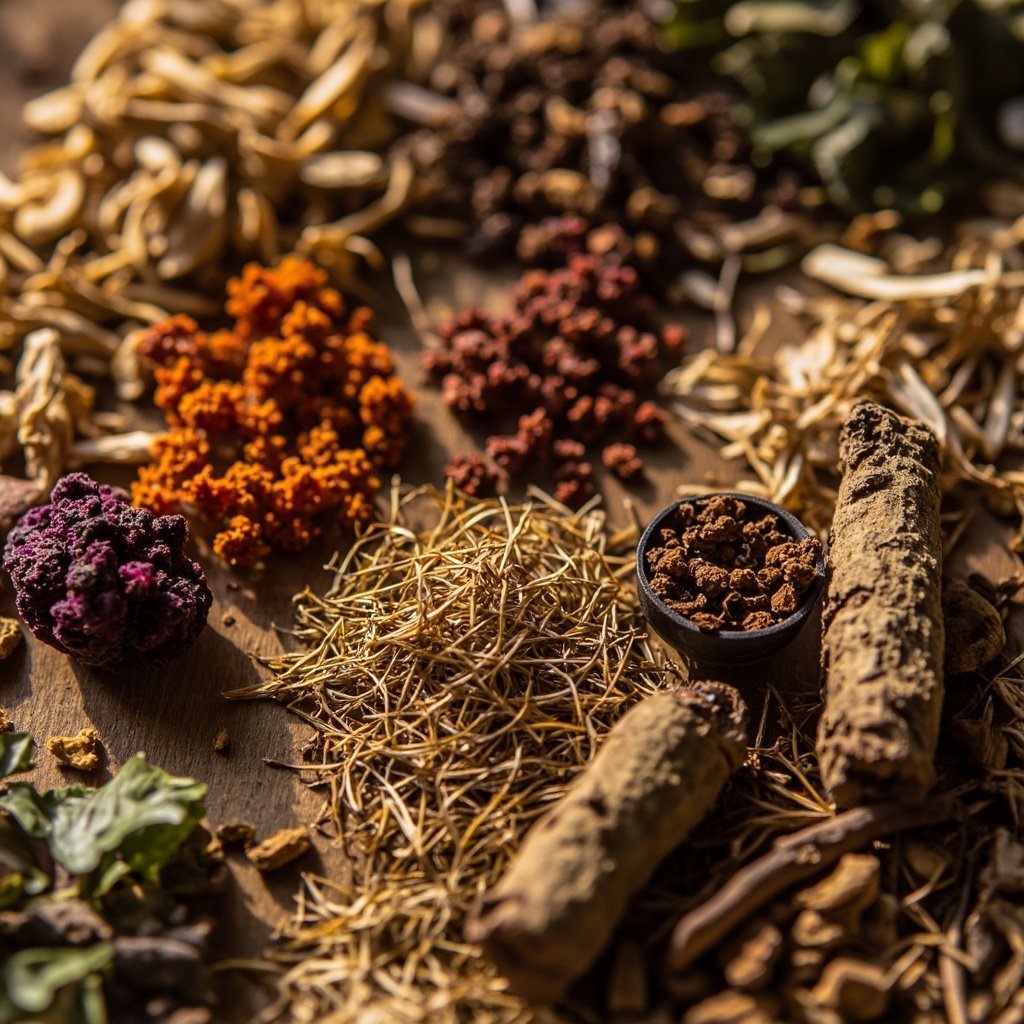
Pieces of aromatic wood (agarwood, sandalwood) or resin (frankincense, myrrh) placed on a heat source. The most minimal processing — you’re burning the material as nature made it.
Pros: Maximum fragrance complexity; economical (use exactly what you need)
Cons: Requires charcoal or electric heater; requires the most knowledge to use effectively
The Most Important Distinction: Natural vs. Synthetic
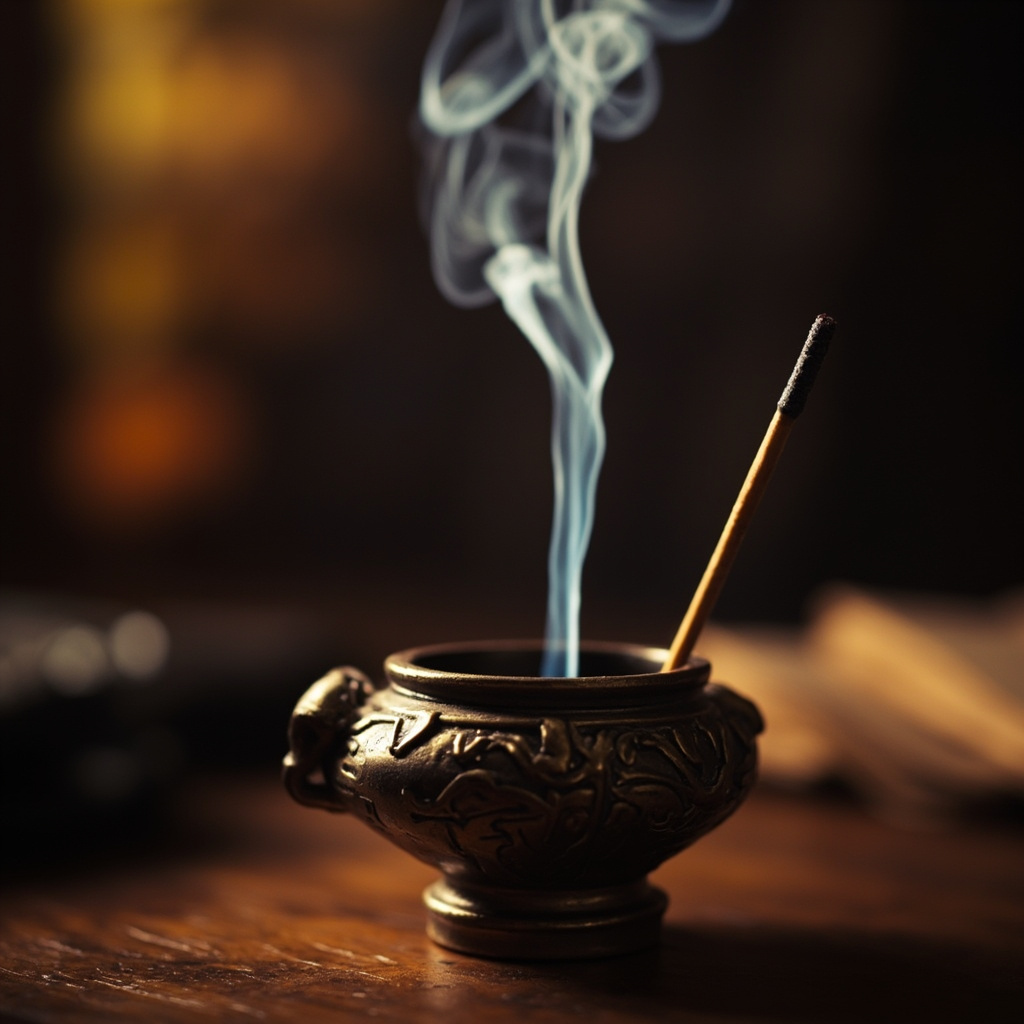
This is the most important distinction in incense, and the one most beginners aren’t told about.
Natural incense is made from real plant materials: ground woods, resins, herbs, flowers. The fragrance comes from the actual aromatic compounds in those materials. Natural incense is what traditional Chinese hexiang is made from.
Synthetic incense is made by coating or mixing a base material (often bamboo or sawdust) with synthetic fragrance compounds — petroleum-derived aromatic chemicals that replicate specific scent profiles artificially. Most mass-market incense sticks fall into this category.
Why does this matter?
- Synthetic fragrances lack the complexity and nuance of natural materials
- Some synthetic fragrance compounds, when burned, release compounds of concern (including some aldehydes and benzene compounds)
- Natural incense produces a qualitatively different — and for many people, more satisfying — aromatic experience
- Only natural incense has the traditional wellness properties documented in Chinese and Ayurvedic texts
How to tell the difference: Natural incense typically costs more, lists specific botanical ingredients, and often has a richer, more complex scent that evolves as it burns. Synthetic incense is usually very cheap, lists “fragrance” or “parfum” as the only ingredient, and has a flat, single-note scent that doesn’t evolve.
Essential Equipment
For Incense Sticks (Minimal Setup)
- Incense holder: A small ceramic, metal, or wood dish with a point or indentation to hold the stick. Even a small bowl of rice works in a pinch.
- Matches or a lighter: Standard issue.
- A lighter for the flame: A candle makes lighting easier if you have many sticks to light.
For Powder Incense (Intermediate Setup)
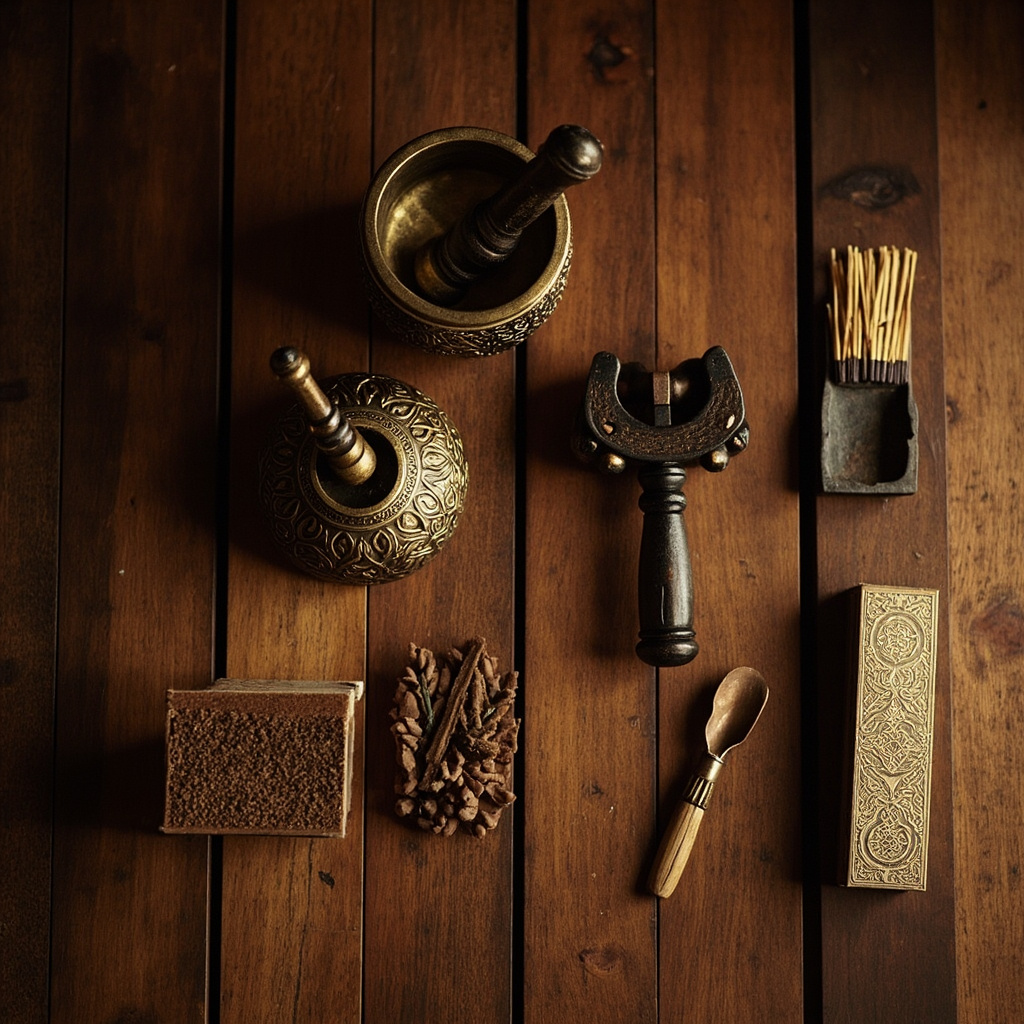
- Charcoal tablets: Natural moxa charcoal — thin discs that light easily and burn cleanly. Avoid quick-light charcoal, which has chemical accelerants.
- Charcoal holder: A heat-resistant ceramic or metal bowl, partially filled with sand or ash, that holds the burning charcoal safely.
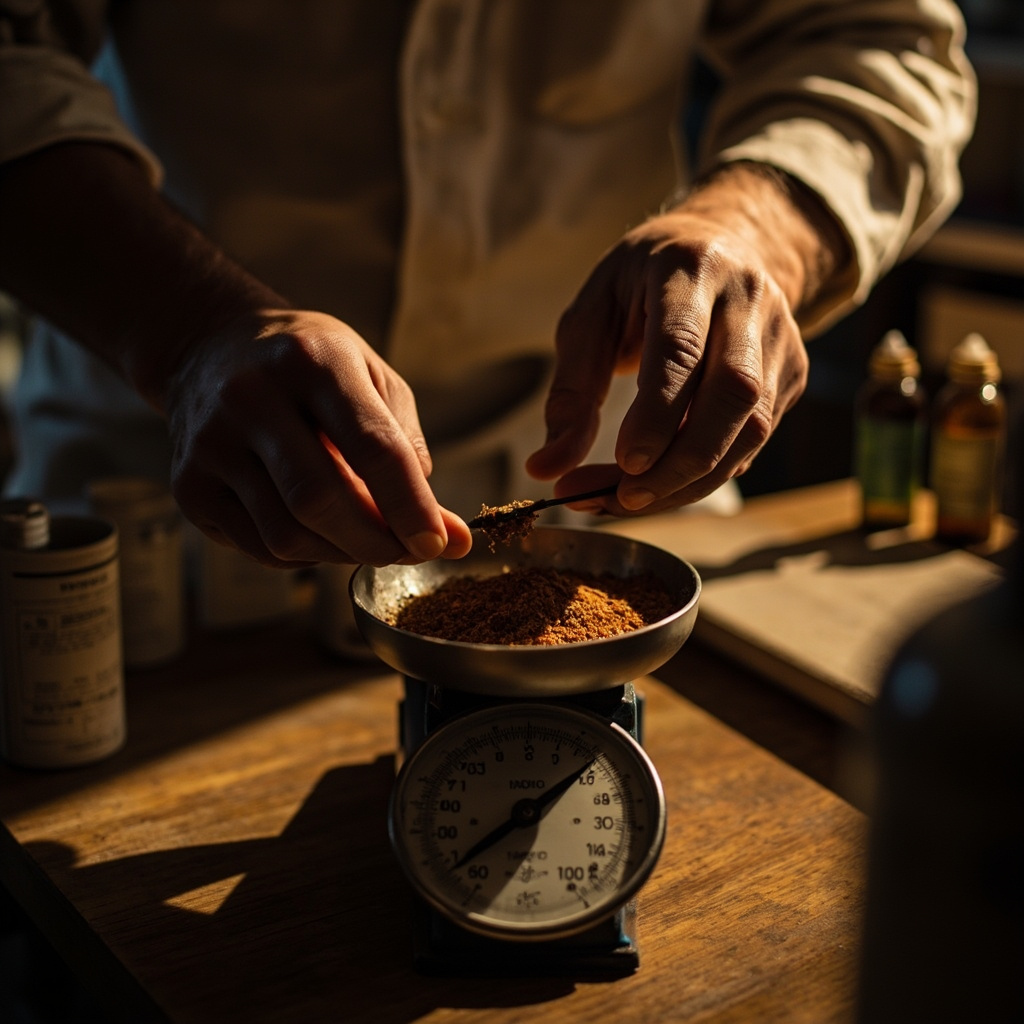
- Small scoop: For measuring powder portions.
- Fine tweezers or tongs: For handling hot charcoal.
For Direct-Burning Chips (Advanced Setup)
- Electric incense heater: The cleanest, safest option for direct-burning materials. Set to the appropriate temperature for the material you’re using (70–150°C depending on density).
- Or: Charcoal setup as above.
Your First Incense Purchase: What to Buy
The Starter Bundle
For absolute beginners, we recommend starting with three items:
- Pure sandalwood incense sticks (1 box): Start with the most reliable, universally pleasant incense. High-quality sandalwood from Australia or India is widely available and affordable. Look for sticks that list “sandalwood” as the primary ingredient, not just “sandalwood fragrance.”
- A simple ceramic incense holder: Wide enough to catch ash, stable enough not to tip over.
- A small amount of sandalwood powder (50g): To try charcoal or electric heater burning when you’re ready.
Total investment: $20–40. This is enough to determine whether you enjoy incense and want to explore further.
What to Avoid Starting With
- Don’t start with expensive agarwood — you won’t know what you’re smelling yet, and it’s easy to waste premium material before your palate is trained
- Don’t buy large variety packs of unknown incense — the quality varies enormously and you’ll end up with materials you don’t enjoy
- Don’t start with heavily perfumed synthetic blends — they’ll overwhelm your sensory palette and make it harder to appreciate subtler natural scents
How to Burn Incense Sticks: Step by Step
- Open a window slightly. Good ventilation prevents smoke buildup and lets the fragrance develop properly.
- Place your holder on a stable surface. Away from curtains, papers, or anything flammable. The surface should be heat-resistant.
- Hold the tip of the incense stick to the flame. Hold it in the flame for 3–5 seconds — you’re not trying to set it on fire, just to establish an ember at the tip.
- Let the flame establish for 5–10 seconds. You’ll see a small, glowing ember at the tip. The stick should be producing a thin column of smoke.
- Blow out the flame gently. A single gentle puff, or wave the stick through the air. The ember should stay lit.
- Place in holder. Set the stick in the holder. If the ember goes out completely, relit it — this time hold it in the flame a moment longer before blowing out.
- Leave the room or stay. The fragrance will build over 5–10 minutes. Some people prefer to be present; others find it more meditative to leave the room and return to the scent.
How to Burn Incense Powder
- Light the charcoal. Hold natural moxa charcoal with tongs over a flame for 2–3 minutes until it glows evenly across the surface.
- Set in holder with sand or ash base. Let the charcoal sit for 30–60 seconds — the flame will die and it will glow from radiant heat.
- Place 0.2–0.5g of powder in a small mound on the charcoal. Start small — you can always add more.
- Experience the fragrance. The powder will begin releasing within seconds. There will be a brief moment of charcoal odor before the true incense fragrance emerges.
Common Beginner Mistakes
- Lighting the wrong end: Make sure you’re lighting the tip (the narrow end), not the handle end of a bamboo-core stick.
- Putting too many sticks out at once: One or two sticks is plenty for most rooms. More is overwhelming and wasteful.
- Burning in a completely sealed room: Some ventilation is necessary. A cracked window is ideal.
- Burning synthetic incense and expecting natural properties: If you want the wellness benefits documented in Chinese tradition, you need natural botanical incense.
- Not letting the flame fully establish before blowing: If the ember isn’t properly started before you blow it out, it will go out. Patience during lighting leads to a more stable, consistent burn.
What to Expect: The First Few Times
The first time: You may notice the smoke more than the fragrance — particularly if you’re using sticks with a bamboo core, which produce visible ash and smoke. This is normal. Give it a few sessions before deciding whether you enjoy incense; the first exposure is often filtered through novelty.
After a week: Your olfactory system begins to adapt. The fragrances that seemed overwhelming or unfamiliar will start to resolve into recognizable notes. You’ll begin to notice differences between scents more clearly.
After a month: You’ll have established preferences. You may find yourself reaching for the same incense consistently for certain situations, or developing a rotation based on time of day, mood, or activity.
Chinese Incense Culture: A Brief Introduction
Chinese incense culture — xiangdao (香道), literally “the way of fragrance” — is one of the most sophisticated incense traditions in the world. Unlike casual Western use, where incense is primarily a pleasant ambient fragrance, xiangdao treats incense as a contemplative practice: a means of cultivating attention, awareness, and presence.
In the Chinese tradition, burning incense is one of the four scholarly arts (琴棋书画, alongside music, chess, calligraphy, and painting). The practice involves careful preparation, deliberate lighting, attentive observation of the fragrance as it develops, and reflective awareness of how the mind responds to what it perceives.
You don’t need to adopt the full philosophical framework to benefit from Chinese incense practice. Even a simple daily practice — lighting a single stick, sitting with the fragrance for ten minutes — can develop into a meaningful ritual that structures your day and cultivates a quality of attention that extends beyond the incense itself.
Frequently Asked Questions
Is incense smoke harmful?
Natural botanical incense, burned in a well-ventilated space, produces minimal harmful particulate. The key distinction is between natural incense (made from real plant materials) and synthetic incense (made from petroleum-derived fragrance compounds with additives). Natural incense produces less harmful combustion byproducts. As with any combustion, excessive exposure to smoke in enclosed spaces is not advisable — adequate ventilation is essential.
How long does incense last?
A standard incense stick burns for 20–45 minutes depending on thickness and composition. A thin “anti-stress” stick may burn for 20–30 minutes; a thick “meditation” stick may burn for 45–60 minutes. Powder on charcoal burns for 10–20 minutes per 0.3–0.5g dose. Coils burn for 2–6 hours depending on thickness.
What is the best incense for beginners?
Pure sandalwood sticks are the most forgiving for beginners — the fragrance is consistently pleasant, the burn is stable, and the price is accessible. Avoid heavily fragrant or unusual scents until you’ve developed a reference point for what natural incense smells like.
Why does my incense keep going out?
Common causes: the room is too drafty; the ember wasn’t properly established before blowing out the flame; the stick was stored in humid conditions. Try in a less airy location, ensure a full 8–10 second pre-burn before blowing out the flame, and store sticks in an airtight container.
Can I burn incense around pets?
Use caution around pets, particularly birds, which have highly sensitive respiratory systems. Ensure excellent ventilation and consider using an electric incense heater rather than open burning if pets are present. Some pets (particularly dogs) may be attracted to burning materials — keep incense well out of their reach.
Where to Go From Here
Now that you understand the basics, explore further:
- Try different scents — sandalwood varieties from different origins, agarwood, herbal blends
- Experiment with powder burning on charcoal when you’re ready for a deeper fragrance experience
- Read about the traditional Chinese incense categories in our Incense Types guide
- Learn about the meditative dimensions of incense in our Meditation guide
Related Articles