Incense for Meditation: The Complete Definitive Guide for 2026
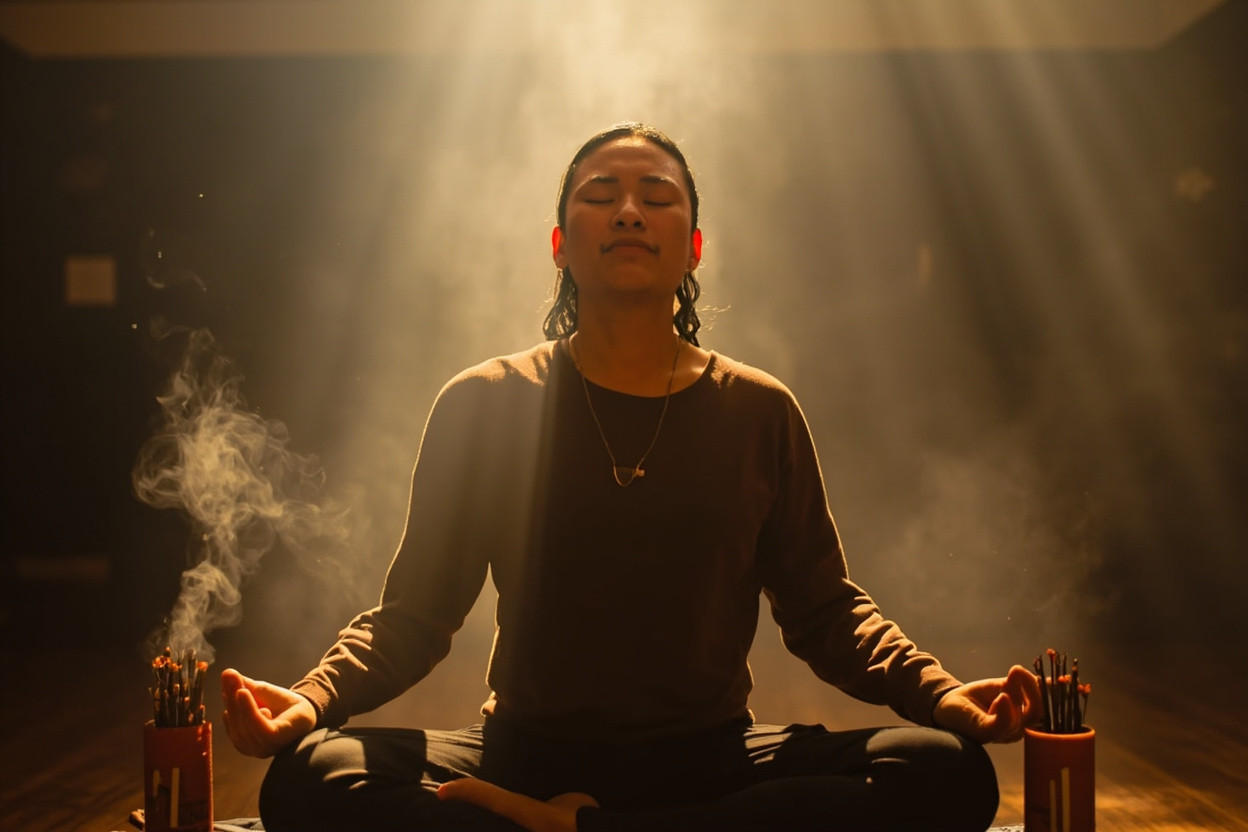
You’ve probably seen it in films or walked into a temple and noticed it immediately — that slow, deliberate curl of smoke rising from an incense burner, the particular stillness it creates in a room. The connection between incense and meditation is not superstition or aesthetic coincidence. There is a real, measurable relationship between aromatic stimuli and mental states, and practitioners across Buddhist, Daoist, Hindu, and secular contexts have been exploiting this connection for thousands of years.
This guide is comprehensive: it covers why incense supports meditation, how to choose the right incense for your practice, which scents work best for different meditative states, and the practical mechanics of burning incense in a meditation session. Whether you have five minutes or an hour, whether you sit in formal zazen or practice informal mindfulness, there is something here for you.
Why Incense and Meditation Go Together
The ancient pairing of incense and meditation is rooted in practical neuroscience, not ritual aesthetics.
When you burn incense, aromatic compounds are released into the air and enter your respiratory system. These compounds interact with the olfactory system — the network of sensory neurons in your nose that connect directly to the limbic system, the brain’s emotional and memory center. Unlike other sensory inputs (sight, sound, touch), smell is processed through the limbic system before it reaches conscious awareness. This is why a particular scent can instantly trigger a memory or shift your emotional state without you being aware of the mechanism.
In meditation practice, this matters enormously. The brain quickly learns to associate the sensory environment of practice with the mental states you cultivate during practice. Over time, the scent of sandalwood or agarwood becomes a conditioned trigger — a biological shortcut to the focused, calm awareness of seated practice. This is the same principle behind “state-dependent memory”: you remember things better in the context in which you learned them.
Research in aromatherapy supports this anecdotally. Studies have found that certain fragrance compounds — linalool (found in sandalwood and lavender), menthol (in certain herbs), and sesquiterpenes (in agarwood) — can reduce cortisol levels and increase alpha-wave brain activity associated with relaxed alertness. The research is preliminary, but the experiential reports across thousands of years of practice are consistent.
How Incense Supports Different Meditation Practices
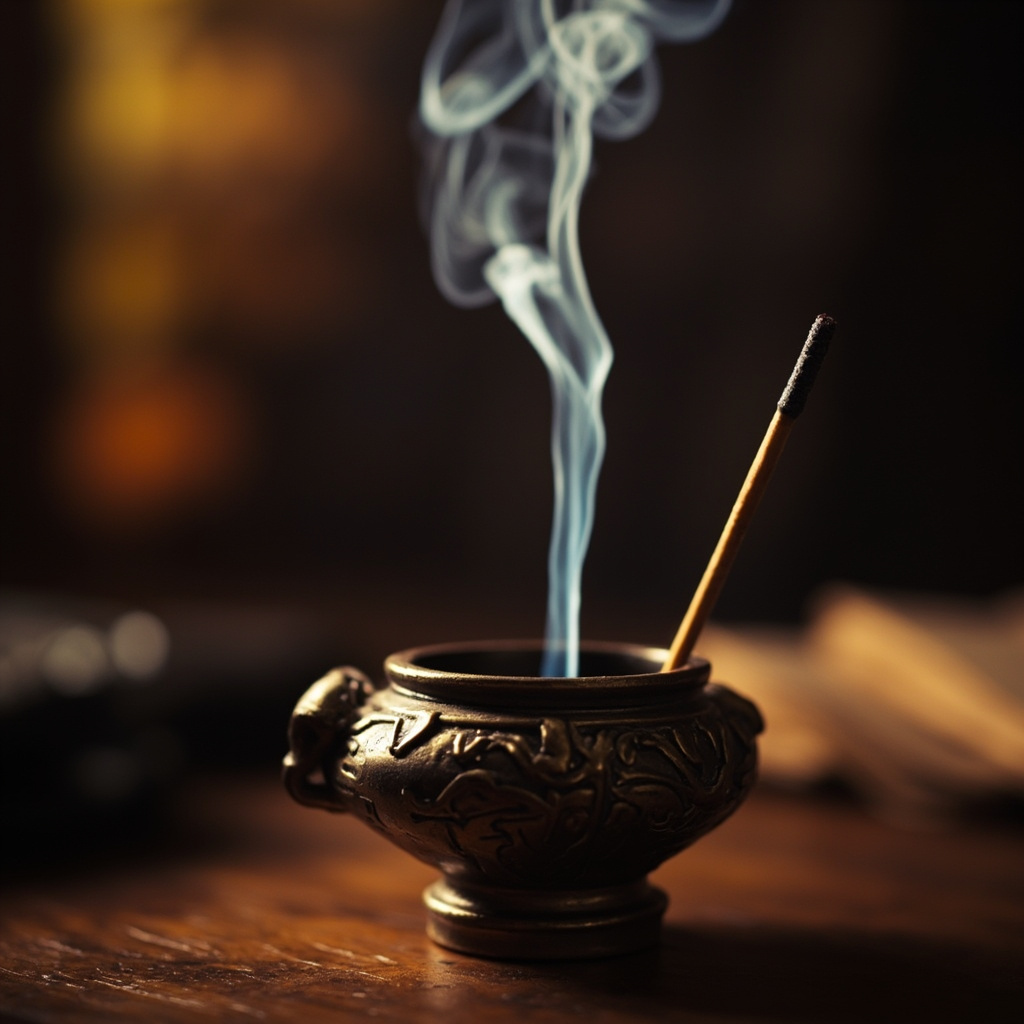
Buddhist Seated Meditation (Zazen)
In Zen and most Buddhist meditation traditions, the goal is to cultivate stable, expansive awareness — not to feel relaxed (though that may happen), but to see the nature of mind clearly. Incense in this context serves as a “signal to stop”: the first curl of smoke is a cue to shift from doing to being.
Best incenses: Sandalwood, pure agarwood chips, or light hexiang blends. The fragrance should be present but not dominant — it should support awareness without drawing attention to itself. Avoid heavy, overpowering scents that compete for mental bandwidth.
Mindfulness Meditation
Mindfulness practice focuses on present-moment awareness — observing thoughts and sensations without grasping or aversion. Incense contributes by providing a sensory anchor: an object of attention that is always available, always changing slightly (the smoke moves, the fragrance evolves), and completely neutral.
Best incenses: Light, clean scents — sandalwood, aloeswood (a lighter alternative to agarwood), or subtle floral incenses. The goal is a fragrance that “disappears” into background awareness, not one that demands attention.
Transcendental Meditation (TM)
TM practitioners use a mantra as the object of meditation. Incense in TM practice is typically used in the room for pre-practice centering, not during the session itself. The fragrance prepares the space and transitions the mind from activity to rest.
Best incenses: Calming, grounding scents — sandalwood, vetiver, or cedarwood. Avoid anything stimulating or sharp.
Yoga and Movement Meditation
When meditation follows physical practice, the body is already warm and the mind already quieted. Incense in this context extends and deepens the meditative state already established through movement.
Best incenses: Warm, slightly energizing scents that bridge the gap between physical and contemplative — cinnamon, clove, or spiced blends. The fragrance should feel like an extension of the warmth generated by practice.
Sleep and Restorative Meditation
For practices focused on relaxation, wind-down, or sleep preparation, incense can be a powerful support — easing the nervous system and signaling to the body that it is safe to rest.
Best incenses: Deep, calming scents — chamomile, lavender, spikenard, or heavy resin incenses like benzoin. Use in the final 20–30 minutes of the day, or throughout the night in a safe, supervised burner.
Choosing the Right Incense for Your Meditation Practice
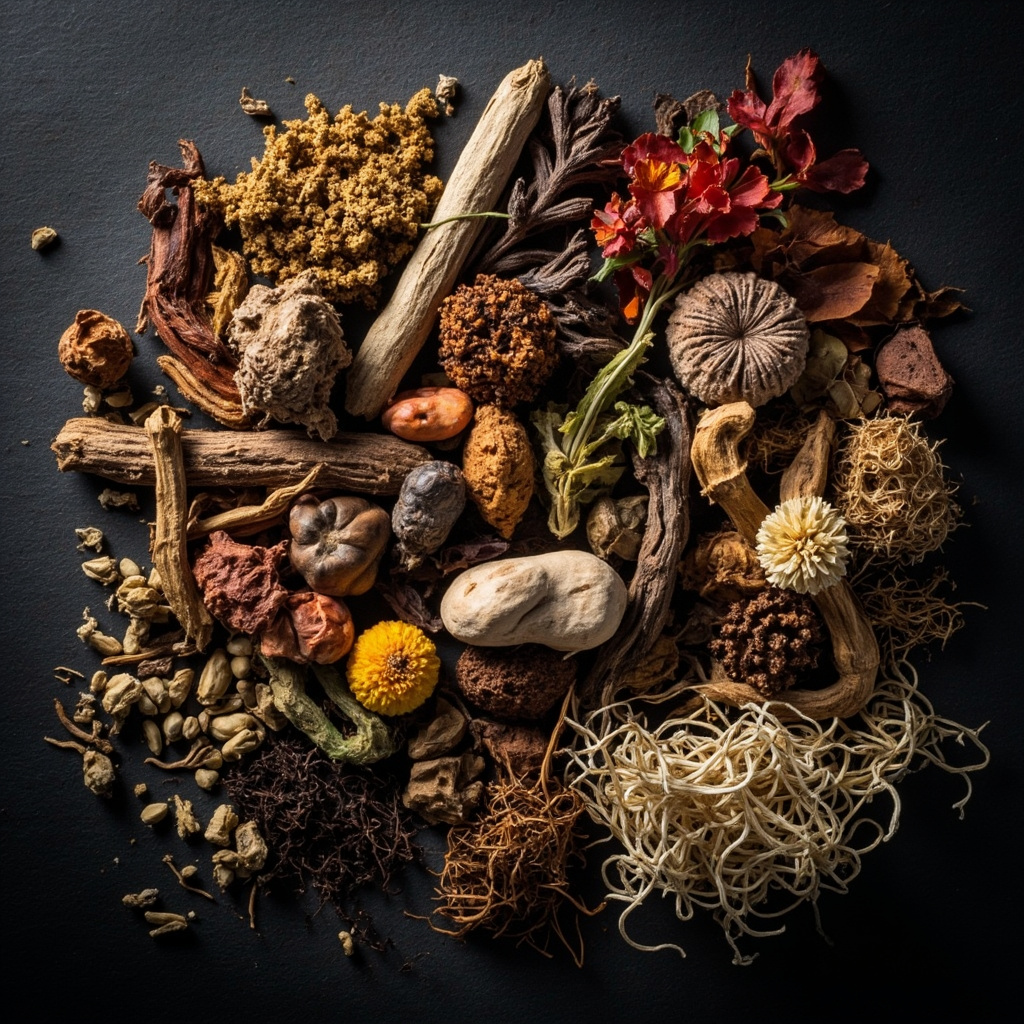
Material Considerations
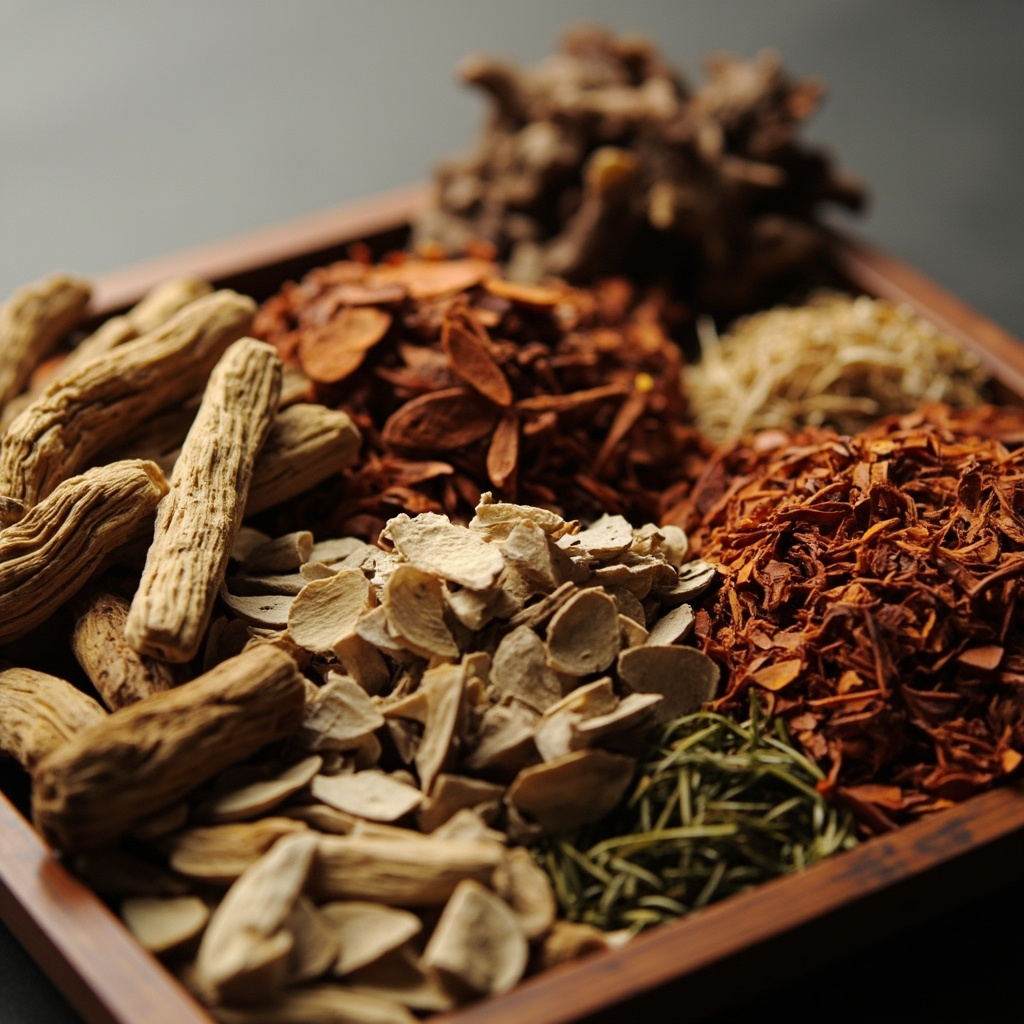
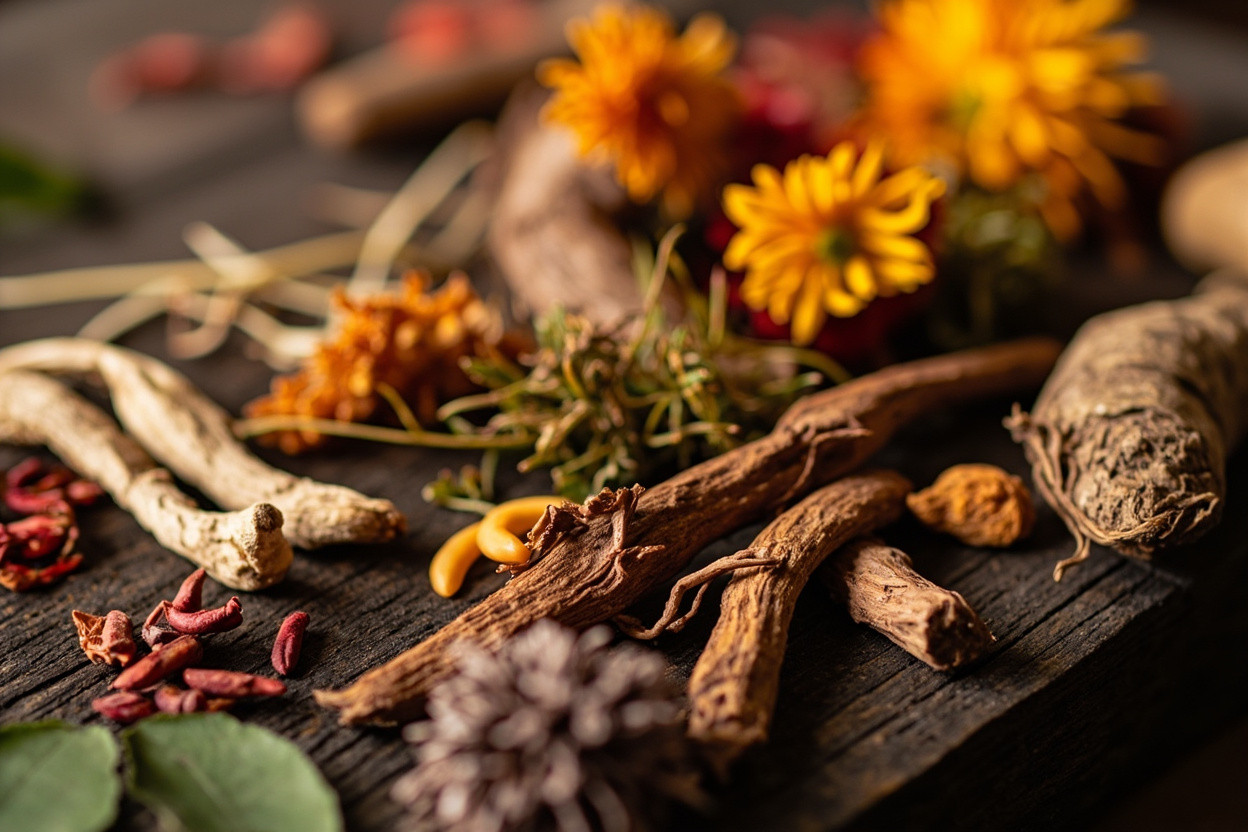
Pure botanical vs. synthetic: Pure botanical incense — made from real sandalwood, agarwood, herbs, and resins — contains the full spectrum of aromatic compounds that interact with the limbic system. Synthetic fragrance oils, while cheaper and more consistent, lack this complexity and often produce a flat, single-note scent. For meditation, where the nuanced effects of fragrance matter, pure botanical is strongly preferred.
Smoke sensitivity: Some practitioners are sensitive to smoke itself, which can trigger respiratory discomfort rather than relaxation. For smoke-sensitive individuals, electric incense heaters produce virtually no smoke while still releasing the aromatic compounds into the air through gentle heating.
Intensity matching: Match incense intensity to the depth of practice. A 10-minute seated meditation in a busy apartment doesn’t need a powerful agarwood; a subtle sandalwood stick is sufficient. A 2-hour silent retreat in a dedicated meditation room can accommodate the depth and projection of high-grade agarwood chips.
The Temperature Factor
How you burn incense matters as much as what you burn. Different temperature ranges unlock different aromatic compounds:
- Low heat (60–80°C, electric heater): Releases the most delicate top notes — floral, green, and citrusy compounds. Ideal for light, contemplative scents.
- Medium heat (90–110°C): Standard charcoal or moderate electric heat. Balances top and base notes. Best for sandalwood and balanced blends.
- High heat (120–150°C): Deep, resinous materials like agarwood require high heat to release their full complexity. Dense resins and heavy woods perform best at these temperatures.
The Best Incense Types for Meditation
Sandalwood
The most universally recommended incense for meditation. Warm, creamy, and consistently calming, sandalwood is like a steady hand on the shoulder — it doesn’t jolt or刺激, it settles. The fragrance is linear (it doesn’t evolve dramatically over time), which makes it an ideal anchor: you know exactly what you’re getting, which creates reliability in practice.
Agarwood (Oud / Chenxiang)
The most complex and spiritually valued incense material in Asia. Agarwood’s fragrance evolves dramatically — from a sharp initial note to deep, resinous, almost hypnotic base notes that linger for an hour or more. For deep meditation sessions (1+ hours), agarwood is unparalleled. For short sessions, it may be overwhelming.
Lavender
Not traditionally Chinese, but extensively used in Western aromatherapy for anxiety reduction and sleep preparation. Lavender incense is best for evening practice and for practitioners who are new to meditation and find the ritual of burning incense more approachable than traditional Buddhist materials.
Cedarwood and Pine
Grounding, earthy, and slightly drying. Cedarwood is excellent for practices that require mental clarity and focus — it has an astringent quality that sharpens attention rather than softening it. Common in Japanese Kodo practice.
Frankincense
The classic incense of religious ceremony across Christianity, Islam, and Hinduism. Frankincense produces a clean, slightly citrusy smoke that is simultaneously elevating and grounding — it seems to expand the space rather than fill it. Excellent for devotional practices.
How to Burn Incense for Meditation: A Practical Protocol
Before You Sit
- Choose your incense based on the type of practice (see above).
- Prepare your space: open a window slightly for ventilation. You want fragrance without smoke accumulation.
- Light the incense and allow it to establish for 2–3 minutes before you sit. The initial lighting produces more smoke — give it time to clear.
- Place the burner at eye level or slightly above — the smoke should drift upward past your face rather than directly into your breathing zone.
During Practice
Incense in meditation practice functions as a secondary attention object — not the primary focus (which might be breath, mantra, or sensation), but a supportive element that reinforces the environment. During seated practice, resist the urge to analyze the fragrance. Let it be background, not foreground.
After Practice
Many practitioners leave the incense burning after they finish sitting — the lingering fragrance extends the meditative quality of the room. If you do this, ensure the incense is in a safe location and never leave the building with any flame or ember still active.
Common Mistakes to Avoid
- Too much incense: More is not better. One thin stick is usually sufficient. An overloaded space becomes overwhelming and counterproductive — it triggers the respiratory system rather than relaxing it.
- Wrong time of day: Energizing scents (cedar, clove, some agarwoods) are poor choices for evening practice or sleep preparation. Calming scents (sandalwood, lavender, benzoin) are poor choices for morning practice when you need alertness.
- Inconsistent use: The power of incense in meditation comes from conditioning — the brain learning to associate the scent with a particular mental state. Random, inconsistent use undermines this. Choose a primary incense and use it consistently, at least during your formal practice sessions.
- Burning throughout the session: For short meditations (10–20 minutes), light the incense at the beginning and let it burn out naturally. For longer sessions, a self-sustaining coil or longer stick is appropriate. Refueling mid-session is disruptive.
Frequently Asked Questions
Can I burn incense during meditation?
Yes — burning incense during seated meditation is standard practice across Buddhist, Daoist, and Hindu traditions. Just ensure adequate ventilation and place the burner so smoke doesn’t blow directly into your face.
What is the best incense for anxiety during meditation?
Sandalwood, lavender, and benzoin are the most consistently calming scents for anxiety. Avoid sharp, energizing scents like pure menthol or heavy camphor, which can increase alertness to the point of discomfort for anxious practitioners.
How long should I burn incense for meditation?
A standard meditation session (20–45 minutes) is well-served by one thin incense stick or 0.3–0.5g of powder burned on charcoal. For extended retreat practice (2+ hours), consider coils or longer-burning materials. The incense should burn out naturally before or shortly after you finish.
Is it okay to use the same incense every day?
Yes — and for meditation practice, it is actually beneficial. Repeated use creates a conditioned response: your brain learns to associate the scent with the mental state of practice. This is why many experienced practitioners have a “meditation incense” that they never use at other times.
What if I don’t like strong scents?
Electric incense heaters at low temperature (60–80°C) produce a very subtle, diffused fragrance with virtually no smoke. This is ideal for scent-sensitive practitioners or those who want the meditative effect without a prominent fragrance presence.
Related Articles