Pei Lan (佩兰): Complete Guide to Eupatorium in Chinese Incense Culture
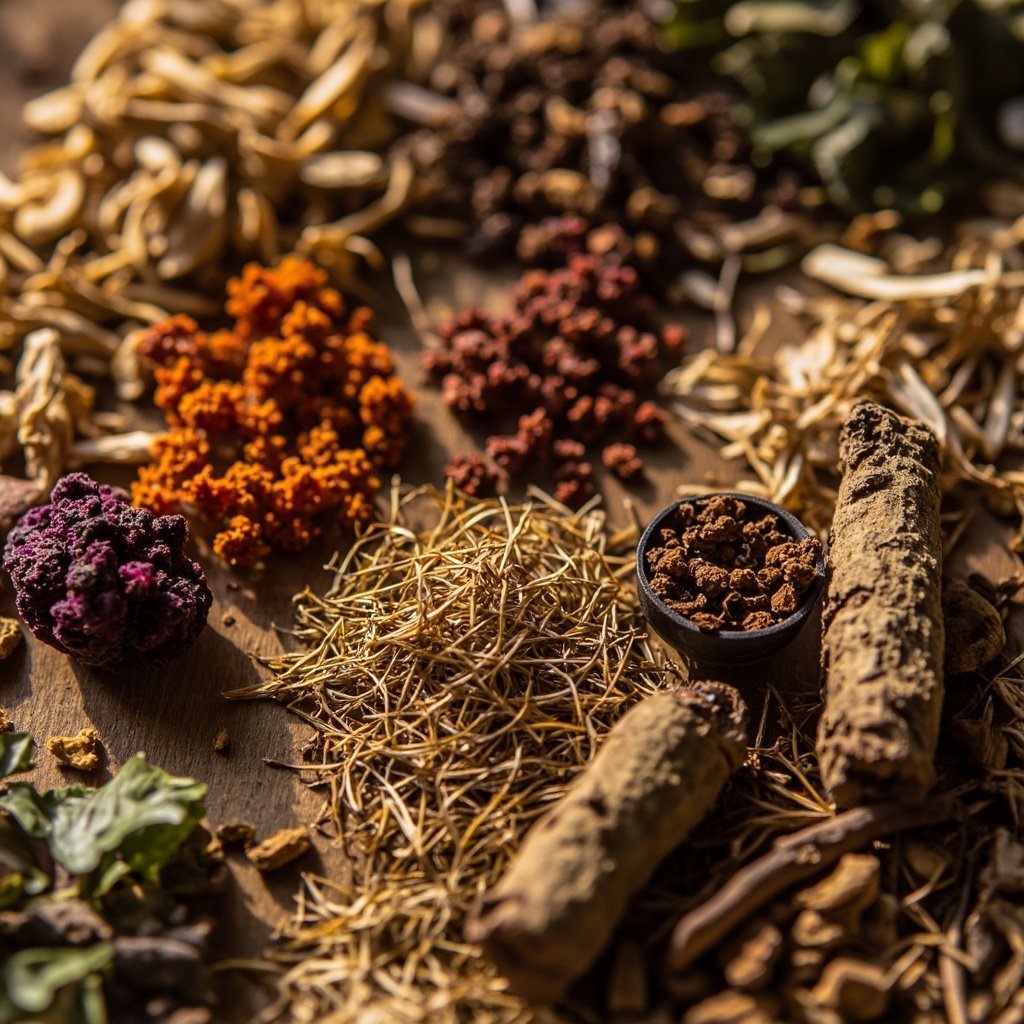
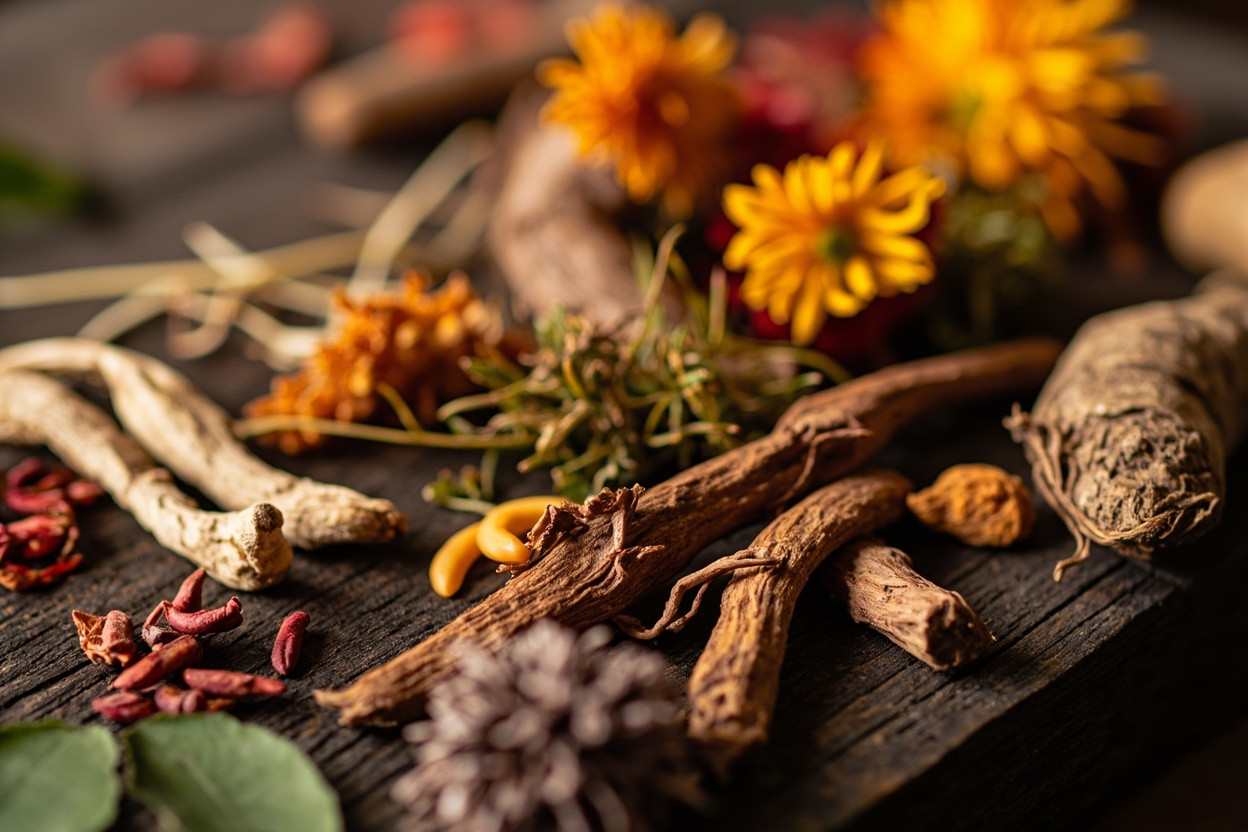
Pei Lan (佩兰), called Herba Eupatorii in pharmacopoeia, is a precious aromatic herb that has graced Chinese incense culture for over two and a half millennia. Known in ancient times as “兰草” (Orchid Grass) or “香草” (Fragrant Herb), Pei Lan occupies a unique position as one of the few leafy materials in the Chinese incense tradition — most classical incense relies on hardwoods and resins, making Pei Lan’s delicate, floral fragrance all the more distinctive.
The name itself tells a story. “佩” means “to wear,” and “兰” refers to orchid — literally “the orchid you wear.” As the Book of Rites (《礼记》) recorded as early as the Western Han dynasty (206 BCE–8 CE), scholars and officials would tuck fresh Pei Lan sprigs into their robes, sleeves, and caps. Li Shizhen in the Compendium of Materia Medica (《本草纲目》) explained: “Its leaves resemble chrysanthemum; women and children delighted in wearing it, hence the name.”
The Classical Roots of Pei Lan in Chinese History
The earliest literary reference to Pei Lan appears in the Classic of Poetry (《诗经》), China’s oldest poetry collection compiled between the 11th and 7th centuries BCE. The line “士与女,方秉蕑兮” (Young men and women, clutching fragrant Pei Lan) appears in the Odes of Bin (《邠风》), describing communal spring rituals where participants carried bundles of Pei Lan as an offering and personal adornment.
This practice of wearing Pei Lan was not merely aesthetic. The Zhou Li (《周礼》) listed Pei Lan among the “six aromatic materials” designated for court purification rituals. By the Tang (618–907 CE) and Song (960–1279 CE) dynasties, Pei Lan had become a fixture of literati culture — placed in libraries to scent and protect scrolls from insects, woven into pillows, and carried in embroidered sachets (香囊) as a personal signature fragrance.
The Mawangdui Han dynasty tombs (sealed 168 BCE) contained silk and linen garments layered with Pei Lan, confirming its use among the aristocratic class. Archaeological reports from the 1970s noted that the aromatic properties of the buried Pei Lan remained detectable for over two millennia.
Botanical Profile: Identifying Authentic Pei Lan
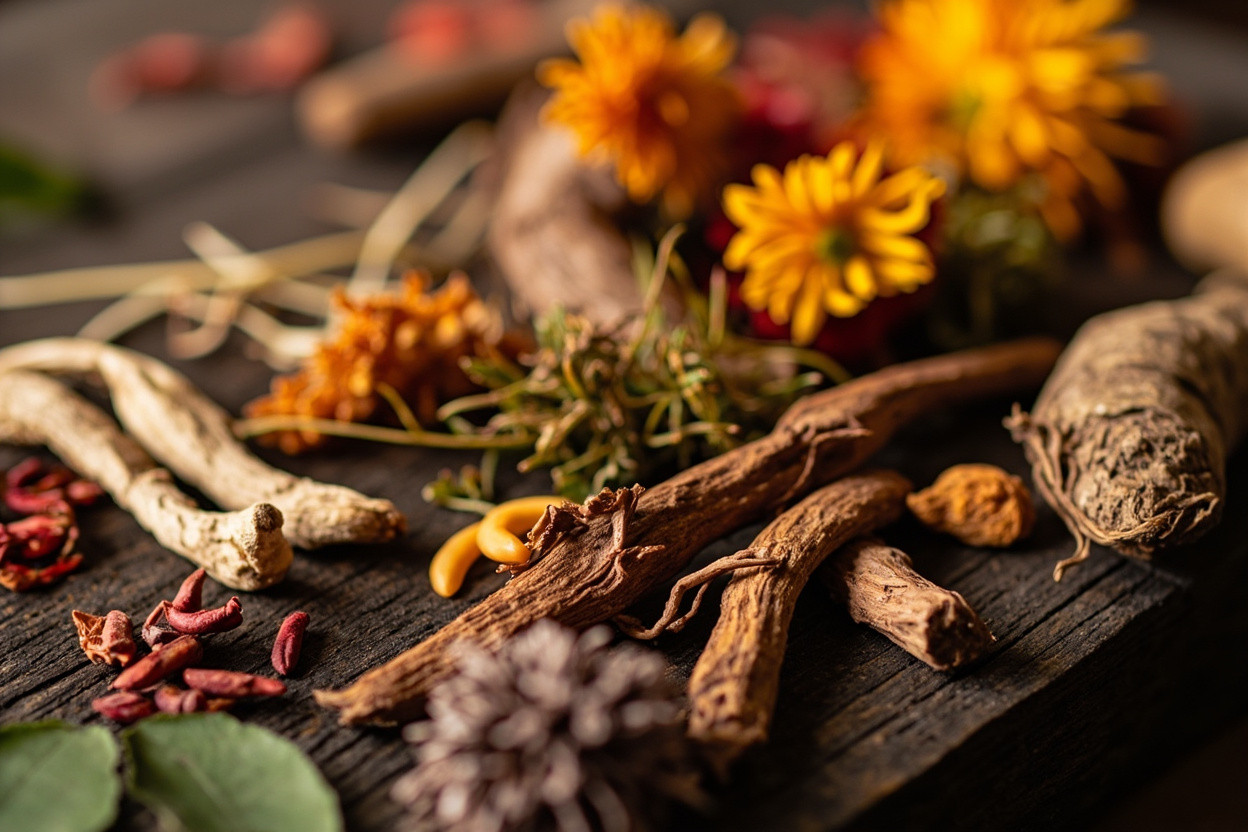
True Pei Lan for incense use comes from Eupatorium fortunei (菊科泽兰属), a species in the Asteraceae family. Note: this is botanically distinct from the true orchids, though the fragrance vaguely resembles the subtle sweetness of orchid blossoms.
Physical characteristics:
- Height: 40–100 cm, with slender square stems
- Leaves: Opposite, 3–5 cm, deeply lobed with serrated edges
- Flowers: Small, white-to-lilac, blooming August to November in terminal clusters
- Aroma: Fresh, green, slightly sweet with camphoraceous undertones when crushed
Processing method: According to the Chinese Pharmacopoeia, harvest the aerial parts twice yearly — once in July, once in September. Select midday on sunny days when essential oil content peaks. Dry in shade to preserve aromatic compounds.
Adulterants to avoid: Some suppliers substitute similar-looking but aromatic-less herbs. Authentic Pei Lan should emit a distinct fragrance when the leaves are crushed between fingers. If no aroma emerges, it is likely inert or incorrectly stored.
Pei Lan’s Role in Chinese Incense Blending
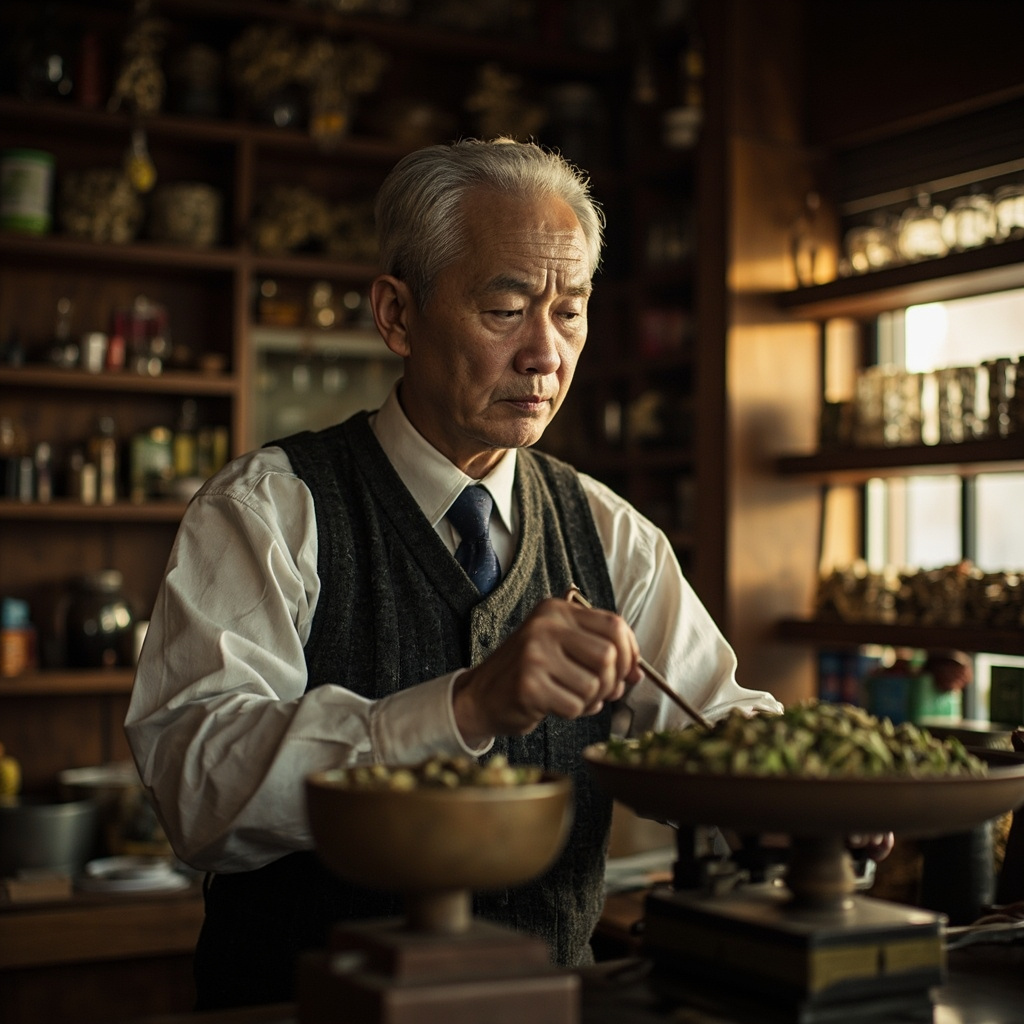
Unlike agarwood and sandalwood, which serve as base-note anchors, Pei Lan functions as a top note in hexiang (合香) formulations — it introduces the blend, creating the first impression before the heavier materials reveal themselves.
Traditional applications:
1. Sachets (香囊): Crushed dried Pei Lan combined with acorus calamus (石菖蒲), oriental arborvitae heartwood (柏子), and borneol in silk sachets. Worn on the chest or placed near the pillow.
2. “Scholar’s chamber” indirect heating: Small amounts placed on mica or in electric incense heaters at low temperature (60–80°C). The gentle warmth releases Pei Lan’s fragrance without scorching.
3. Clothing and book scenting: Classical literati practice, documented in Song dynasty notebooks, of placing Pei Lan sprigs among stored garments and books.
4. Hexiang blends: Used in classic formulations where Pei Lan provides the fresh, opening note.
Blending ratios: In traditional recipes, Pei Lan typically constitutes 15–25% of the total blend by weight. Too much overwhelms the base materials; too little fails to achieve the characteristic green, lifting effect.
Traditional TCM Properties
In Traditional Chinese Medicine, Pei Lan is classified as aromatic, pungent, and neutral. It enters the spleen, stomach, and lung meridians.
Classical sources record its actions:
- “芳香化湿” (aromatically transforms dampness)
- “醒脾开胃” (enlivens the spleen, stimulates appetite)
- “发表解暑” (releases the exterior, resolves summer heat)
- “清暑,辟秽,化湿,调经” (clears summer heat, dispels foulness, transforms dampness, regulates menstruation)
The Shennong Bencao Jing (《神农本草经》), China’s earliest pharmacopoeia, records: “Pei Lan benefits the water passages, expels lurking venom.” The Zhou Li listed it among the six royal aromatics reserved for court ritual use.
Cautions: Not recommended for individuals with yin deficiency or qi deficiency patterns. The elderly and those with chronic respiratory conditions should use caution with direct burning applications.
Modern Uses and Sourcing
Today, quality Pei Lan for incense use is produced primarily in:
- Zhejiang province — especially the Hangzhou region, considered premium grade
- Jiangsu province — historical production centre
- Sichuan province — larger leaf variant with stronger camphor note
- Yunnan province — wild-harvested, increasingly rare
Price range: USD 8–25 per 50g, varying by origin and freshness. Authentic Pei Lan should be sourced from reputable TCM herbal suppliers rather than general marketplaces.
Frequently Asked Questions
What’s the difference between Pei Lan and patchouli (藿香)?
Both are aromatic herbs used in Chinese incense, but from different botanical families. Pei Lan (Eupatorium) has a lighter, greener, more floral scent, while patchouli (Pogostemon cablin) is deeper, earthier, and more persistent. The Compendium of Materia Medica treats them as distinct materials with different meridian entries.
Can I burn Pei Lan directly on charcoal?
Not recommended for beginners. Pei Lan contains delicate volatile compounds that scorch easily at high temperatures. Use an indirect heating method — place 0.1–0.2g on the outer edge of a lit charcoal, or use an electric incense heater at 70–90°C. Monitor closely for bitter notes indicating overheating.
How should I store Pei Lan?
Keep in a sealed glass container in a cool, dark place away from direct sunlight. Properly stored, dried Pei Lan retains its aroma for 12–18 months. Do not refrigerate, as condensation will degrade the essential oils.
Is Pei Lan related to French lavender or similar Western herbs?
While all produce fragrant compounds, Pei Lan’s aromatic profile is distinct — described in classical Chinese sources as “dew-kissed orchid” with subtle green and camphor notes. It does not resemble lavender or any single Western herb.
What classic texts reference Pei Lan?
Primary sources include: Shijing (《诗经》), Zhou Li (《周礼》), Shennong Bencao Jing (《神农本草经》), Compendium of Materia Medica (《本草纲目》), and the Beishan literary collection from the Tang dynasty.
Related Articles