Why Sleep Has Become Something We Chase
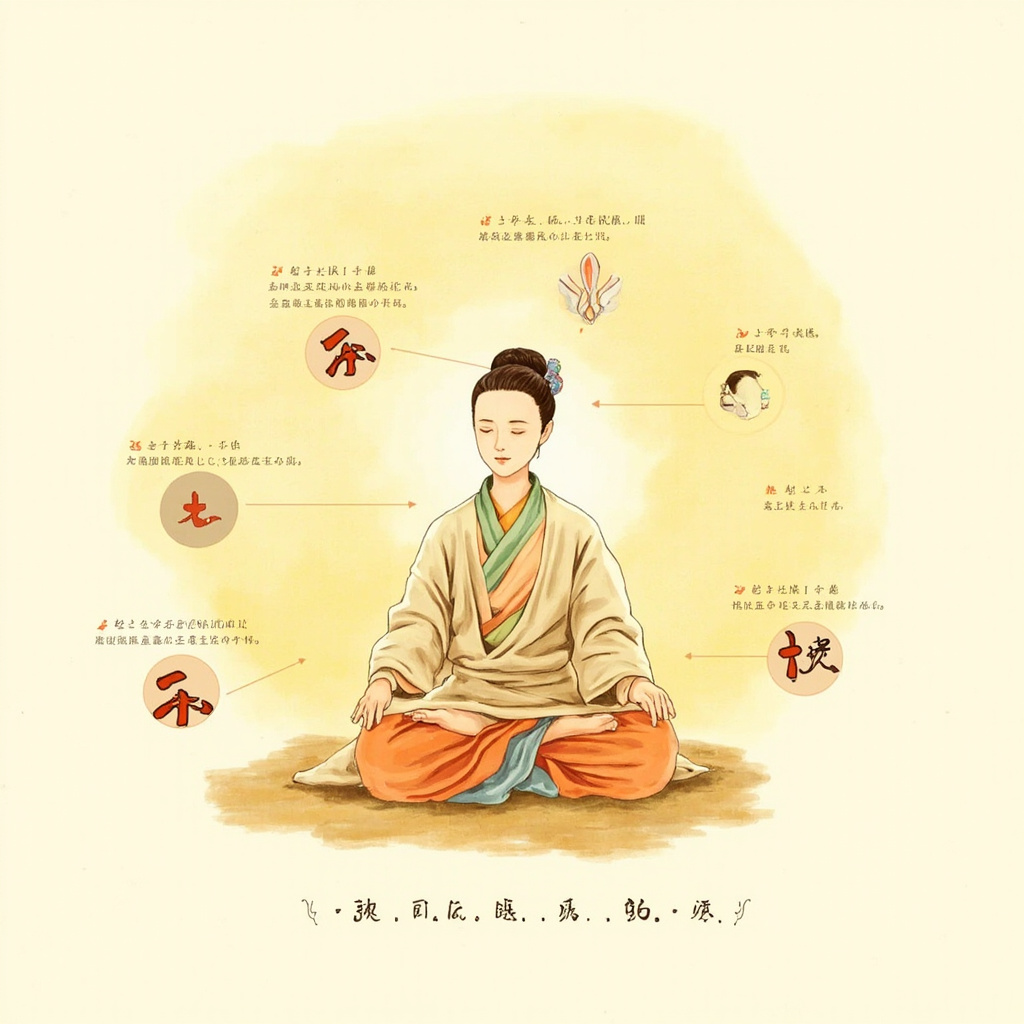
You lie in bed. The room is quiet. Your body is exhausted. But your mind keeps running — replaying tomorrow tasks, yesterday mistakes, worries that have no solutions. Hours pass. The alarm will ring soon. You know you should be sleeping. But sleep feels impossible.
This is not insomnia in the clinical sense. It is the more common experience of being too wired to rest. The day packed with stimulation, the evening filled with screens and stress, the nervous system stuck in ON position even when physical tiredness begs for OFF.
Incense for sleep offers something different from sleeping pills or white noise machines. It engages the sense of smell directly — bypassing intellectual processing to reach the parts of your brain that govern relaxation and rest. When done correctly, burning incense before bed creates conditions for genuine rest rather than drugged unconsciousness.
The Science of Fragrance and Sleep
Your sense of smell is the only one of your five senses that connects directly to your brain limbic system — the emotional center that governs fear, memory, and arousal states. When you smell something pleasant, this direct pathway can lower heart rate and reduce cortisol without requiring conscious processing.
This is not placebo or superstition. Aromatherapy has documented effects on the autonomic nervous system. Specific fragrances trigger parasympathetic responses rather than sympathetic responses. The right incense, used correctly, shifts your nervous system from stressed to relaxed.
What makes incense more effective than essential oil diffusers for sleep? The ritual component matters. Preparing the burner, lighting the charcoal, measuring the incense — these physical actions provide transition time between the activity of day and the stillness of night. The preparation itself becomes part of the relaxation practice.
Which Incense Materials Support Sleep

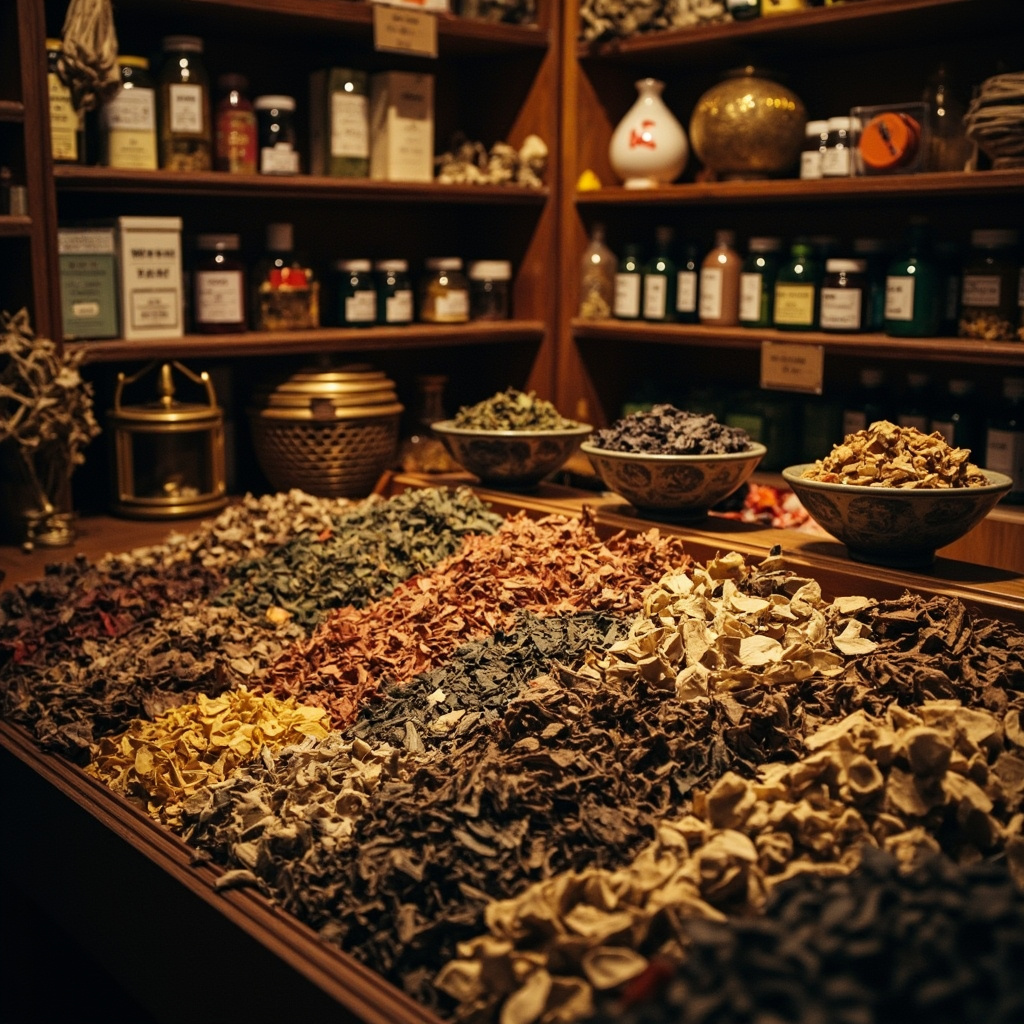
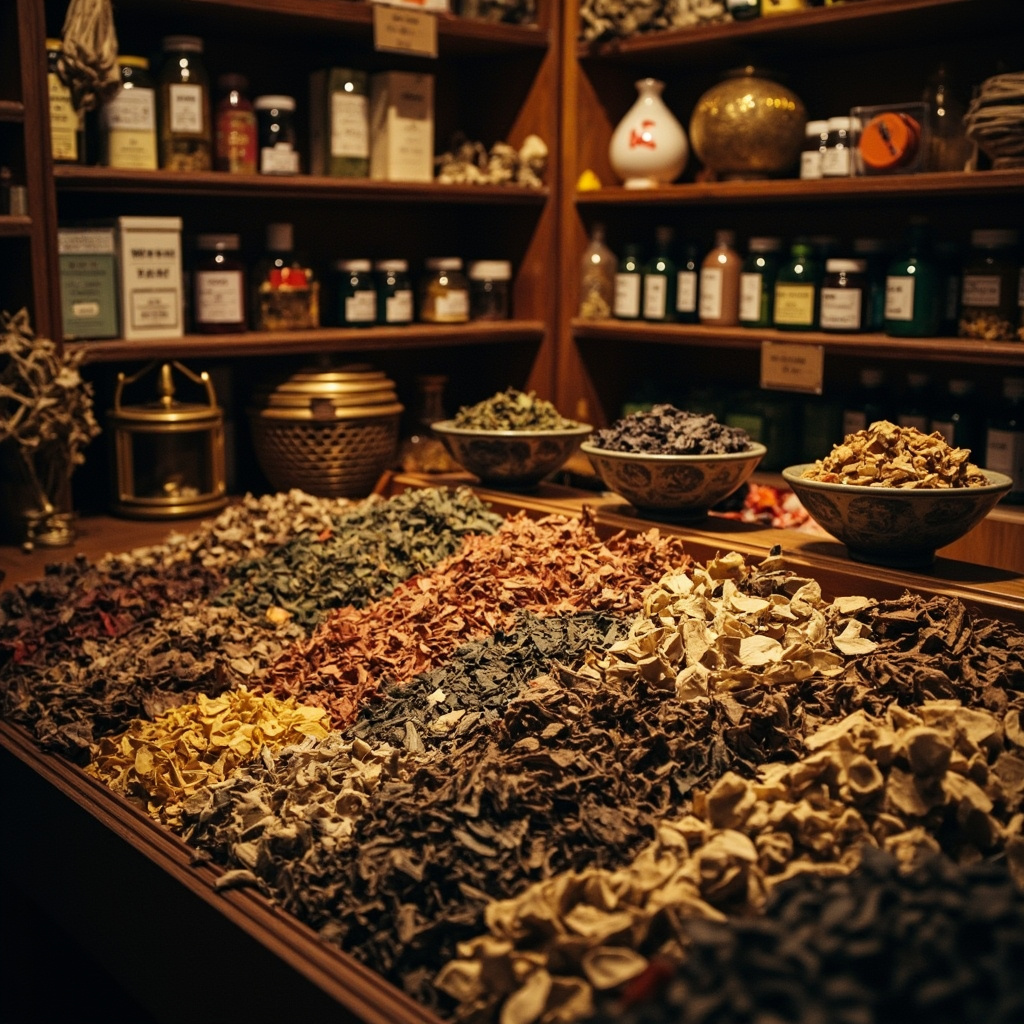
Sandalwood — The classic sleep support incense. Sandalwood contains compounds that interact with GABA receptors in the brain. The warm, creamy fragrance creates a sense of safety and comfort that supports relaxation. For beginners, sandalwood provides reliable sleep support.
Agarwood (chenxiang) — Deeper and more complex than sandalwood. Premium agarwood calms without sedating — you remain alert enough to notice the fragrance while simultaneously feeling peaceful.
Jiang Zhen Xiang — Traditional Chinese medicine specifically recommends this material for sleep support. The slightly sweet, lighter fragrance compared to agarwood suits evening use without overwhelming the senses.
Avoid: Energizing materials like strong spices, bright florals, or anything that sharpens attention. The goal is calming, not awakening. Trust your response to different fragrances.
How to Use Incense for Sleep
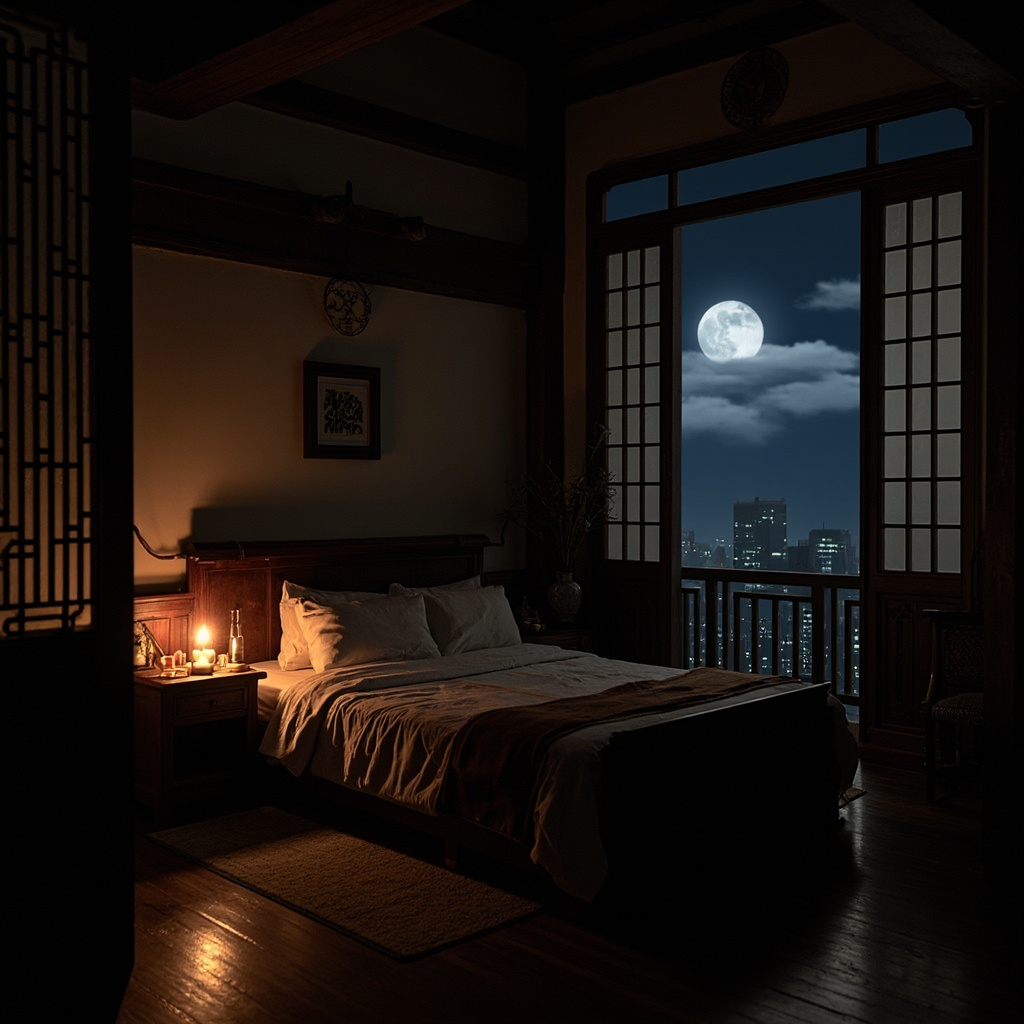
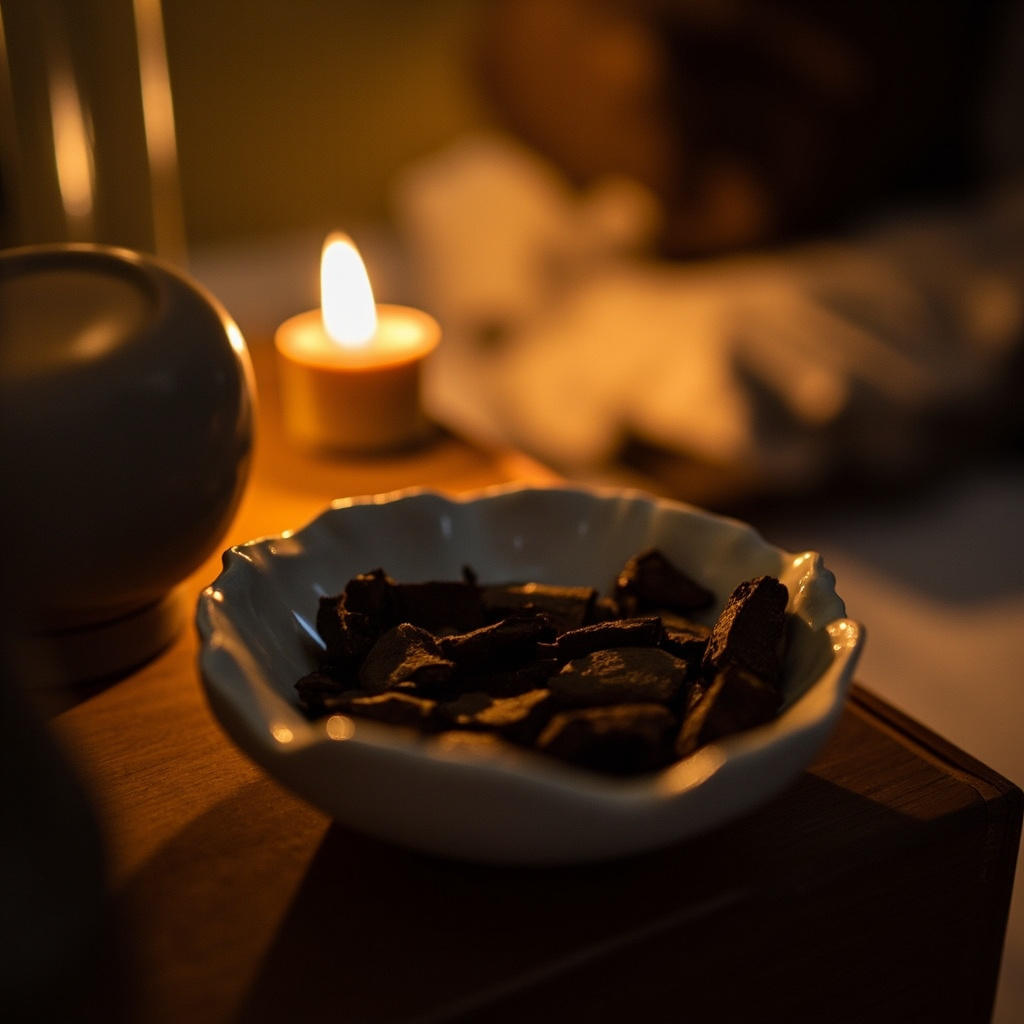
Timing matters — Burn incense 30-60 minutes before you want to sleep. This gives the nervous system time to transition from active to resting.
Quantity is crucial — More is not better. Light incense produces subtle fragrance that gently shifts your state. Heavy incense becomes a distraction. Start with less than you think appropriate.
Electric burners work well — Temperature-controlled electric burners provide consistent fragrance without smoke or fire concerns. Lower temperatures release fragrance suitable for sleep.
Leave the window slightly open — Some ventilation supports sleep incense use. Fresh air exchange prevents the fragrance from becoming cloying.
Creating a Sleep Incense Ritual
The ritual of preparing incense becomes part of the sleep preparation itself.
Same time each night — Your body responds to routine. Burning incense at the same time each evening signals the nervous system that sleep approaches.
Dim lights while burning — The transition from bright to dark also signals sleep readiness. Light incense while the room is dimming.
No screens during burning — The 30-60 minutes of incense burning should be screen-free time. Read a book, do gentle stretching, sit quietly.
Let fragrance linger — After the incense finishes burning, leave the window slightly open and let the fragrance gradually fade.
Common Mistakes
Wrong materials — Using daytime materials for sleep defeats the purpose. If a fragrance energizes you, it is wrong for sleep.
Too much incense — The most common error. When in doubt, use half.
Inconsistent timing — Random incense use does not condition the nervous system. Choose a time and stick with it.
Expecting instant results — Give yourself two weeks of consistent practice before evaluating effectiveness.
The Bottom Line
Incense for sleep is not magic or superstition. It is the practical application of how our nervous system responds to aromatic stimulation. When used correctly, incense creates conditions that support genuine rest.
The ritual component matters as much as the fragrance itself. Preparing incense becomes transition time. The scent becomes sleep cue. The practice becomes self-care ritual.
Start with good quality sandalwood, burn 30 minutes before bed at moderate intensity, maintain consistent timing, and give yourself two weeks to evaluate.
Frequently Asked Questions
Can I burn incense while sleeping?
Burning incense unattended while sleeping presents fire risks. It is safer to burn incense before bed and allow it to burn out completely before sleeping.
How long before bed should I burn incense?
30-60 minutes before sleep provides optimal transition time. This allows the nervous system to shift from active to resting while the incense burns down naturally.
What if I do not notice any effect?
Not everyone responds to incense the same way. If sandalwood does not produce noticeable relaxation, try different materials. Give each material two weeks of consistent use.
Is incense safer than sleeping pills?
Natural incense used properly carries none of the dependence or side effect risks of pharmaceutical sleep aids. However, if you have chronic insomnia, consult a healthcare provider.