Why Authentication Matters More Than With Most Materials

You have spent serious money on what was supposed to be premium agarwood. The vendor showed you dense, dark material. The fragrance notes mentioned sounded authentic. But when you burn it, something feels wrong. The scent does not develop the way you expected. The price seemed almost too good. Now you are wondering: was I fooled?
This happens constantly in the agarwood market. Premium agarwood commands prices that create enormous incentive for deception. Vendors with questionable ethics mix fake material with genuine. Some sell premium-priced material that is anything but premium. Others misrepresent origin or quality to extract higher prices from uninformed buyers.
Authentication skills protect your investment and ensure you get what you actually paid for. While no one becomes an expert overnight, understanding the basic fraud categories and how to spot them gives you defense against the most common deceptions.
The Main Categories of Fake Agarwood
Understanding what you might encounter helps you recognize problems when they appear.
Bastard wood misrepresentation — The most common fraud. Materials that are technically from Aquilaria trees but have not developed proper resin are sold as genuine agarwood. These woods might look similar but lack the fragrance concentration that defines real agarwood.
Oil injection and enhancement — Lower-quality agarwood gets improved through artificial oil injection. The material looks premium but the added oil creates unnatural fragrance and degrades quickly.
Pressure-treated material — Cheap wood gets compressed with agarwood oil under pressure. The resulting material looks dense and dark, tests as sinking in water, but the fragrance is artificial and fades significantly after first burning.
Complete fabrication — Some products contain no genuine agarwood at all. Chemical fragrances applied to wood create initial pleasant scent that disappears completely after a few burnings.
The Water Test: Basic but Effective
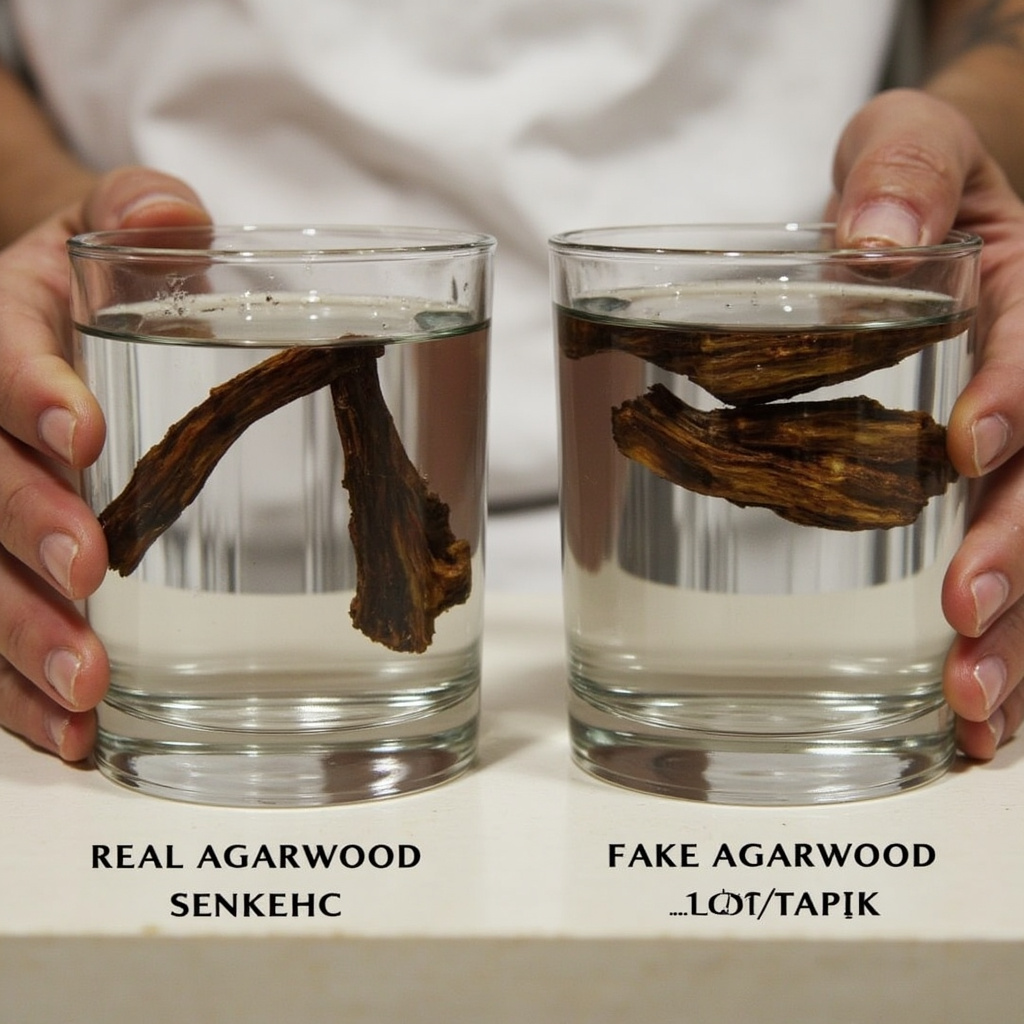
Drop your agarwood into a glass of water. What happens?
Genuine premium agarwood sinks — The high resin content makes the wood dense enough to sink. This is the famous sinking test that everyone mentions.
The catch — Pressure-treated fake wood also sinks. So sinking indicates density but not necessarily authenticity. Use sinking as one indicator among many.
The float test — Wood that floats is definitely not premium. But floating material might still be genuine lower-grade agarwood.
Visual Examination: Learning to Look
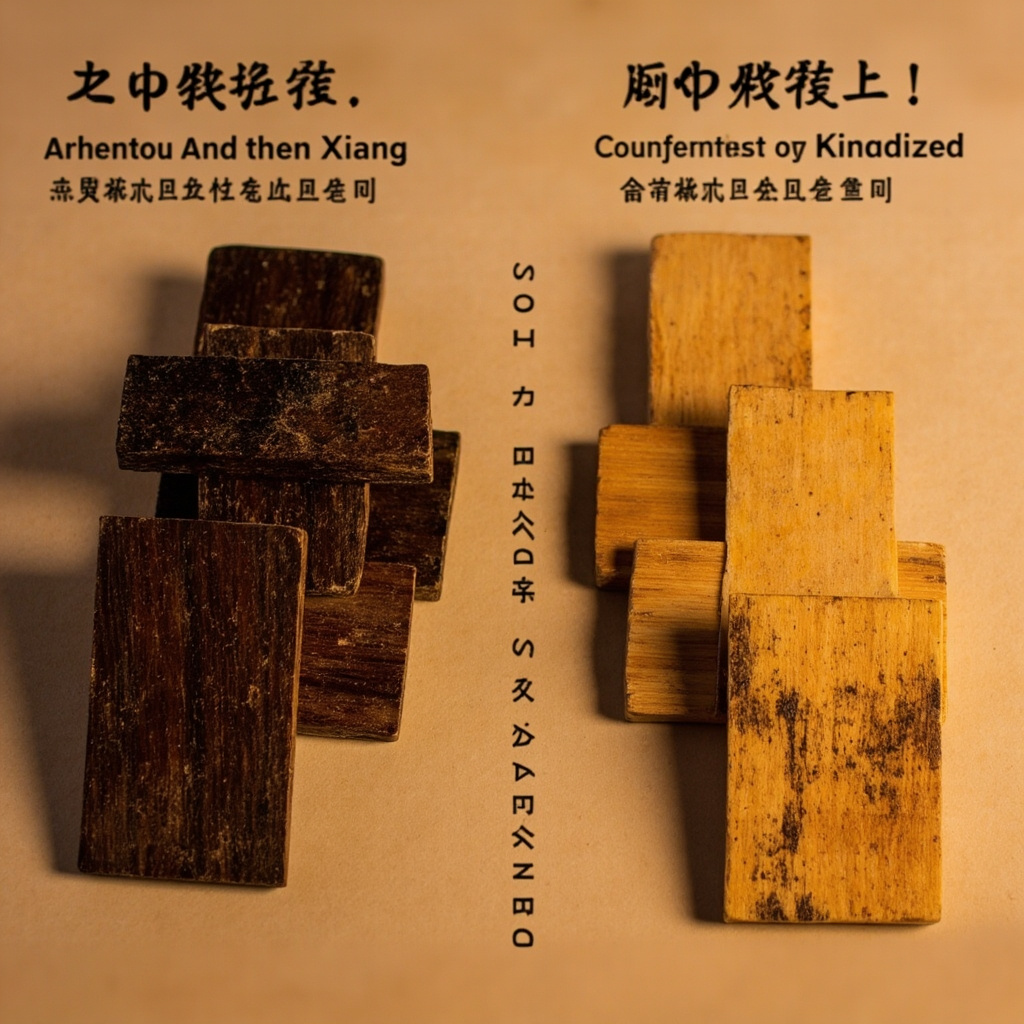

With practice, your eyes learn what genuine agarwood looks like.
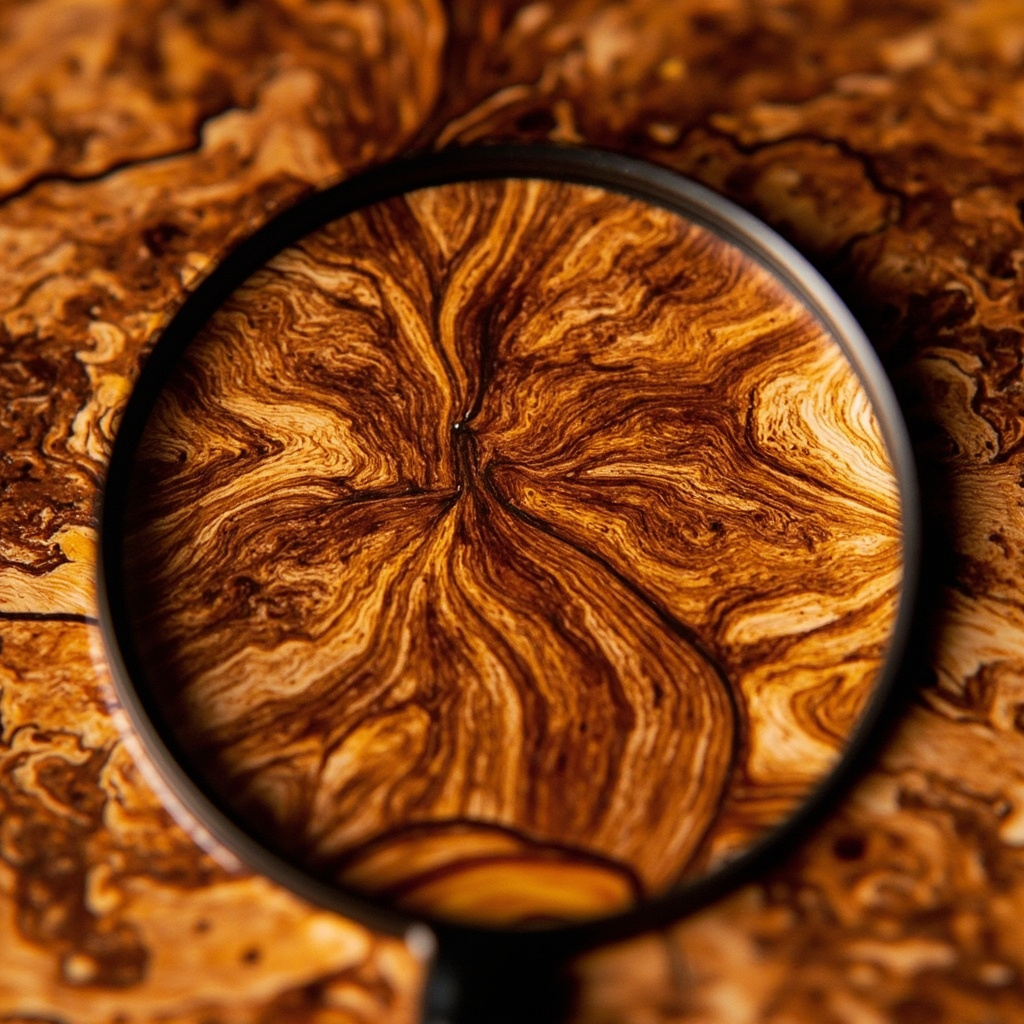
The resin pattern — Real agarwood develops resin in irregular, organic patterns. Fake materials often show too-regular patterns, almost like manufactured marble.
Color consistency — Natural agarwood shows color variation within single pieces. Completely uniform color suggests artificial treatment.
Surface texture — Real agarwood with high resin content feels slightly oily. Fake materials often feel dry regardless of appearance.
The Heat Test: What Fire Reveals
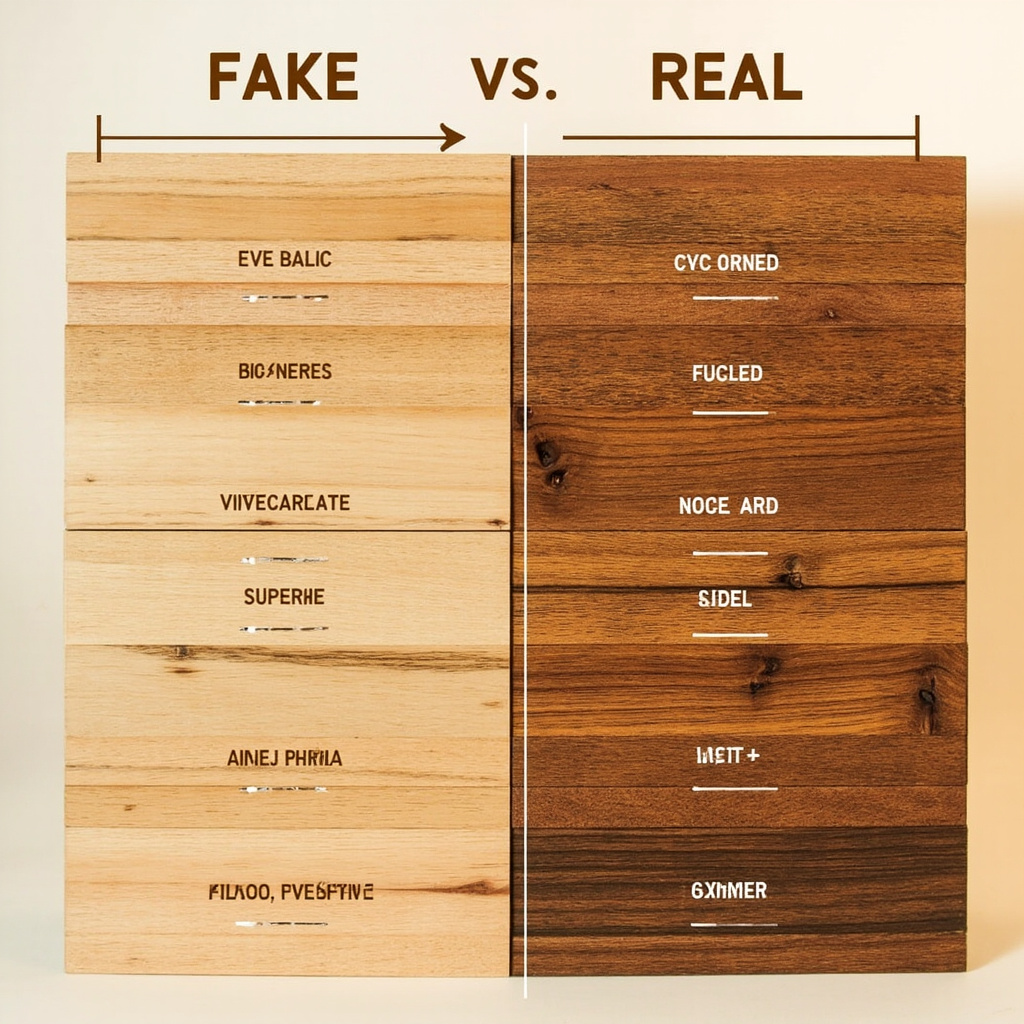
Heat reveals what casual observation misses.
Initial burning — Apply flame briefly. Real agarwood chars but does not catch fire easily. Fragrance releases smoothly as the resin responds to heat.
Fragrance development — Real agarwood fragrance evolves as heat continues. Single-note fragrances that never develop suggest problems.
Smoke characteristics — Real agarwood produces white or light gray smoke that smells pleasant. Black smoke or acrid smell suggests problems.
The Fragrance Test: Most Important
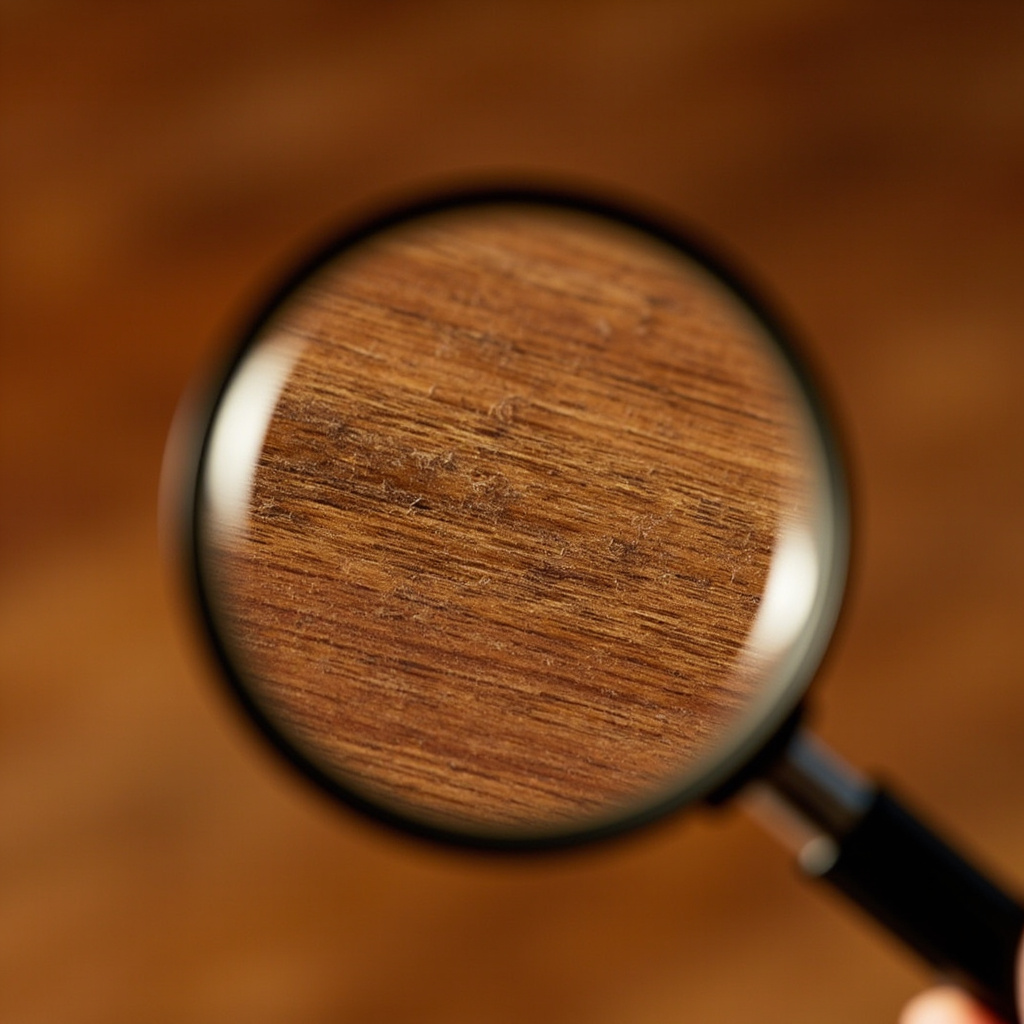
Authentication ultimately depends on fragrance.
Cold fragrance assessment — Quality agarwood should smell pleasant even cold. If the cold fragrance is flat or absent, heating will not improve things.
Evolution during burning — Real agarwood fragrance develops over time. Material that smells strong initially then disappears within minutes likely contains fragrance enhancers.
The reference problem — This test requires knowing what real agarwood smells like. Building your fragrance reference library matters as much as any technical test.
The Bottom Line
No single test proves authenticity definitively. Authentication requires combining multiple assessments and accepting that some uncertainty remains.
Defense strategy — Protect yourself through vendor relationships and reasonable expectations. Prices that seem too good almost certainly are too good.
Building reference — Before spending significant money on premium agarwood, build your reference library. Visit established vendors. Develop intuitive sense of what real agarwood looks and smells like.
Starting conservative — Begin with small purchases from new vendors. Only after confidence should you make larger purchases.
Frequently Asked Questions
Does sinking in water prove agarwood is genuine?
No. Sinking indicates density but does not prove authenticity. Pressure-treated fakes also sink. Use sinking as one indicator among many, not definitive proof.
What is the most reliable authentication test?
Fragrance testing becomes most reliable once you have reference experience. Building your reference library by examining known genuine material precedes relying on fragrance assessment.
Are expensive products more likely to be genuine?
Not necessarily. Some vendors charge premium prices for inferior material. Vendor reputation matters more than price.
How can I find trustworthy vendors?
Start with small purchases from new vendors. Test their material carefully. Any vendor who objects to this approach reveals themselves through that objection.