China’s Most Revered Wood
In the history of Chinese civilization, no wood has commanded more reverence than nanmu. Phoebe zhennan — a tree native to southern China — produced lumber so exceptional that emperors reserved it for their own use. Temples, palaces, and the homes of the most powerful families were built with nanmu. The wood symbolized something beyond mere material wealth: it represented connection to immortality itself.
This is not incense material in the way sandalwood or agarwood are. Nanmu does not burn with dramatic fragrance or produce the complex aromatics that define premium incense. But understanding nanmu matters for understanding Chinese incense culture broadly, because the cultural framework surrounding precious materials originates here.
The reverence for nanmu established patterns that would define Chinese attitudes toward all fragrant materials: the premium pricing, the connection to power and prestige, the belief that certain materials carried spiritual significance beyond their material value.
What Exactly Is Nanmu
Phoebe zhennan grows across southern China, with the finest specimens coming from Sichuan, Guizhou, and Hunan provinces. The tree reaches impressive heights, with straight trunks and beautiful grain patterns that develop over decades of slow growth. The wood resists rot and insects naturally, explaining why ancient nanmu structures survive thousands of years.
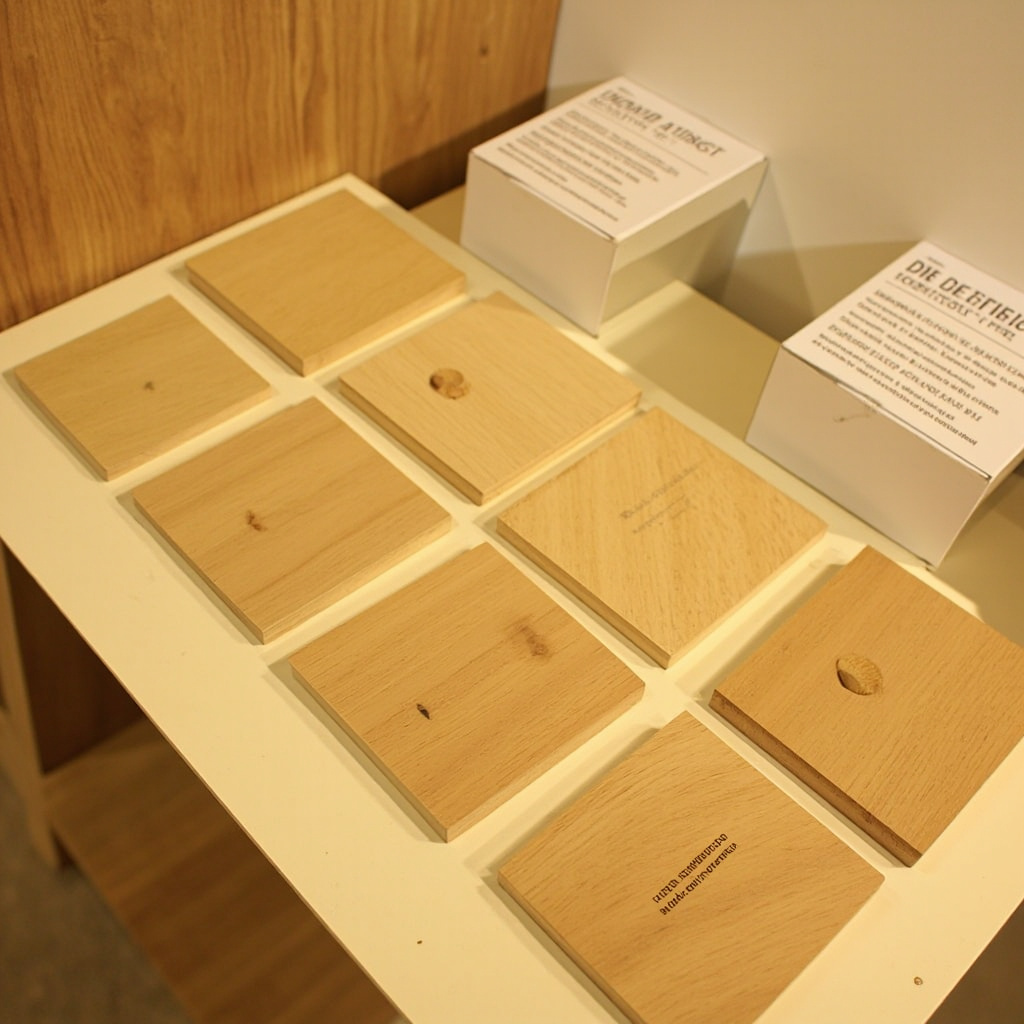
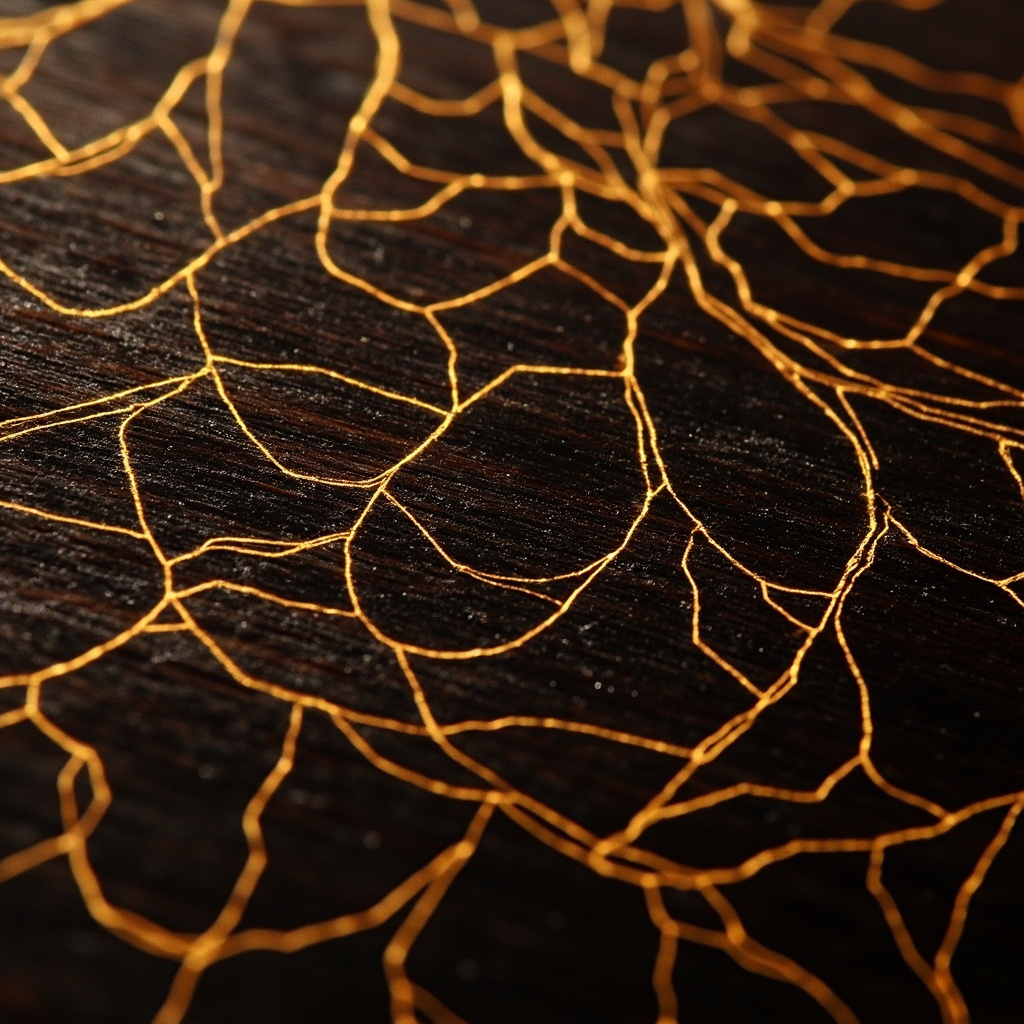
Nanmu wood comes in several varieties based on color and grain. Golden thread nanmu (金丝楠) displays characteristic golden streaks in the otherwise pale wood, creating appearance that looks almost metallic in certain lights. This variety commands highest prices. Plain nanmu without the golden streaks still ranks as premium material but costs significantly less.
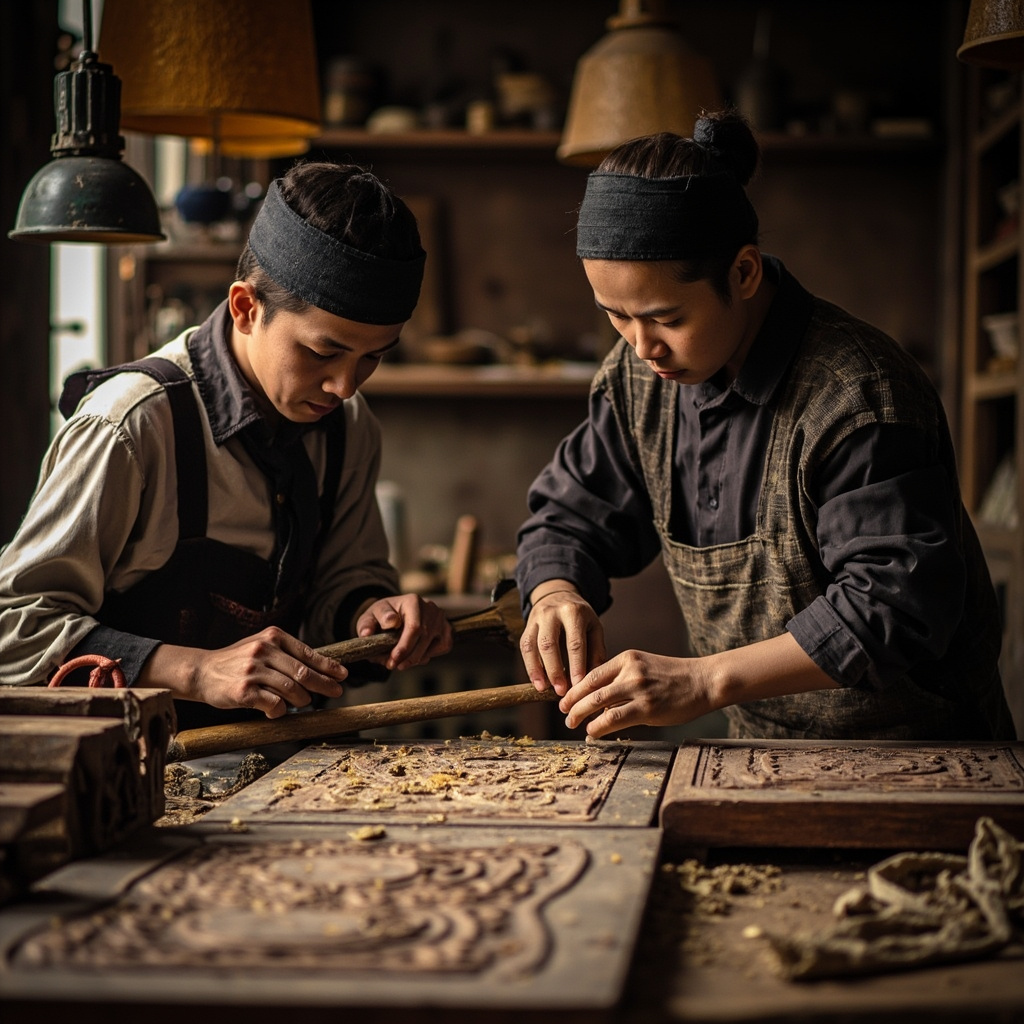
The wood works beautifully for carving and takes finishes well. Ancient craftsmen produced exquisite furniture and architectural elements from nanmu that still exist in museums today.
The Connection to Burial Culture
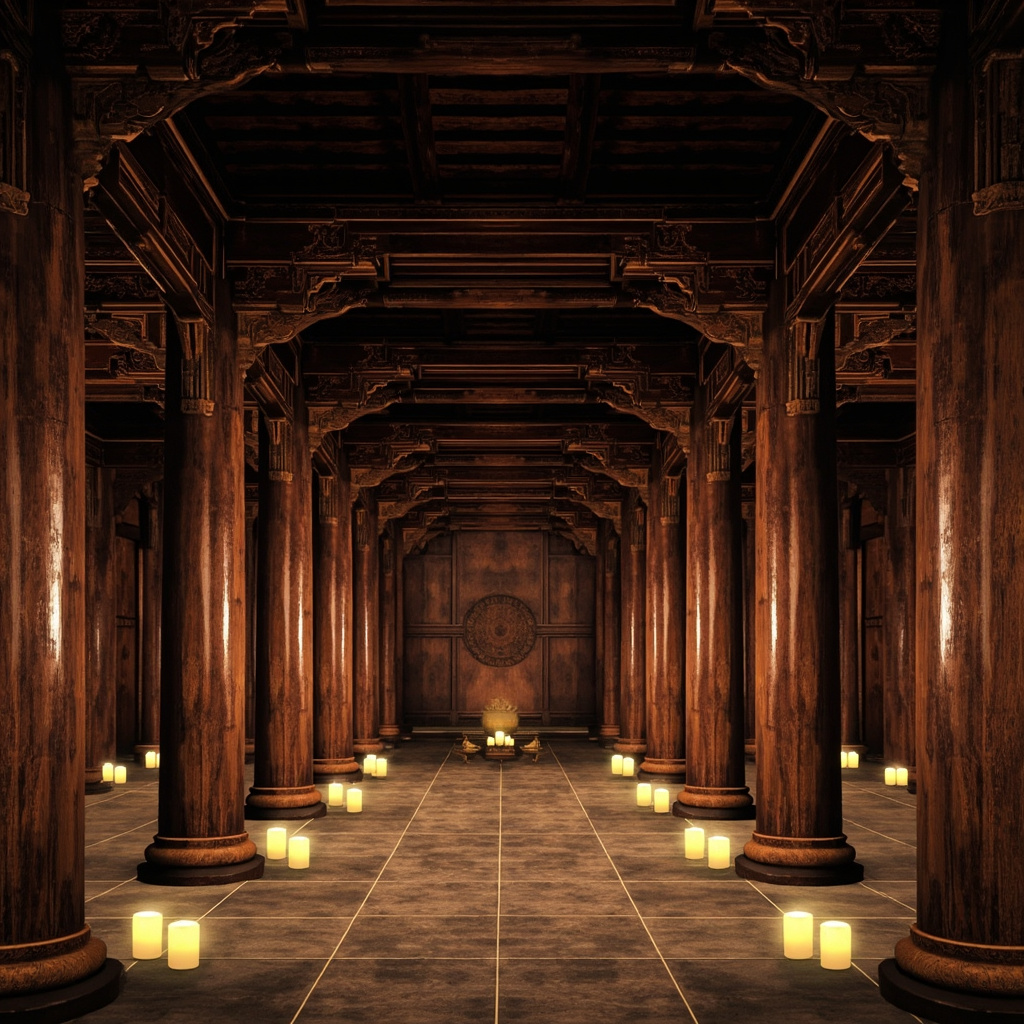
Nanmu achieved its highest status not in buildings but in coffins. The wood natural resistance to decay made it ideal for burial contexts. Emperors and aristocrats were interred in nanmu coffins, the better to preserve their bodies for the afterlife.
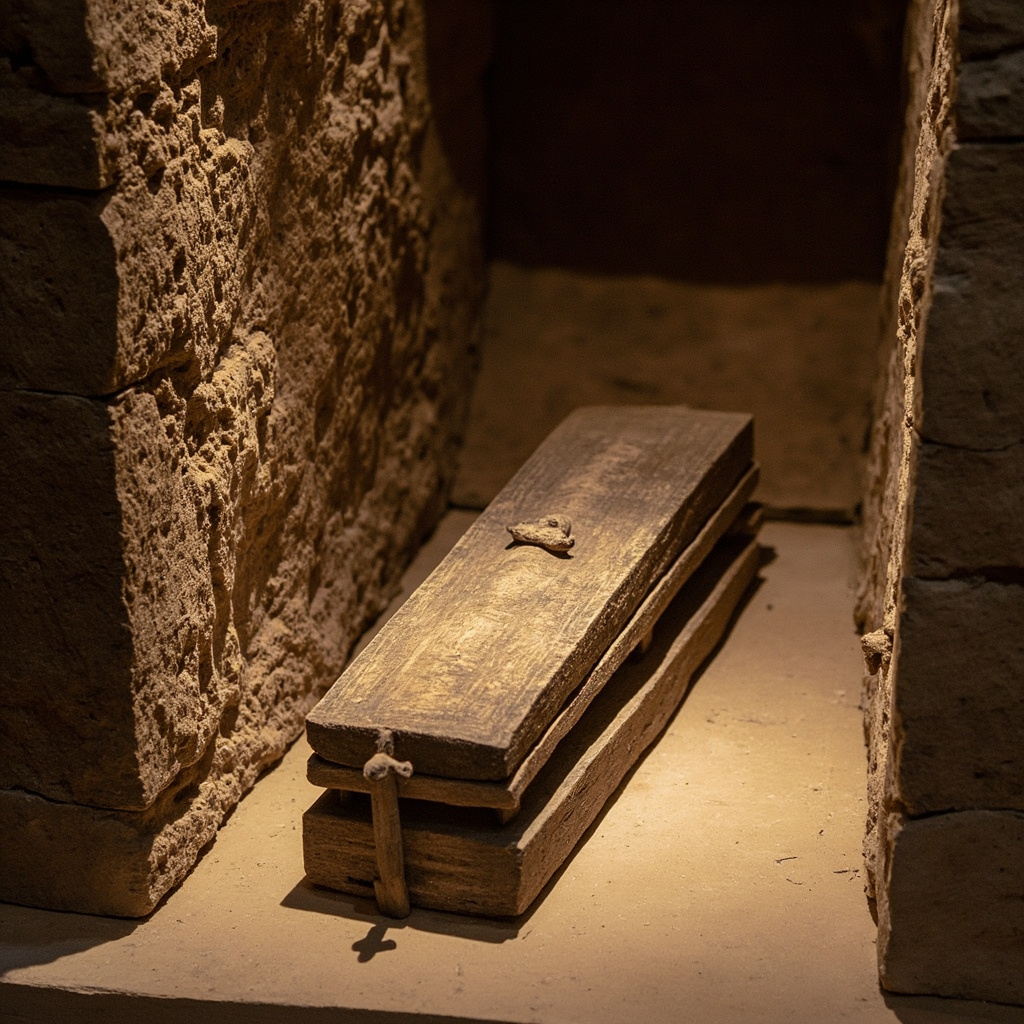
The famous Warring States period discovery of the Chu State burial boats — containing 17 nanmu coffins — demonstrated just how seriously powerful rulers took nanmu burial. These coffins, submerged in water for over two thousand years, emerged in remarkable condition.
This burial connection gave nanmu spiritual significance that transcended mere material value. To be buried in nanmu was to participate in an ancient tradition of power preservation. The wood itself became symbol of continuity between life and whatever came after.
The Fragrance Question
Does nanmu have fragrance? The answer depends on how you define fragrance.
Freshly worked nanmu does have a pleasant, mild scent — something like cedar but subtler. The smell fades as the wood ages, becoming nearly undetectable in ancient material. Nanmu does not produce the dramatic aromatics of sandalwood or agarwood.
For incense purposes, nanmu functions more as aromatic material in specific contexts rather than primary incense. Burning nanmu shavings produces subtle fragrance, but nothing that would impress someone expecting sandalwood intensity.
The incense connection comes more from association than direct fragrance: because powerful people used nanmu, and because incense ceremonies involved those people, the material became linked to incense culture even without strong aromatic properties.
Nanmu in Modern Times
Ancient nanmu has largely disappeared from circulation. The trees that produced the finest material grew slowly over centuries. What survived harvest, burial, and time itself is now in museums or private collections paying extraordinary prices.
Modern nanmu comes from actively growing trees, with quality varying based on growth conditions and harvest age. The golden thread characteristics that made ancient material so prized appear in some modern specimens, commanding premium pricing accordingly.
For incense practitioners, nanmu is not practical material. The economics make no sense: nanmu for furniture or carvings costs thousands of dollars per board foot. Burning this as incense would cost more than most peoples monthly income for minimal aromatic return.
The Bottom Line
Nanmu matters for incense culture not as actual incense material but as foundational example of how Chinese culture developed its framework for valuing aromatic and precious materials. The reverence for nanmu established patterns: premium pricing based on scarcity and cultural significance, connection to power and prestige, belief that certain materials carried spiritual benefits.
When you understand why Chinese emperors reserved nanmu for their own coffins, you understand the mindset that would later value agarwood at gold-equivalent pricing. The cultural framework developed here.
Practically speaking, nanmu serves no direct incense purpose. But understanding its place in Chinese material culture illuminates everything else in incense practice.
Frequently Asked Questions
Is nanmu used as incense?
Not typically. Nanmu lacks the aromatic properties that define incense materials like sandalwood or agarwood. It was used for furniture, coffins, and carvings, not for burning. The incense connection is cultural and historical rather than practical.
What is golden thread nanmu?
Golden thread nanmu (金丝楠) displays characteristic golden streaks running through the pale wood. This variety commands the highest prices and was used for imperial purposes. The golden effect comes from mineral deposits and grain patterns that develop over centuries of slow growth.
Why was nanmu so valued?
Several factors combined: natural resistance to decay (making it ideal for burial and outdoor use), beautiful grain patterns, workability for carving, and extreme slow growth creating genuine scarcity. The rarest material came from trees growing on cliffs and mountains, adding to its mystique.
Can I burn nanmu as incense?
You could technically burn nanmu shavings, but the fragrance is minimal and the economics make no sense. Nanmu costs far more than its fragrance would justify. For incense purposes, use dedicated incense materials rather than precious furniture wood.