The Incense Often Confused with Agarwood
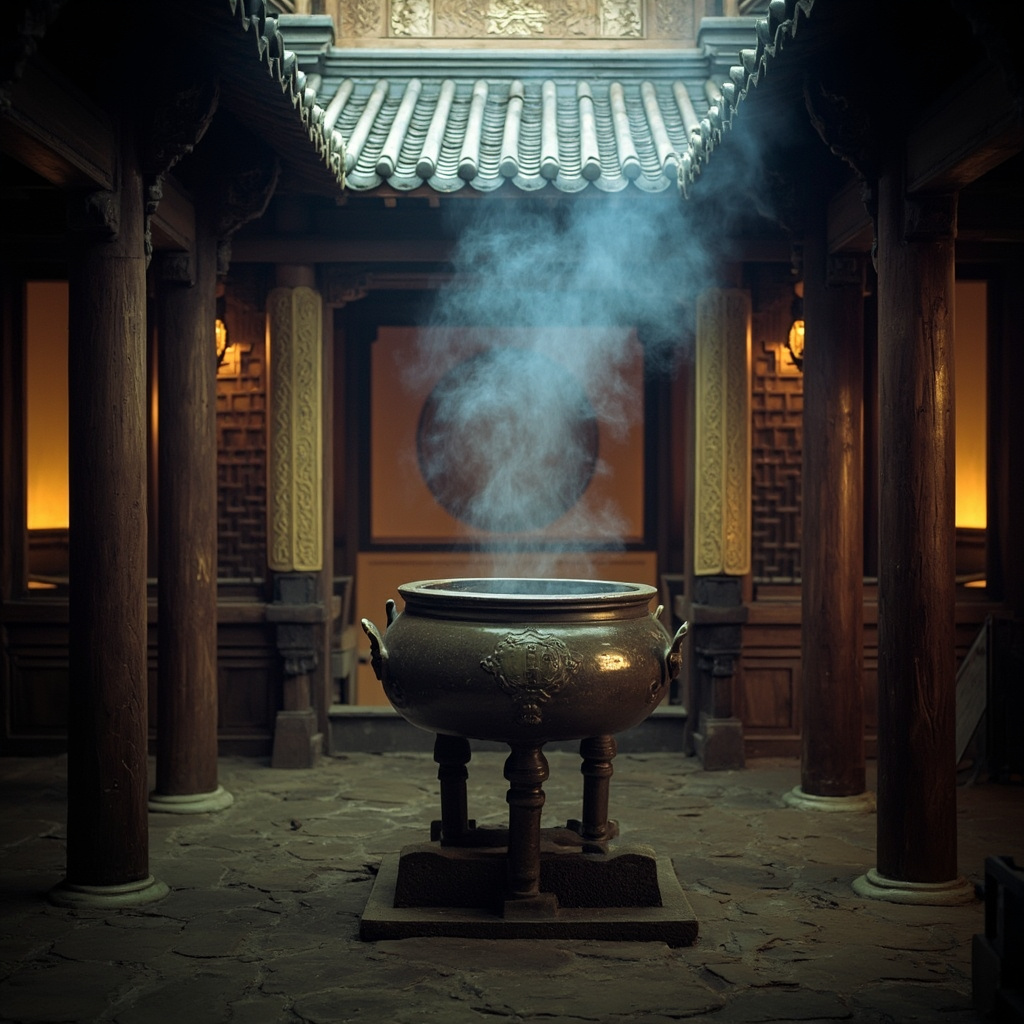
In the world of Chinese incense, confusion reigns around certain materials. Names sound similar. Appearances overlap. Even experienced practitioners sometimes mix up related but distinct materials. Jiang Zhen Xiang (降真香) sits right at the center of this confusion — often mistaken for agarwood, sometimes called pseudo-agarwood, yet representing something genuinely different and valuable in its own right.
The name itself misleads: “Jiang Zhen” suggests “true” or “authentic” — as if it is claiming to be the real thing. Historical context explains this naming rather than current confusion. The material has been valued in Chinese incense culture for centuries, developing its own identity separate from the agarwood question.
What Exactly Is Jiang Zhen Xiang
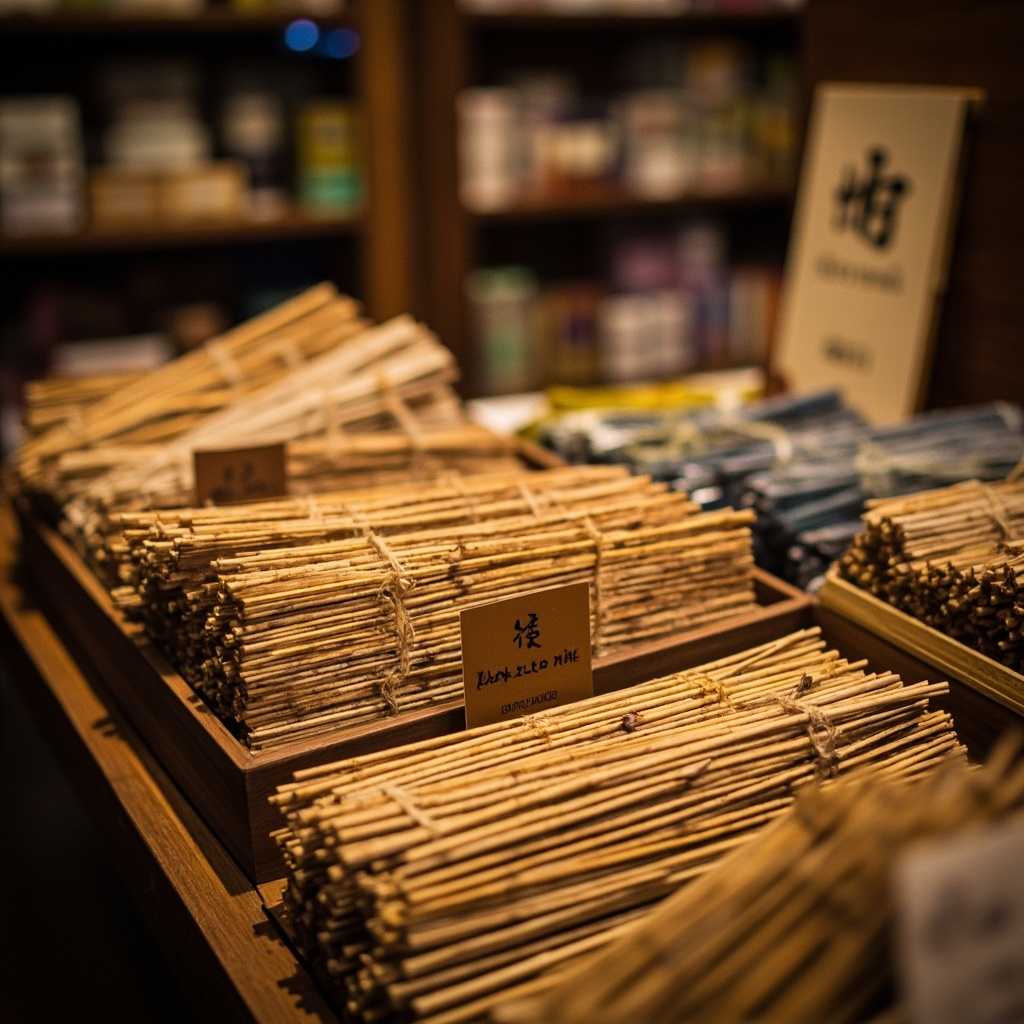
Jiang Zhen Xiang comes from a different botanical source than agarwood. While agarwood forms in Aquilaria trees, Jiang Zhen Xiang comes from liana vines — specifically species in the Dalbergia genus. This botanical distinction matters because the fragrant compounds and resulting fragrance character differ fundamentally.
The material appears in Chinese markets under various names: the most common classification separates Fan Jiang (番降, foreign/imported varieties) from Guang Jiang (广降, domestic Chinese varieties). Each category encompasses multiple specific origins with distinct characteristics.
How Jiang Zhen Xiang Differs from Agarwood
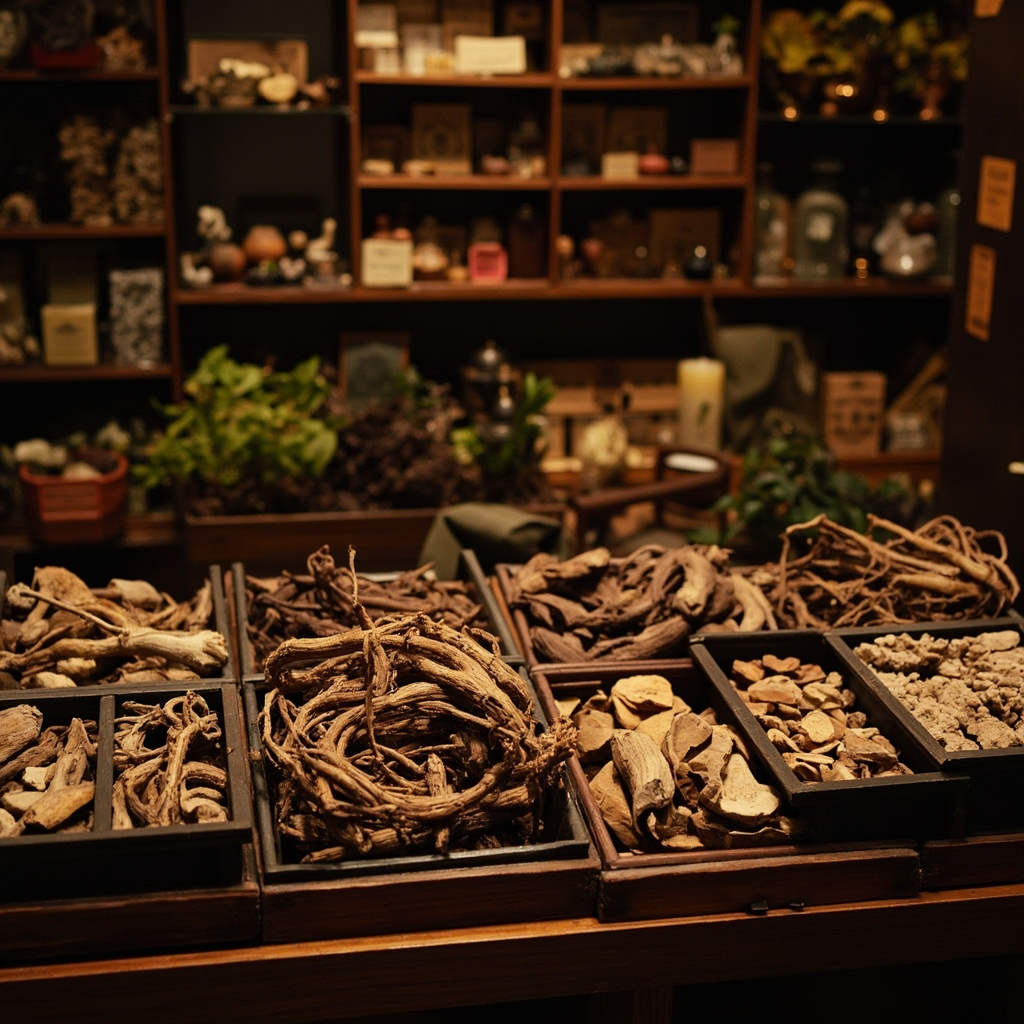
Understanding the differences helps you appreciate both materials more deeply.
Botanical source — Agarwood comes from Aquilaria trees. Jiang Zhen Xiang comes from liana vines in the Dalbergia genus. The vine structure means Jiang Zhen Xiang often displays different internal patterns than tree-based agarwood.
Fragrance character — Jiang Zhen Xiang fragrance is generally described as sweeter and lighter than agarwood. Some describe it as more floral, with less of the deep, complex darkness that defines premium agarwood. The fragrance develops more quickly when burned but does not evolve as extensively as agarwood over time.
Price positioning — High-quality Jiang Zhen Xiang costs significantly less than premium agarwood while still providing genuine aromatic experience. This makes it accessible to practitioners who find agarwood pricing prohibitive.
The Classification System for Jiang Zhen Xiang

Jiang Zhen Xiang classification involves multiple dimensions.
By origin — Fan Jiang (番降) refers to imported varieties, historically from Southeast Asia and other foreign sources. Guang Jiang (广降) refers to domestic Chinese production, primarily from Hainan and other southern provinces. Fan Jiang generally commands higher prices due to perceived quality differences.
By color — Like agarwood, Jiang Zhen Xiang darkens with increased resin saturation. Darker material generally indicates better quality, but color alone does not determine value. The fragrance must match the visual promise.
By maturity — Material aged longer develops deeper fragrance. Fresh material smells pleasant but lacks the complexity that aging provides. Some collectors age Jiang Zhen Xiang for years before burning.
Traditional Uses of Jiang Zhen Xiang
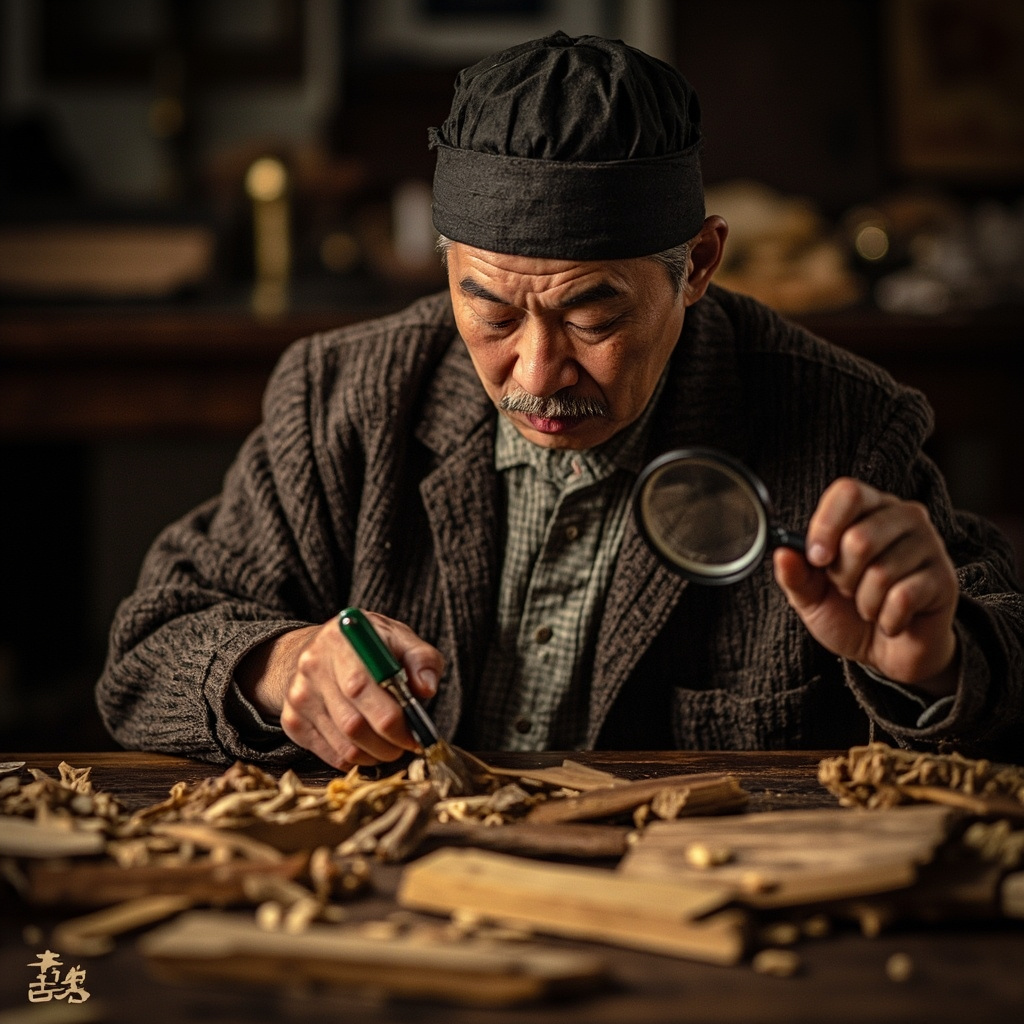
Chinese traditional medicine incorporated Jiang Zhen Xiang for various purposes.
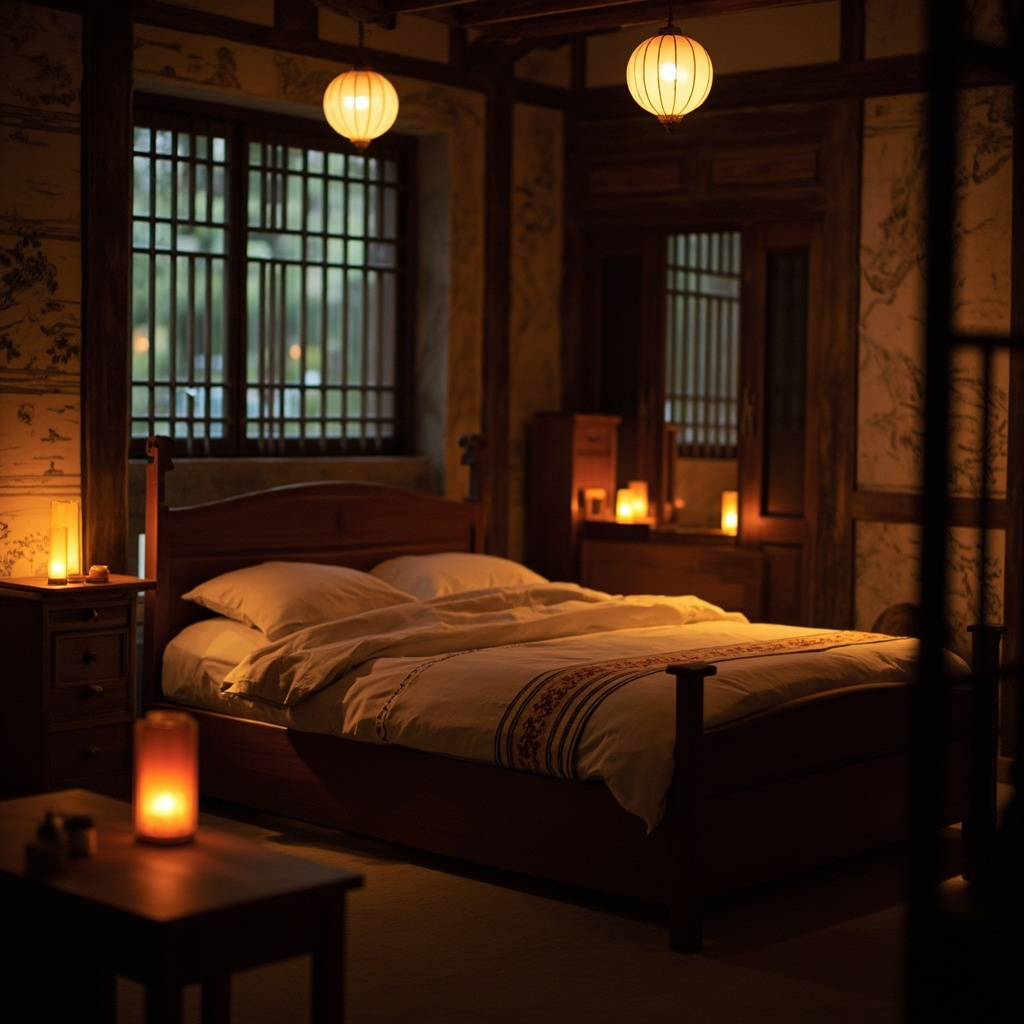
Sleep support — One of the most commonly cited traditional uses involves promoting restful sleep. Burning Jiang Zhen Xiang before bed supposedly creates conditions favorable for sleep. Whether through actual aromatherapy compounds or simple relaxation ritual, many practitioners report benefits.
Meditation accompaniment — Like other fragrant materials, Jiang Zhen Xiang appeared in meditation contexts. The lighter fragrance suited extended practice sessions without the intensity that extended agarwood burning sometimes produces.
Space fragrance — The sweeter, more approachable character of Jiang Zhen Xiang made it popular for daily space fragrance. Less demanding than agarwood, it suited regular household use without requiring special occasions.
How to Evaluate Jiang Zhen Xiang Quality
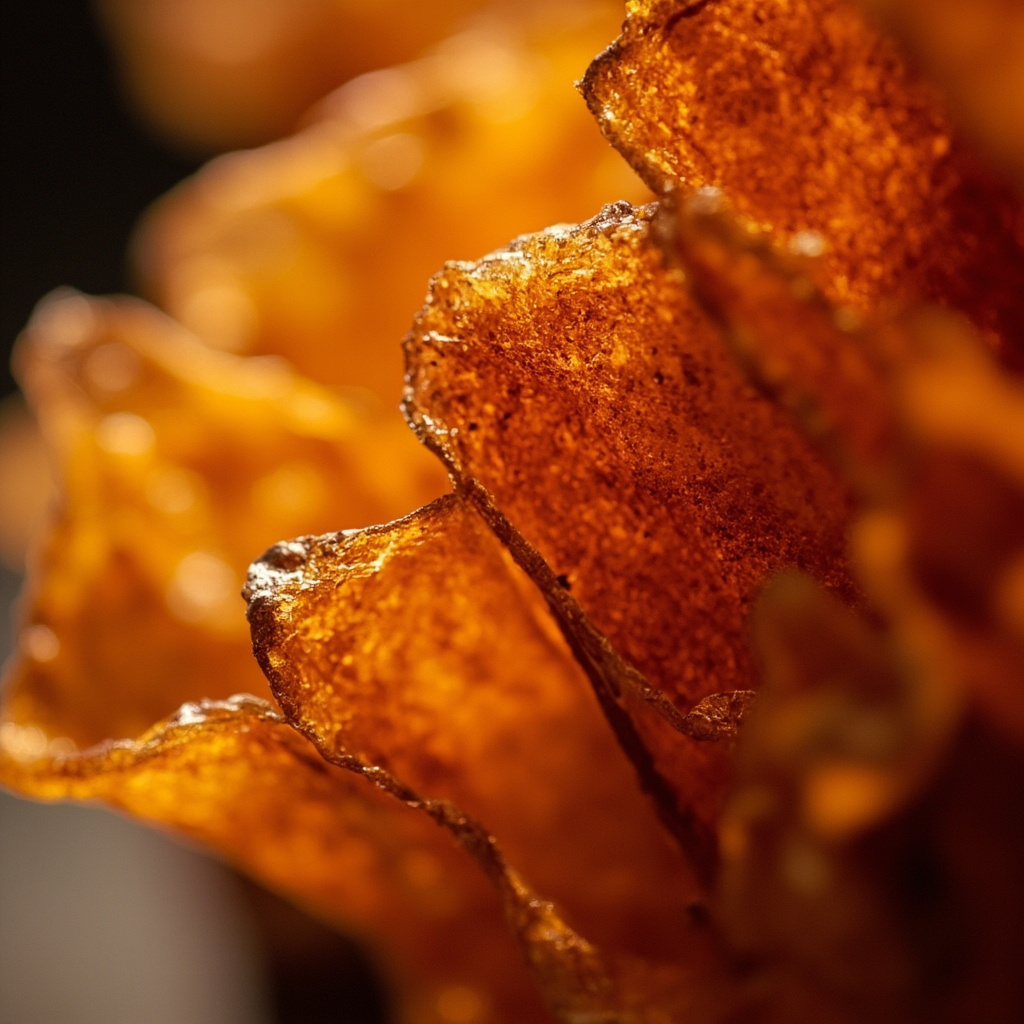
Assessing Jiang Zhen Xiang follows principles similar to agarwood evaluation.
Cold fragrance test — Quality Jiang Zhen Xiang should smell pleasant even before heating. If the cold material has no fragrance or smells off, the heated material will disappoint. This simple test eliminates obviously problematic material.
Visual inspection — Resin saturation creates visible patterns within the wood. Denser saturation generally indicates better quality. Surface texture, color consistency, and internal grain patterns all provide authentication clues.
Fragrance when burned — The actual test that matters. Quality Jiang Zhen Xiang releases fragrance smoothly when heated. The scent should be clean, pleasant, and consistent.
The Bottom Line
Jiang Zhen Xiang deserves appreciation on its own terms rather than as agarwood substitute or competitor. The material offers genuine aromatic experience at more accessible price points, making quality incense practice available to practitioners who find premium agarwood pricing challenging.
Understanding how Jiang Zhen Xiang differs from agarwood helps you appreciate both. They serve somewhat different purposes — Jiang Zhen Xiang for daily practice and accessible fragrance, agarwood for special occasions and peak experience pursuit. Neither replaces the other.
If you have dismissed Jiang Zhen Xiang as inferior agarwood, reconsider. The material has its own identity, its own character, its own value. Explore without prejudice and let your own experience guide preferences.
Frequently Asked Questions
Is Jiang Zhen Xiang really different from agarwood?
Yes, fundamentally different. Different botanical source (vine versus tree), different fragrance compounds, different pricing. Only the confusion of similar marketing names links them. Treat Jiang Zhen Xiang as its own material rather than inferior agarwood.
What are Fan Jiang and Guang Jiang?
Fan Jiang (番降) refers to imported varieties, historically from Southeast Asia. Guang Jiang (广降) refers to domestic Chinese production, primarily from Hainan and southern provinces. Fan Jiang generally commands higher prices but both have quality options.
Can Jiang Zhen Xiang replace agarwood in blends?
Jiang Zhen Xiang can serve similar purposes in blends where lighter fragrance is desired. It does not replicate agarwood character exactly, but for certain applications the lighter Jiang Zhen Xiang character may actually be preferable. Experiment to find what works for your specific purposes.
How should I store Jiang Zhen Xiang?
Similar storage to agarwood: airtight containers, cool temperatures, protection from light. The material benefits from aging like agarwood, developing deeper fragrance over time if properly stored.