

The New World Alternative to Traditional Sandalwood
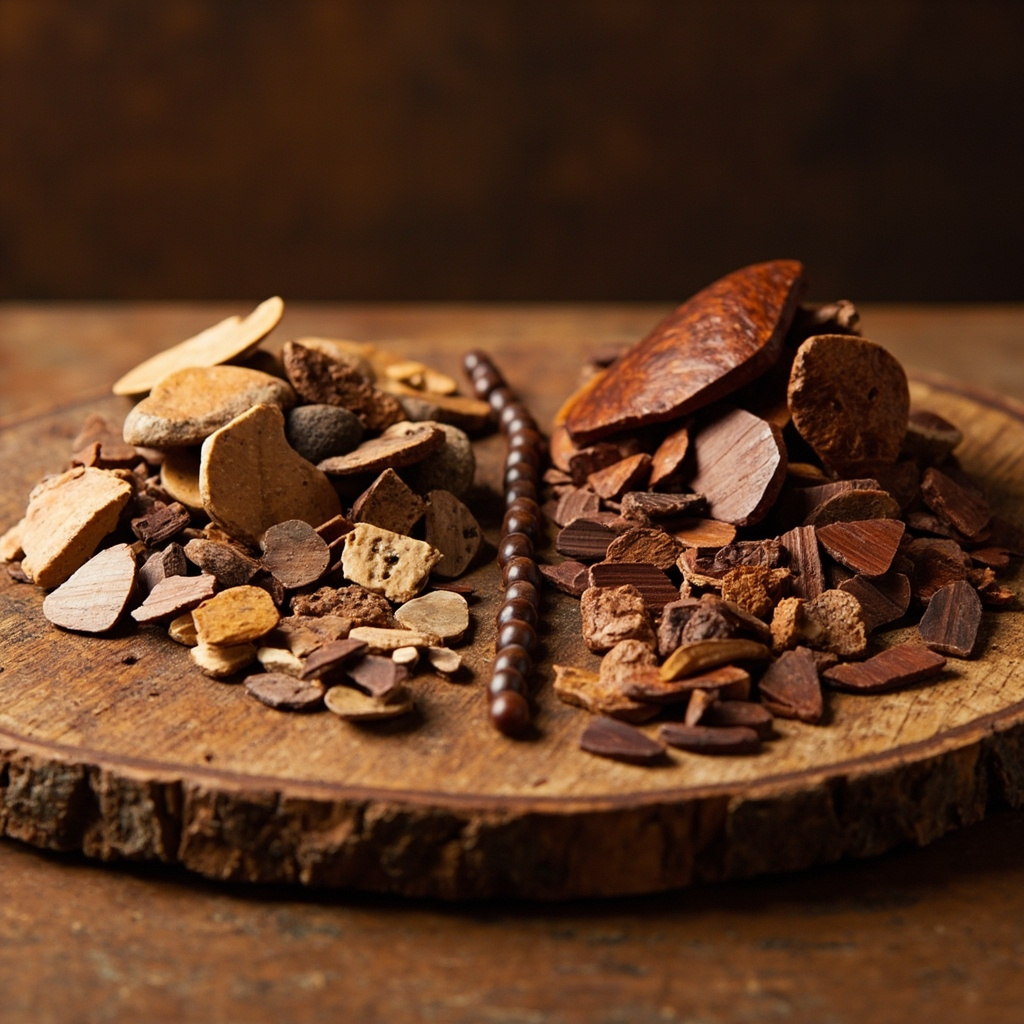
For centuries, the conversation about premium sandalwood started and ended with India. Then Australia entered the market. The southern continent had sandalwood — lots of it — growing wild across Queensland and Western Australia. For a long time, Australian sandalwood was considered the budget option, the thing you bought when you could not afford the real thing from Mysore.
This perception has changed dramatically. Australian sandalwood producers refined their aging and processing techniques. The quality gap between Australian and Indian narrowed significantly. Today, Australian sandalwood — called xinshan tan (新山檀) in Chinese, meaning “new mountain sandalwood” — occupies legitimate territory in the premium sandalwood conversation.
The “new” in the name initially meant “newer” in quality perception, not just geographic origin. Modern production methods have largely closed this gap. For practitioners seeking good sandalwood at more accessible prices, Australian material deserves serious consideration.
Understanding Australian Sandalwood Origins
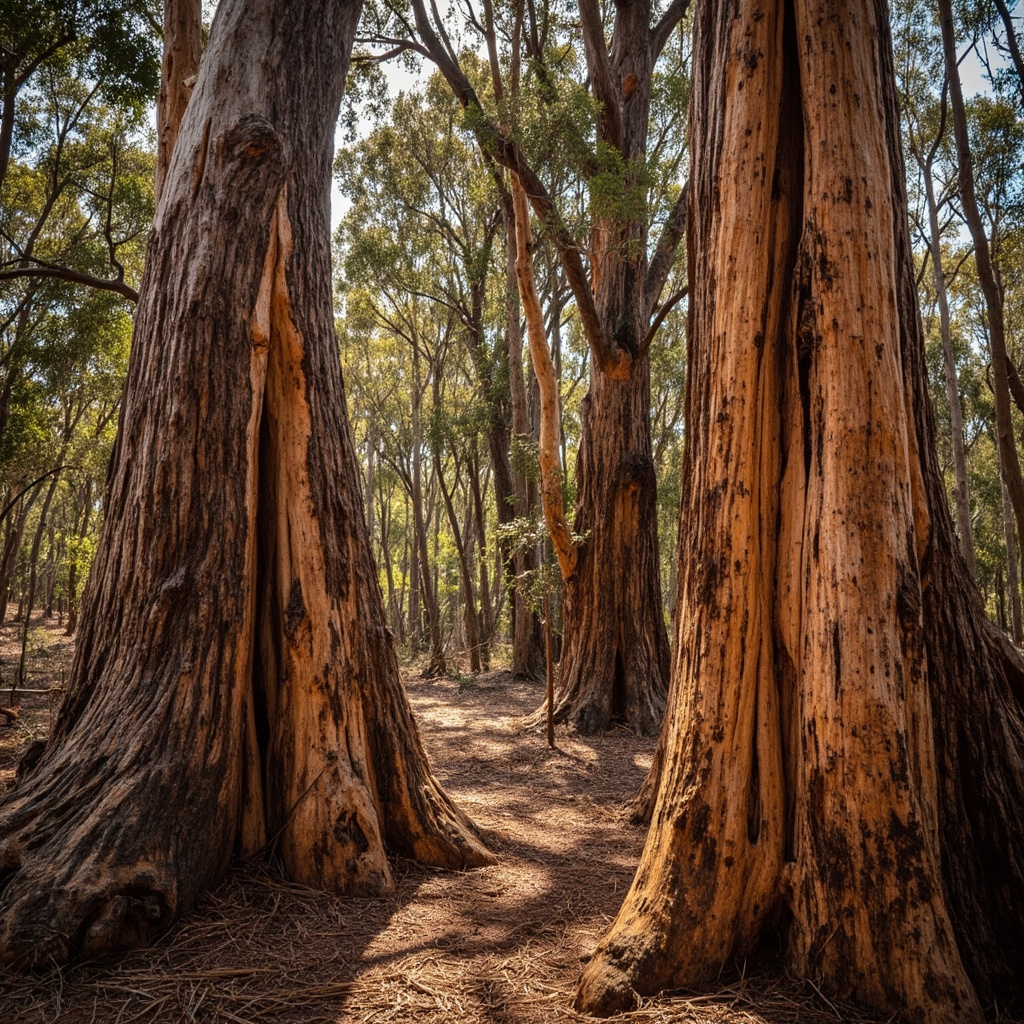
Australian sandalwood comes primarily from two species growing across different regions.
Santalum album (Indian sandalwood) — The same species as Indian Mysore, now grown extensively in Australian plantations. Queensland’s climate suits this species well, producing material that is botanically identical to Indian-origin trees. The fragrance character is similar, though some argue the terroir creates subtle differences.
Santalum spicatum (Australian sandalwood) — Native Australian species with distinct fragrance characteristics. Western Australia produces primarily this species. The fragrance differs from S. album — slightly sharper, more resinous, with some describing it as more “Australian” in character. Whether this is inferior or simply different remains subjective.
Regional variations — Northern Territory, Queensland, and Western Australia each produce slightly different characteristics. The specific growing conditions — soil, rainfall, temperature — influence the final fragrance profile. Quintis, the major Australian sandalwood supplier, focuses on consistent quality across their plantations.
How Australian Compares to Indian Sandalwood
This comparison matters because it determines when to choose Australian over Indian.
The fragrance difference — Indian Mysore reads as creamier, sweeter, more refined. Australian tends toward sharper, more resinous character. The difference is like comparing aged wine to younger wine — both genuine, but different expressions. Some practitioners actually prefer the Australian character, finding it more “interesting” than the sometimes-too-smooth Mysore.
The price difference — Australian sandalwood costs significantly less than Indian for comparable grades. This makes it practical for daily burning and larger-space fragrance where using Indian would be prohibitively expensive.
The availability difference — Indian sandalwood faces export restrictions and supply constraints. Australian production operates at industrial scale with reliable supply chains. When you need sandalwood now, Australian is more likely to be available.
The quality trajectory — Australian sandalwood quality has improved consistently over decades of plantation management. Processing techniques that initially produced inferior products have been refined. The gap that once justified massive price differentials has narrowed to the point where some practitioners cannot reliably distinguish between origins.
Regional Characteristics of Australian Sandalwood
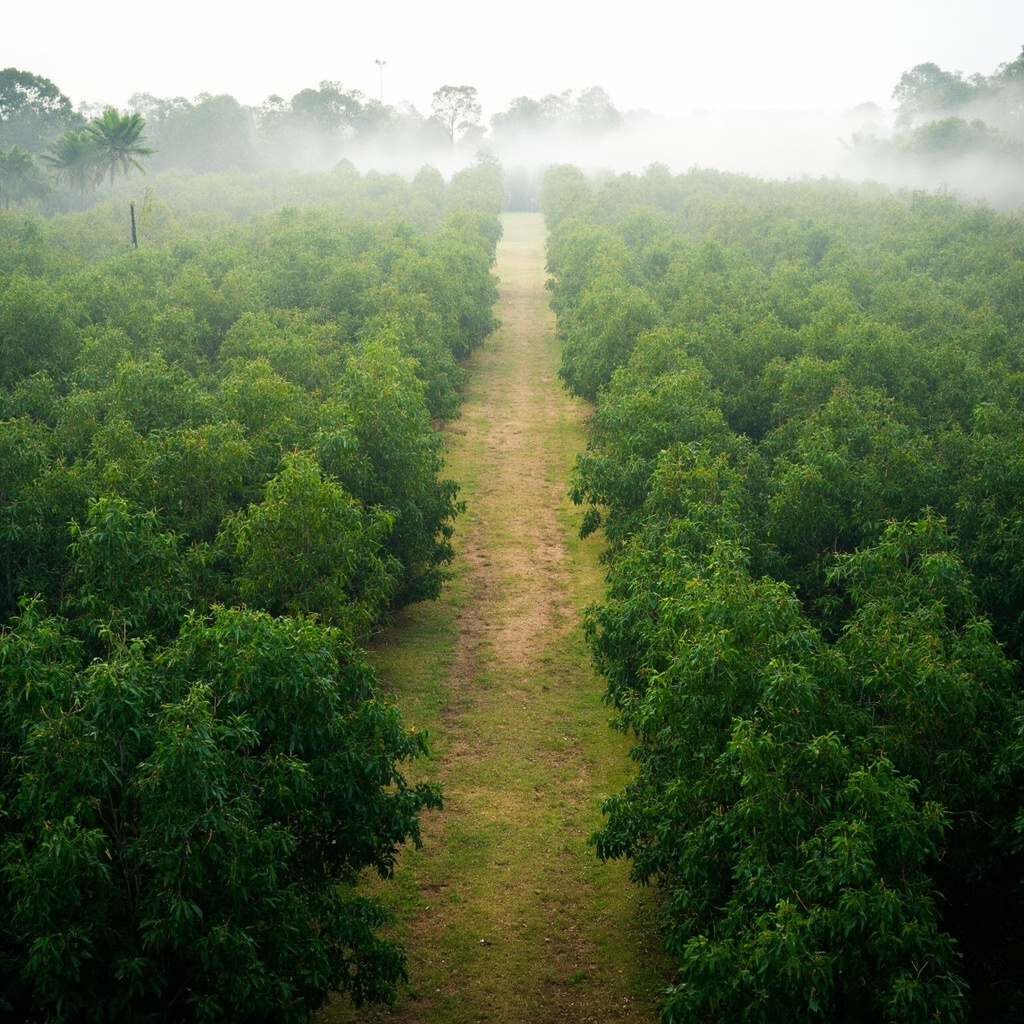
Different Australian regions produce distinct sandalwood characteristics.
Queensland sandalwood — Grown from Indian Santalum album stock, Queensland sandalwood most closely resembles Mysore material. The tropical climate produces wood with good oil content and fragrance that experienced practitioners sometimes prefer to Indian material for certain applications.
Western Australian sandalwood — From native S. spicatum species. More resinous, slightly sharper fragrance. Better suited for applications where you want sandalwood presence without the full creaminess of Indian varieties. Often more affordable due to abundant local supply.
Northern Territory — Less commercially significant but produces material used primarily in local markets and specific product applications. Not typically available in premium incense channels.
Practical Uses for Australian Sandalwood
Australian sandalwood excels in specific applications where Indian might be wasteful.
Daily burning — The more accessible pricing makes Australian sandalwood practical for daily incense use. You can burn generously without the guilt of spending premium prices. For practitioners who burn incense throughout the day, this economics matters.
Larger spaces — Filling a large room or open-plan living area requires more fragrance material. Using Indian sandalwood at the quantities needed becomes expensive. Australian provides sufficient presence at reasonable cost.
Blending base — When creating custom blends, the base material does not need to be premium. Australian sandalwood provides excellent carrying fragrance while you reserve expensive Indian for accent notes.
Practice sessions — When experimenting with new blends or techniques, using premium materials for practice feels wasteful. Australian sandalwood lets you practice freely while reserving premium materials for final products.
Evaluating Australian Sandalwood Quality
Not all Australian sandalwood is equal, despite what vendors might imply with origin claims.
Vendor sourcing — Quintis dominates commercial Australian sandalwood supply. Vendors sourcing from Quintis can demonstrate provenance. Unknown vendors may be selling lower-grade material or improperly processed wood.
Age — Like all sandalwood, Australian material improves with age. Plantation sandalwood is typically harvested at 15-20 years for economic viability. Older trees produce superior fragrance. If price seems too low, the material may be from young, fast-grown trees.
Processing — How sandalwood is dried, stored, and prepared affects final fragrance. Reputable vendors invest in proper processing. Unknown sources may sell inadequately processed material regardless of origin.
Species awareness — If specific species matters to you, verify what you are getting. Santalum album from Queensland most closely approximates Indian Mysore. Santalum spicatum from Western Australia offers different character at lower price points.
The Bottom Line
Australian sandalwood has earned its place in the serious sandalwood conversation. The quality improvements of recent decades, combined with more accessible pricing and reliable supply, make it legitimate choice rather than mere Indian substitute.
For beginners exploring sandalwood, Australian material offers excellent starting point. You can develop your palate with Australian sandalwood, understand what quality sandalwood provides, before investing in premium Indian for special occasions.
For experienced practitioners, Australian sandalwood serves specific purposes well. Daily burning, large-space fragrance, and blending base applications all benefit from Australian economics without sacrificing the fundamental sandalwood experience.
The old prejudice against Australian sandalwood as inferior is outdated. Today’s Australian production, particularly from established suppliers, offers genuine quality that deserves respect. The choice between Australian and Indian should be based on application and preference rather than assumed quality hierarchy.
Frequently Asked Questions
Is Australian sandalwood really as good as Indian?
It depends on what “good” means. The fragrance character differs — Australian is typically sharper and more resinous, Indian is creamier and sweeter. For some applications, the Australian character is actually preferable. The quality gap that once existed has largely closed for premium Australian material from established suppliers.
Why is Australian sandalwood cheaper?
Supply dynamics mainly. Australia has significant plantation acreage and efficient production. India restricts harvest and export. Additionally, the “premium” pricing of Indian sandalwood partly reflects reputation and scarcity rather than proportional quality difference.
Which Australian region is best?
Queensland Santalum album most closely resembles Indian Mysore. Western Australian S. spicatum offers distinct character at lower prices. “Best” depends on your preference and budget rather than objective ranking.
Can beginners use Australian sandalwood?
Absolutely. Australian sandalwood is excellent for beginners — accessible pricing lets you burn generously while developing your palate. Reserve Indian sandalwood for when you have specific comparison points from experience.