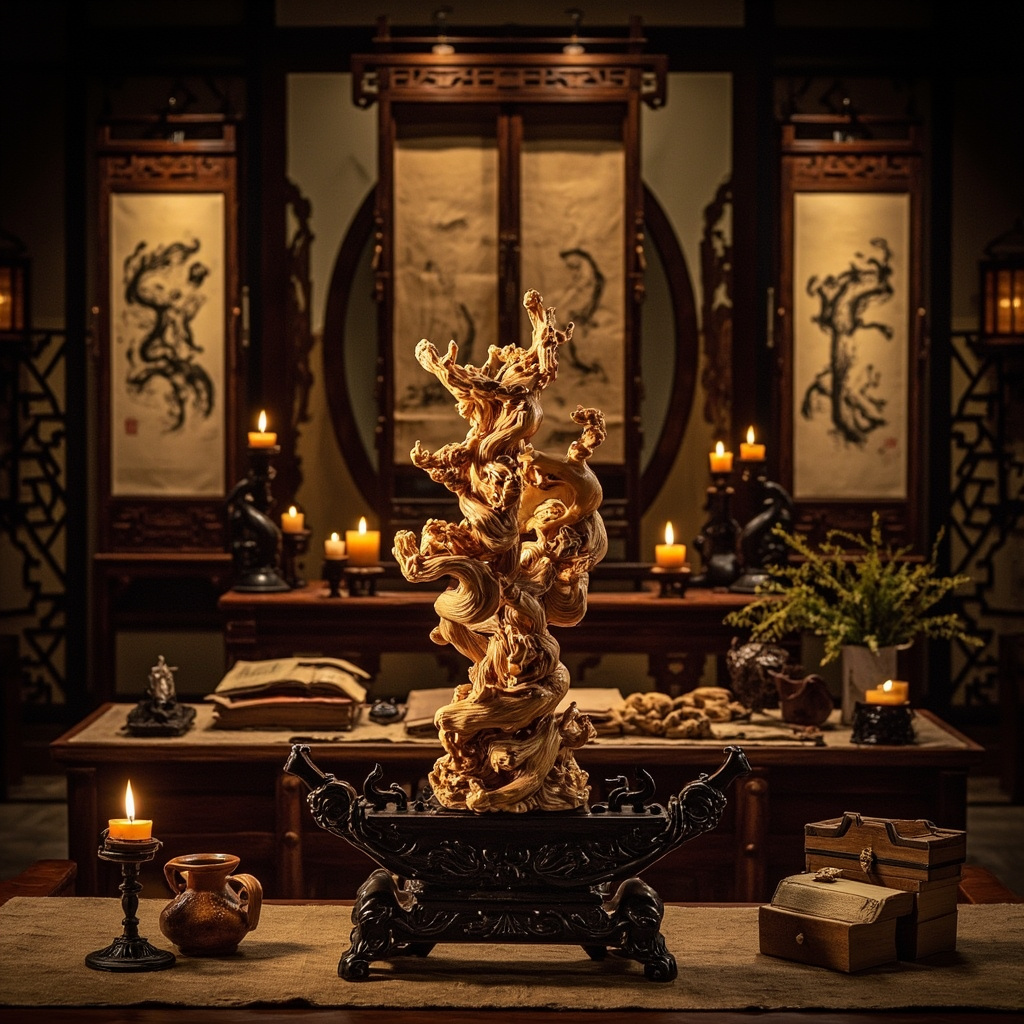
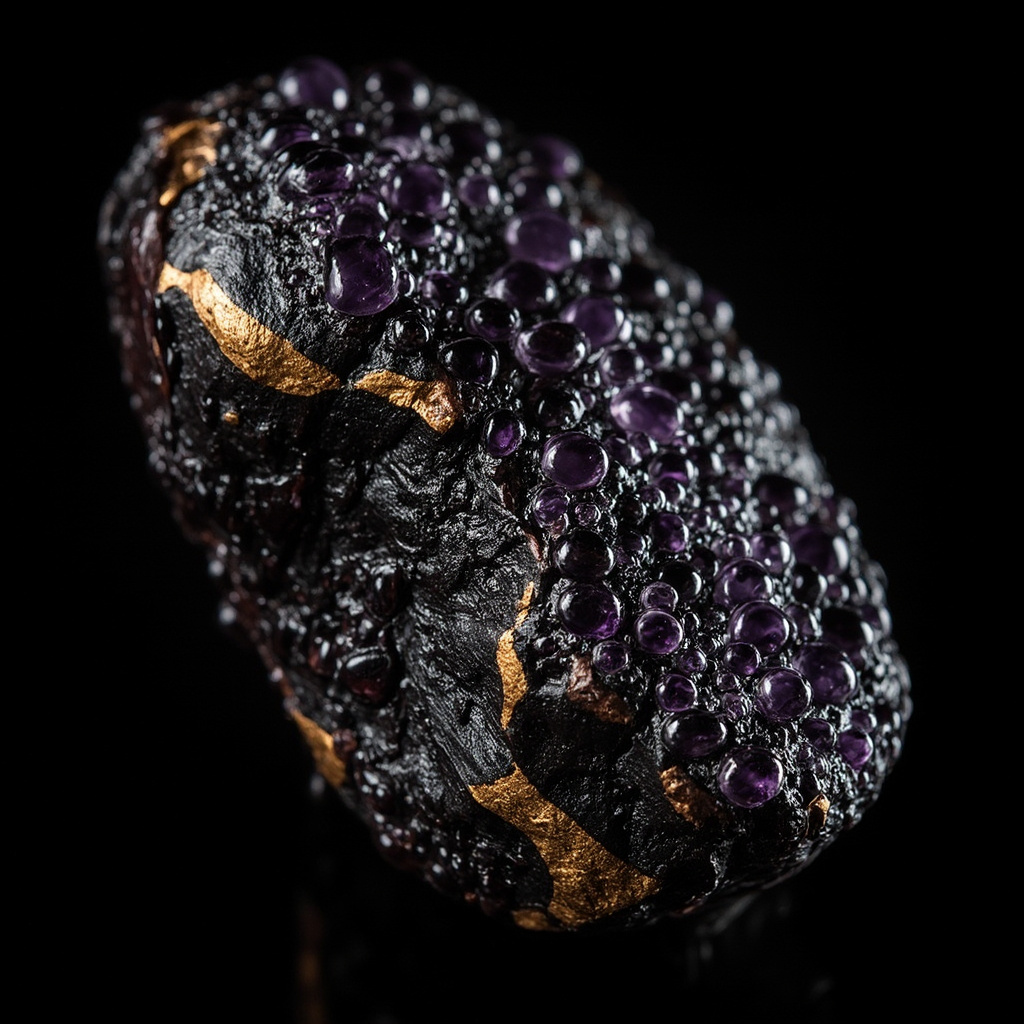
The Ultimate Expression of Agarwood
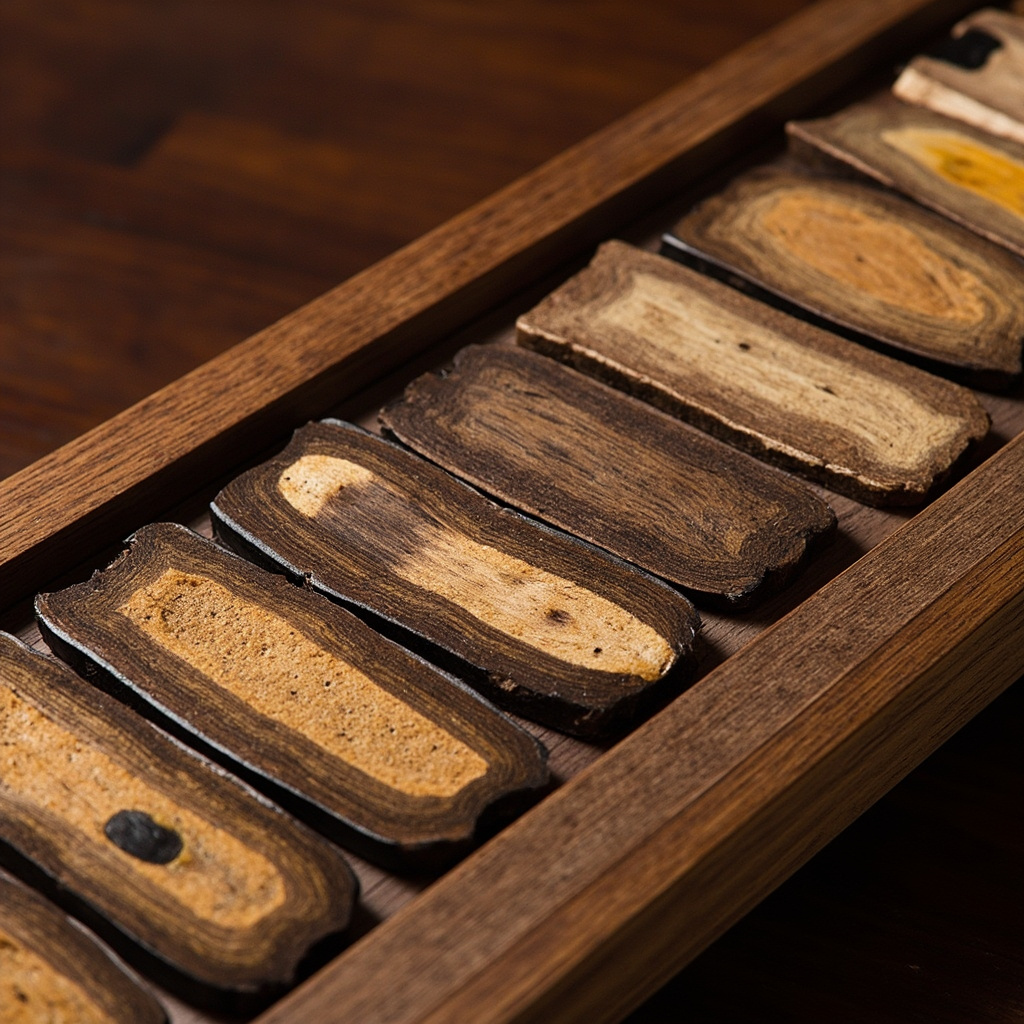
In the world of Chinese incense, certain materials achieve legendary status. Qinan (奇楠) sits at the absolute pinnacle — so rare, so exceptional, that serious collectors speak of it differently from even the finest regular agarwood.
Where ordinary premium agarwood costs hundreds per gram, Qinan can cost thousands. Where regular agarwood impresses, Qinan astonishes. The difference is not merely degree — it is categorical. Practitioners who have burned both often describe regular premium agarwood as “good” and Qinan as something else entirely.
Understanding Qinan means understanding the absolute ceiling of what agarwood can achieve. Even if you never encounter or afford actual Qinan, knowing what makes it exceptional deepens appreciation for the entire category.
What Exactly Is Qinan?
Chinese incense masters have classified Qinan as a separate category for centuries. Technically, Qinan IS a type of agarwood — Aquilaria wood that has developed the defensive resin in response to infection. But the resulting material differs so dramatically from regular agarwood that separate classification makes sense.
The name itself suggests special status. “Qi” (奇) means strange, miraculous, extraordinary. “Nan” (楠) refers to the nanmu tree, a type of Phoebe znchnan historically valued for its fragrance. Calling something “strange nan” clearly indicates something exceptional.
What makes Qinan different? Three factors:
Softness — Unlike regular agarwood which is dense and hard, Qinan often feels almost oily, sometimes almost waxy. You can sometimes sink a needle into quality Qinan with minimal resistance. This texture comes from exceptionally dense resin saturation.
Fragrance complexity — Where premium regular agarwood offers layered fragrance, Qinan multiplies the layers. The fragrance evolves continuously as you burn it, revealing new qualities over time. Some describe Qinan as having five distinct fragrance phases.
Resin concentration — Qinan resin content often exceeds 30%, compared to single digits for most regular agarwood. This density creates both the softness and the intensity.
The Six Main Classifications of Qinan
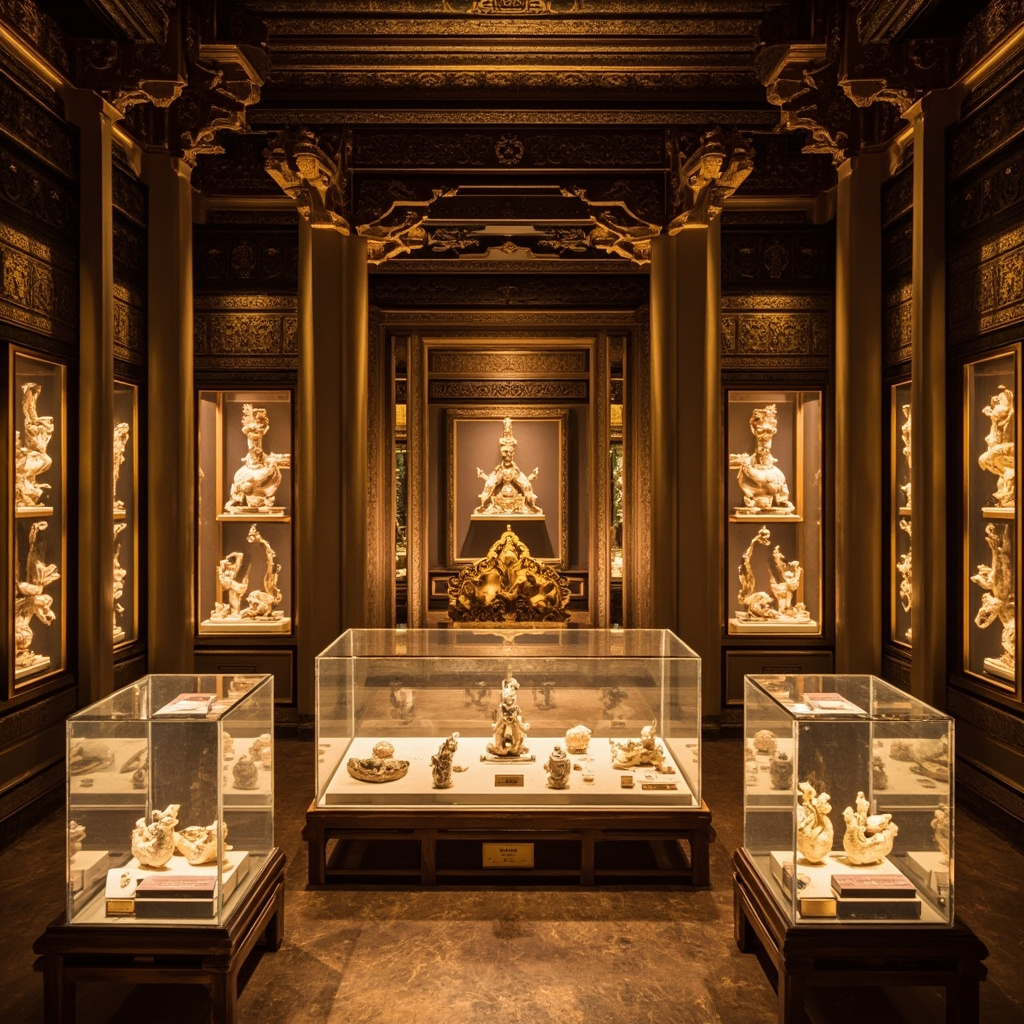
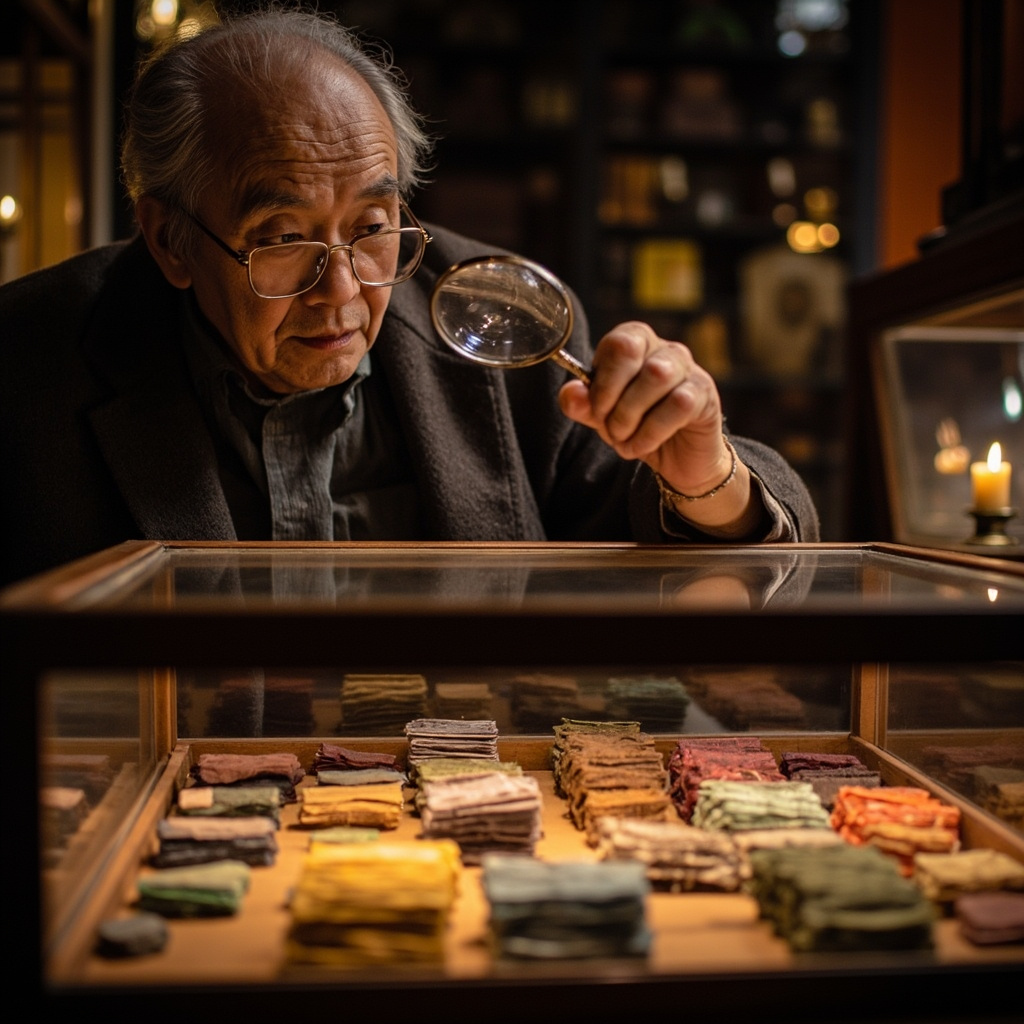
Market classification varies, but six main categories dominate the conversation:
White Qinan (白奇楠) — The most prized. White coloring indicates exceptional purity. Fragrance is exceptionally sweet, clean, and long-lasting. Often described as having almost orchid-like qualities. Genuine White Qinan approaches mythical in the market.
Purple Qinan (紫奇楠) — Deep purple-brown coloration. Rich, warm fragrance with excellent complexity. More accessible than White Qinan while still delivering exceptional quality.
Green Qinan (绿奇楠) — Greenish tinge to the resin. Often described as fresher, more herbal in character. Some practitioners prefer Green for daytime use due to perceived brightness.
Red Qinan (红奇楠) — Reddish-brown coloration. Deeper, more substantial fragrance. Works better for evening use according to some practitioners.
Yellow Qinan (黄奇楠) — Golden coloration. Often the most affordable of the premium Qinan varieties while still delivering exceptional quality.
Black Qinan (黑奇楠) — Darkest variety. Deepest, most resinous character. Some find black too intense; others consider it the most serious expression of Qinan.
Qinan Versus Regular Premium Agarwood
Understanding the difference requires direct comparison, which most people never get opportunity for.
Fragrance onset — Regular premium agarwood takes time to reveal itself. Heat gradually releases the fragrance over minutes. Qinan arrives immediately, filling the space with fragrance almost as soon as heat touches it.
Evolution — Premium regular agarwood develops and changes over 20-30 minutes of burning. Qinan continues evolving for an hour or more, constantly revealing new aspects. Some describe regular agarwood as a symphony; Qinan as a symphony that never ends.
Projection — Qinan projects fragrance further and faster. In larger spaces, Qinan fills whereas regular agarwood might require closer proximity for full appreciation.
Density — Regular agarwood density varies but generally feels like wood. Qinan often feels like you are holding solidified resin. The visual weight differs.
Price — Regular premium agarwood runs hundreds per gram. Qinan starts at thousands and climbs rapidly for superior grades. The price differential reflects rarity more than quality ratio.
The Reality of Qinan in Today’s Market
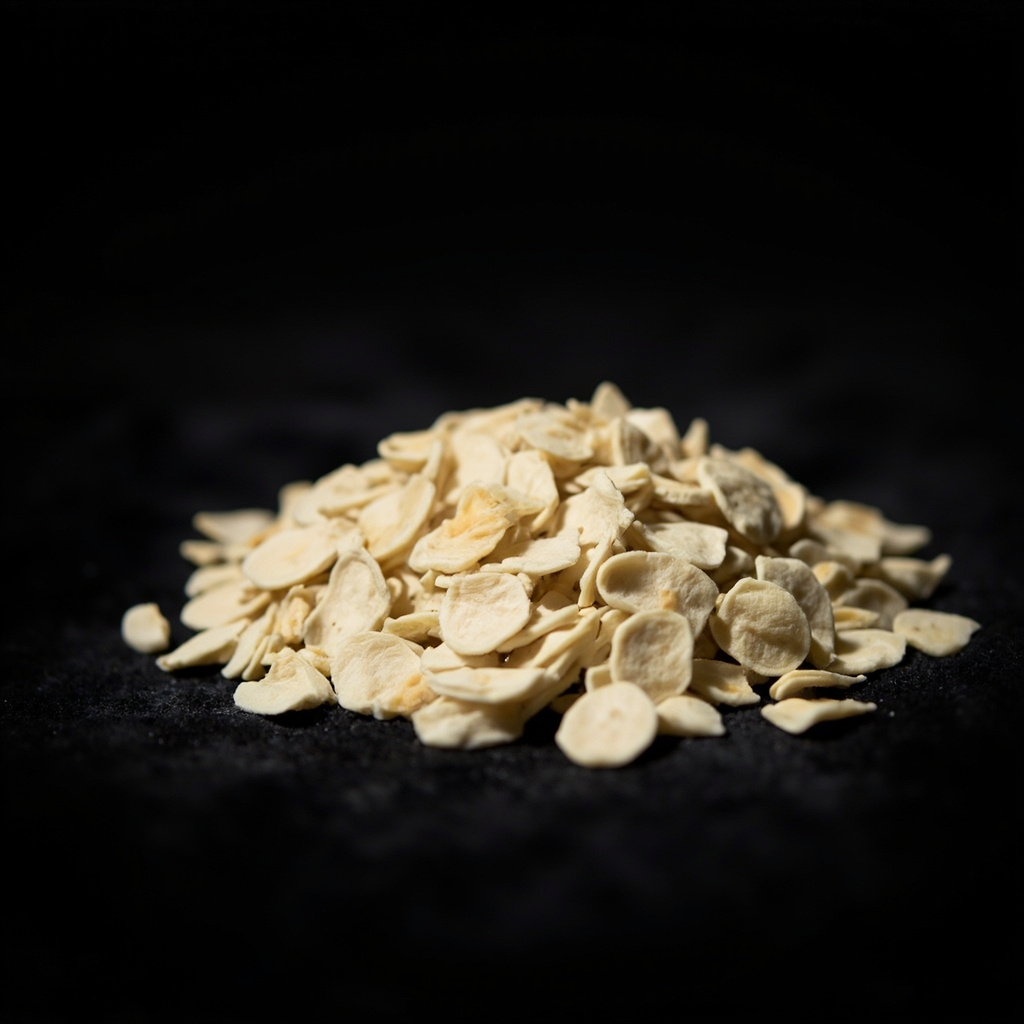
Demand for Qinan vastly exceeds supply. Wild Qinan essentially no longer exists in commercial quantities. What enters the market comes from old collections, estate sales, or occasional lucky finds — not reliable sources.
This scarcity creates two problems:
Authenticity — Vast quantities of所谓 “Qinan” sold worldwide are either high-grade regular agarwood misrepresented or outright fakes. Without established vendor relationships, paying Qinan prices for non-Qinan product is common.
Accessibility — Even if you obtain genuine Qinan, the prices involved place it beyond casual use. Most practitioners never burn true Qinan. It functions more as aspiration and reference point than regular material.
Expert collectors and serious practitioners who have burned genuine Qinan describe it as transformative — an experience that reorients understanding of what agarwood can be. Whether this justifies the price differential depends entirely on your relationship with incense practice.
How to Evaluate Qinan If You Encounter It
For those seriously considering Qinan purchase, basic evaluation:
Cold fragrance test — Quality Qinan should smell extraordinary even cold. If it does not impress before burning, it will not impress after. This is especially true for Qinan — its character announces itself.
Texture test — Press a needle or sharp object into the material. Quality Qinan offers minimal resistance. If it feels like pushing into regular wood, something is wrong.
Resin adhesion — Real Qinan leaves resin on your fingers when handled. If nothing transfers, the material may not be what it claims.
Fragrance consistency — Heat from multiple angles should produce consistent fragrance quality. If one area burns differently than another, the material may be uneven.
Vendor verification — Given the prevalence of fraud, only purchase from vendors with established reputations and verifiable sourcing. Be deeply skeptical of deals that seem too good.
The Bottom Line
Qinan represents the absolute pinnacle of Chinese incense materials. For most practitioners, it remains aspiration rather than practice. The prices involved place it in a category beyond daily use.
But understanding Qinan serves purpose beyond someday affording it. Understanding the ceiling of quality deepens appreciation for what you do use. When you understand what exceptional agarwood can achieve, evaluating and appreciating regular premium material becomes more nuanced.
If you ever get opportunity to burn genuine Qinan — take it. The experience provides reference point that shapes understanding of incense quality permanently. Even one session with true Qinan reorganizes what you thought you knew about agarwood.
For collectors or those with resources for serious investment, Qinan represents legitimate store of value. The rarity ensures continued scarcity. The reputation ensures continued demand. Whether this makes it “worth” the prices involved depends on personal values and relationship with incense practice.
For everyone else, appreciation from distance serves well. Reading about Qinan, understanding its qualities, knowing what makes it exceptional — this enriches practice even without direct experience.
Frequently Asked Questions
Is Qinan actually different from regular agarwood?
Yes, categorically different. Experienced practitioners universally describe Qinan as distinct from even the finest regular agarwood. The texture, fragrance onset, complexity, and evolution all differ in ways that justify separate classification. Whether the price differential matches the quality difference is subjective; the categorical difference is not.
Which Qinan variety is best?
White Qinan holds highest reputation, followed by Purple. But “best” depends on personal preference. Some prefer the brightness of Green; others prefer the depth of Black. Explore descriptions of each type and develop your own sense of preference before committing significant resources.
How can I verify Qinan authenticity?
Without laboratory testing and established vendor relationships, verification is nearly impossible for most buyers. Focus on vendor reputation over any single transaction. If a vendor cannot demonstrate provenance, assume the material is not genuine Qinan regardless of appearance or initial fragrance.
Is Qinan worth the price?
For pure appreciation, probably not relative to regular premium agarwood. The price differential exceeds the quality differential. For collection or investment purposes, Qinan holds value as extreme rarity. For status purposes, Qinan communicates something regular premium agarwood cannot. Your answer depends on what you seek from incense materials.