The Southernmost Origin of Fine Agarwood
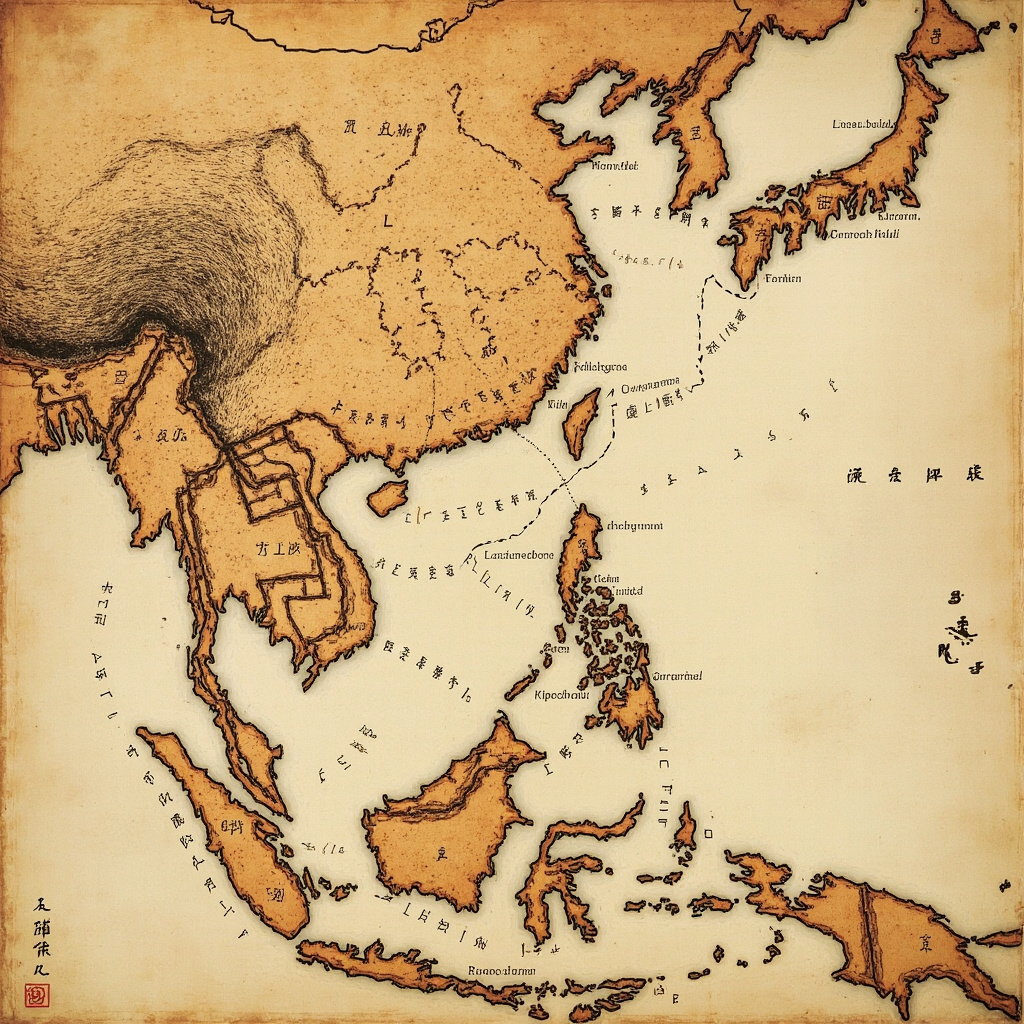
Hainan. China’s southernmost province. An island where tropical mountains meet the sea, where humidity hangs heavy even at night, where ancient Aquilaria trees still grow wild on mountain slopes that have never seen a road.
This island produces what many consider the world’s finest agarwood. Hainan chenxiang (海南沉香) has been prized for over a thousand years. Emperors sought it. Scholars wrote about it. Merchants traded it across the known world.
What makes Hainan agarwood different from Vietnamese or Indonesian varieties? The island’s specific combination of climate, soil, and centuries of cultivation. The result is a fragrance profile unlike anywhere else — simultaneously sweet and deep, with a clarity that more expensive varieties cannot match.
Why Hainan Produces Exceptional Agarwood
Geography shapes everything. Hainan sits just north of the equator, giving it the humidity and temperature Aquilaria trees prefer. But more than that, the island’s volcanic soil provides mineral complexity that influences the resin’s fragrance profile.
Old-growth Hainan agarwood — from trees that have been infected for 50, 100, even 200 years — develops a density and complexity that plantation material simply cannot replicate. Time matters. The longer the infection process, the more layers of fragrance develop within the wood.
Traditional harvesting methods on Hainan involve wounding trees and waiting years, sometimes decades, before harvest. This patient approach produces the grades that command highest prices. Some producers simulate natural infection processes; others rely on ancient trees wounded generations ago.
The Unique Fragrance of Hainan Chenxiang
Describing agarwood fragrance is notoriously difficult. Describing Hainan agarwood is even harder because it defies simple categorization.
Sweetness without cloying — Unlike some Indonesian varieties that smell almost fermented, Hainan agarwood maintains sweetness that stays elegant. It does not overwhelm. It reveals.
Clarity of note — There is a brightness in Hainan agarwood that provides contrast to its deeper base. This makes it particularly valued for blending — it cuts through heavier materials without fighting them.
Longevity — The fragrance lasts. This matters for serious practitioners. Some materials smell impressive for minutes and then fade. Hainan agarwood maintains presence throughout extended sessions.
Evolution — Like the finest wines, Hainan agarwood reveals different aspects over time. Initial impressions may differ dramatically from what emerges after burning for twenty minutes. This complexity rewards patience and attention.
Historical Significance of Hainan Agarwood

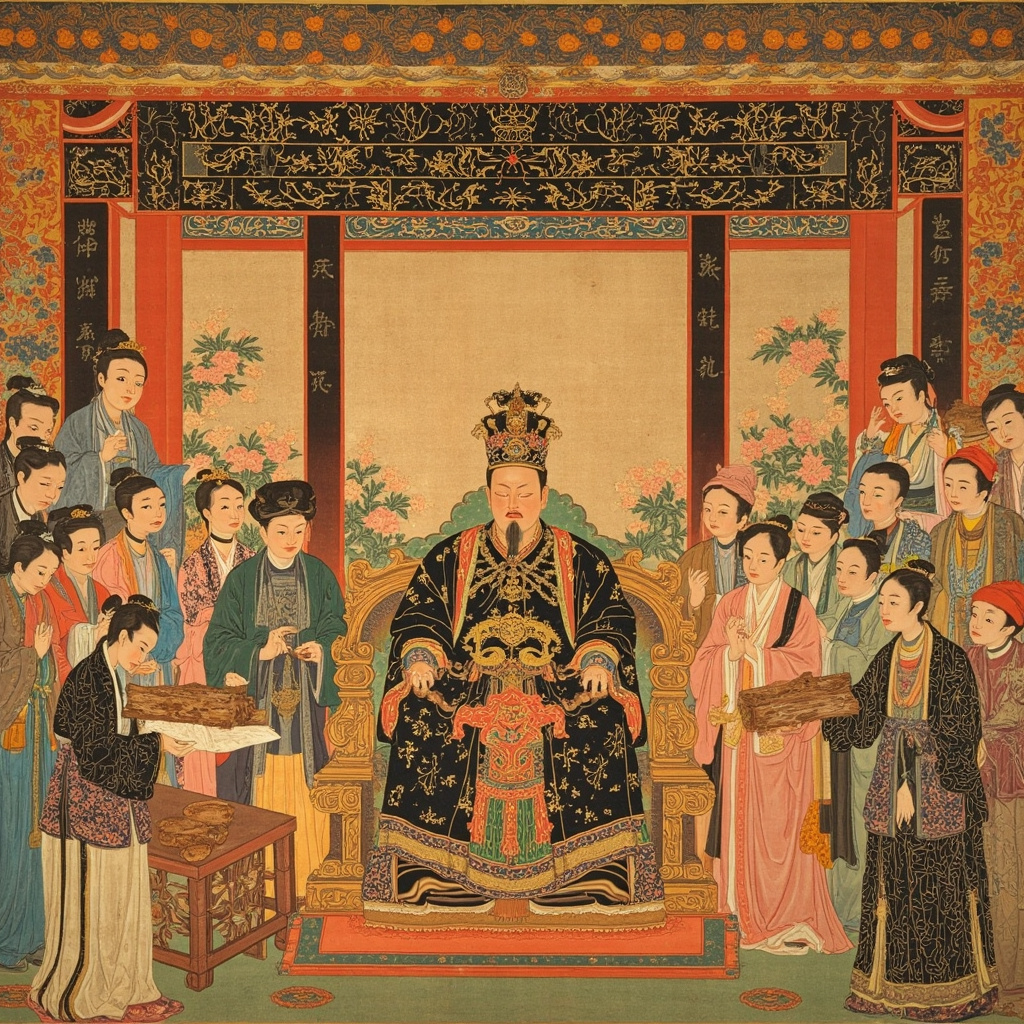
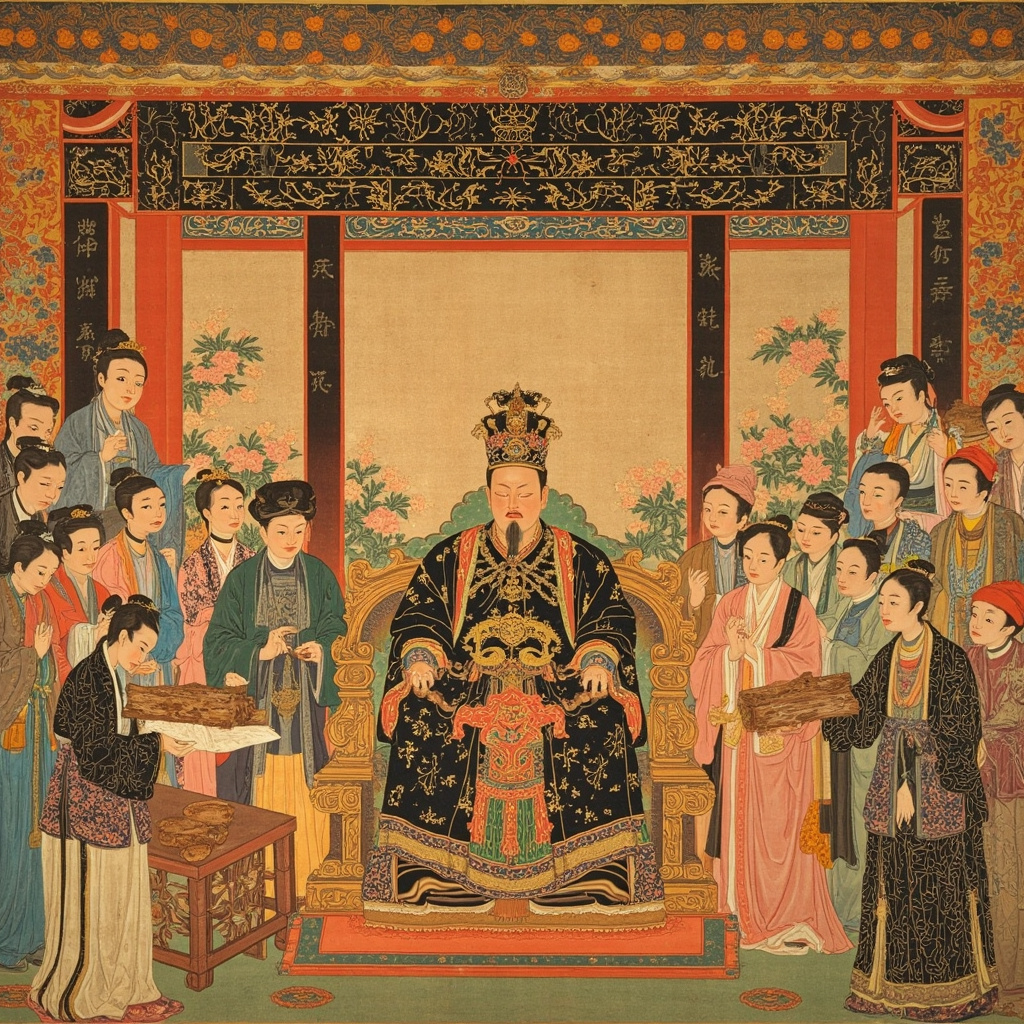
Chinese historical records mention Hainan agarwood as early as the Tang Dynasty. By the Song Dynasty, it had become a fixture in imperial courts. The island’s geographic position made it both source and transit point for maritime trade routes connecting China to Southeast Asia and beyond.
What distinguished Hainan agarwood in imperial estimation was not just fragrance quality but its versatility. It worked for ceremonial burning, for medicinal preparations, for daily refinement. It could stand alone or serve as a fixing agent for other materials. This adaptability made it invaluable.
Famously, Qianlong Emperor maintained specific preferences for Hainan material in his personal chambers. Song Dynasty literati described Hainan agarwood in terms that suggest near-reverence. Whatever was experienced from burning this material clearly differed from what they described of other origins.
How to Identify Quality Hainan Agarwood
Market terminology becomes confusing. True Hainan origin commands premium pricing, but determining origin requires experience or trusted sources.
Visual indicators — Dense resin patterns, dark coloration, visible oil when carved. But visual assessment alone cannot confirm origin. Experienced practitioners use visual cues as initial screening rather than definitive identification.
Fragrance cold — Quality Hainan agarwood should smell complex even before burning. If a piece has no fragrance cold, the burning experience will disappoint. The most expensive materials reveal their quality immediately.
Fragrance when burned — The test that matters. Quality Hainan agarwood should smell sweet, complex, and persistent. Notes should layer rather than sit flat. The fragrance should evolve over time rather than remaining static.
Source trust — Without laboratory testing, origin verification depends entirely on vendor credibility. Establish relationships with sellers who can demonstrate provenance. In this market, reputation matters more than any single transaction.
Using Hainan Agarwood in Practice
How you use Hainan agarwood depends on your goals and budget.
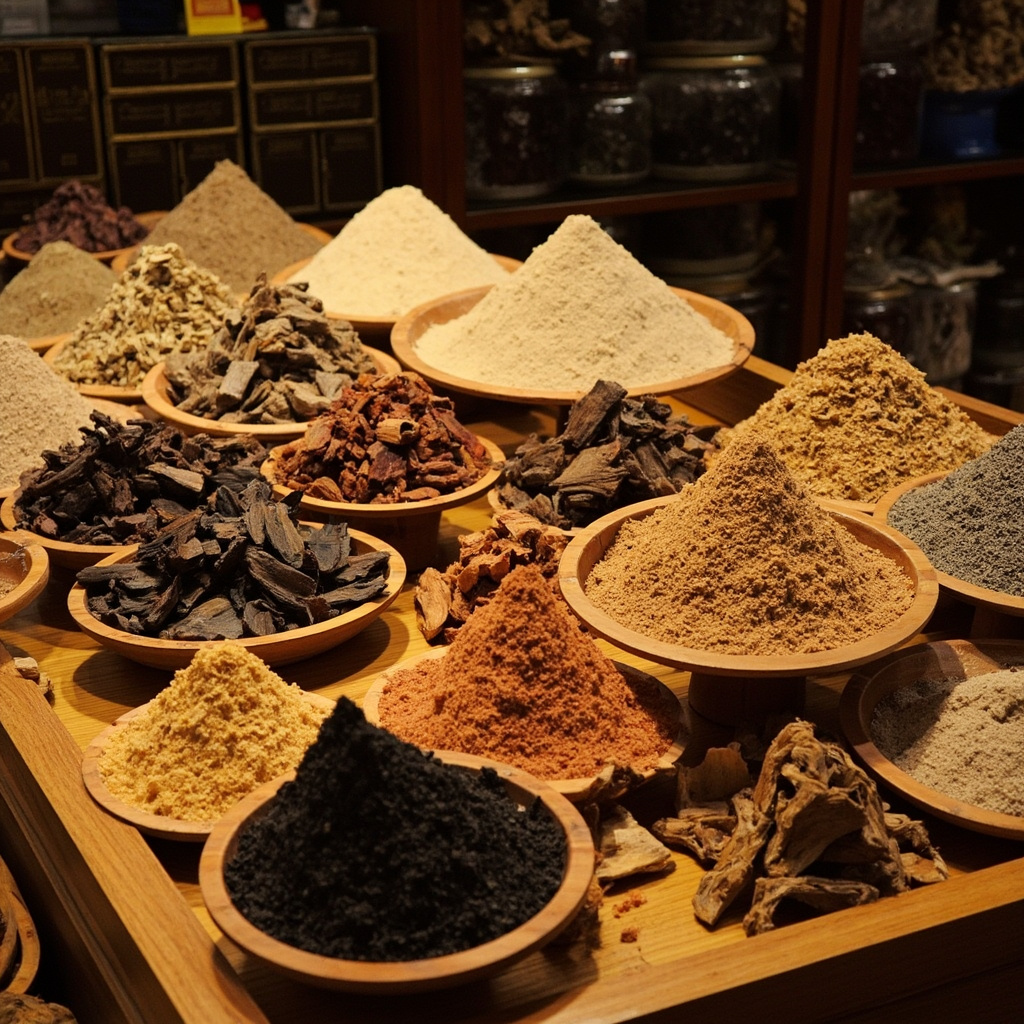
Pure burning — For pure appreciation, small amounts on charcoal reveal the material’s full character. Start with less than you think appropriate. The complexity reveals itself gradually rather than demanding attention immediately.
Blending — Hainan agarwood serves excellently as a blender with other origins. Its sweetness and clarity lift heavier materials. A small amount of Hainan in an otherwise Vietnamese blend can transform the overall profile.
Long sessions — Because Hainan agarwood maintains fragrance over extended periods, it suits ritual use where burning continues throughout. Unlike materials that peak quickly, it provides consistent presence.
Storage — Properly stored Hainan agarwood improves with age. Airtight containers, cool temperatures, protection from light. Some practitioners age material for years before using, believing this improves the fragrance further.
The Bottom Line
Hainan agarwood represents a specific expression of what makes agarwood valuable — the combination of time, geography, and natural process that no human intervention can fully replicate. Whether it is truly the world’s finest depends on personal preference. What is certain is that it offers something distinct.
For serious practitioners, exploring Hainan origin provides another dimension of understanding agarwood’s diversity. For collectors, verified Hainan material commands lasting value. For those new to agarwood, starting with a known origin like Hainan provides a baseline from which to develop your palate.
The island still produces. The trees still grow on mountain slopes. The tradition continues, even if modern demand exceeds what wild harvest can supply. Understanding Hainan agarwood means understanding one of the foundations of Chinese incense culture’s highest art.
Frequently Asked Questions
How is Hainan agarwood different from Vietnamese agarwood?
Hainan material tends toward sweeter, clearer fragrance profiles compared to Vietnamese varieties which often lean more resinous and heavy. This is generalization — significant variation exists within both origins. But for most practitioners, Hainan reads as more refined, Vietnamese as more intense.
Is Hainan agarwood worth the premium price?
For pure appreciation, yes. The fragrance quality justifies pricing for serious practitioners. For beginners still developing their palate, less expensive varieties provide better value. Once you understand what quality agarwood offers, the premium makes sense.
How can I verify Hainan origin?
Honestly, without established vendor relationships, verification is nearly impossible. Focus on fragrance quality rather than origin claims. If the material smells exceptional and performs as expected, the specific origin label matters less than the experience itself.
What grades of Hainan agarwood exist?
As with other origins, grading systems vary by vendor. Generally, older growth, denser resin, and more complex fragrance indicate higher grades. Price typically correlates with these factors. Be skeptical of vendor-specific grading systems that lack industry standard.