The Wood That Defined Chinese Incense
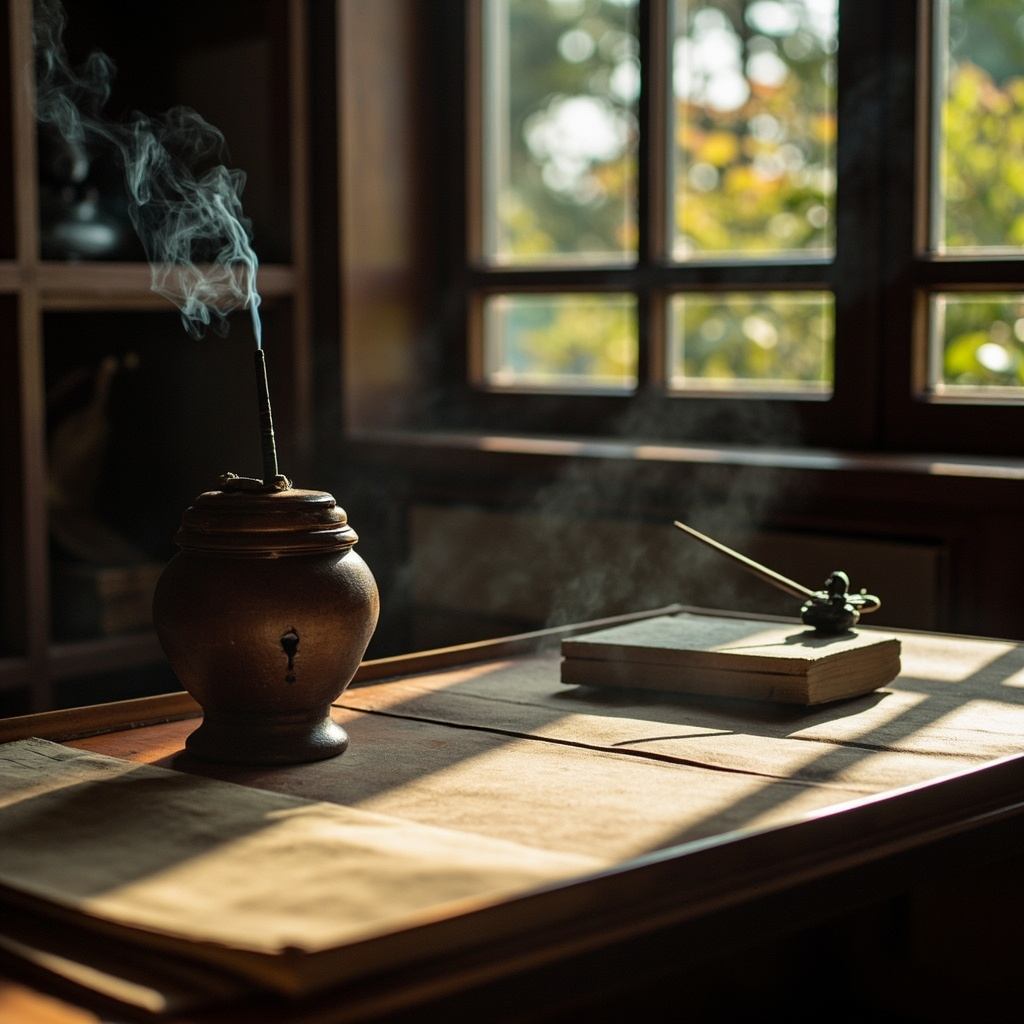
If there’s one wood that’s synonymous with Chinese incense, it’s sandalwood. For thousands of years, this fragrant heartwood has been at the center of Chinese incense culture. From Buddhist temples to imperial courts to scholar’s studios, sandalwood has been burned, carved, and treasured.
But here’s what many people don’t know: not all sandalwood is created equal. And in the Chinese tradition, the story of sandalwood is inseparable from the story of Chinese incense itself.
What Exactly Is Sandalwood?
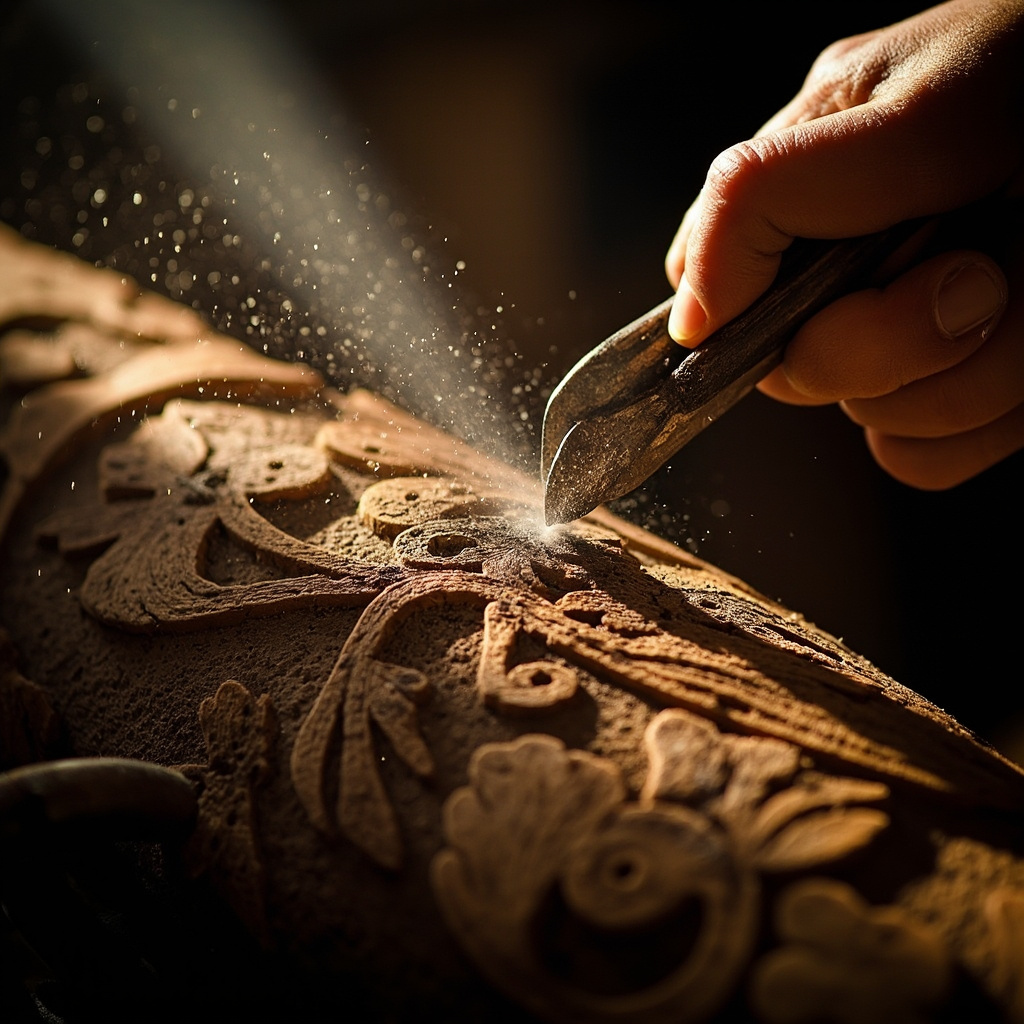
Sandalwood comes from the heartwood of trees in the Santalum genus. These trees are parasitic — they tap into the roots of other plants for nutrients. Because of this, they take decades, sometimes a century, to develop the fragrant heartwood that makes them valuable.
The species most prized for incense is Indian sandalwood (Santalum album). But there are others: Australian sandalwood, Indonesian sandalwood, and in recent years, cultivated versions from various regions.
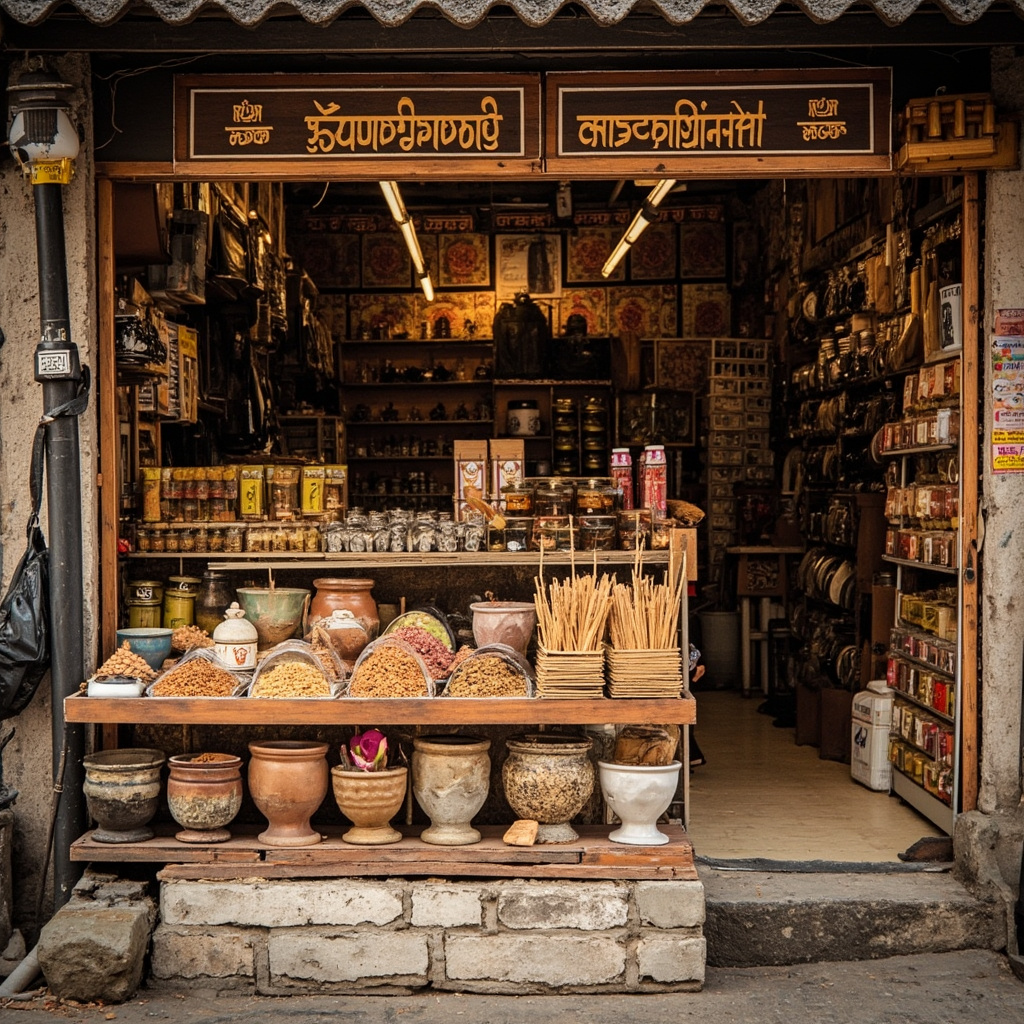
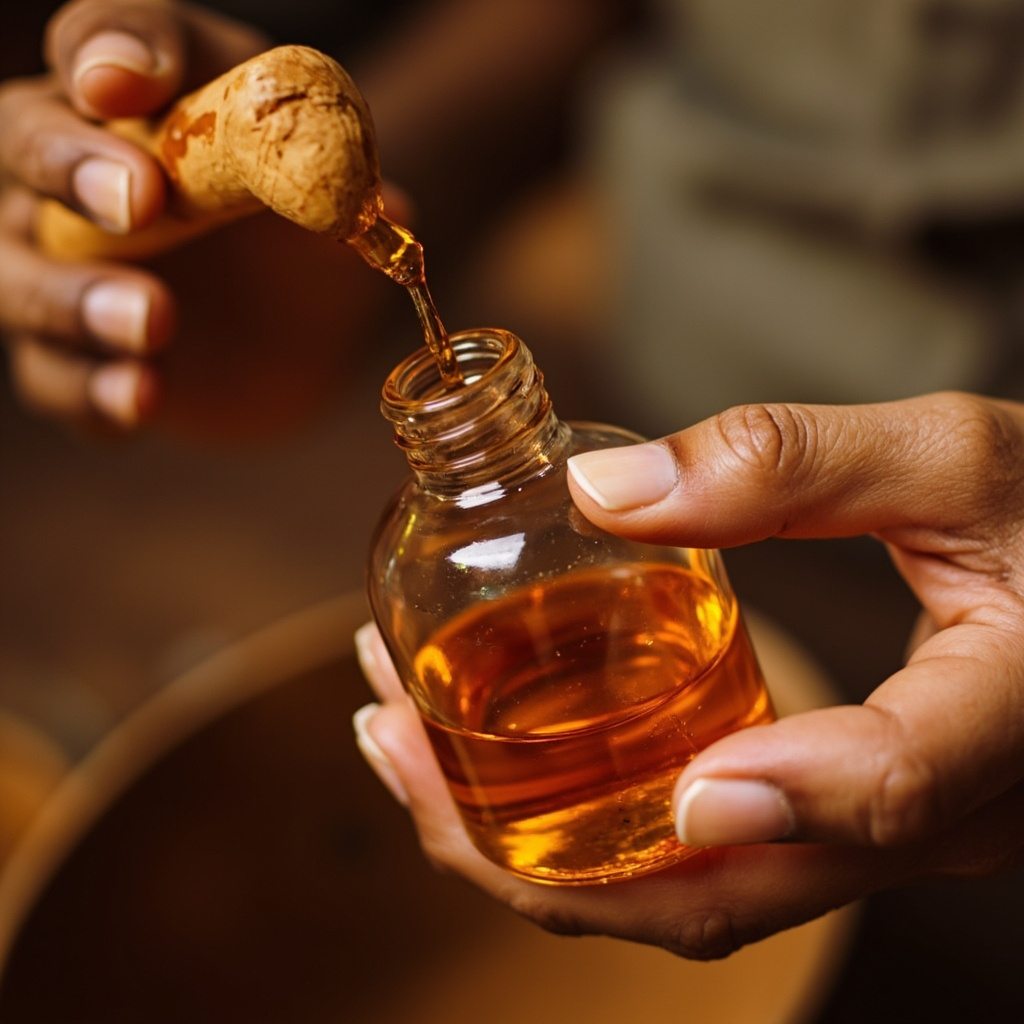
The fragrance comes from the oil in the heartwood. The longer the tree grows, the more oil develops, the richer the fragrance. Old-growth Indian sandalwood from Mysore — the legendary stuff — can sell for thousands of dollars per kilogram. And for good reason: you can’t fake centuries of growth.
Sandalwood in Chinese History
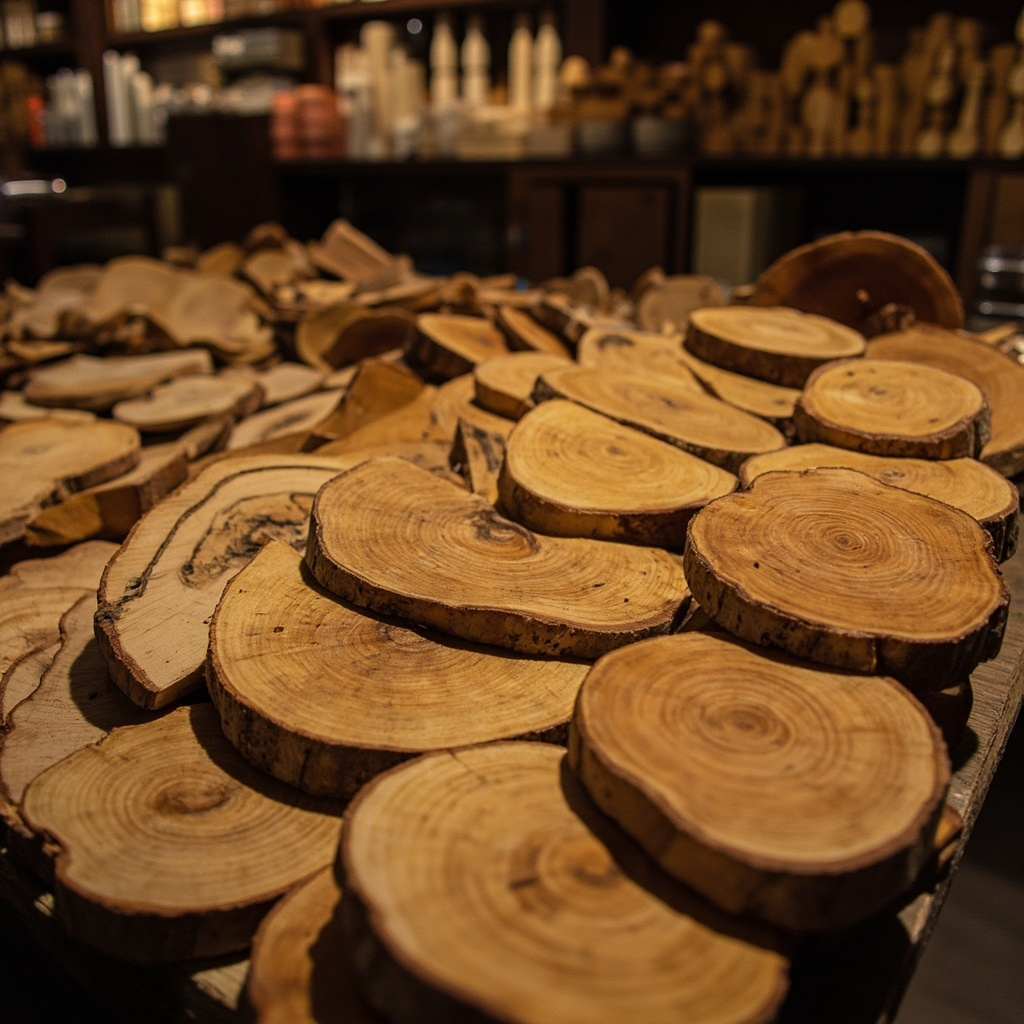
Chinese use of sandalwood goes back millennia. The earliest records mention it in religious contexts — burning for ceremonies, offerings to ancestors, use in Buddhist and Taoist practices.
By the time we reach the Tang Dynasty, sandalwood had become established in court culture. Emperors burned it in palace chambers. It was used in religious ceremonies. Court scholars developed increasingly sophisticated blends featuring sandalwood as a base.
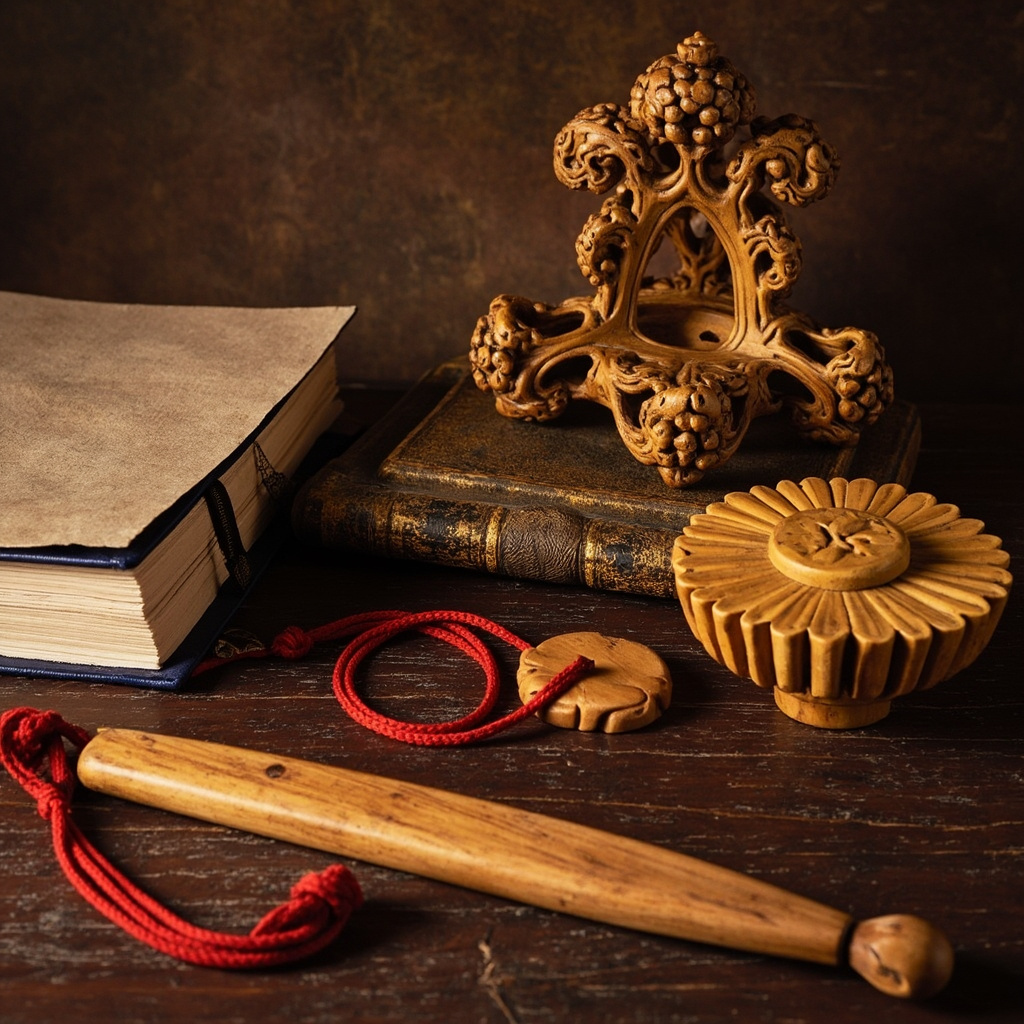
The interesting thing is that China doesn’t grow the best sandalwood. India was (and still is) the primary source for the highest quality material. This meant sandalwood was always somewhat precious — imported, expensive, reserved for important occasions. That scarcity gave it cultural cachet.
This also meant Chinese incense makers became skilled at making small amounts of sandalwood go a long way. Blending techniques evolved partly out of necessity: if you only have limited sandalwood, you learn to combine it with other materials in ways that stretch your supply while maintaining quality.
The Chinese Approach to Sandalwood
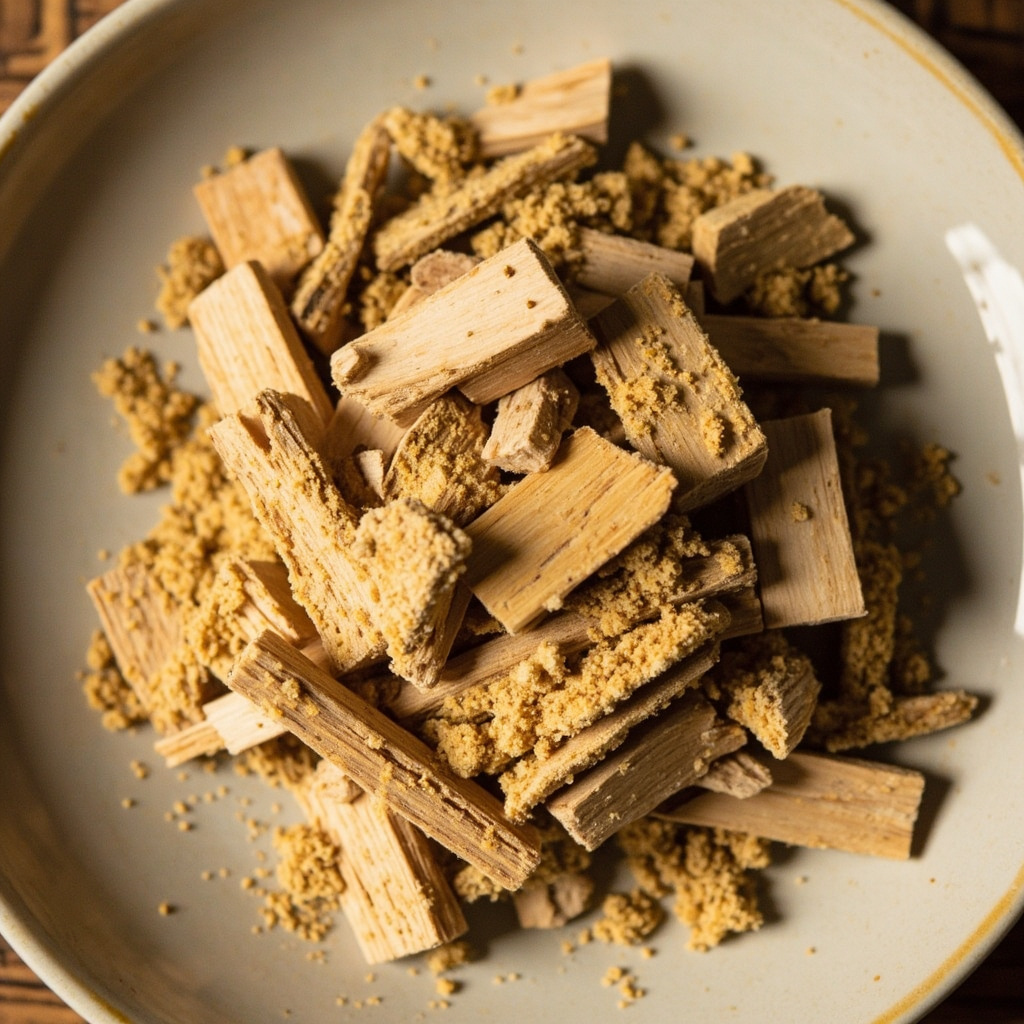
Here’s something that might surprise you: in Chinese incense tradition, sandalwood is often used as a base rather than a star. It’s the foundation that supports other scents, the canvas on which other notes paint.
This is different from how sandalwood is used in some other traditions. In India, pure sandalwood paste is common. In Southeast Asia, single-wood sticks are popular. But in Chinese hexiang — blended incense — sandalwood typically plays a supporting role.
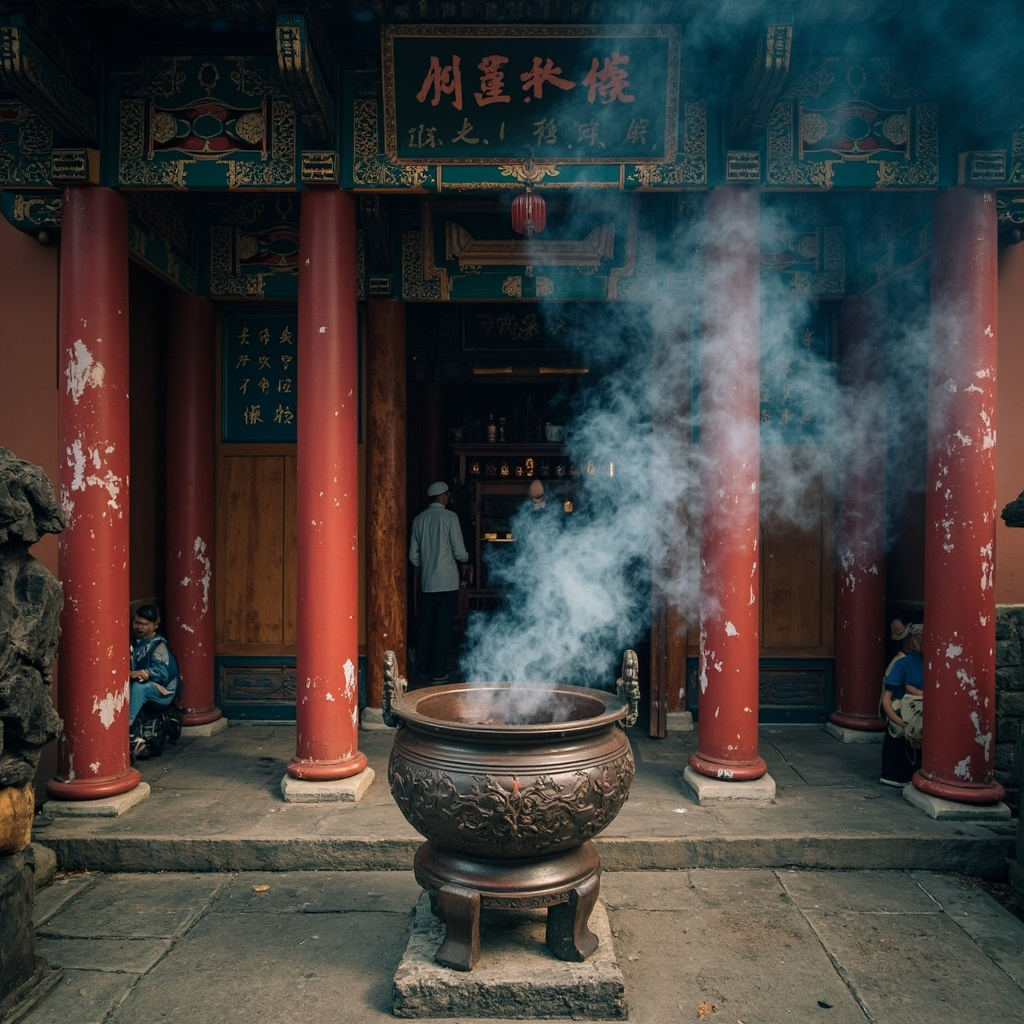
This isn’t because sandalwood is considered inferior. It’s because the Chinese approach to incense is about complexity and balance. Sandalwood’s creamy, warm, slightly sweet profile makes it an ideal base — something that supports other scents without overwhelming them.
Classic formulas like E Li Zhang Zhong (sandalwood with pear) showcase this perfectly. The sandalwood provides the body; the pear adds brightness. Neither dominates. Together, they create something greater than either could alone.
Types of Sandalwood Used in Chinese Incense
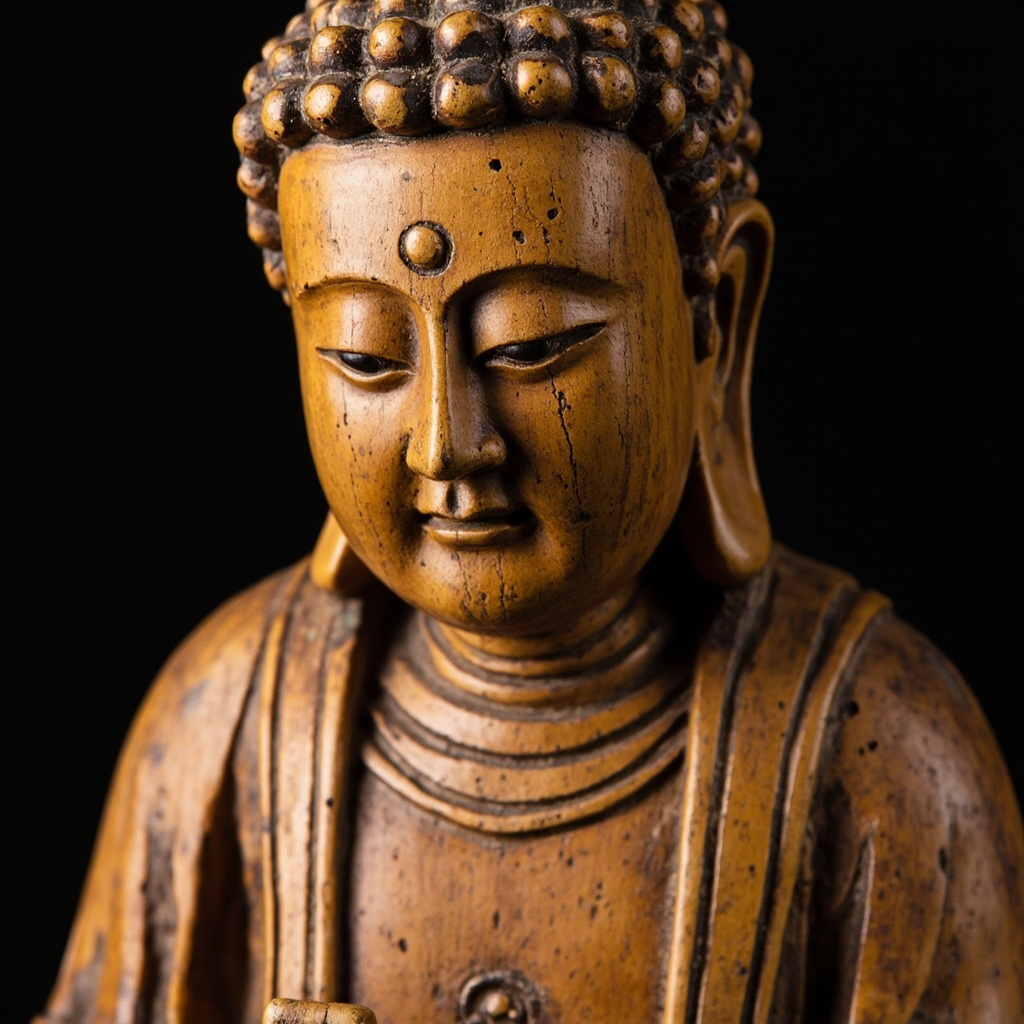
Not all sandalwood is the same. Chinese incense makers distinguish between several types:
Indian Sandalwood (老山檀)
The gold standard. From Mysore, Karnataka. Dense oil content, complex fragrance profile — creamy, sweet, with subtle floral and woody notes. This is what traditional formulas were designed around. Expensive and increasingly rare.
Australian Sandalwood (新山檀)
Santalum spicatum from Western Australia. Lighter, more resinous than Indian. Somewhat similar but noticeably different. More affordable. Widely used in modern commercial incense.
Indonesian/East Asian Sandalwood
Santalum album from Timor and other islands. Falls between Indian and Australian in terms of quality and price. Used in various blends.
Cultivated/Plantation Sandalwood
More recent sources, grown on plantations in various countries. Quality varies widely. Some approaches are producing material that rivals wild-grown; others produce something noticeably inferior.
What Does Chinese Sandalwood Incense Smell Like?
Describing fragrance is always subjective, but here’s the attempt:
High-quality sandalwood opens with something creamy and warm — like the smell of fresh milk mixed with wood. There’s a sweetness that’s not quite floral, not quite fruity, but somewhere in between. And underneath, a woody, grounded quality that provides stability.
As it burns, the scent evolves. The top notes — that initial creaminess — fade, and you’re left with the deeper, more resinous wood quality. The experience can last 30-60 minutes depending on the format and the quality of the material.
In Chinese blends, sandalwood typically reads as warm, calming, grounding. It’s not energizing like some sharper scents. It’s the comfort of sitting by a warm fire on a cold day.
How to Use Sandalwood in Chinese Incense Practice
For beginners:
Start with quality. Don’t buy the cheapest stuff — the difference between good sandalwood and cheap sandalwood is enormous. Get a small amount of something decent and burn it alone first. Learn what it smells like on its own. This is the foundation for understanding how it behaves in blends.
Burn methods:
Incense sticks: Light, let the flame die down, place in holder. Simple but you get less control over the burn rate.
Indirect heating (on charcoal): More control, more nuanced fragrance release. The low heat lets the sandalwood open up gradually rather than flash-burning.
Electric burner: Convenient, consistent, but some argue it doesn’t bring out the same depth as charcoal.
Storage:
Sandalwood should be stored in airtight containers, away from light and heat. The fragrance can fade if exposed to air repeatedly. Good material, properly stored, can retain its scent for years.
Sandalwood vs Agarwood in Chinese Tradition
If sandalwood is the warm, comforting base, agarwood (沉香) is its mysterious, complex counterpart. Both are used in Chinese incense, but they’re different:
Sandalwood is predictable. It smells like sandalwood. Warm, creamy, consistently pleasant. Reliable.
Agarwood is unpredictable. Depending on the source, it can smell fruity, floral, woody, resinous, even slightly animalic. Some varieties are incredibly complex. The same tree, growing on a different hillside, can produce dramatically different fragrance profiles.
For beginners, sandalwood is more accessible. It’s easier to understand, easier to work with, harder to “mess up” in blends. Agarwood requires more experience to appreciate and use effectively.
Many Chinese incense enthusiasts eventually develop deep appreciation for both. They serve different purposes in a collection.
The Bottom Line
Sandalwood isn’t flashy. It doesn’t announce itself dramatically. But in the Chinese incense tradition, it’s foundational — the reliable, warm, comforting presence that makes complex blends work.
Whether you’re burning it alone or as part of a sophisticated hexiang formula, quality sandalwood brings something that’s hard to quantify. Call it presence. Call it grounding. Call it the smell of centuries of Chinese incense tradition.
For anyone exploring Chinese incense culture, understanding sandalwood — its history, its characteristics, its role in traditional formulas — is essential. It’s the entry point into a much deeper appreciation of the art.
Frequently Asked Questions
Is sandalwood the same as agarwood?
No. They’re completely different woods from different botanical families. Sandalwood (檀香) is from the Santalum genus. Agarwood (沉香) is from the Aquilaria genus. Both are used in Chinese incense, but they smell different and serve different roles. Agarwood is more complex and expensive; sandalwood is more accessible and foundational.
What’s the difference between Indian and Australian sandalwood?
Indian sandalwood (老山檀) has higher oil content, more complex fragrance — creamy, sweet, with subtle floral notes. Australian sandalwood (新山檀) is lighter, more resinous. Indian is the traditional gold standard; Australian is more affordable and widely used today.
Can beginners use sandalwood?
Absolutely. In fact, it’s one of the best starting materials for beginners. It’s easier to appreciate and work with than more complex materials like agarwood. Start by burning quality sandalwood alone to understand its fragrance profile, then explore blends.
How long does sandalwood last when burning?
Depends on the format and amount. A standard stick might burn 30-45 minutes. Loose powder on charcoal can go for an hour or more. The fragrance evolves during that time, so take your time.
Is sandalwood sustainable?
This is a legitimate concern. Wild Indian sandalwood is endangered due to overharvesting. Look for sustainably sourced material, certified plantation-grown sandalwood, or recycled/ reclaimed sandalwood from old carvings. Ethical sourcing matters.