The Incense That Captures Spring in Winter
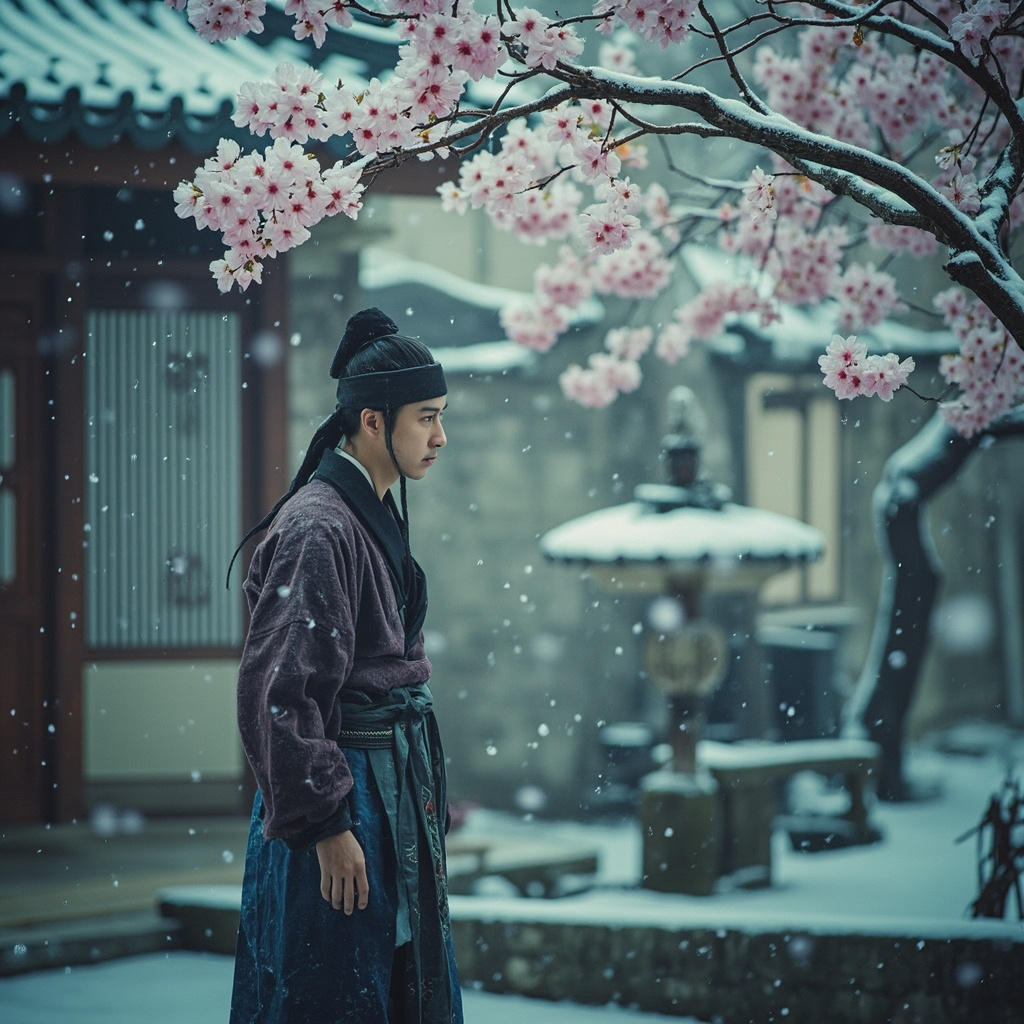
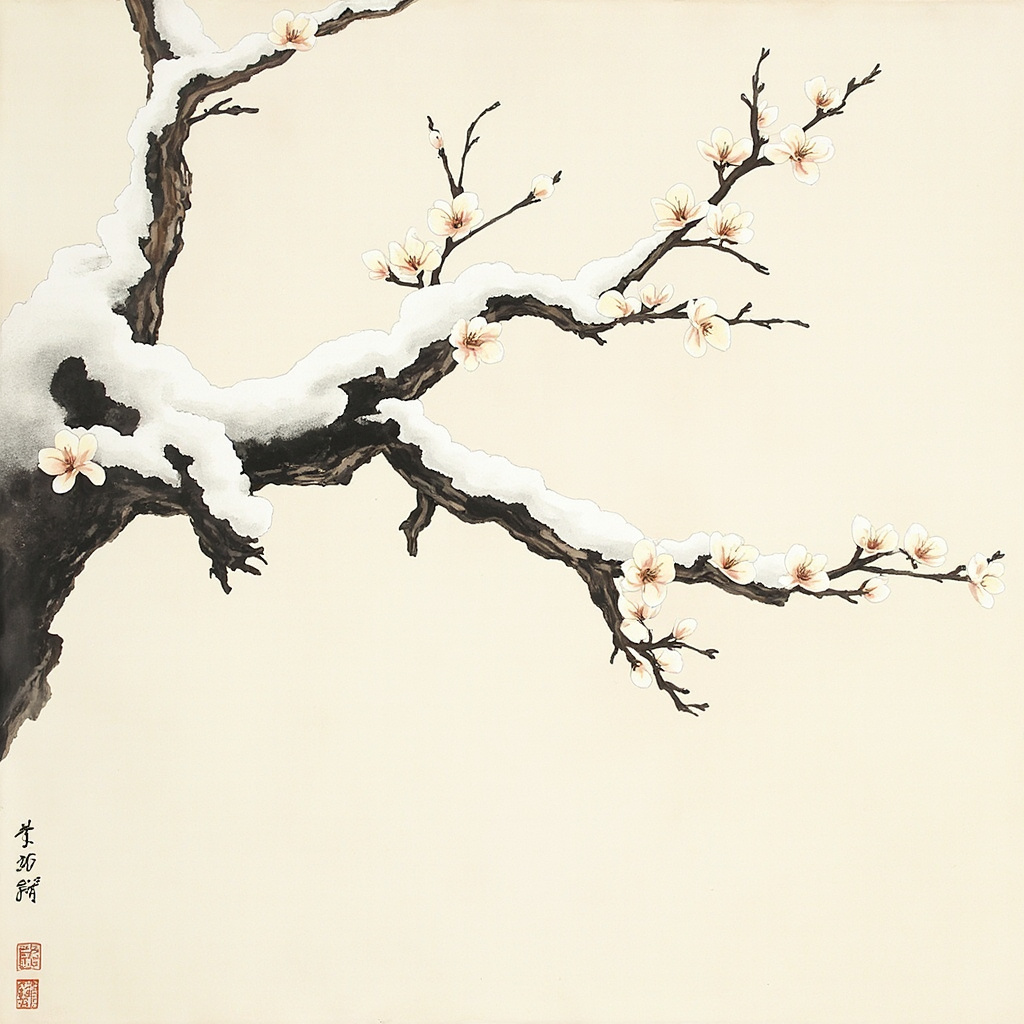
Picture this: it’s winter. Snow is melting, the air is cold and sharp. But somewhere, beneath the snow, spring is stirring. The first hints of warmth. The promise of things to come.
That’s what Xue Zhong Chun Xin is supposed to capture. “Snow Spring Message” or “Spring Signal in the Snow.” The idea that even in the depths of winter, spring is already beginning.
It’s poetic. It’s philosophical. And it’s a real incense formula that people have been making and burning for centuries.
The History and Legend
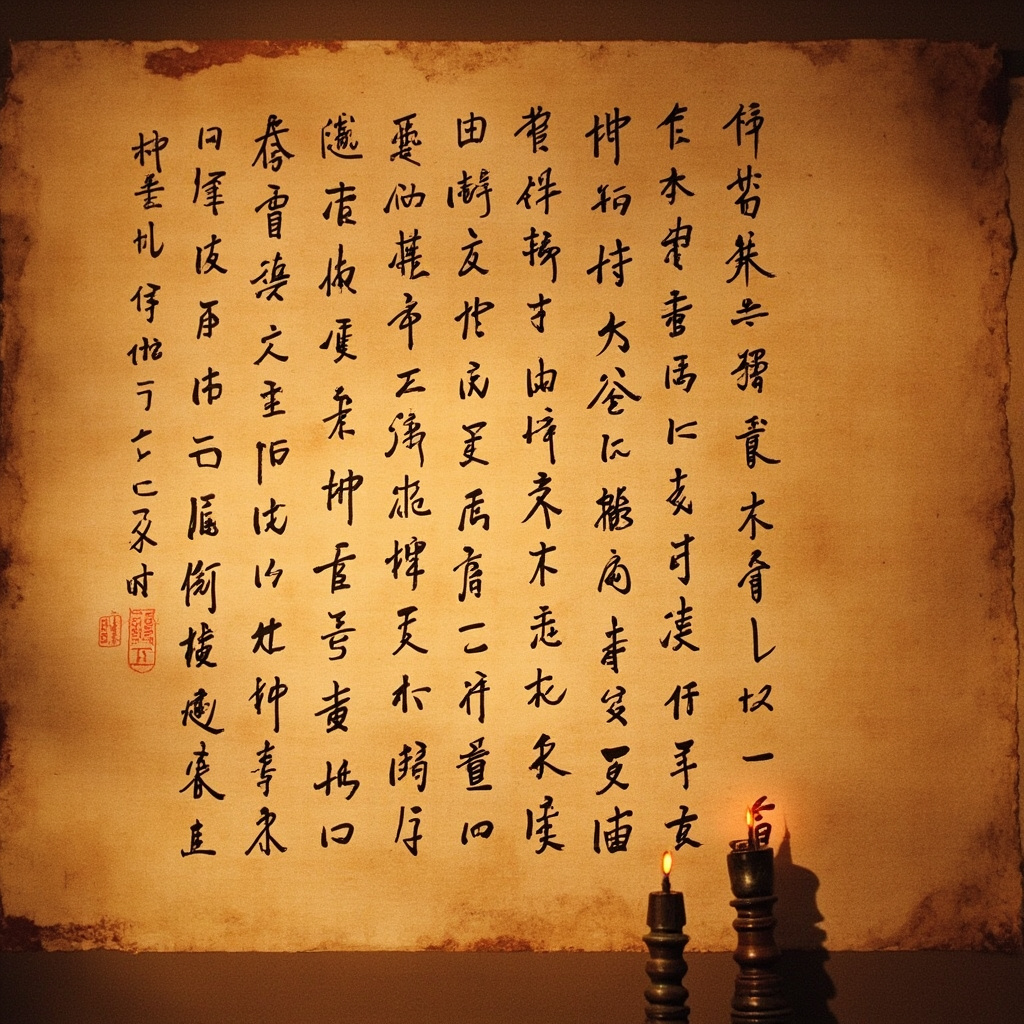
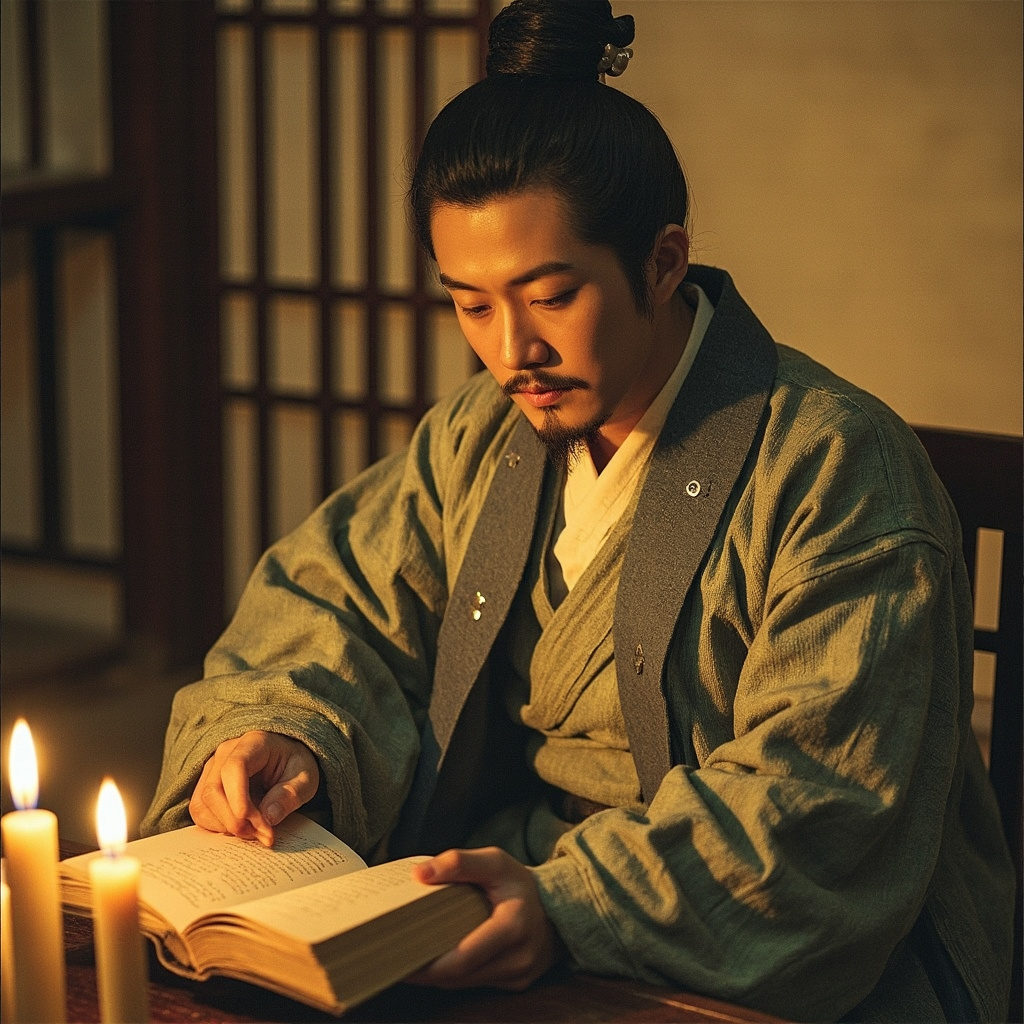
Xue Zhong Chun Xin is associated with Su Shi — Su Dongpo — the great Song Dynasty polymath. Whether he actually created it or just popularized it, the formula has his fingerprints all over it.
The name alone feels like Su Shi. Poetic, evocative, capturing something beyond just the sense of smell. When you burn this incense, you’re supposed to be transported to that moment between seasons.
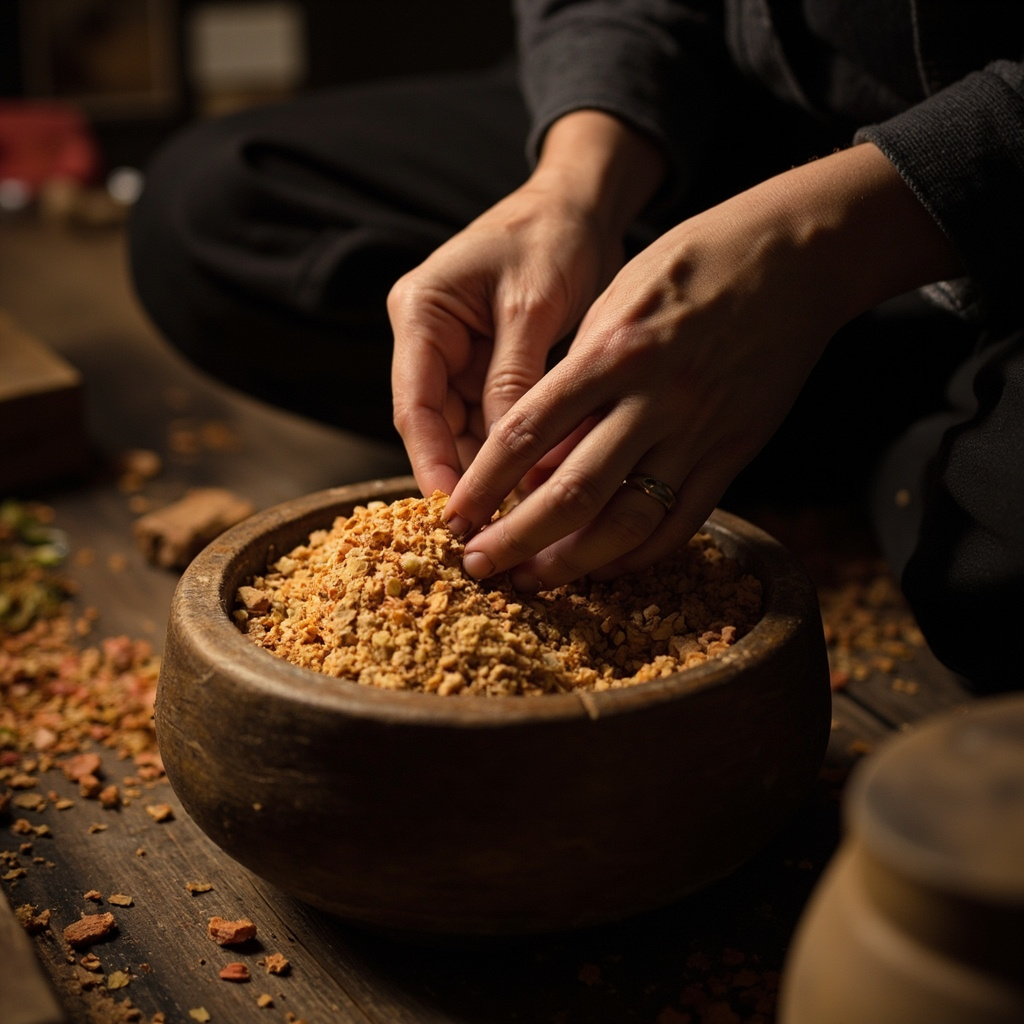
That’s the Chinese approach to incense. It’s never just about the fragrance. It’s about what the fragrance represents, what it evokes, what it connects you to.
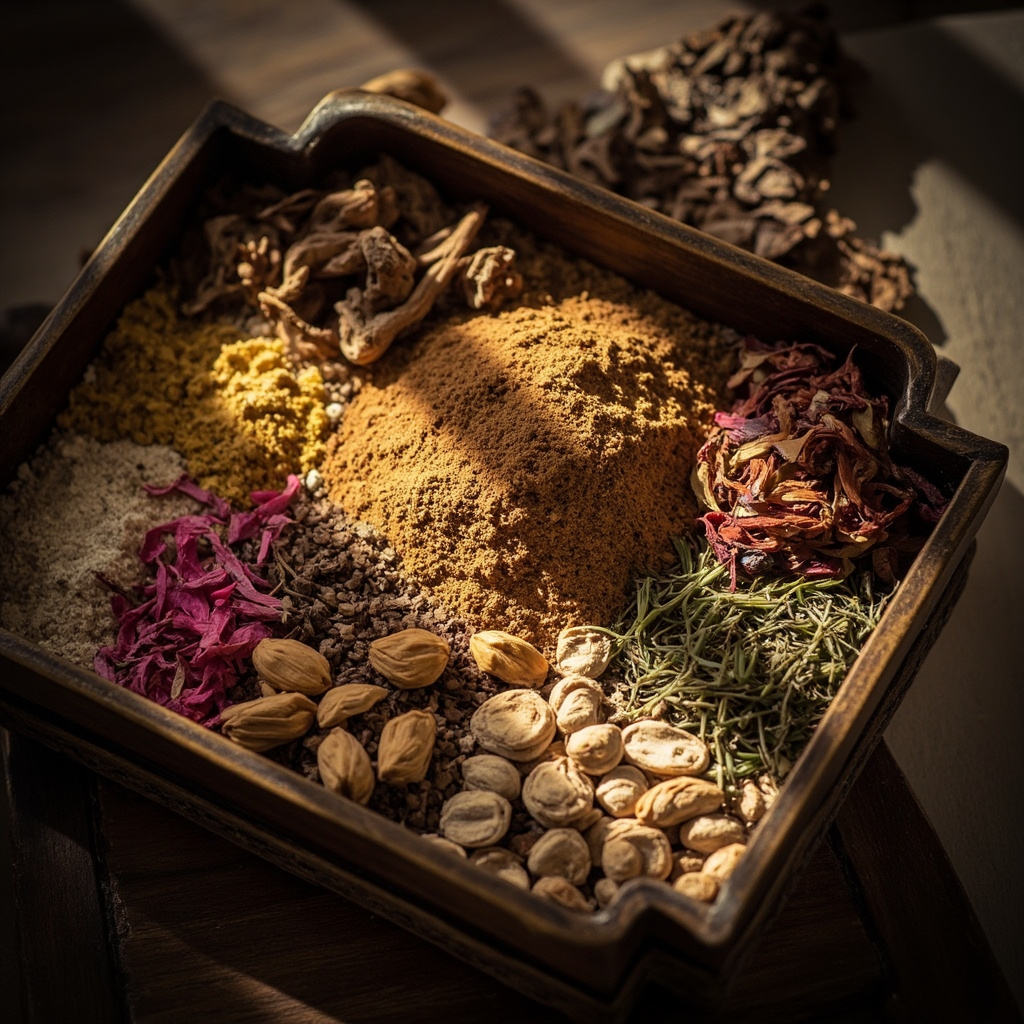
What Goes Into Xue Zhong Chun Xin
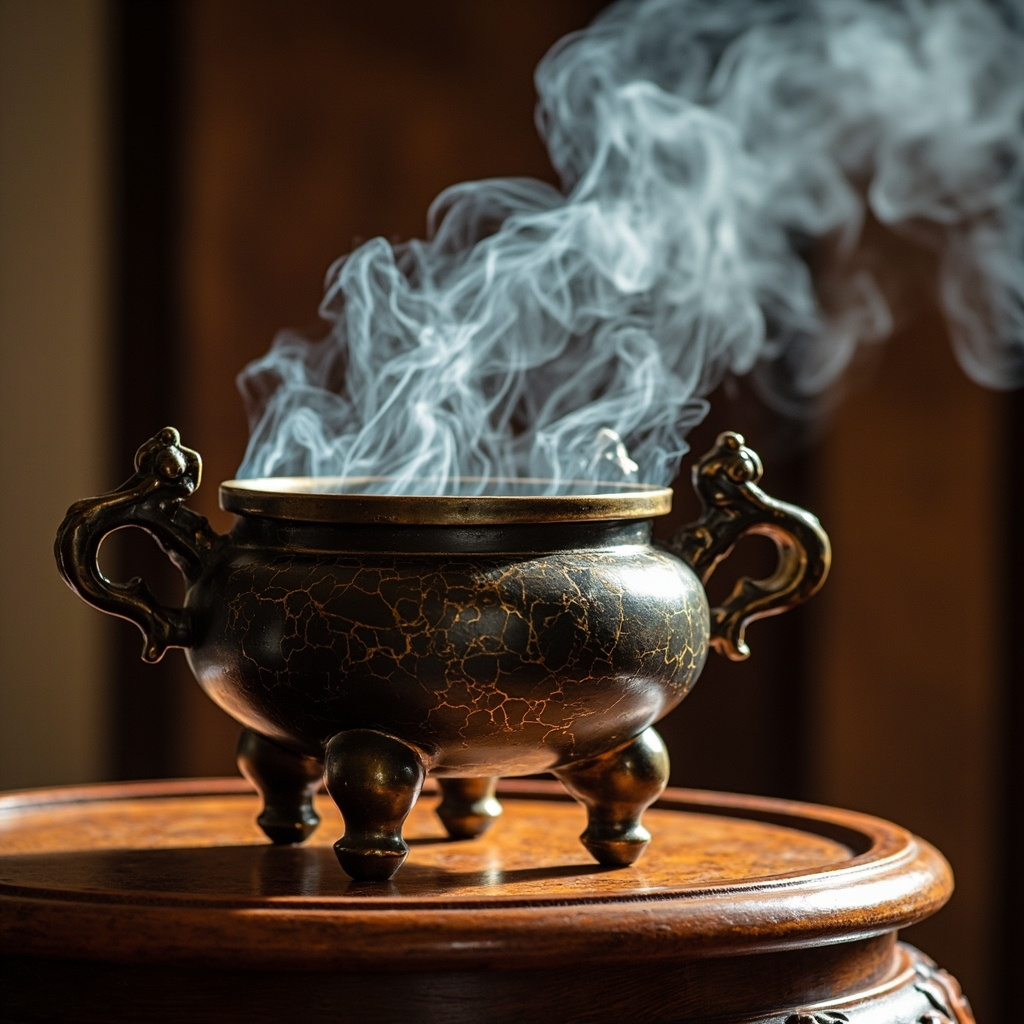
This is a more complex formula than some of the simpler blends. Multiple ingredients, carefully balanced.
The core components typically include:
- Musk — The animal component, adding warmth and presence
- Sandalwood — Foundation, creaminess, grounding
- Various supporting ingredients — Herbs and flowers that add floral notes
- Traditional preservatives and fixatives — Helping the blend age well
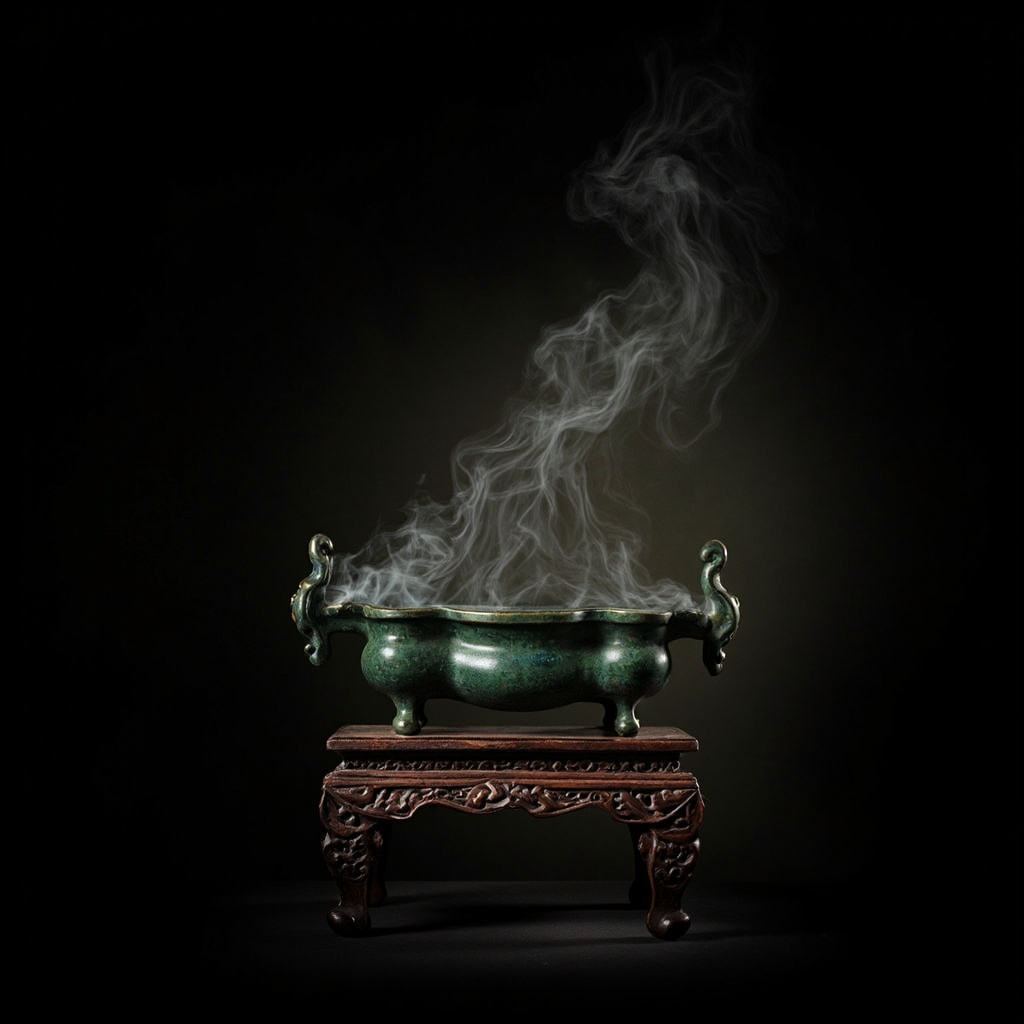
The exact formula varies between makers. Some guard theirs closely. The spirit remains consistent: this is about capturing that transition from cold to warm, dark to light, winter to spring.
The Character of the Smoke
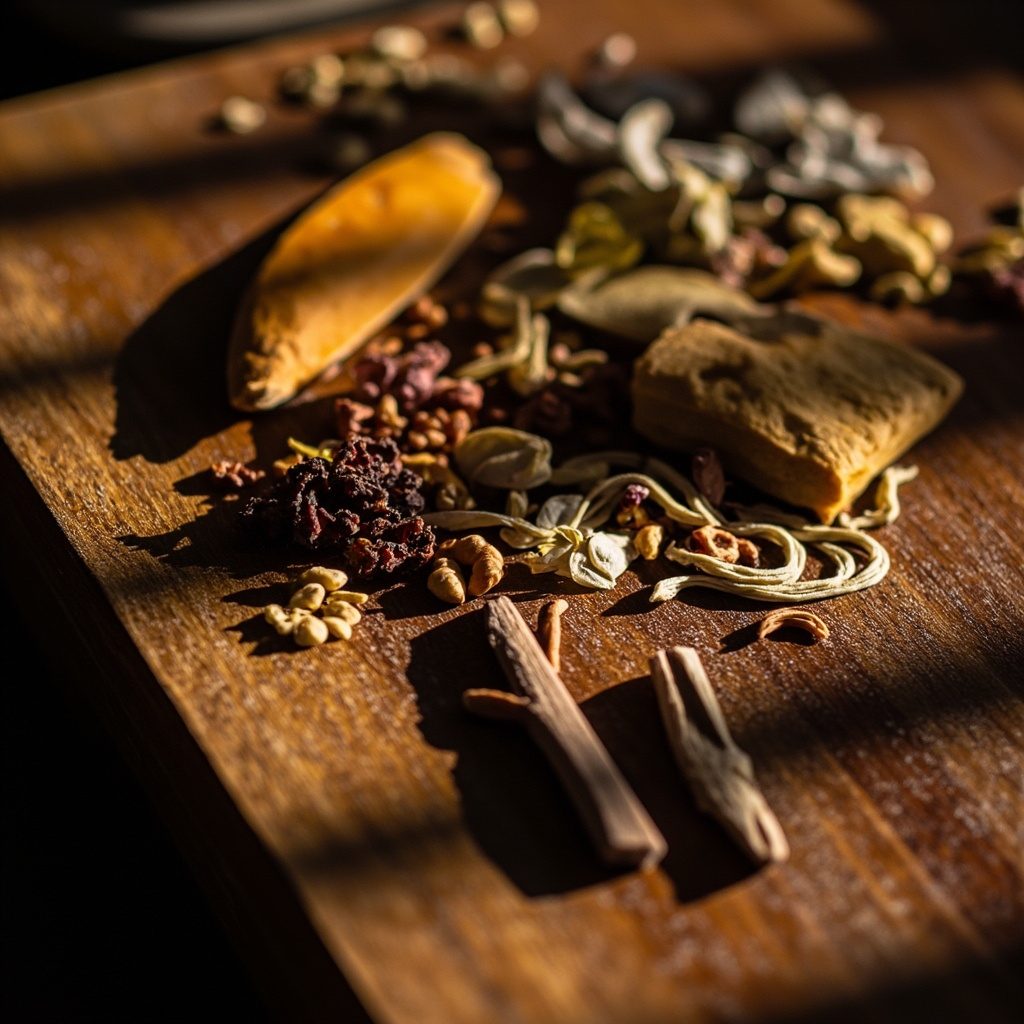
What does it smell like? Again, subjective, but here’s the attempt:
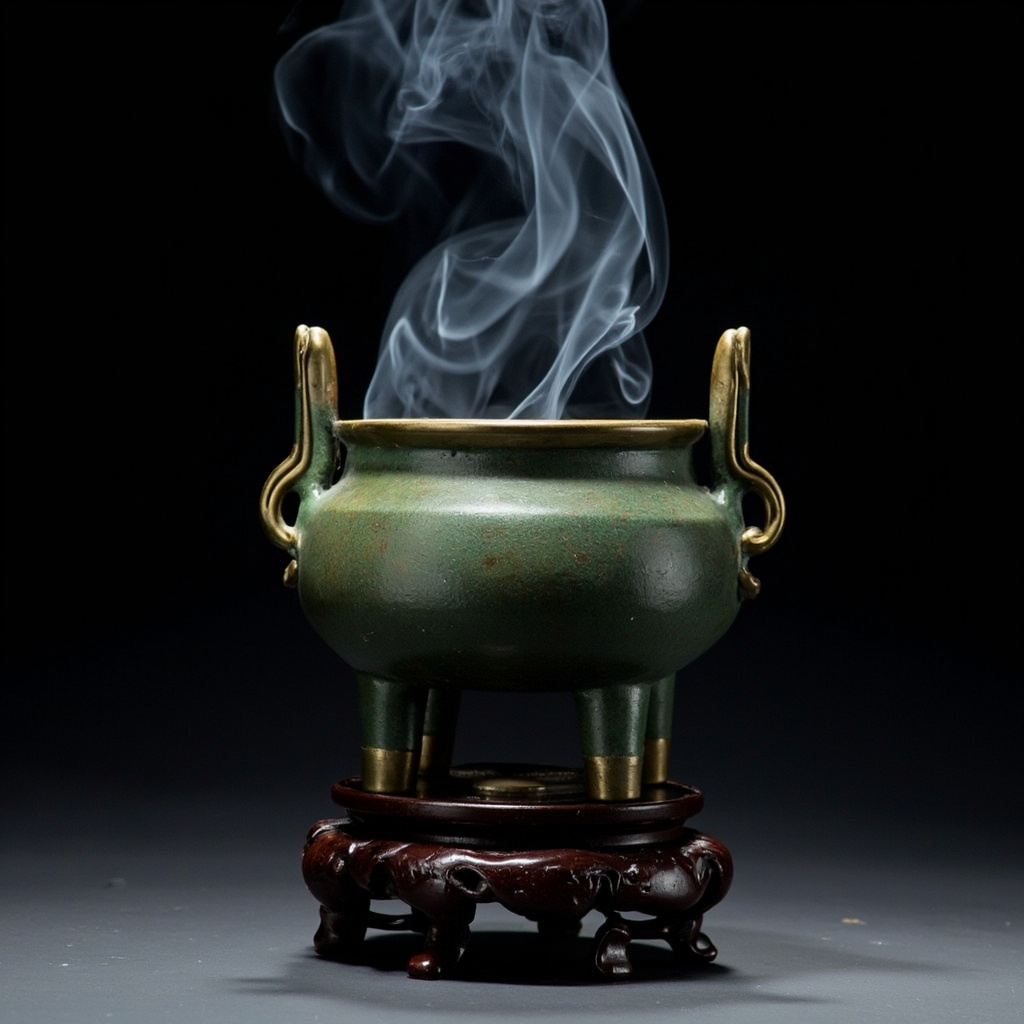
It opens with something cool, clean. Not cold, but the olfactory equivalent of cold — the way the air smells when winter is loosening its grip. Then, gradually, warmth emerges.
The musk asserts itself, the sandalwood comes forward, and something almost floral appears. The transition is the thing. It’s supposed to evolve.
Making Xue Zhong Chun Xin
A few notes if you’re attempting this yourself:
The musk situation: Traditional formulas use natural musk. This is expensive and hard to obtain. Modern versions often use synthetic alternatives.
Ratio sensitivity: The balance in this formula is delicate. Too much musk and it overwhelms. Too little and you lose the warmth that defines the blend.
Aging matters: Like most complex blends, time improves it significantly. Fresh Xue Zhong Chun Xin is good. Aged is something else entirely.
Why This Formula Is Special
Most incense formulas are named for their main ingredients or their creator. Xue Zhong Chun Xin is named for an idea, a feeling, a moment in time.
That’s unusual. And it speaks to something deeper about the Chinese approach to fragrance.
Incense isn’t just about making things smell pleasant. It’s about capturing and preserving ephemeral experiences. The scent of spring arriving. Things that seem impossible to hold onto.
And yet, here we are, a thousand years later, still burning something that’s supposed to evoke exactly that moment.
How to Experience It
If you want to try Xue Zhong Chun Xin:
Expect to search: It’s less common than E Li Zhang Zhong. You’ll need to find makers who specialize in traditional Song Dynasty formulas.
Quality varies dramatically: With complex formulas like this, the difference between mediocre and excellent is significant.
Take your time: This isn’t casual incense. Set aside time. Be present. Notice how the scent changes as it burns.
Consider the season: Burning Xue Zhong Chun Xin as winter transitions to spring feels particularly appropriate.
The Philosophy Behind the Formula
There’s something worth contemplating here. The name evokes hope. The idea that even when things seem darkest, when winter seems endless, spring is already beginning.
Renewal is always happening, even when we can’t see it.
Burning this incense isn’t just a sensory experience. It’s a practice. A reminder. The next time you’re in a difficult season, remember that warmth is coming.
Xue Zhong Chun Xin vs Other Traditional Formulas
Compared to E Li Zhang Zhong: Xue Zhong is more complex, more demanding. E Li is elegant simplicity. Xue Zhong is layered complexity.
Compared to Er Su Jiu Ju: Both are complex, contemplative incenses. Er Su leans more floral. Xue Zhong leans more toward the transition between cool and warm.
If you’re building a collection of traditional Chinese incenses, all three are worth having. They offer different experiences, different contemplations.
The Bottom Line
Xue Zhong Chun Xin is one of the more philosophical incense formulas in the Chinese tradition. It’s not just about creating a pleasant fragrance. It’s about capturing a moment, an idea, a transition.
Created during the Song Dynasty, refined over centuries, it continues to offer something deeper to those who engage with it thoughtfully.
Frequently Asked Questions
What does Xue Zhong Chun Xin smell like?
It’s designed to evoke the transition from winter to spring. Cool, clean opening notes gradually giving way to warmth. The musk provides the warmth, the supporting ingredients add complexity.
Is this difficult to find?
More so than basic formulas. You’ll need to find traditional Chinese incense makers who specialize in Song Dynasty formulas.
Does it really smell like spring?
Not literally. But it captures something about the feeling of spring arriving. The promise of renewal.
Can I make this at home?
It’s one of the more complex traditional formulas. If you’re an experienced incense maker, yes. If you’re a beginner, this is probably not where to start.
When is the best time to burn Xue Zhong Chun Xin?
Literally, at the transition between winter and spring. Figuratively, whenever you need the reminder that difficult seasons don’t last.