

The Stuff That Goes Wrong (And How to Fix It)

Okay, let’s be honest. You’re gonna mess up. A lot. At least at first.
I’ve been there. Everyone who makes incense has been there. You follow a formula exactly, get excited, burn it, and… something’s just off. Maybe it smells weird. Maybe it won’t stay lit. Maybe the smoke is terrible.
The trick is figuring out what went wrong. And more importantly, not doing it again.
Here are the most common mistakes beginners make. Learn from them so you don’t have to discover everything the hard way like the rest of us.
Mistake 1: Wrong Ratios
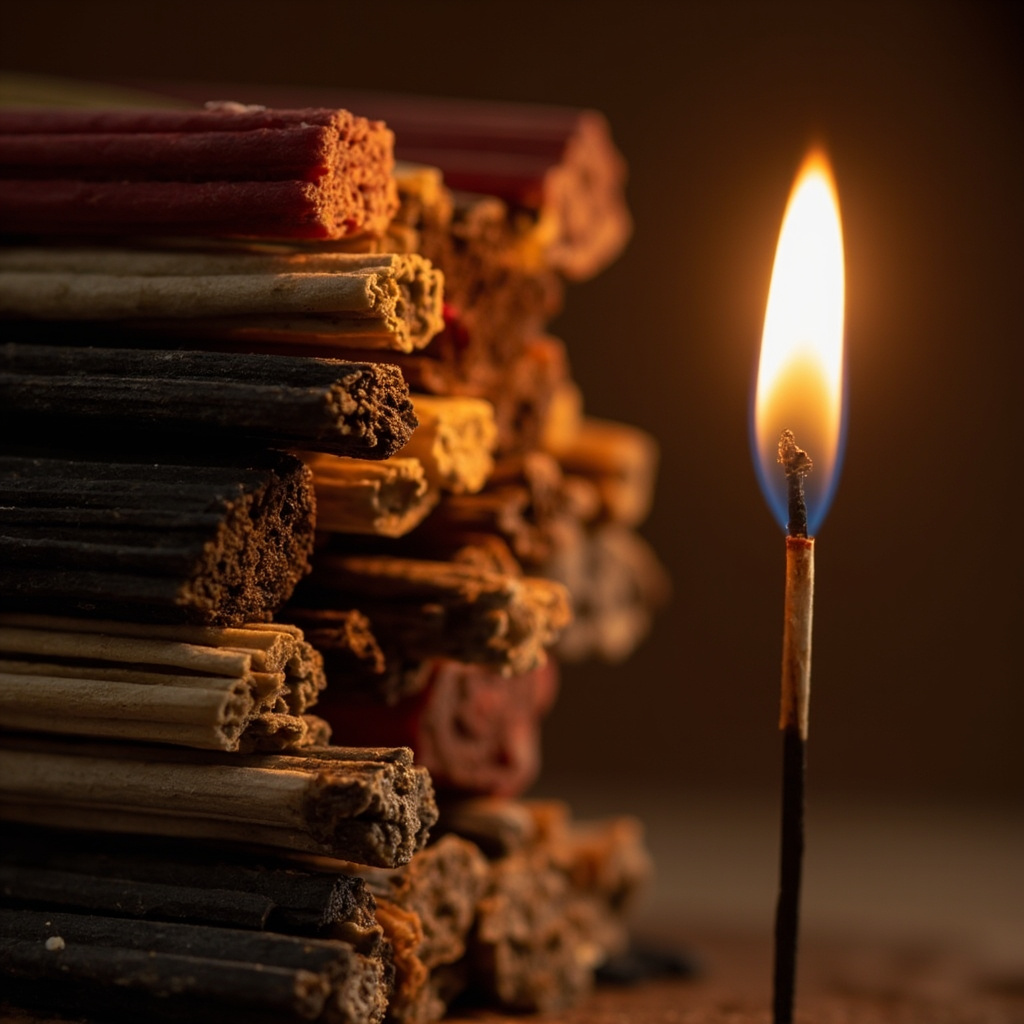
This is probably the most common issue. You think “a little more of this can’t hurt, right?” Wrong.
Incense formulas exist for a reason. Someone tested and refined them until the ratios worked. When you start tweaking without understanding what you’re doing, things go sideways fast.
Especially when starting: follow formulas exactly. Don’t improvise. Learn the rules before you try to break them.
If your blend smells “off” or harsh, it’s usually a ratio problem. Too much of something strong, or not enough of something that balances it.
Mistake 2: Burning Too Hot
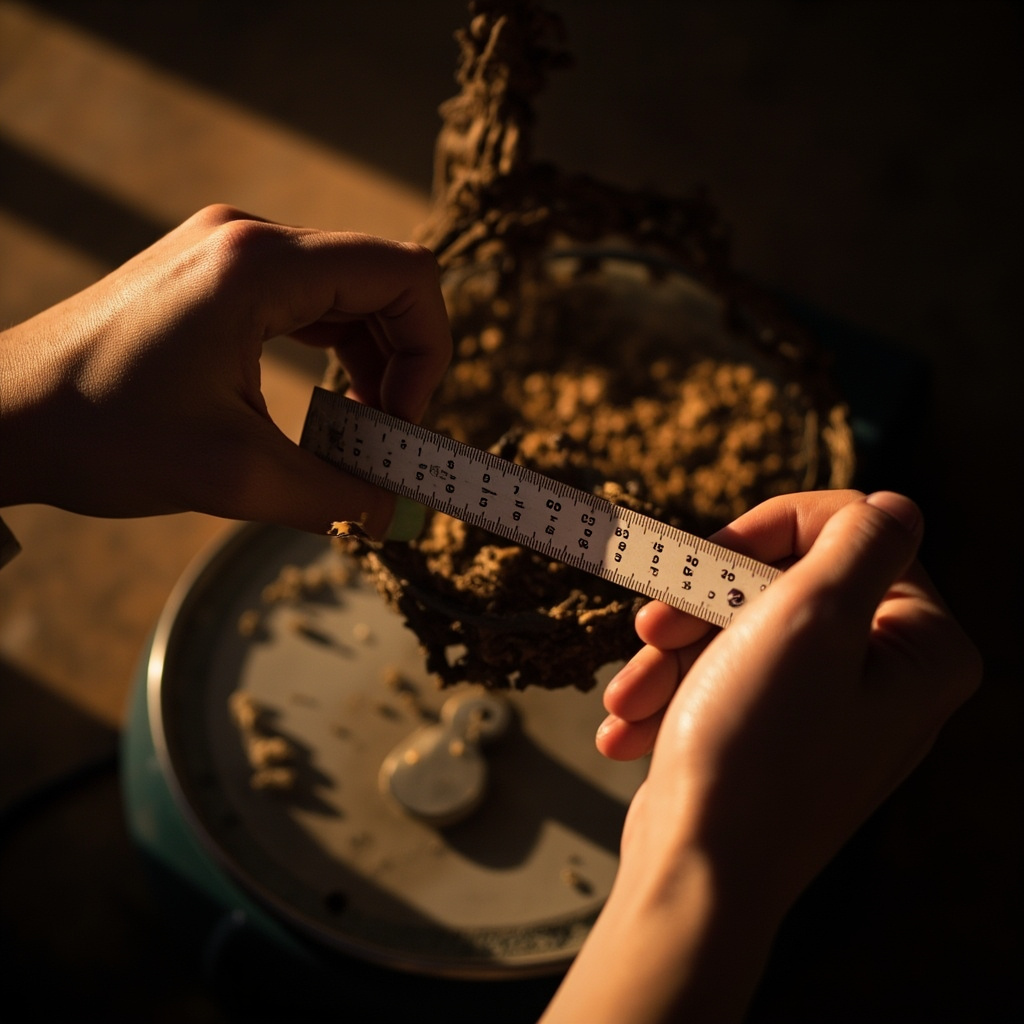
New incense makers often think more flame = more scent. This is wrong. Too hot and you’re basically destroying the aromatic compounds before you can even smell them.
Signs you’re burning too hot:
- Smoke is thick and white instead of thin and wispy
- The smell is harsh, almost acrid
- Your incense burns super fast
- The scent disappears fast instead of lingering
If any of this happens, you’re burning too hot. Let the flame die down more before placing it in your holder. Use less material. Try indirect heating instead of direct flame.
Mistake 3: Skipping the Processing Steps
Here’s one nobody talks about enough. Your raw materials probably need processing before you use them.
Some materials need:
- Drying – some materials are too moist and need time to dry
- Grinding – too coarse and they won’t burn right, too fine and they cake up
- Sifting – getting an even particle size matters
- Aging – some materials actually get better with time
If your incense doesn’t burn evenly, or the scent seems muted, the problem might not be your formula. It might be how you processed the materials.
Mistake 4: Using Low-Quality Materials
This one’s tricky because you can’t always tell quality just by looking. But here’s the thing: if your source material is bad, your finished product will be bad. No amount of skill in mixing can fix mediocre ingredients.
What to watch for:
- Extremely cheap prices for “rare” materials – if it sounds too good to be true, it is
- Vague descriptions – “fragrance oils” instead of named natural materials
- No information about source or processing
- Reviews mentioning mold, weird smells, or pests
Buy from sources that know what they’re selling. Yes, it costs more. But wasting $50 on bad materials that produce nothing is more expensive than buying quality the first time.
Mistake 5: Not Being Patient
Incense making requires patience. And most beginners don’t have enough of it.
Common patience failures:
Burning fresh incense instead of aging it.
Fresh incense often smells harsh or incomplete. Age it for weeks, sometimes months, and the scent matures. If you judge your incense the day you make it, you’re judging it at its worst.
Not letting materials process fully.
You need to dry your finished incense properly. Rushing this leads to mold, poor burn quality, and muted scents. Usually needs at least several days in a dry, ventilated space.
Expecting results too fast.
You’re not gonna make amazing incense in your first month. Maybe not your first year. This is a craft that takes time to develop. Accept that the learning curve is steep and the process is slow.
Mistake 6: Following the Formula But Not Understanding It
You can follow a traditional formula exactly and still fail if you don’t understand why the formula works.
When something goes wrong – and it will – you need to be able to diagnose the problem. If you don’t understand what each ingredient does, you can’t figure out why the blend isn’t working.
Before you start experimenting with formulas, make sure you understand:
- What each ingredient’s role is
- Why those specific ratios are used
- How different materials interact when burned
- What “good” looks and smells like for each component
This takes time. Burn ingredients individually. Learn their personalities. Then try combinations.
Mistake 7: Ignoring Your Nose
Your nose is your most important tool. And beginners often ignore it in favor of what they’ve read or been told.
If something smells wrong to you, it probably is wrong. Don’t let “experts” or books tell you something smells good when your senses are telling you otherwise.
That said, your nose can also fool you. Adaptation is real – you can go nose-blind to something if you smell it too long. Take breaks between tests. Cleanse your palate. Test with fresh nostrils when you can.
Trust but verify.
Mistake 8: Making Too Much Too Fast
You found a formula you like. You’re excited. You make a huge batch.
Then you burn a stick and realize something’s off.
Now you’ve wasted a bunch of materials on a batch you can’t use.
Always, always make small test batches when trying something new. 5-10 grams maximum. Verify it works. Then scale up only after you know what you’re doing.
This is just good resource management. And it keeps you from getting discouraged by big failures.
Mistake 9: Not Keeping Records
You think you’ll remember what you did. You won’t.
One week later, you won’t remember the exact ratio. One month later, you won’t remember the processing steps. One year later, you’ll have no idea.
Keep records of everything:
- Ingredients and exact amounts
- Source of each material
- Processing steps and timing
- How it burned and smelled
- What you’d change next time
These notes are gold. They’re how you learn and improve. Without them, you’re starting from scratch every time.
Mistake 10: Getting Discouraged Too Easily
Most beginners give up too soon. They make a few bad batches and decide “incense making isn’t for me.”
But here’s the thing: everyone is terrible at first. This is a skill that develops over years, not days or weeks.
The makers of classic formulas? They failed hundreds of times. Probably thousands. What we have now are the results of generations of trial and error.
You’re standing on their shoulders. Be patient with yourself. Keep at it. The only way to fail is to quit.
The Bottom Line
These mistakes aren’t failures. They’re tuition for learning this craft. Everyone pays them.
The trick is to:
- Make small batches so failures aren’t devastating
- Keep records so you learn from mistakes
- Be patient with the process
- Trust your senses while staying open to learning
- Don’t give up when things go wrong
If you can do those things, you’ll get there. It just takes time.
Frequently Asked Questions
How do I know if my materials are the problem?
Test them individually. Burn each ingredient alone. If one smells “off” or different than expected, that’s your problem material. If they all smell fine alone but the blend doesn’t work, the problem is in the combination or ratios.
Is it normal for my first 10 batches to fail?
Honestly? Yeah. Most beginners have a rough patch early on. The learning curve is steep. Don’t get discouraged – keep notes, analyze what went wrong, adjust, and try again.
What’s the most expensive mistake beginners make?
Buying expensive rare materials before they know what they’re doing. Or making huge batches of untested formulas. Start cheap, start small. Invest in quality only after you know what you’re doing.
How do I fix a bad batch?
Depends on the problem. Sometimes you can add a balancing ingredient. Sometimes you can adjust ratios and remix. Sometimes… you just have to start over. Not every batch is salvageable, and that’s fine.
When should I stop trying to fix a batch and start over?
If the fundamental ratios are wrong – if you can tell something is structurally off – it’s usually better to start fresh than keep pouring bad ingredients after good ones. Cut your losses and try again with what you learned.