The Problem With Perfect Scents
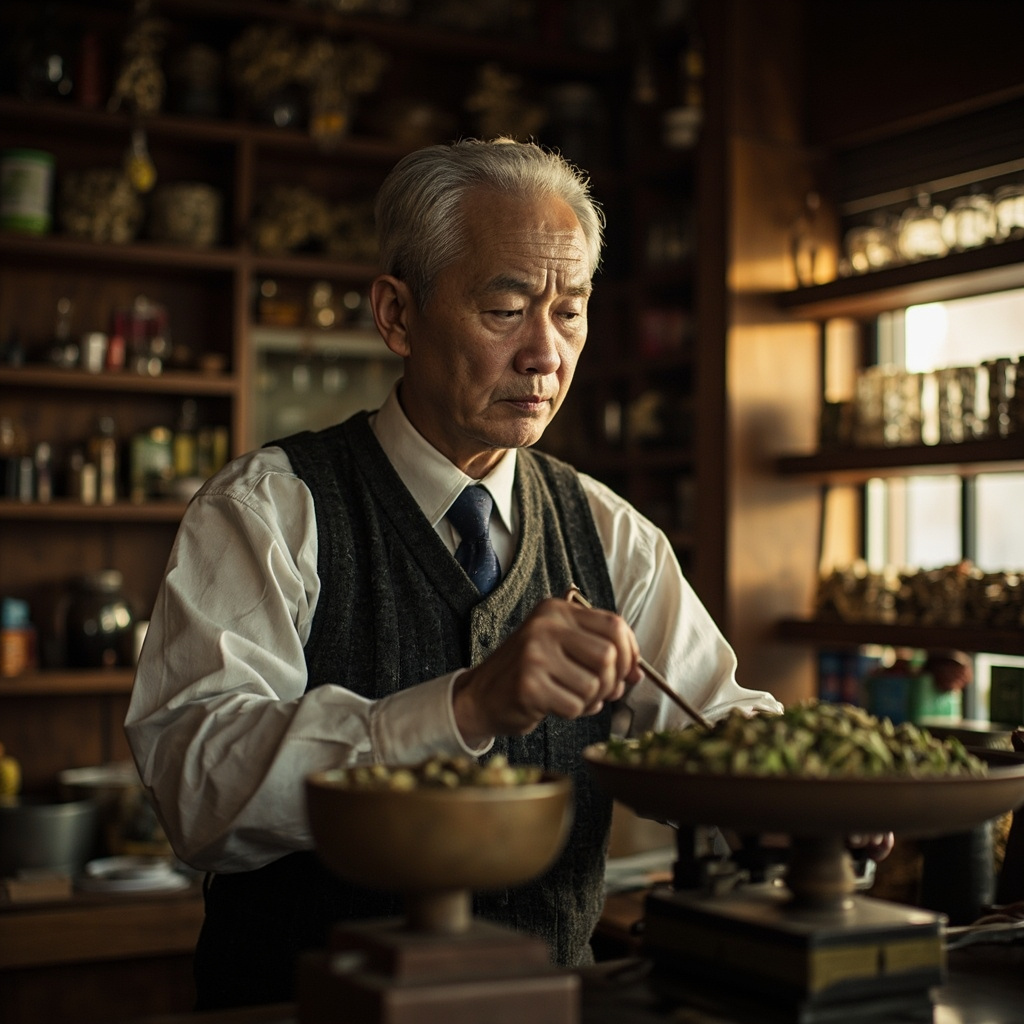
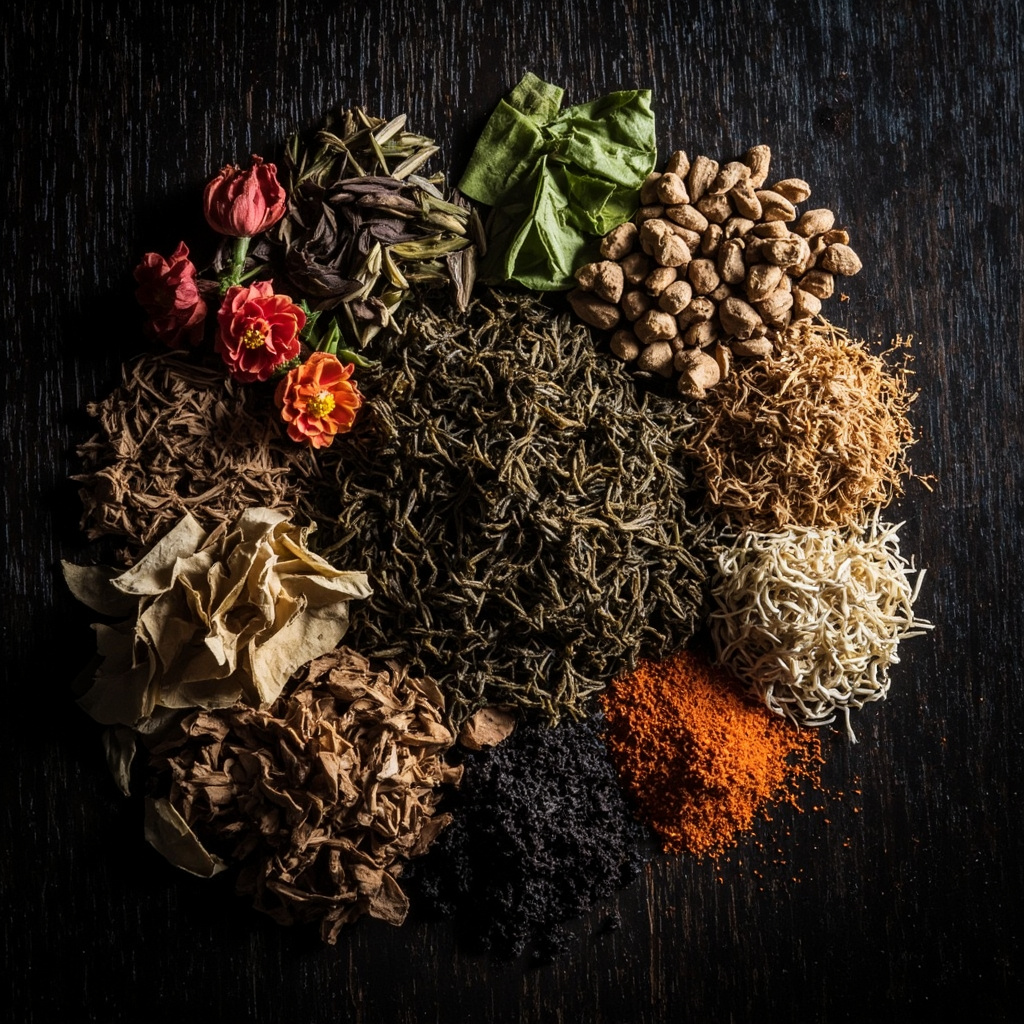
Here’s a thing that trips up a lot of new incense makers. They think “more is better.” So they grab every nice-smelling ingredient they can find, dump them all together, and wonder why it smells like… nothing. Or worse, like a mess.
Sound familiar?
The issue is balance. In Chinese incense making, this is called Xiang Cai Mi Bian — the idea that different ingredients work together to balance each other out. Sweet with bitter. Sharp with soft. Heavy with light.
Without that balance, you don’t get complexity. You get chaos.
What “Mi Bian” Actually Means
Mi (弥) means “more” or “fuller.” Bian (遍) means “遍及” — to spread, to fill, to reach everywhere. Together, it’s about creating something complete. Full. Balanced.
Think about cooking for a second. A dish that’s just sweet? Gets boring fast. A dish that’s just salty? Overwhelming. But sweet and salty together? That’s where the magic happens.
Incense works the same way. You’re not just stacking pleasant smells. You’re creating a conversation between different scent qualities.
The Basic Tension: Sweet vs Bitter
In Chinese incense materials, there are broadly two categories of taste or quality:
Qing Xiang (清香) — Light and Fresh:
These are your lighter scents. Gentle florals. Some woods when they’re young or mild. Green notes. They lift the blend up, make it airier.
Xiuxiang (醇香) — Rich and Deep:
These are your heavier scents. Dense resins. Aged woods. Animal-based notes. Deep, warm, sometimes almost bitter. They ground the blend down, give it weight.
If a blend is all light and fresh, it smells nice but doesn’t last. If it’s all heavy and deep, it becomes overwhelming. You need both.
How to Actually Balance
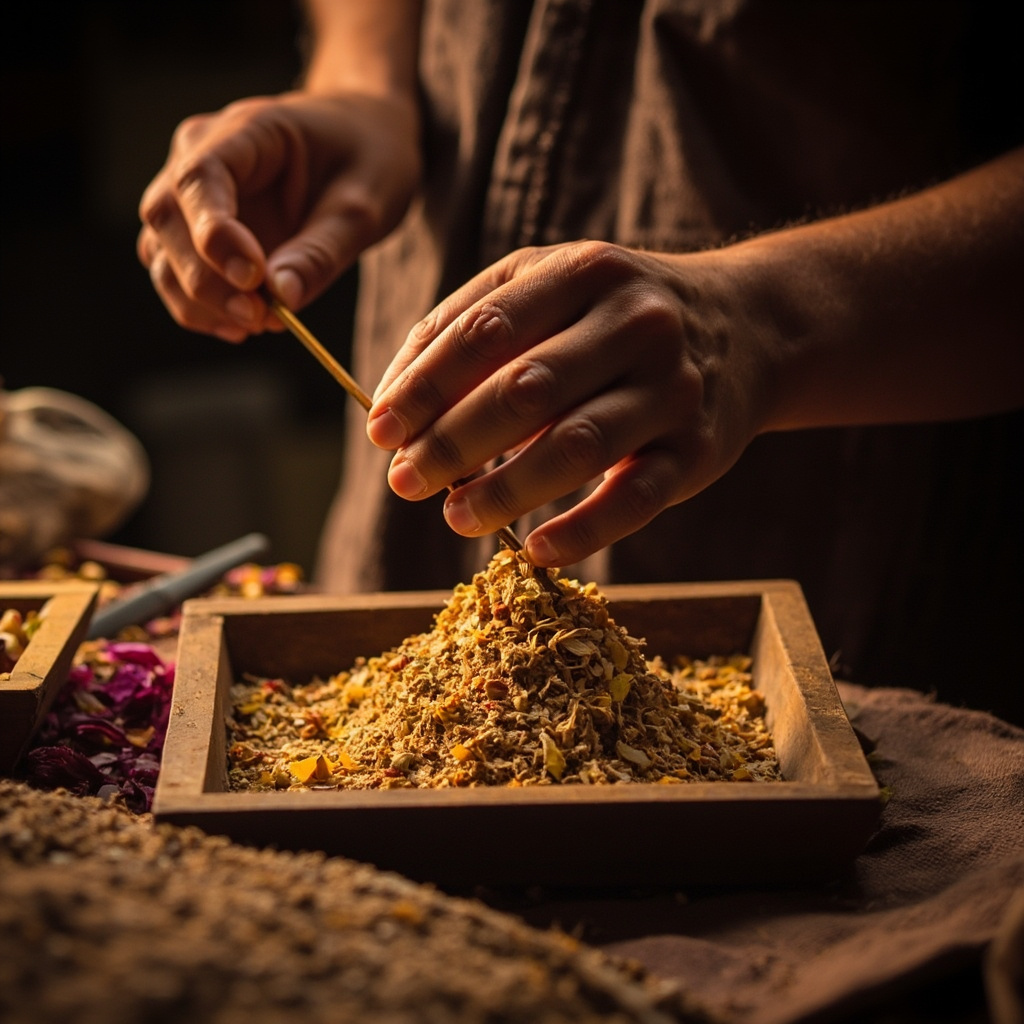
Here’s where people get stuck. “Okay, I need balance. But how?”
Some practical principles:
Start with one dominant quality, then adjust.
If your main ingredient is heavy (like aged agarwood), add something lighter to balance. If your main is light (like fresh sandalwood), add something deeper for contrast.
Use strong ingredients sparingly.
Resins and animal ingredients are powerful. A little goes a long way. Beginners always overdo them.
Consider what the blend will do over time.
Some ingredients smell different as they burn. A light floral might open the blend, then the deeper notes come in later. That’s balance across time, not just at one moment.
Real Examples
Let me give you a practical example. Say you’re working with:
Sandalwood as your base:
Nice, creamy, warm. But on its own? A bit flat. Maybe even a little boring.
To balance, you might add:
- Something sharper — a hint of spice, resin, or camphor to cut through the cream
- Something lighter — a touch of floral or citrus to brighten it up
- Something warmer — a touch more depth to anchor the brightness
The result? Something that’s recognizably sandalwood, but more interesting. That’s balance in action.
What Happens When Balance Fails
Too heavy:
Everything collapses into one dense, overwhelming smell. Hard to pick out individual notes. Can feel claustrophobic. Sometimes just straight-up unpleasant.
Too light:
Smells pleasant for thirty seconds, then disappears. No staying power. No presence. Doesn’t leave an impression.
All one quality:
Even if the ingredients are nice individually, together they fight each other. Nothing harmonizes. You smell sandalwood here, osmanthus there, something else over there. No unity.
A Simple Test
Here’s what I do when I’m working on a blend. Burn it. Wait. Then ask myself:
- Is there something that stands out too much?
- Is there something that gets lost entirely?
- Does the smell evolve, or stay the same?
- Would I want to keep smelling this for an hour?
If something stands out too much, pull back on it or add something to balance. If something gets lost, bring it forward or reduce what’s overwhelming it.
This isn’t scientific. But it works.
The Bottom Line
Good incense isn’t about having the best individual ingredients. It’s about how those ingredients work together. That’s what Mi Bian is about — creating balance, harmony, completeness.
You can have incredible materials but a mediocre blend if the balance is off. And you can have simple materials that sing because the balance is right.
When you’re learning, start with small batches. Try different combinations. Pay attention to what happens when you add more of one thing versus less of another. That’s how you develop intuition for this.
Frequently Asked Questions
How do I know if my blend is balanced?
Burn it and wait. If something hits you too hard in the first few seconds, it’s probably overpowering. If you have to hunt for a note, it’s getting lost. Good balance means nothing jumps out aggressively and nothing disappears.
Can I fix an unbalanced blend?
Sometimes. If it’s too heavy, you can add something lighter. If too light, add something deeper. But honestly, sometimes you just have to start over. That’s part of the learning process.
How long does it take to develop balance intuition?
Varies. Some people get it quickly. Others take months. The key is paying attention — actually smelling your blends, thinking about why they work or don’t work, adjusting and trying again.
Do I need expensive ingredients to make balanced incense?
No. You can have expensive ingredients that balance terribly. Balance is about how things work together, not how much you spend. Though expensive ingredients do give you more to work with in terms of complexity.
What’s the most common balance mistake beginners make?
Adding too many ingredients. They think more variety = more complexity. But without balance, more is just chaos. Start with two or three things. Get that working. Then add slowly.