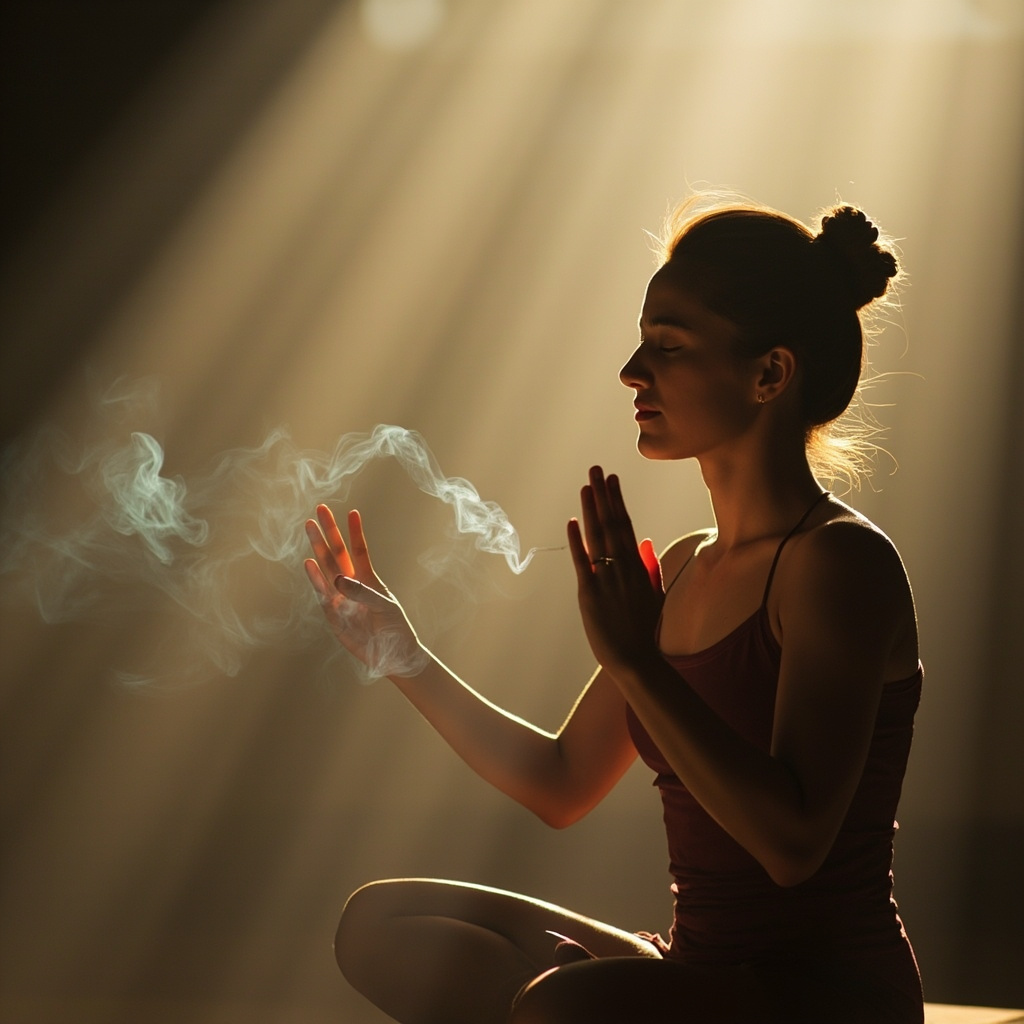
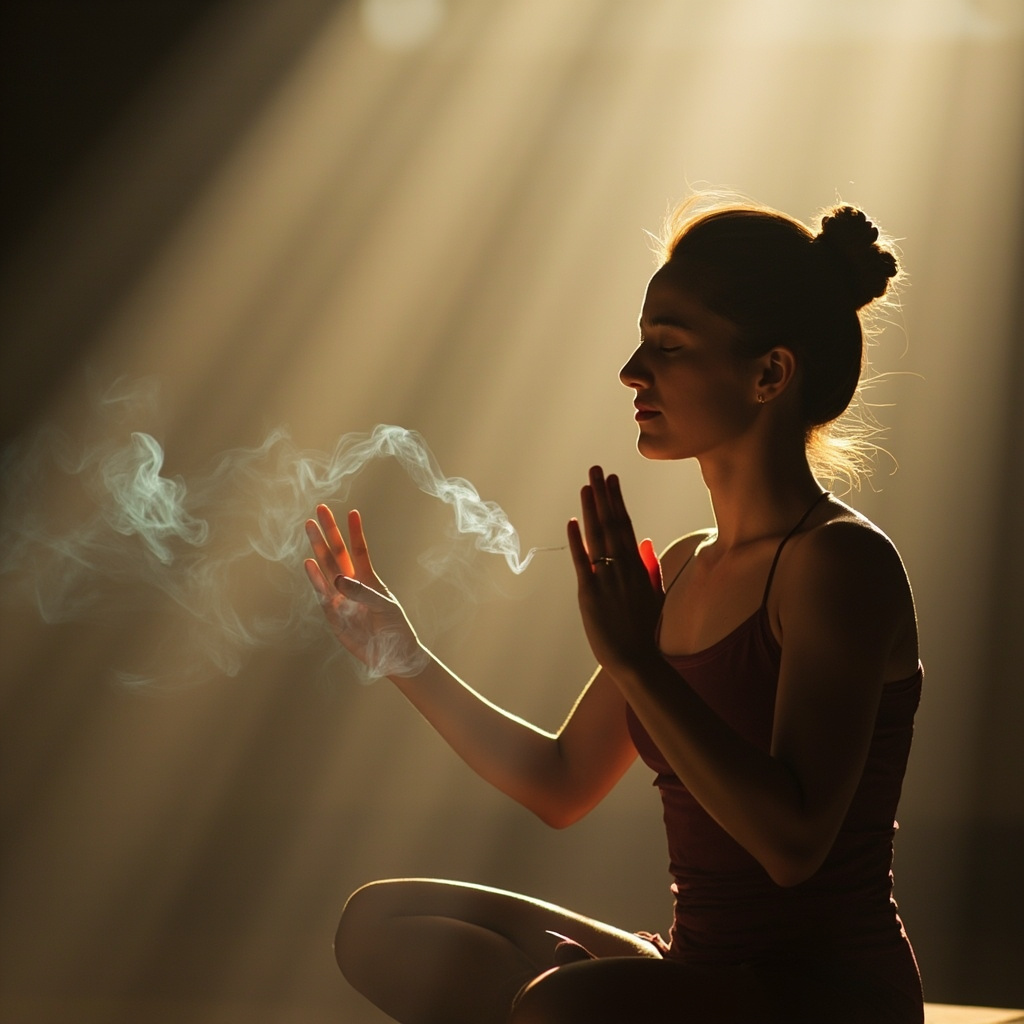
Why Incense and Emotions Are Connected
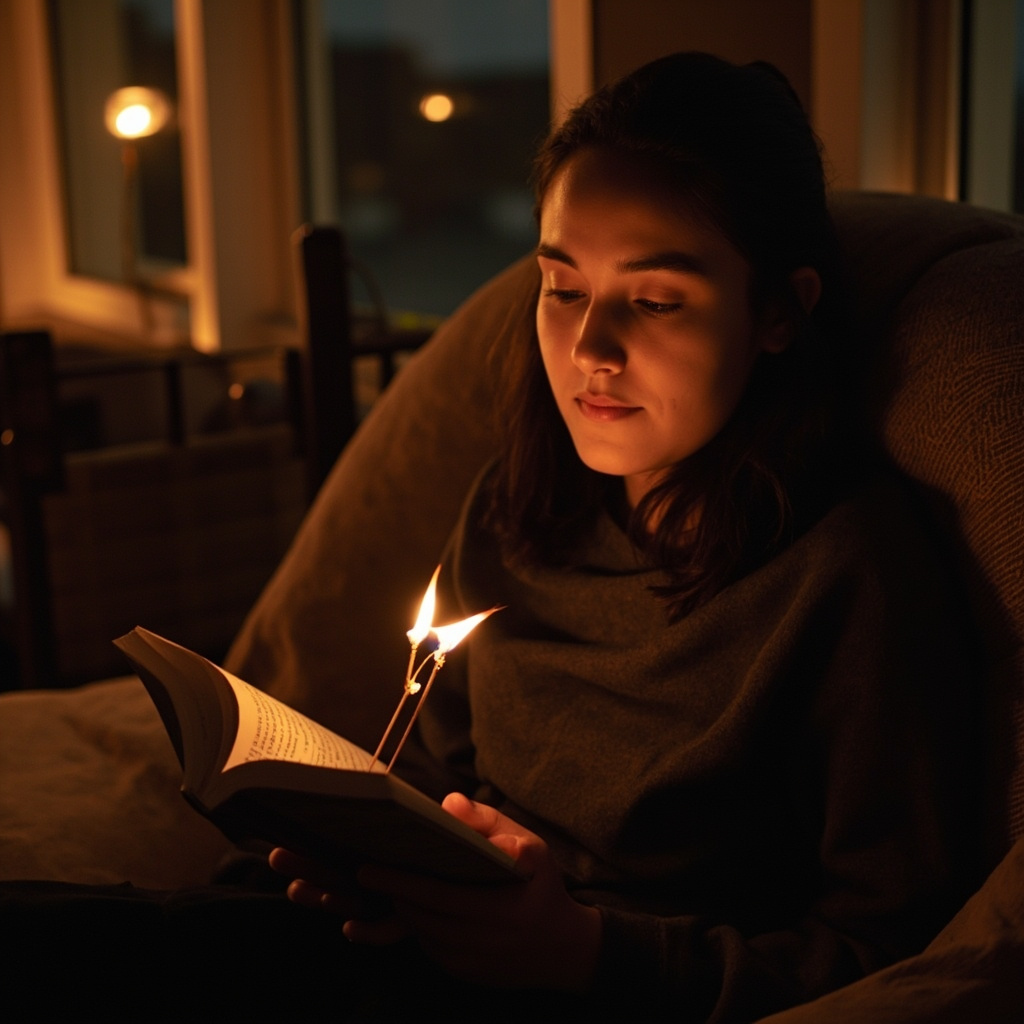
Here’s a thing nobody talks about enough. You’ve had one of those days, right? Everything’s off. Work’s piling up. Can’t think straight. Something feels heavy in your chest.
So you light some sandalwood. Within minutes, something shifts. That tight feeling? Looser. The mental noise? Quieter. You can actually breathe again.
That’s not coincidence. That’s scent working on your brain, your emotions, your whole state. And in Chinese tradition, this connection between fragrance and feelings goes way deeper than just “smells nice.”
The Chinese Take on Emotions and Scent
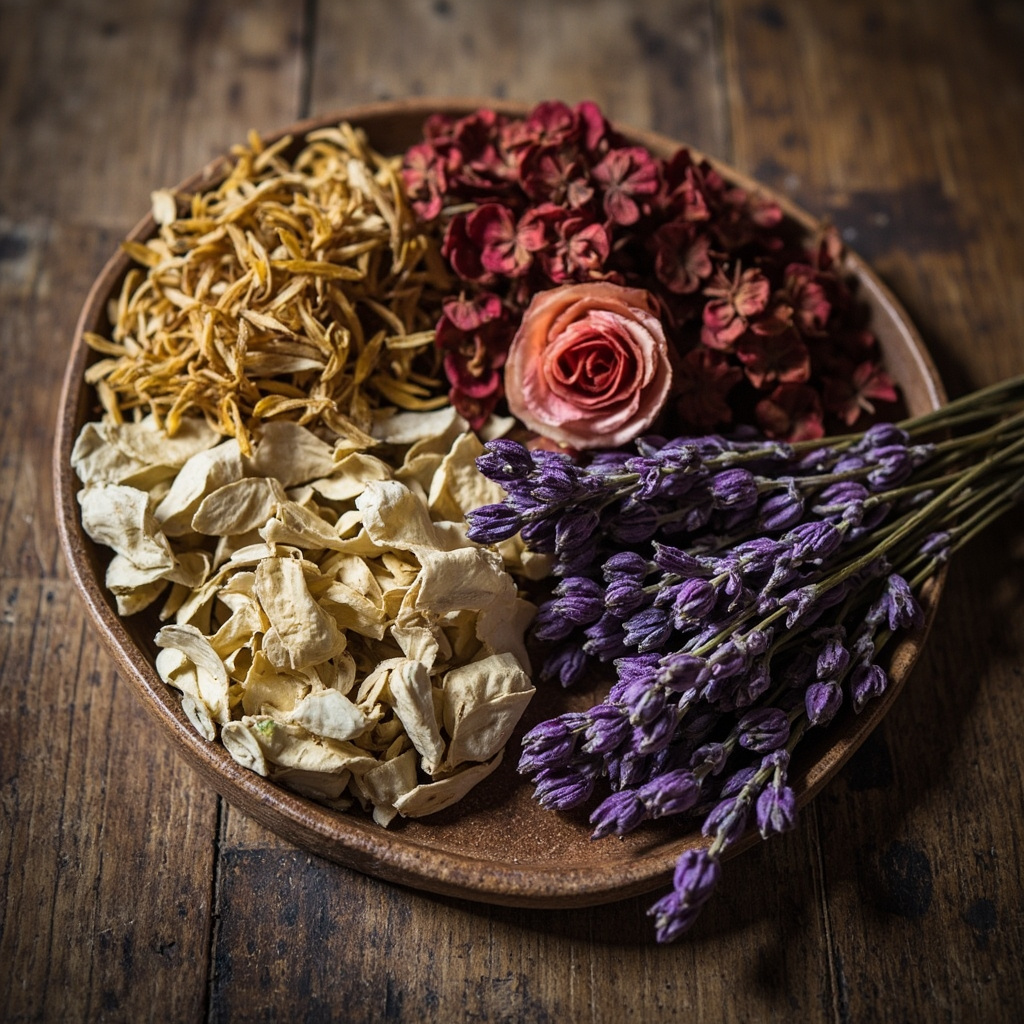
Ancient Chinese scholars didn’t just randomly pick scents to burn. They mapped out how different fragrances connected with emotional states. This wasn’t mysticism or superstition. It was observation. Hundreds of years of observation.
They noticed that certain scents made people feel more alert. Others made people calmer. Some helped when you were stuck in overthinking mode. Others worked when you needed to shake off sadness.
The idea was simple: different scents do different things to your emotional state. Match the right scent to your emotional needs, and you feel more balanced. Sounds obvious now, right? But the Chinese figured this out centuries ago.
Scent and the Brain: The Science Behind It
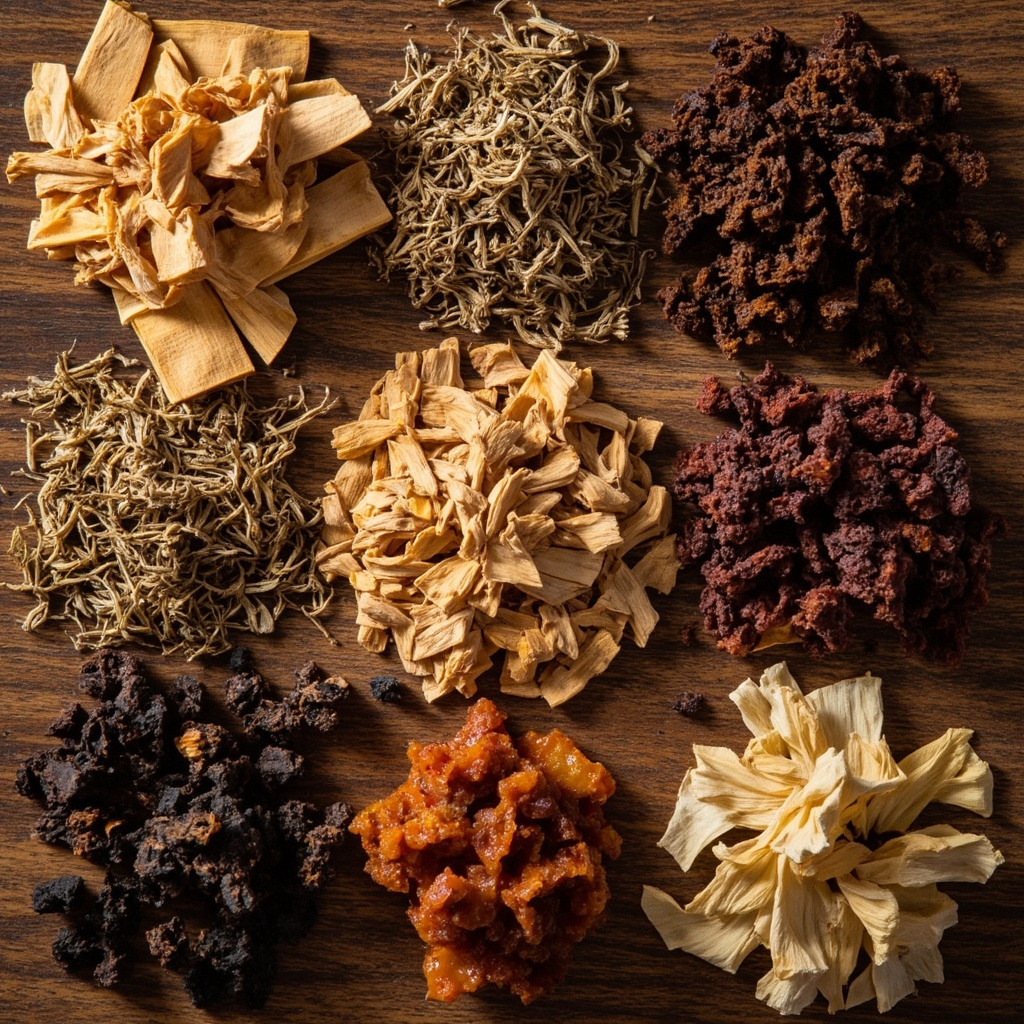
Okay, so what’s actually happening in your brain when you burn incense?
When you inhale scent molecules from burning incense, they hit your olfactory system — the part of your brain that processes smell. But here’s the thing: that system is directly connected to your limbic system. And the limbic system? That’s your brain’s emotional center.
So aroma goes in → olfactory system → limbic system → emotional response. The pathway is literally built into your brain anatomy.
Modern research backs this up. Studies show that certain aromatic compounds in incense — linalool, for example, found in many flowers — can actually lower cortisol levels. Cortisol is your stress hormone. Less of it = feeling calmer.
Other compounds trigger serotonin and dopamine release. Those are your feel-good neurotransmitters. So yeah, incense isn’t just cultural tradition. There’s actual chemistry at work here.
Working With Scent to Shift Your Mood
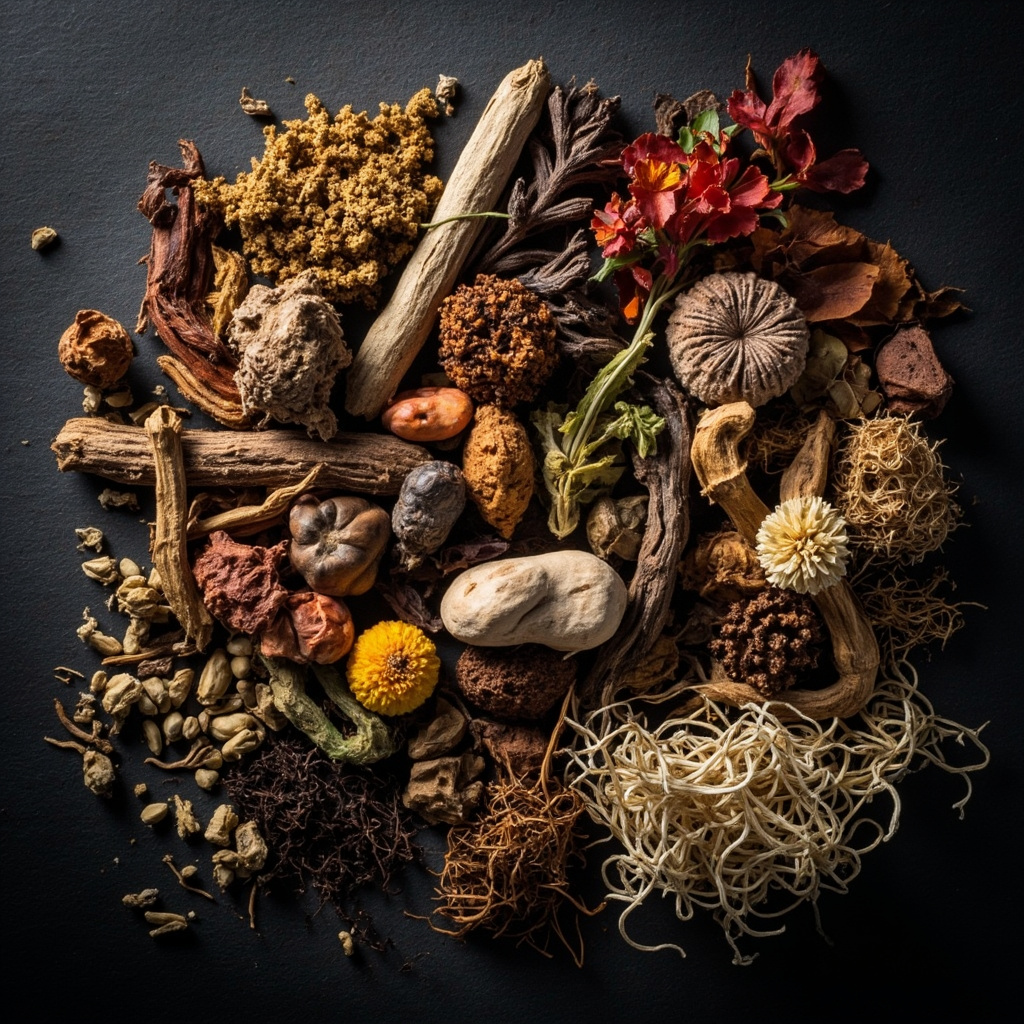
Here’s where things get practical. What do you burn when you want to shift how you’re feeling?
Need to calm down? Go for something with osmanthus, jasmine, or lavender. These are known for their relaxing qualities. Warm, soft, comforting scents. Perfect for those nights when your brain won’t shut off.
Feeling sluggish or low energy? Try something more energizing. Astringent scents, some woodsmoke, anything that wakes you up. Not harsh — just… alive.
Overthinking everything? This is where traditional incense really shines. Something like sandalwood or agarwood can help quiet the mental chatter. You know that feeling when the brain fog lifts? That’s the right scent working.
Sadness or grief? Warm, grounding scents help. Think about scents that feel like a comfort — nothing too bright or sharp. Sometimes the simple act of burning something familiar is the point.
Building Your Emotional Incense Toolkit
My advice? Don’t stick with one incense for everything. Build a small collection that covers different emotional bases.
Start with three:
- One for calming — your go-to for stress, anxiety, sleep trouble
- One for clarity — for focus, mental work, grounding
- One for comfort — when you need emotional warmth, or during low periods
From there, you can expand based on what you find works for you. Everyone’s different. Some people find jasmine too sweet. Others swear by it. Your nose knows.
When to Burn for Emotional Support
A few situations where I personally find incense helpful:
- Morning routine — Something gentle but clarifying. Sets a calm tone for the day instead of starting frantic.
- Before meditation — Helps transition from doing mode to being mode. Your brain gets a cue: “okay, we’re switching gears now.”
- After work — Burn something as a ritual to signal the workday is done. Physical transition point.
- Before sleep — Obviously. Calming scents help you wind down properly.
- During difficult emotional periods — Grief, anxiety, just generally low. Having a scent ritual gives you something to hold onto when everything feels unsteady.
The Ritual Matters Too
Here’s something a lot of people miss. It’s not just about the scent. The whole ritual of preparing and burning incense helps shift your emotional state.
Think about it. When you’re stressed, everything feels rushed and reactive. But when you stop, take the time to light incense properly, watch the smoke, breathe in the scent — that’s a deliberate pause. A moment of intention.
The Chinese understood this. That’s why incense practice has always been about more than just fragrance. It’s about creating a space for yourself. A pause button for your mind.
So yeah, the scent does something chemically. But the ritual does something too. They work together.
What About Overdoing It?
A word of caution. More isn’t always better. If you burn incense constantly, your nose adapts. The effects get muted. You might even start feeling worse instead of better — too much smoke can cause headaches or nausea.
I’d suggest keeping sessions to 30-45 minutes. One stick is usually enough. Make sure the room has airflow. And maybe give yourself some incense-free days sometimes. The breaks make the burns more effective.
The Bottom Line
Fragrance and emotion are connected. Not metaphorically — literally connected through your brain’s structure. The Chinese figured this out hundreds of years ago through careful observation. Modern science is just now catching up to explain why it works.
You don’t have to buy into any mystical framework to benefit from this. You just have to notice what happens when you burn different scents. Pay attention to how you feel before and after. Your own experience is the real guide here.
And if you’re dealing with something heavy — anxiety, grief, chronic stress — incense alone isn’t a fix. But it can help. It gives you small moments of relief, of balance, of being able to breathe. Sometimes that’s enough to get you through.
Frequently Asked Questions
Can incense really help with anxiety?
For mild to moderate anxiety, yeah. The calming scents work partly through the limbic system — your brain’s emotional center. That’s not placebo, that’s actual neurological effect. But if you’re dealing with serious anxiety issues, incense alone isn’t treatment. Think of it as one tool in your toolkit, not the whole solution.
What’s the best incense for relaxation?
Personal preference matters here, but traditionally, osmanthus, jasmine, sandalwood, and certain floral blends are known for their calming properties. If you find something works for you, that’s what matters. Don’t overthink it.
How long should I burn incense for emotional benefits?
30-45 minutes is usually enough. You want to give the scent enough time to work, but not so long that you build tolerance or overwhelm your senses. Some people notice effects within minutes. Others need longer sessions. See what works for you.
Is there a wrong time to burn incense for emotional reasons?
Not really. If it helps, it helps. That said, if you’re burning energizing scents late at night, you might have trouble sleeping. And if you’re using calming scents during work that requires alertness, you might feel too relaxed. Match the scent to the situation.
Can scents trigger bad memories or emotions?
Yeah, actually. The olfactory system is closely tied to memory and emotion in the brain. A certain scent might remind you of someone who passed away, or a difficult time in your life. If that happens, that scent isn’t for you right now. Your emotional state matters when choosing what to burn.