5 Common Incense Mistakes Beginners Make (And How to Avoid Them)
You have just begun exploring xiangdao. Perhaps you have already burned a few sticks and felt something shift in your awareness. But as you experiment, you might notice things are not quite working as expected. According to Baidu research, many beginners make the same mistakes when starting their incense journey.
The good news: these mistakes are easily avoidable once you know what to look for. And understanding classical texts like Chen Shi Xiang Pu (陈氏香谱) can help you understand the proper approach to this ancient art.
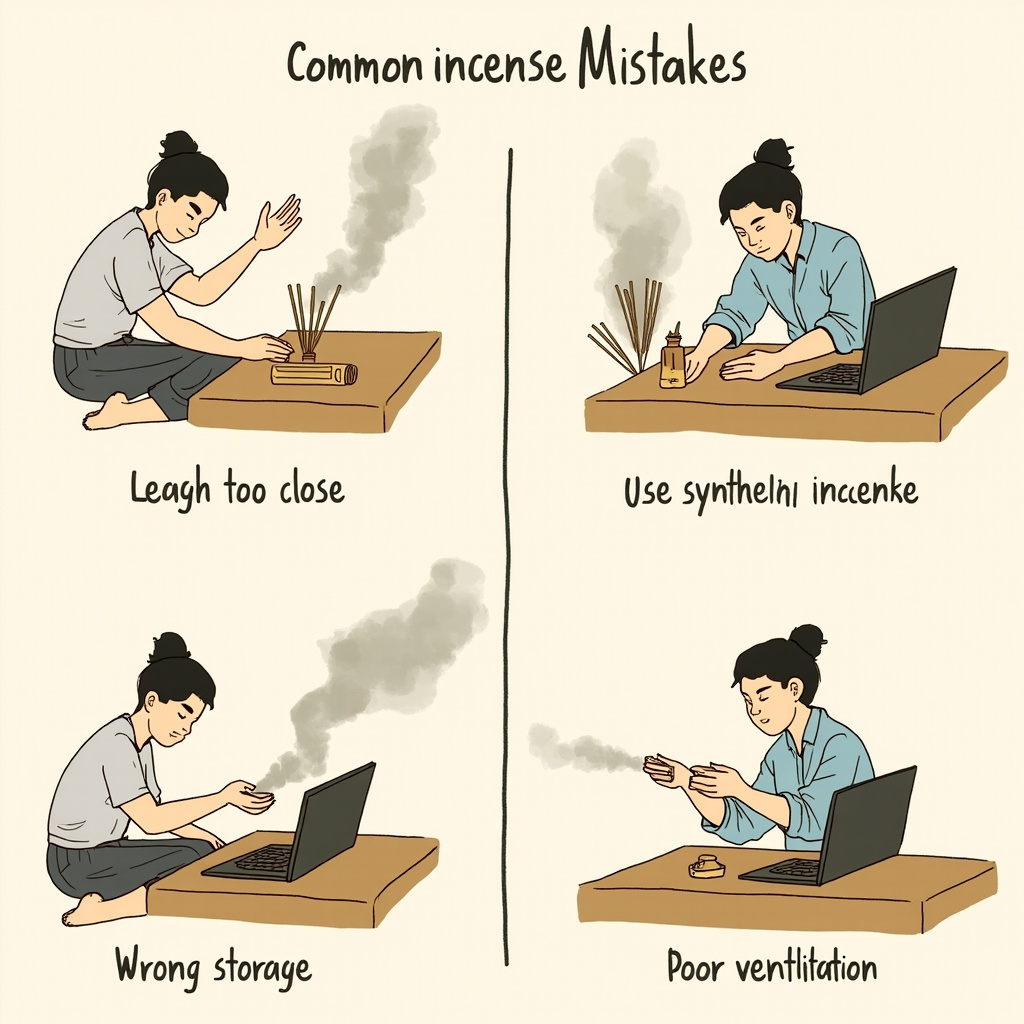
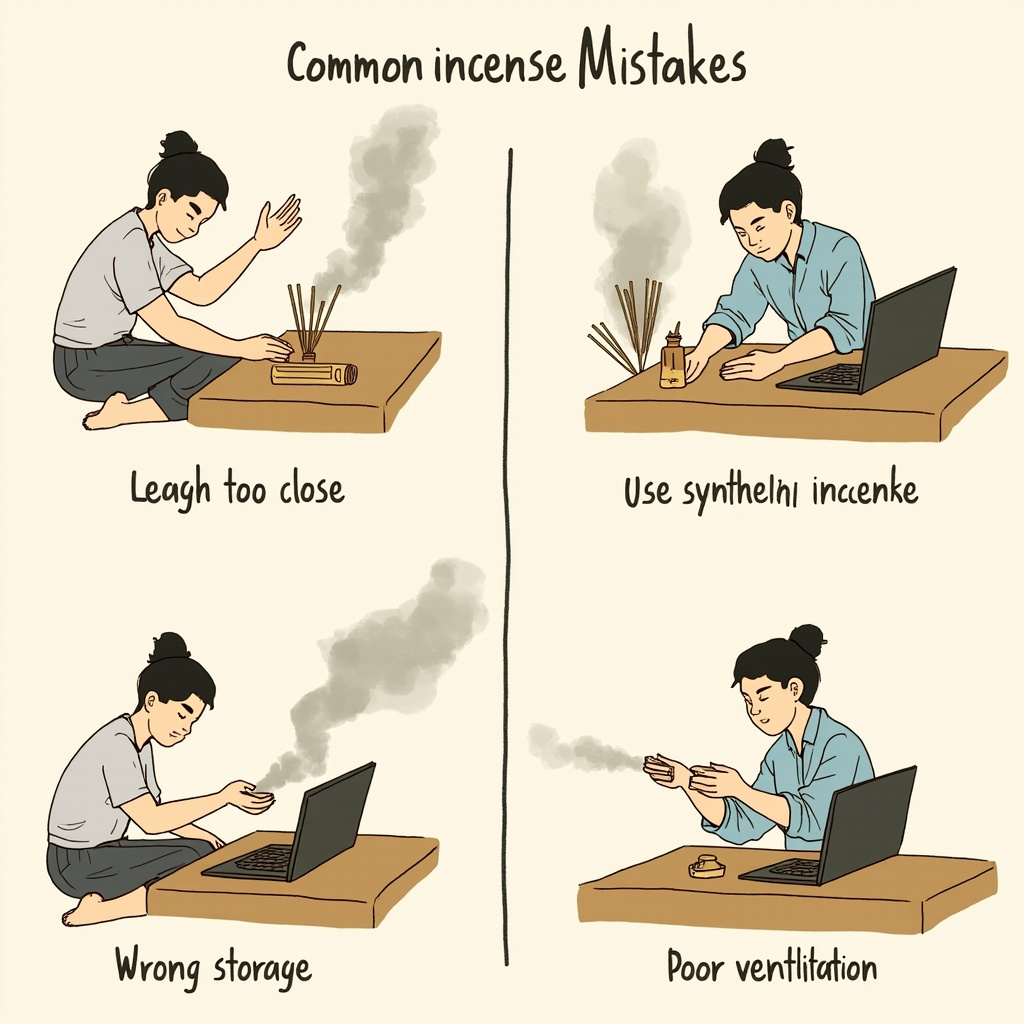
Mistake 1: Leaning Too Close to the Smoke
According to Baidu research: “Incense sticks produce a small amount of smoke, especially in the first few seconds after lighting. Do not lean in close to smell the incense during this time – this is an incorrect habit.”
The Problem:
When you first ignite incense, there is a burst of white smoke that is mostly steam and particulate matter, not the true fragrance. Leaning in to smell this smoke will only give you an acrid sensation, not the actual scent profile of the incense.
From the classical text Chen Shi Xiang Pu: “The smoke rises and the divine dwells within” (至治馨香,感于神明). True appreciation comes from letting the fragrance reach you naturally through the air.
The Solution:
- Wait 10-15 seconds after lighting before observing
- Sit at a comfortable distance – let the scent diffuse naturally
- Move closer only after the smoke stabilizes
Mistake 2: Using Synthetic Incense
According to Baidu research: “Many beginners do not realize the difference between natural and synthetic incense. Synthetic incense produces unpleasant smoke and may contain harmful chemicals.”
The Problem:
Mass-produced incense often contains artificial fragrances, chemical binders, and fillers. When burned, these release potentially harmful compounds including benzene and formaldehyde.
From Chen Shi Xiang Pu: “Incense comes from herbs, wood, flowers, fruits, roots, leaves, bark, or liquid – all from natural sources, processed through human skill” (然香者一也,或出于草,或出于木,或花或实,或节或叶,或皮或液,或又假人力而煎和成).
The Solution:
- Look for 100% natural plant-based incense
- Check ingredients – should list specific botanical materials
- Natural incense costs more but is safer and more authentic
Mistake 3: Wrong Storage
According to Baidu research: “Improper storage is one of the most common reasons incense loses its fragrance. Incense should be stored away from humidity and direct sunlight.”
The Problem:
Incense absorbs moisture from the air easily. When humidity penetrates, the sticks become damp and burn poorly, producing weak fragrance or no scent at all.
From the classical text on dragon’s blood (龙脑香): “Store in a porcelain container with charcoal, glutinous rice, and相思子 (acacia) to prevent deterioration” (宜合黑豆、糯米、相思子贮之瓷器内,则不耗).
The Solution:
- Store incense in sealed containers
- Keep away from bathrooms and kitchens
- Use silica gel packets in storage areas
- Keep in a cool, dark drawer or cabinet
Mistake 4: Burning in Poorly Ventilated Spaces
According to Baidu research: “Incense should be burned in spaces with some airflow, but not in direct drafts. Complete密封 spaces cause smoke to buildup uncomfortably.”
The Problem:
While you want the fragrance to linger, too little ventilation causes smoke to accumulate, potentially causing respiratory irritation. Too much airflow burns the incense too quickly and dissipates the scent.
The Solution:
- Open a window slightly for gentle airflow
- Avoid rooms with air conditioning running directly on the incense
- Do not burn in completely sealed rooms
- Consider using an ash catcher to control smoke direction
Mistake 5: Impatient Practice
According to Baidu research: “One common beginner mistake is expecting immediate results. True incense appreciation requires patience and mindfulness.”
The Problem:
Xiangdao is not about quickly burning through sticks. It is about mindful presence. Beginners often rush through the experience without truly experiencing the fragrance.
From the classical text: “Through stillness, fragrance becomes a friend” (静中成友). This only happens when you give the practice time and attention.
The Solution:
- Spend at least 15-20 minutes per session
- Notice how the scent changes from start to finish
- Use incense as a meditation anchor, not background scent
- Keep a journal of your impressions and preferences
How to Properly Start Your Incense Practice
Based on classical texts and modern practice, here is the proper approach:
- Select natural incense – From Chen Shi Xiang Pu, select materials from reputable sources
- Prepare your space – Create a calm, slightly ventilated environment
- Light properly – Allow flame to catch fully, then gently blow out
- Observe from distance – Wait for smoke to stabilize before leaning in
- Practice mindfulness – Focus attention on the changing fragrance
- Store properly – Seal containers, keep in cool, dry place
Frequently Asked Questions
What happens if I accidentally burn synthetic incense?
Occasional exposure to synthetic incense is generally not harmful, but chronic use may cause respiratory issues. If you experience headaches, coughing, or eye irritation, move to fresh air immediately.
How do I know if my incense is natural?
Natural incense should list specific plant ingredients (like “sandalwood”, “agarwood”, “dragon’s blood resin”). If ingredients are vague (“fragrance”, “aroma chemicals”) or the price seems too good to be true, it is likely synthetic.
Can I burn incense while reading or working?
While ambient burning while working is fine, for true xiangdao practice, set aside dedicated time to mindfully experience the incense without distraction.
Why does my incense produce more smoke than fragrance?
This usually indicates either damp incense (storage issue) or lighting technique. Try drying sticks briefly in sunlight, or relight ensuring the ember is glowing properly before blowing out the flame.
How should beginners choose their first incense?
Start with one type of natural incense – sandalwood or agarwood are good choices. Buy a small quantity first to test your response before committing to larger quantities.
Related Articles
- The 7-Day Incense Journey for Beginners
- How to Choose Your First Incense
- Complete Incense Safety Guide
Avoid These Mistakes and Practice Correctly
Xiangdao is a practice of centuries. By avoiding these common beginner mistakes, you will develop proper habits that serve you throughout your journey. Remember: the goal is not to burn incense, but to cultivate presence through the mindful experience of fragrance.