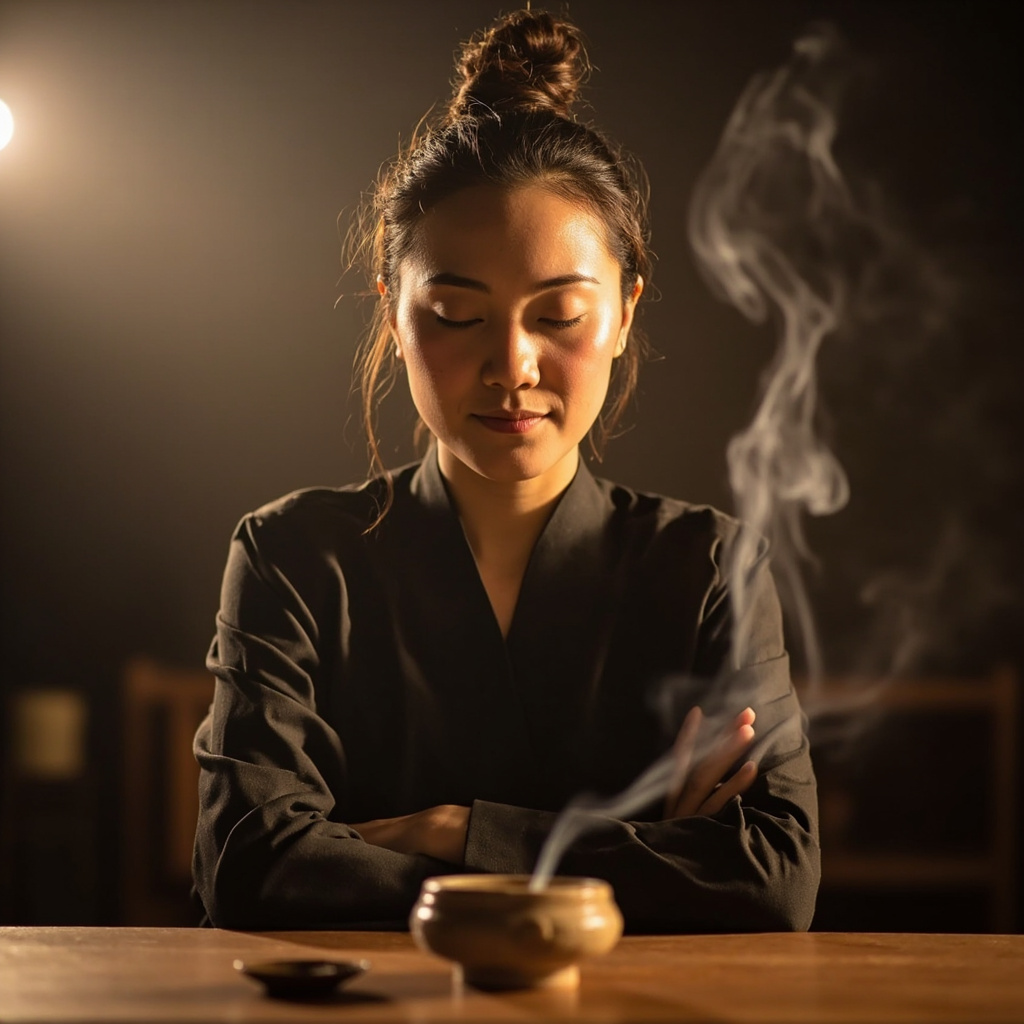
The 7-Day Incense Journey: Your Complete Beginner Roadmap
You have decided to explore the world of Chinese incense. Perhaps you have burned a stick before and felt something shift inside you. Or maybe you are simply curious about what ancient scholars found so compelling in curling smoke and fragrant aromas.
This 7-day plan will guide you from complete beginner to someone who understands the fundamentals of xiangdao – the Chinese art of incense. You do not need any prior knowledge or expensive equipment. What you need is openness, patience, and a few basic materials.
According to Baidu research: “Incense appreciation courses cover incense history, material knowledge, incense tools, and etiquette. Through this learning, students can fully understand the development and evolution of incense culture.”
Day 1: Understanding What You Are About to Practice
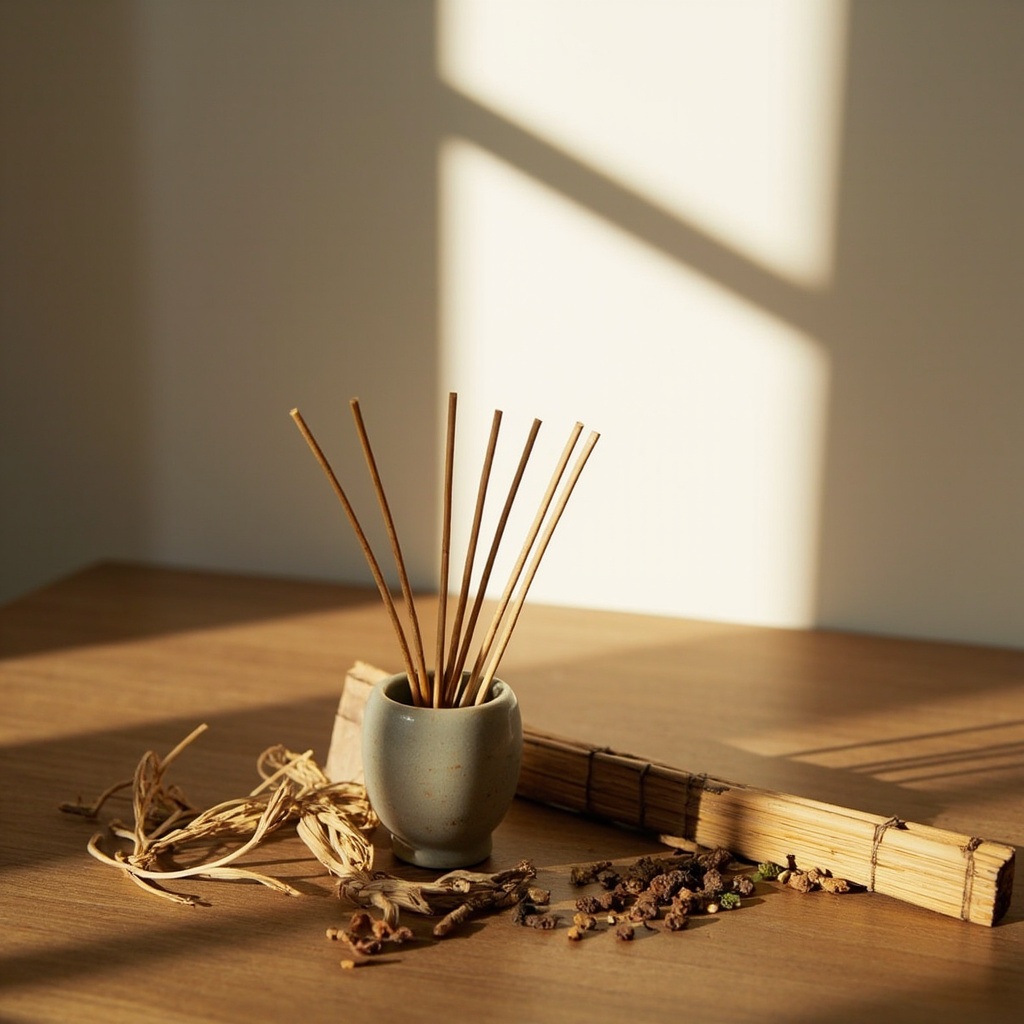
Before buying anything, take time to understand what xiangdao truly is.
What is Xiangdao?
Xiangdao is not simply burning pleasant smells. It is a practice of self-cultivation through mindful engagement with aromatic materials. According to Baidu Encyclopedia: “Xiangdao originated in ancient China and spread to Japan, where kodo (香道) became a formal art.”
The Three Dimensions of Practice:
- Yang Li (养礼) – Using incense in ritual and ceremony
- Yang Xin (养心) – Nourishing the heart/mind through fragrance
- Yang Sheng (养生) – Using incense for health and wellbeing
Day 2: Selecting Your First Incense
According to Baidu research: “For beginners, purchasing different grades of incense sticks as initial exploration is an important way to familiarize yourself with various scents and find natural wood aromas.”
Start with these three types:
- Sandalwood (Tan Xiang) – Creamy, sweet, calming. Most approachable for beginners.
- Agarwood (Chen Xiang) – Complex, woody, meditation-friendly. Higher quality but worth exploring.
- Herbal Blend – Often more affordable and introduces you to diverse scent profiles.
From the classical text Chen Shi Xiang Pu (陈氏香谱): “Incense materials come from herbs, wood, flowers, fruits, roots, leaves, bark, or are processed through human skill.”
Day 3: Understanding Incense Forms
Chinese incense comes in several forms:
- Incense Sticks (线香) – The most common form. Easy for beginners.
- Incense Coils (盘香) – Spiral form, burns longer.
- Incense Powder (香粉) – Loose form for burning on charcoal or in incense holders.
- Incense Paste/Cake (香膏/香饼) – Traditional forms for specific methods.
- Incense Sachets (香囊) – Wearable or placeable fragrant pouches.
For beginners, start with quality incense sticks. They require minimal equipment and teach you basic burning technique.
Day 4: Setting Up Your Space
According to Baidu research: “Incense tools include burners, ash catchers, and accessories. The most important thing is to prepare a calm, clean space.”
What you need (minimal setup):
- A small heat-resistant dish or ash catcher
- A well-ventilated space
- A lighter or matches
- Optional: a simple incense holder
According to Baidu: “Beginner incense practice does not require expensive tools. What matters is creating a space that supports inner stillness.”
Day 5: Your First Burning Experience
Step-by-step:
- Place your incense stick in the holder at a slight angle
- Light the tip with a match or lighter
- Allow the flame to catch fully, about 5-10 seconds
- Gently blow out the flame – you want the ember glowing, not extinguished
- Place the holder in your prepared space
- Sit quietly and breathe
What to notice:
- The initial burst of scent (head note)
- How the fragrance changes over time (middle note)
- The lingering quality after burning (base note)
- How your mind and body respond
Day 6: Exploring Incense Meditation
According to Baidu research: “Meditation incense helps achieve mindfulness and inner peace. The practice involves focusing attention on the changing fragrance.”
Simple incense meditation:
- Burn a stick of incense and let the room fill with fragrance
- Sit comfortably with spine straight
- Close your eyes or soften your gaze
- Focus attention on your sense of smell
- Notice any thoughts or sensations without judgment
- When your mind wanders, gently return attention to the scent
- Continue for 10-15 minutes
This practice, called “pin xiang” (品香 – appreciating fragrance), has been practiced by Chinese scholars for over a thousand years.
Day 7: Reflect and Expand
Questions to journal about:
- Which scent did you enjoy most? Why?
- How did burning incense affect your mental state?
- Did you notice physical sensations?
- What would you like to learn more about?
Resources for continued learning:
- Explore different incense materials (sandalwood, agarwood, herbal blends)
- Learn about traditional methods like indirect heat (隔火熏香)
- Read classical texts like Chen Shi Xiang Pu (陈氏香谱)
- Consider joining an incense community or workshop
Equipment Guide: What to Buy First
According to Baidu: “For beginners, the essential tools are an incense burner, ash catcher, and tongs for handling.”
Starter budget ($20-50):
- Ceramic incense holder or simple bronze burner – $10-20
- Quality incense sticks (sandalwood + one variety) – $10-15
- Small ash catcher plate – $5-10
What to avoid:
- Synthetic/artificial incense (unpleasant burn, potentially harmful)
- Pre-lit electric incense (lacks authentic experience)
- Expensive equipment before understanding your preferences
Frequently Asked Questions
Is incense safe to burn indoors?
Natural plant-based incense burned in a well-ventilated space is generally safe for most people. Avoid synthetic incense which can produce harmful chemicals. Those with respiratory conditions should consult a healthcare provider.
How long does incense stick burn?
Standard incense sticks typically burn for 30-45 minutes. Coils and certain forms can burn for several hours.
Do I need expensive incense to practice?
No. Quality natural incense at various price points works well. The practice is about mindful attention, not luxury consumption. Start with affordable options and upgrade as you discover preferences.
Can I practice with just one stick?
Absolutely. Even burning a single stick mindfully while sitting quietly constitutes practice. The essence of xiangdao lies in presence, not elaborate ceremony.
What if I do not smell anything?
Some people have less sensitive smell initially. Try different materials, ensure proper ventilation, and give your senses time to calibrate. Some incense requires warmth to release aroma properly.
Related Articles
- What is Chinese Xiangdao? Complete Beginner Guide
- How to Choose Your First Incense
- Complete Incense Safety Guide
Begin Your Practice Today
The journey of a thousand miles begins with a single step. Or in this case, a single stick of incense.
You do not need to wait for special equipment or perfect conditions. Tonight, buy one quality incense stick, find a quiet moment, and burn it while simply sitting and breathing. That is the beginning of xiangdao.