What is Xiangdao? The Chinese Art of Incense
When you light a stick of incense and watch the smoke curl upward, you are participating in a tradition that spans over 6,000 years. But Chinese incense culture is far more than burning fragrant sticks. It is a complete system combining philosophy, health, aesthetics, and spiritual practice.
Xiangdao (香道), literally “the way of incense,” is an ancient Chinese art that involves appreciating and creating fragrance through carefully selected natural materials. Unlike casual scented products, xiangdao encompasses a complete philosophy of life.
The word “Dao” in Chinese means “the way” or “path.” It refers to the fundamental principles governing the universe. When combined with incense, xiangdao becomes a practice for aligning yourself with these principles through the senses.
The Philosophy: Tian Ren Yi Ti (Heaven and Human Unity)
At the heart of xiangdao lies the ancient Chinese philosophy of tian ren he yi (天人合一), or “unity of heaven and human.” This concept, central to Confucian and Taoist thought, teaches that humans are not separate from nature but an integral part of it.
When you burn incense mindfully, you are not just smelling a pleasant fragrance. You are:
- Connecting with natural materials harvested from the earth
- Aligning your breath with ancient rituals
- Practicing presence in a world full of distraction
- Honoring ancestors who practiced these same ceremonies
The Five Dao Traditions: Where Xiangdao Fits
Traditional Chinese culture recognizes five art forms known as the “Five Dao” (五道):
- Shu Dao (书道) – The way of calligraphy, for clarifying intentions
- Hua Dao (花道) – The way of flower arrangement, for nurturing the heart
- Cha Dao (茶道) – The way of tea, for achieving harmony
- Qin Dao (琴道) – The way of music, for pleasing the spirit
- Xiang Dao (香道) – The way of incense, for finding stillness
Each dao serves a different aspect of cultivation. Xiangdao uniquely addresses the sense of smell, which ancient Chinese considered vital for accessing deeper states of awareness. The nose was called “the gateway to the soul.”
Among the Five Dao, xiangdao holds a special position. As the old saying goes: “The five paths aim at nourishing the heart, but xiangdao brings stillness. Stillness generates contemplation, contemplation leads to insight, and insight opens the path to truth.”
Three Pillars: Yang Li, Yang Xin, Yang Sheng
Chinese incense culture rests on three foundational principles:
1. Yang Li (养礼) – Nourishing through ritual
The earliest use of incense in China was for worship and ceremony. Emperors burned incense to communicate with heaven and ancestors. This ritual dimension continues today in temples and family shrines across China.
2. Yang Xin (养心) – Nourishing the heart/mind
Chinese scholars discovered that burning incense during study improved concentration and creative thinking. The fragrance helped quiet restless thoughts and opened access to deeper wisdom.
3. Yang Sheng (养生) – Nourishing life/health
Traditional Chinese Medicine recognizes the therapeutic properties of aromatic materials. Incense was used not merely for pleasure but for preventing illness and promoting longevity.
The Four Elements of Traditional Xiangdao Practice
Traditional xiangdao involves four key elements:
Environment (环境)
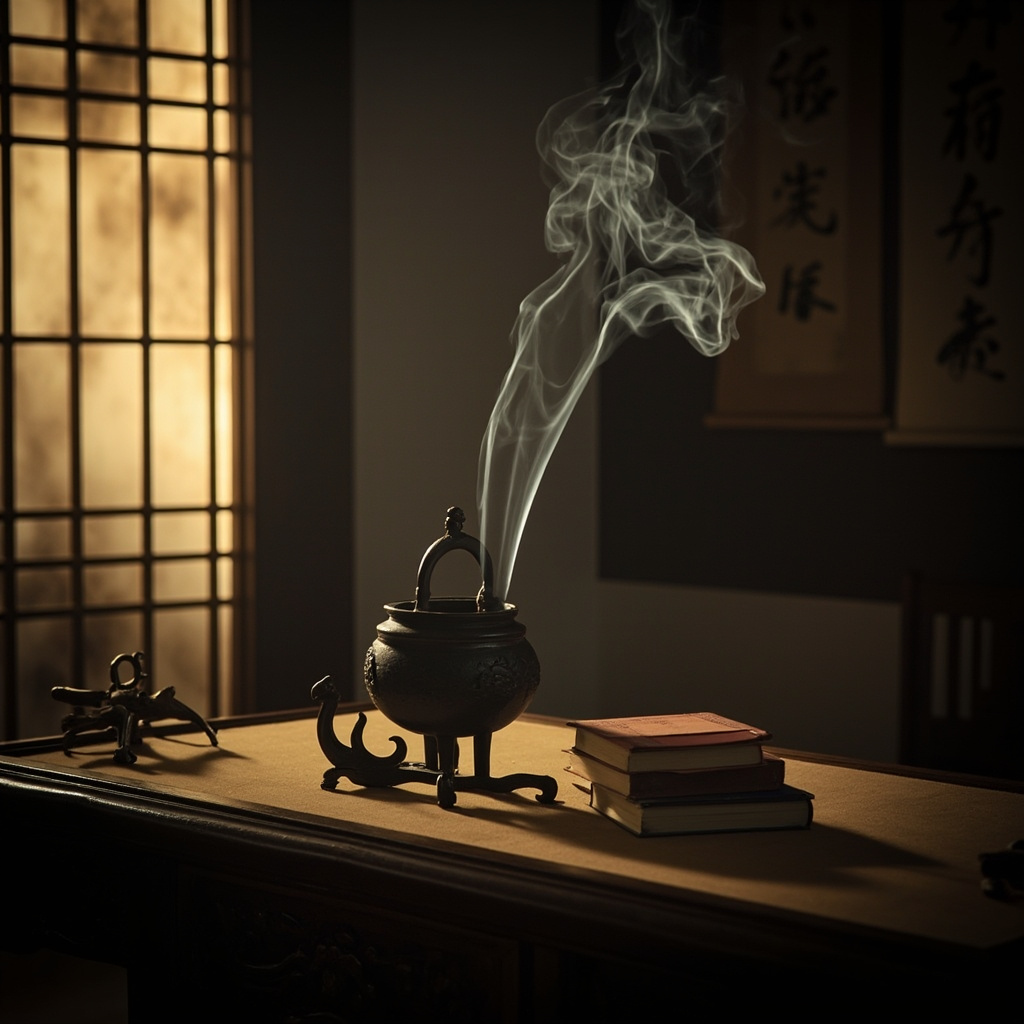
The space where incense is burned matters enormously. Traditional practitioners select quiet, clean spaces—ideally a study, meditation room, or garden pavilion. The environment should support inner stillness.
Etiquette (礼法)
There are proper ways to handle incense materials, light them, and pass incense burners among participants. These protocols reflect respect—for the materials, for fellow practitioners, and for the tradition.
Artistry (香艺)
The technical skills of incense: selecting materials, blending formulas, controlling fire, timing the burn. Mastery comes from years of practice and refinement.
cultivation (修行)
Ultimately, xiangdao is a practice of self-cultivation. The goal is not merely to enjoy pleasant scents but to transform oneself through contact with the aromatic essences of nature.
Xiangdao Through Chinese History
Prehistoric Origins
Archaeological evidence suggests incense was burned in sacred rituals as early as 4000 BCE. The earliest “incense” consisted of simple plant materials placed on fires to create fragrant smoke during worship.
Shang and Zhou Dynasties
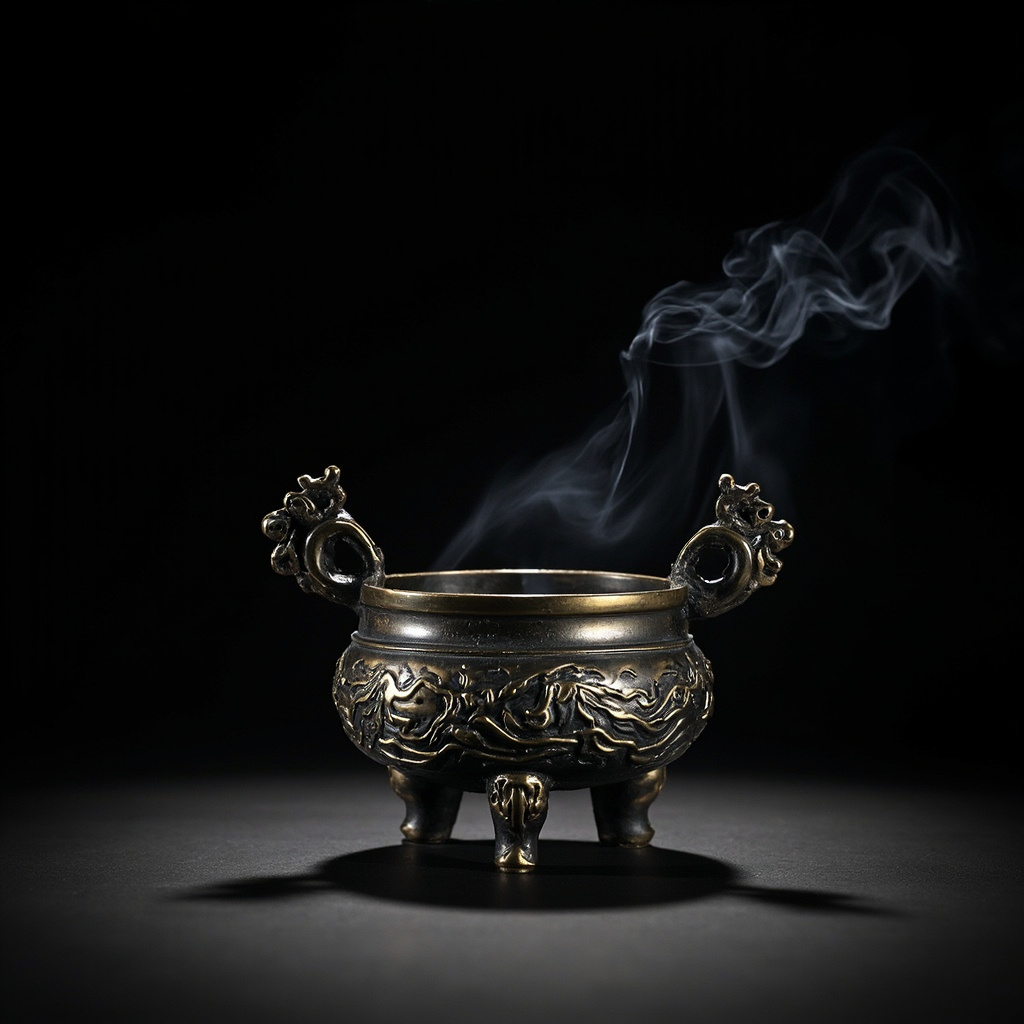
Bronze vessels for burning incense appeared during the Shang Dynasty (1600-1046 BCE). By the Zhou Dynasty, incense had become integral to religious ceremonies and ancestor worship.
Han Dynasty (206 BCE – 220 CE)
The famous Boshanlu (博山炉) mountain-shaped incense burner emerged during the Han Dynasty. Emperor Wu expanded foreign trade along the Silk Road, bringing new aromatic materials into China. Physicians like Hua Tuo created medicinal incense sachets for preventing disease.
Wei-Jin and Tang Dynasties
Buddhism and Taoism flourished, and both incorporated incense into their spiritual practices. The Silk Road brought frankincense, myrrh, and other exotic materials. Incense use spread from court to monasteries.
Song Dynasty (960-1279) – The Golden Age
Xiangdao reached its peak during the Song Dynasty. It became one of the “Four Elegant Arts” (四般闲事) alongside tea tasting, flower arranging, and calligraphy. Scholars like Su Dongpo and Huang Tingjian composed incense formulas and poetry celebrating fragrance.
Ming and Qing Dynasties
The classic text Xiang Cheng (香乘, “The Classic of Fragrance”) was compiled by Zhou Jiayou during the Ming Dynasty, synthesizing centuries of incense knowledge. The ritual of “sitting incense” (坐香) became formalized in scholar communities.
Modern Revival
After decades of decline during Chinas turbulent 20th century, xiangdao is experiencing a renaissance. Young Chinese are rediscovering traditional culture, and international interest in Chinese wellness practices grows.
Practicing Xiangdao Today
You do not need to be Chinese or a scholar to practice xiangdao. The essence is accessible to anyone willing to slow down and engage their senses thoughtfully.
Modern xiangdao practice typically involves:
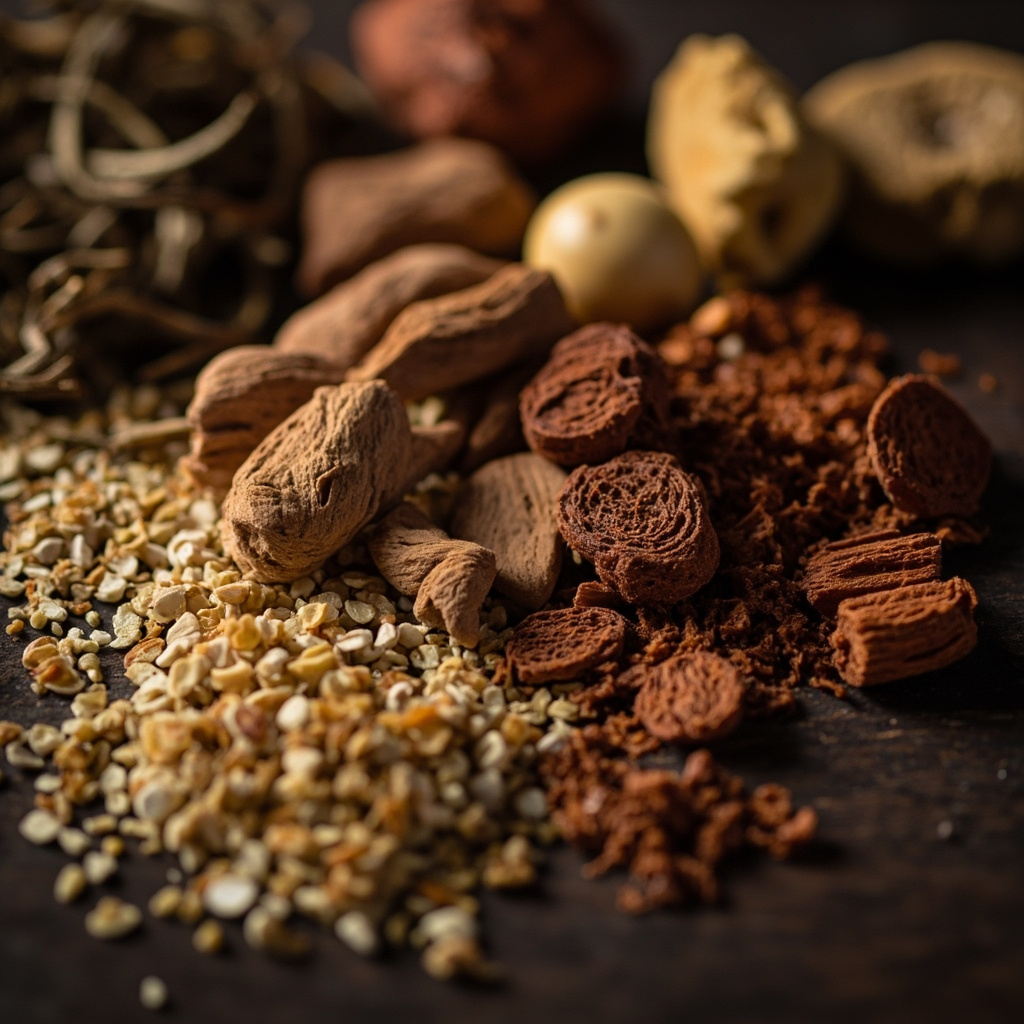
- Selecting natural incense made from pure plant materials
- Creating a calm, uncluttered space for burning
- Focusing attention on the changing qualities of fragrance over time
- Using breathing techniques to deepen the experience
- Reflecting on how the experience affects your state of mind
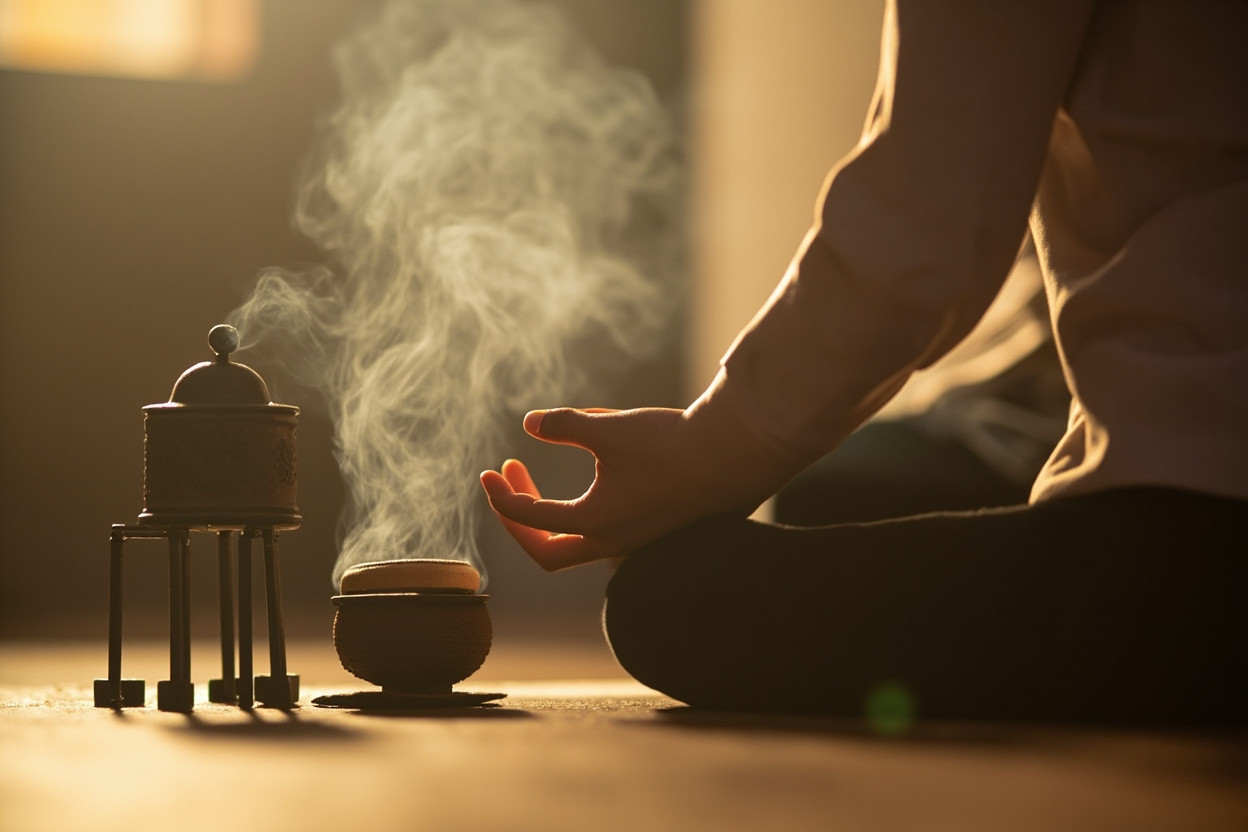
The practice does not require expensive materials or elaborate ceremonies. Even burning a single stick of natural incense while sitting quietly can be a form of xiangdao.
Frequently Asked Questions
What is the difference between Chinese xiangdao and Japanese kodo?
While both traditions share Chinese origins, they developed differently. Japanese kodo (香道) emphasizes identifying fragrances through formal ceremonies with silk incense cords. Chinese xiangdao encompasses a broader range of practices including burning incense sticks, blending formulas, and using incense for health and meditation. Chinese tradition also integrates incense more deeply with other art forms like tea and calligraphy.
Do I need expensive incense to practice xiangdao?
No. While rare materials like premium agarwood (chenxiang) have their place, quality incense made from common natural materials works perfectly well. The practice is about mindful attention, not luxury consumption.
How long does a typical xiangdao session last?
A simple personal session might last 15-30 minutes. Formal group ceremonies can run 1-2 hours. There is no required duration—what matters is the quality of your attention.
Can I practice xiangdao for meditation?
Absolutely. Incense has been used as a meditation aid in China for over two millennia. The changing fragrance helps anchor attention to the present moment, while the smoke itself becomes an object of contemplation.
Related Articles
- The Philosophy of Xiangdao: Understanding Chinese Incense Culture
- The Complete History of Chinese Incense Culture
- The 7-Day Incense Journey for Beginners
Begin Your Xiangdao Journey
Xiangdao offers a path to greater presence, connection with tradition, and appreciation for the simple pleasure of fragrance. Whether you burn incense for a few minutes daily or immerse yourself in the complete art, you are participating in one of humanitys oldest sensory practices.
Start with one natural incense stick, find a quiet moment, and explore what the ancient Chinese masters discovered: that the way of fragrance can transform the way you experience the world.