Autumn arrives, and something shifts. The lung meridian, which the ancient texts associate with this season, begins to call for attention. The dryness in the air, the crispness of the mornings, the way everything seems to contract slightly as the year begins its slow descent toward winter. In classical Chinese wellness practice, autumn is the season of the lung. And the lung, more than any other organ, responds to aromatic intervention.
Seasonal incense practice is not about burning different fragrances simply because the calendar changed. It is about understanding how aromatic compounds interact with seasonal meridian dynamics, and adjusting your practice accordingly. What you burned in summer will not serve you the same way in autumn. The classical texts are clear on this. The formulas change with the seasons because the body needs change with the seasons.
The Autumn-Lung Connection in Classical Texts
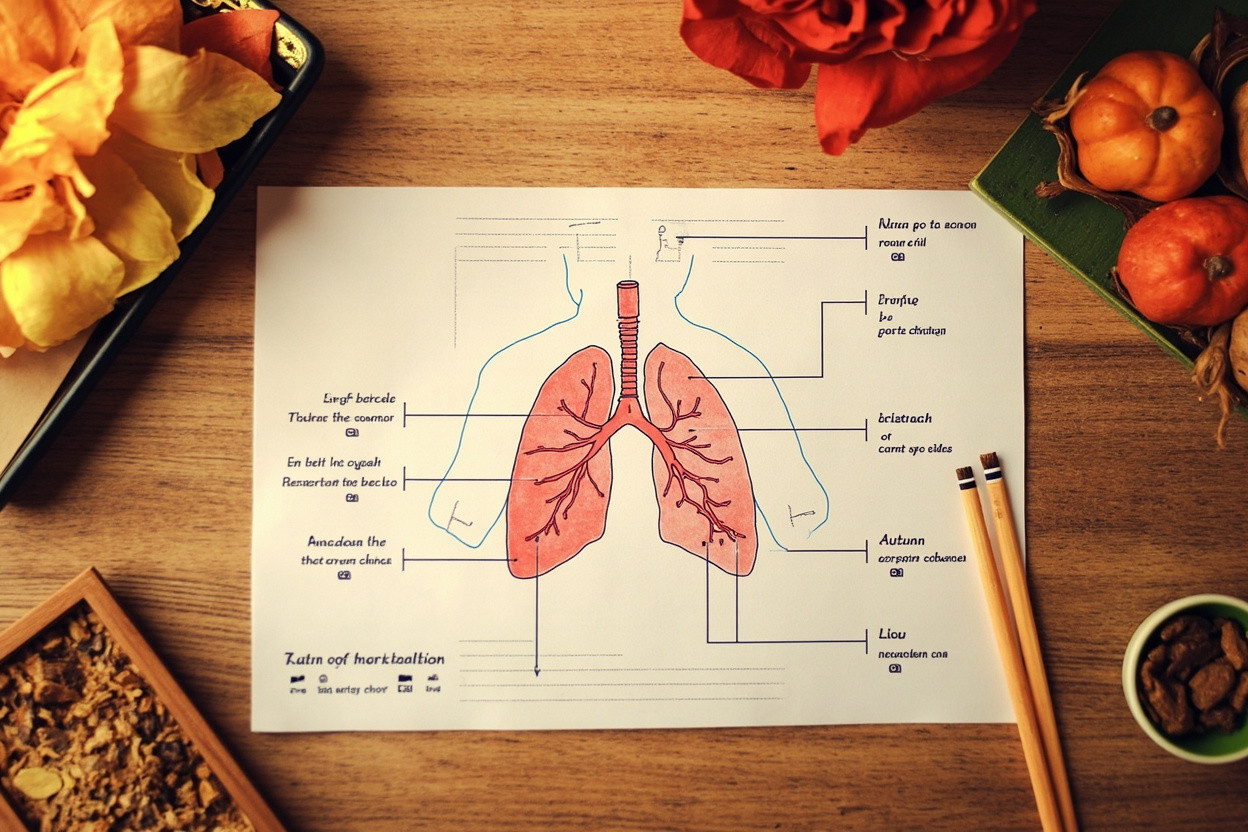
The Huangdi Neijing, in the Suwen section, describes autumn as the season of the lung. 「秋三月,此謂容平,天氣以急,地氣以明。」The lung governs the skin and wei qi, the defensive energy that protects the body from external pathogenic factors. In autumn, this defensive function becomes particularly important as the weather shifts and the body prepares for winter.
Traditional formulas for autumn incense focus on supporting lung function, moistening dryness, and preparing the defensive energy. The aromatics used during this season are selected specifically for these properties.
The Best Herbs for Autumn Incense
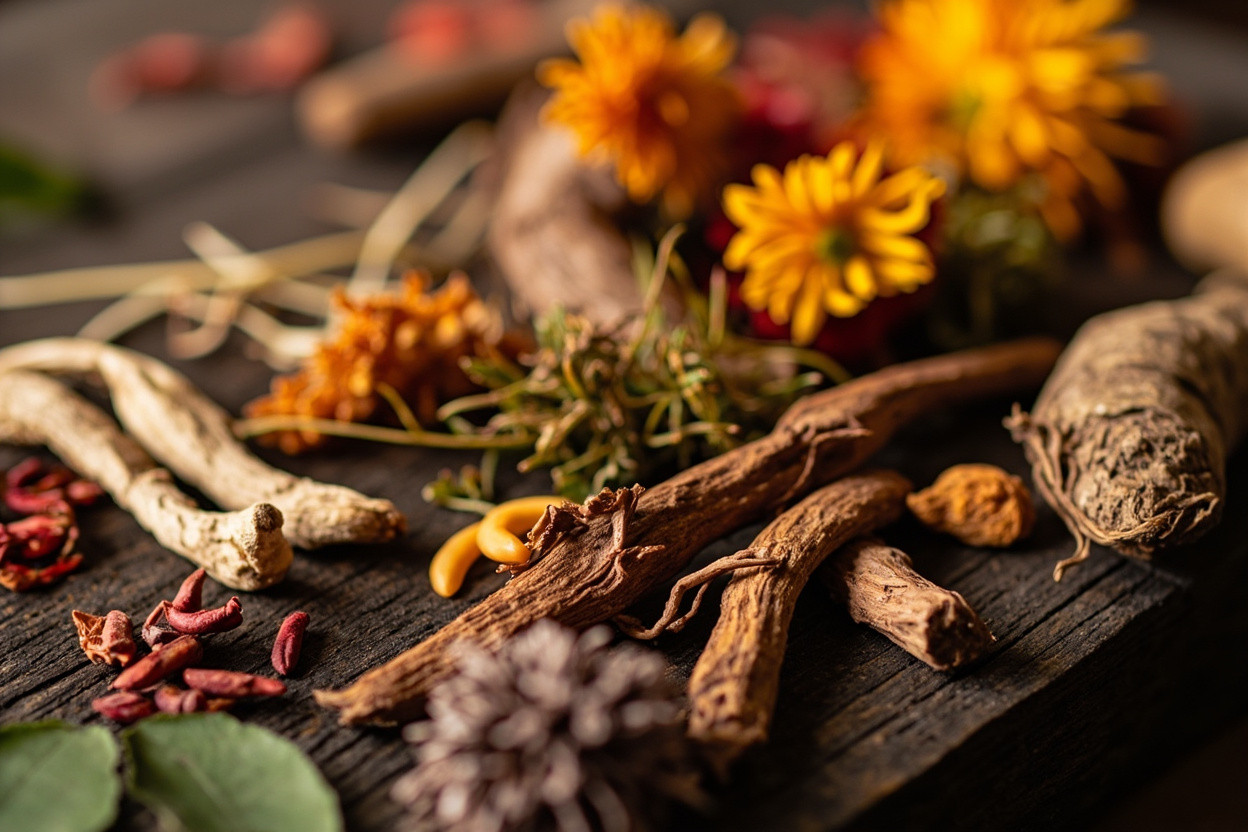
Chrysanthemum (菊花) — The primary autumn incense herb. It clears lung heat, resolves dryness, and calms the spirit. The classic autumn aromatics. Use the white variety for its gentle moistening properties, or yellow chrysanthemum for stronger heat-clearing action if you tend toward autumn dryness symptoms.
Ginseng (人参) — Not commonly burned, but a small amount of high-quality ginseng powder mixed into a base of sandalwood creates an autumn qi-supporting blend. The classical texts mention this combination for late autumn, when the body is preparing for winter storage.
Eucommia Bark (杜仲) — Associated with kidney and liver, eucommia becomes relevant in mid to late autumn as the body begins the transition toward winter kidney energy storage. A small addition to warming blends supports this seasonal transition.
Magnolia Flower (辛夷) — Opens the nasal passages and supports lung qi. Particularly useful during the early autumn, when seasonal allergies or the transition from summer heat can create respiratory sensitivity.
The Autumn Incense Practice

The timing shifts in autumn. The long evenings of summer gave way to early darkness, and your incense practice should adapt. The optimal window shifts to late afternoon and early evening, roughly 4 to 7 PM. This is when lung meridian energy is most active, according to classical organ clock theory.
Duration: 20 to 30 minutes of burning, followed by a quiet period. Autumn is not the season for long, extended sessions. It is the season for focused, intentional practice that supports the transition toward winter introspection.
Ventilation remains important, but autumn ventilation is different from summer. A slightly closed window, allowing some warmth to accumulate while still maintaining air movement, creates the ideal autumn incense environment. The combination of aromatic support and contained warmth serves the lung meridian particularly well.
Building an Autumn Blend
The classical autumn blend begins with a base of sandalwood — approximately 60 percent of the mixture. Add dried chrysanthemum — 25 percent — for its lung-clearing and heat-resolving properties. A small amount of eucommia bark powder — 10 percent — supports the seasonal kidney transition. The remaining 5 percent can be a binding agent that helps the blend burn evenly.
Use 0.3 to 0.4 grams per session. This is slightly less than summer amounts. Autumn is about contraction and consolidation, not expansion. The aromatic environment should be subtle, supportive, not overwhelming.
Frequently Asked Questions
Can I use summer incense blends in autumn?
Not ideally. Summer blends tend toward cooling, expansive properties — lotus, jasmine, other light florals. Autumn requires warming, moistening, lung-supporting properties. Using summer blends in autumn does not support the seasonal transition and can actually create imbalance.
How do I know if my body needs autumn incense support?
Signs of autumn lung imbalance include dry skin, scratchy throat, sensitivity to cold air, lingering summer heat symptoms, and a general sense of the body not quite adapting to the seasonal shift. If you feel these symptoms, autumn incense practice becomes particularly beneficial.
When should I switch to winter incense?
The transition typically occurs around late October to early November, depending on your climate. When you notice the first true cold snaps and your body begins shifting toward winter storage mode, it is time to transition. Winter blends focus on warming the kidney yang and supporting deep storage.
Related Articles
Begin Your Autumn Practice Tonight
Tonight, around 5 PM, when the autumn light is fading and the air is getting that crisp edge: light your autumn blend. 0.3 grams on your electric burner, window slightly cracked, burner pointed away from your face. Sit for 20 minutes. Let the chrysanthemum and sandalwood work with your lung meridian as the season changes. Notice how your body responds differently than it did in summer. Adjust the blend as needed. This is how seasonal practice evolves — with attention, with consistency, with time.