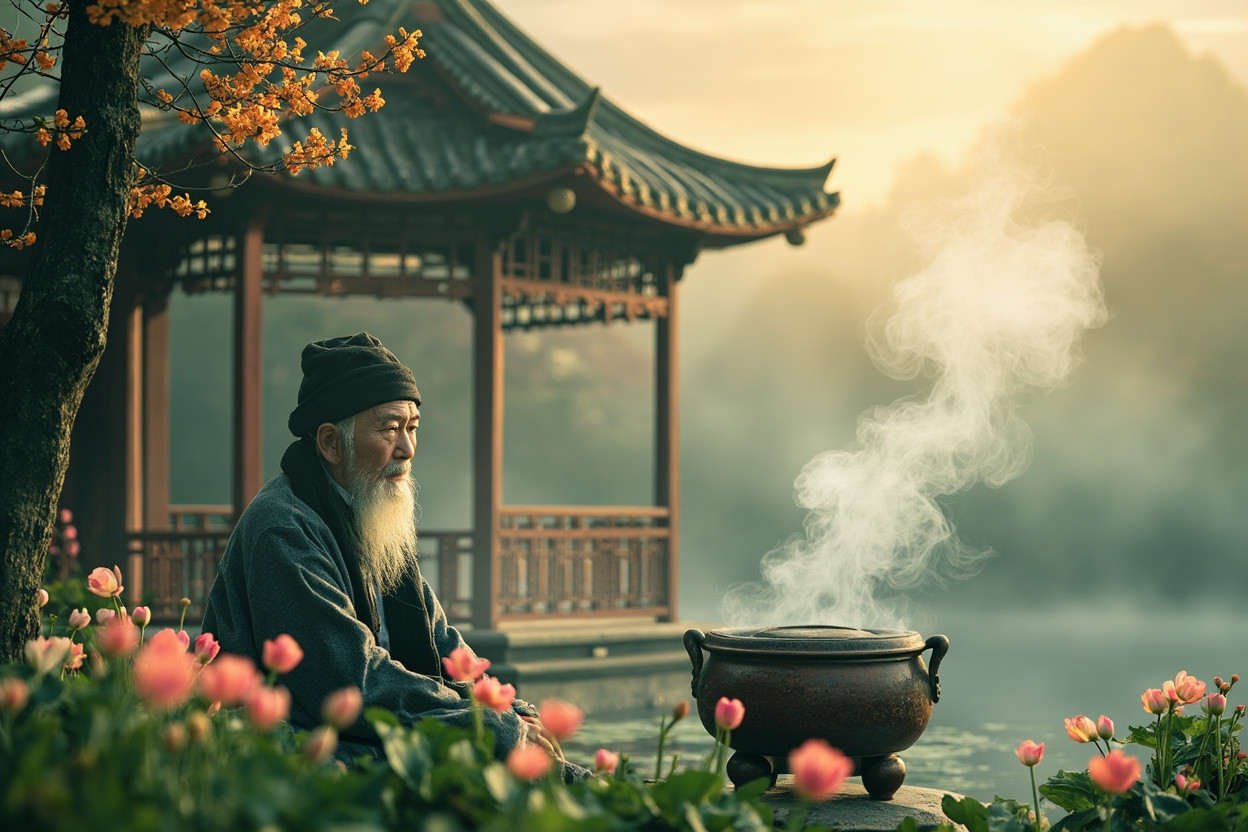
You are not depressed. You are not anxious. You are just… stuck. Something heavy sits in your chest. Your thoughts loop. You cannot shake a low-grade dread that follows you from morning to night. This is what the ancient Chinese called qi yu — qi stagnation. Emotional congestion.
TCM does not separate mood from body. When your qi cannot move, your emotions cannot move with it. The fix is not thinking your way out. It is moving the qi. And one of the oldest, most effective tools for moving qi is incense.
The History: Temple Monks and Imperial Physicians
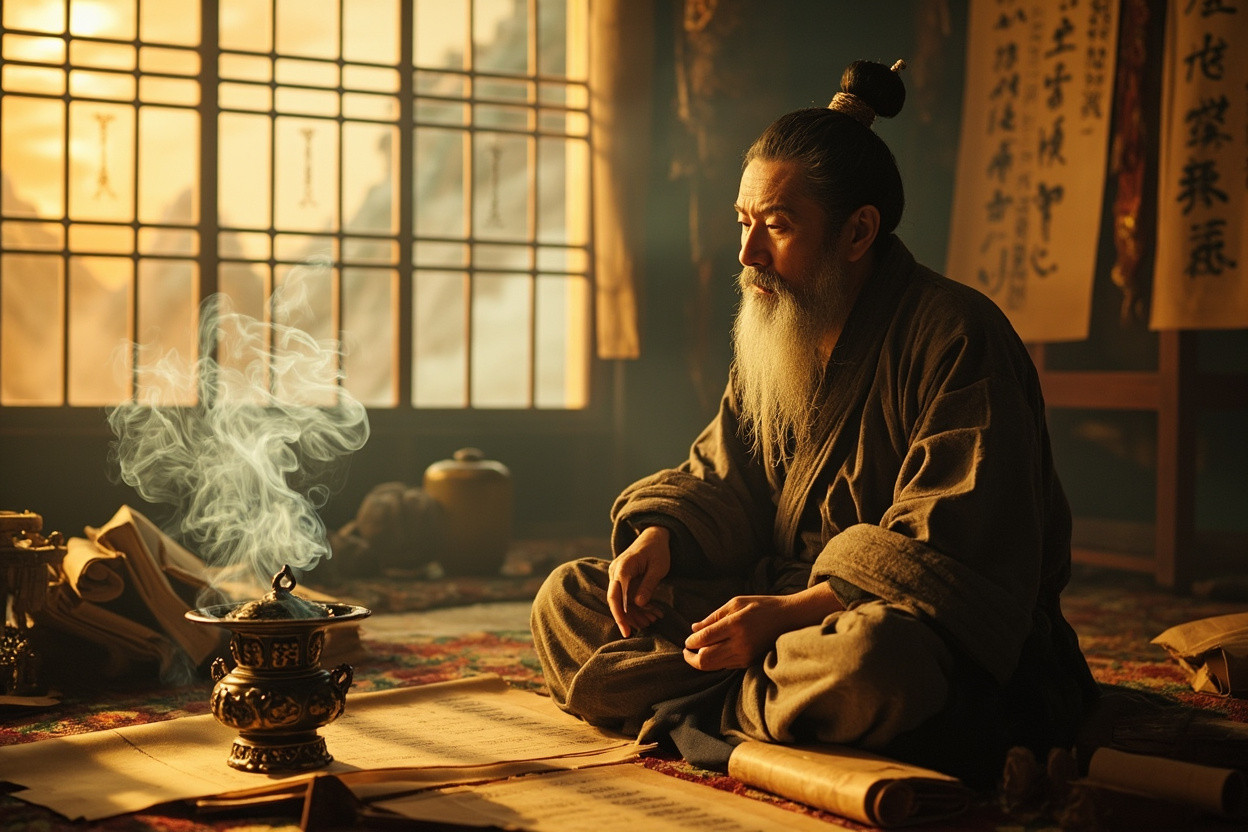
Picture a Buddhist monastery in Tang dynasty China. The monks have been sitting in meditation for hours. Some are restless. Some are sinking into dullness. A senior monk walks between the rows with a small bronze censer. The smoke rises. The air shifts. Gradually, the room settles.
This was not coincidence. Buddhist and Taoist practitioners had long understood that certain aromas affect mental states. Sandalwood calmed the mind. Agarwood opened压抑 (compression). Turmeric flower dispelled irritability.
In the imperial courts, physicians treating emotional disorders faced a harder problem. Royal patients could not simply sit in meditation. They needed formulas they could administer — and incense was among the preferred vehicles. The smoke carried medicinal properties into the lungs, which in TCM theory connected directly to the shen (spirit) housed in the heart.
「沉香,禀阳气以生,兼得雨露之精,故其气芬芳。性微温,治冷气、逆气、气郁、气结殊效。」The Bencao Gangmu describes agarwood with clinical precision: it regulates qi, moves stagnation, and is particularly effective for qi depression and energy blockages.
Classical Texts: What the Formulas Actually Say
The classic mood-regulating incense formula combines three categories of action:
Primary: Agarwood (沉香) — 「气郁、气结殊效」. Agarwood is the foundation. It does not just smell good — it directly moves stagnant qi, particularly in the chest and heart region. Its deep, resinous aroma has a grounding quality that counteracts the upward rushing of anxious energy.
Supporting: Turmeric Root (郁金) — In the traditional formula 「郁金香花、熟沉香、苏合香、茱萸子、干姜、蜂蜜」, turmeric flower (yujin) clears heat from the liver, the organ most associated with emotional regulation in TCM. It addresses the frustration and irritability that accompany qi stagnation.
Adjunct: Dragon Blood Resin (血竭) — This resin has a moving, penetrating quality that helps the other ingredients work faster. A small amount — 5-10% — amplifies the overall effect.
The Formula: Materials and Proportions
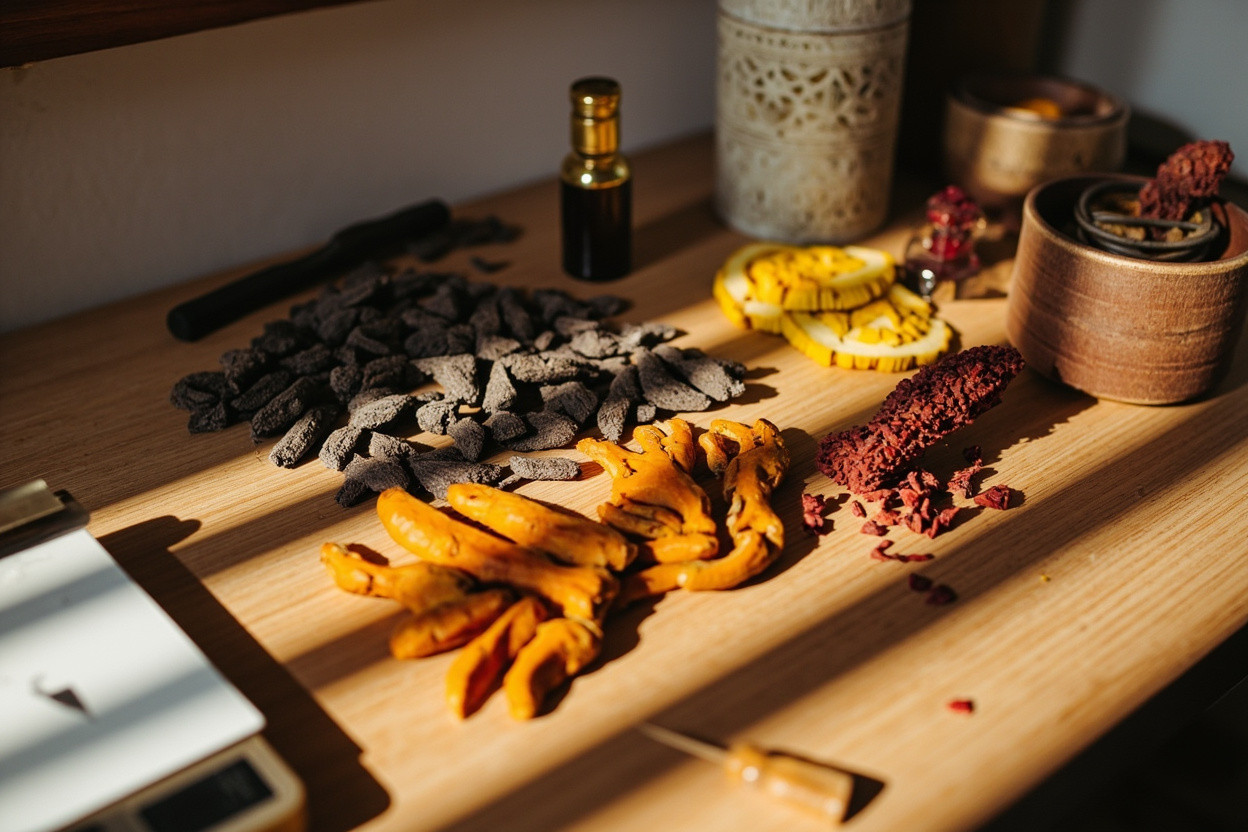
A classic mood-regulating blend follows this structure:
Foundation: Aged Agarwood (熟沉香) — 50%
This is non-negotiable. The qi-moving properties come primarily from agarwood. Use the best quality you can afford — the difference between low-grade and high-grade agarwood is significant for therapeutic effect.
Clearing: Turmeric Root Powder (郁金粉) — 25%
This addresses liver heat and emotional irritation. The golden color of turmeric corresponds to the liver meridian in TCM five-element theory.
Penetrating: Dragon Blood Resin (血竭) — 10%
A small amount goes a long way. This resin is intensely aromatic and helps the blend penetrate quickly.
Harmonizing: Storax (苏合香) — 15%
This sweet, warm resin harmonizes the blend and adds emotional comfort — a subtle but important counterpoint to the sharper penetrating herbs.
The total weight for a basic batch: 30-40 grams. This will give you several months of regular burning.
Modern Preparation: Making This at Home

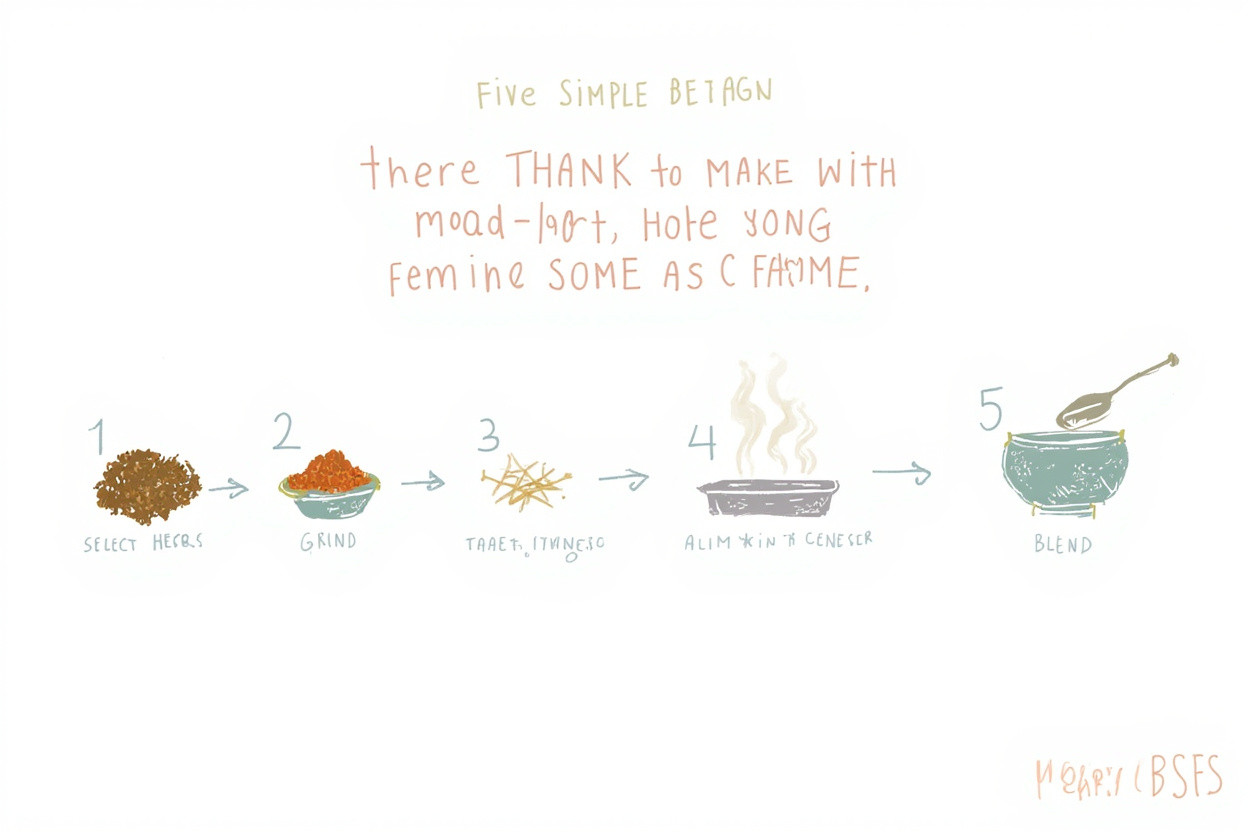
You can make this blend in your kitchen. No pharmacy required.
Step 1: Source your materials
Agarwood chips: specialty TCM shops or online. Look for “aged” or “cured” varieties. Avoid anything marketed purely as “incense sticks” — you want the raw wood/resin, not pre-made sticks.
Turmeric powder: good quality from any spice shop or online. Organic preferred — you are burning this, not cooking with it.
Dragon blood resin and storax: specialty suppliers. A little goes far. 5-10 grams each is enough for multiple batches.
Step 2: Grind and measure
Grind agarwood chips to a coarse powder. Do not make it fine — you want some texture for slower burning. Grind dragon blood resin separately (it is very sticky). Mix turmeric powder with the resin powder first to prevent clumping.
Weigh your portions. Accuracy matters here more than in cooking.
Step 3: Blend and mature
Combine all ingredients in a glass jar. Shake vigorously. Let it sit for 3-5 days. The aromas will blend and mellow. This maturation step is not optional — it significantly improves the final product.
Step 4: Burn properly
Use an indirect burner. Place a small amount (0.3-0.5 grams) on the heating surface. Keep heat low. You want gentle, fragrant smoke — not thick white clouds. Burning time: 20-30 minutes. Best experienced in a quiet room with eyes closed.
Frequently Asked Questions
When is the best time to burn mood incense?
Late afternoon or early evening works best for most people. Burning in the morning can be helpful if you wake up with heaviness or dread. Avoid burning right before important mental work — the introspective quality of the incense can make focused concentration harder. Think of it as emotional reset, not mental stimulation.
How is this different from regular incense?
Regular incense is designed to smell pleasant. Mood incense is designed to move qi and shift emotional states. The herbs used have specific therapeutic properties documented in classical TCM texts. If you are just burning for ambiance, any quality incense works. If you want emotional effect, the formula matters — and so does the quality of raw materials.
Can I just burn one herb instead of the full formula?
Yes, but the effect will be weaker and narrower. Burning agarwood alone will move qi and provide some emotional relief. The full formula addresses the problem from multiple angles simultaneously — moving stagnant qi, clearing liver heat, penetrating emotional congestion, and harmonizing the whole system. One herb works on one channel. The formula works on the whole pattern.
Related Articles
- Incense Wellness: 1000 Years of Eastern Health Wisdom
- Dampness Dispelling Incense: Ancient TCM Formula
- Seasonal Incense: Scenting Each Season of Your Life
Your Qi Has Been Stuck Before
You know the feeling. Something you cannot name sits in your chest. You try to think your way through it and end up in circles. This is not a thinking problem. It is a moving problem. Get the herbs. Make the blend. Burn it in a quiet room tonight. Give your qi permission to move. The emotions will follow.