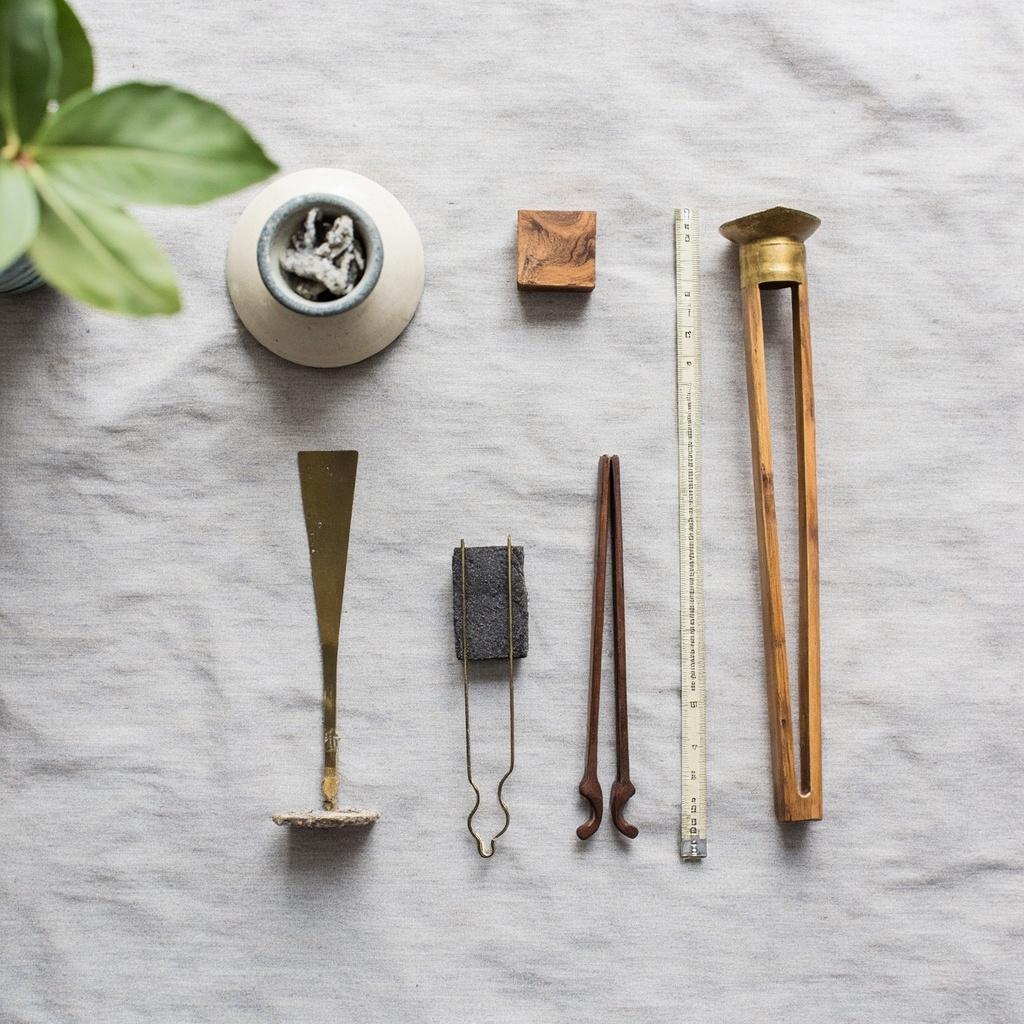
Walking into an incense shop or scrolling through an online catalog for the first time can feel overwhelming. There are burners made of a dozen materials, tools with names you have never heard, and price tags ranging from $5 to $500. This guide cuts through all of that. By the time you finish reading, you will know exactly what to look for, what to skip, and how to match your budget to the right tools.
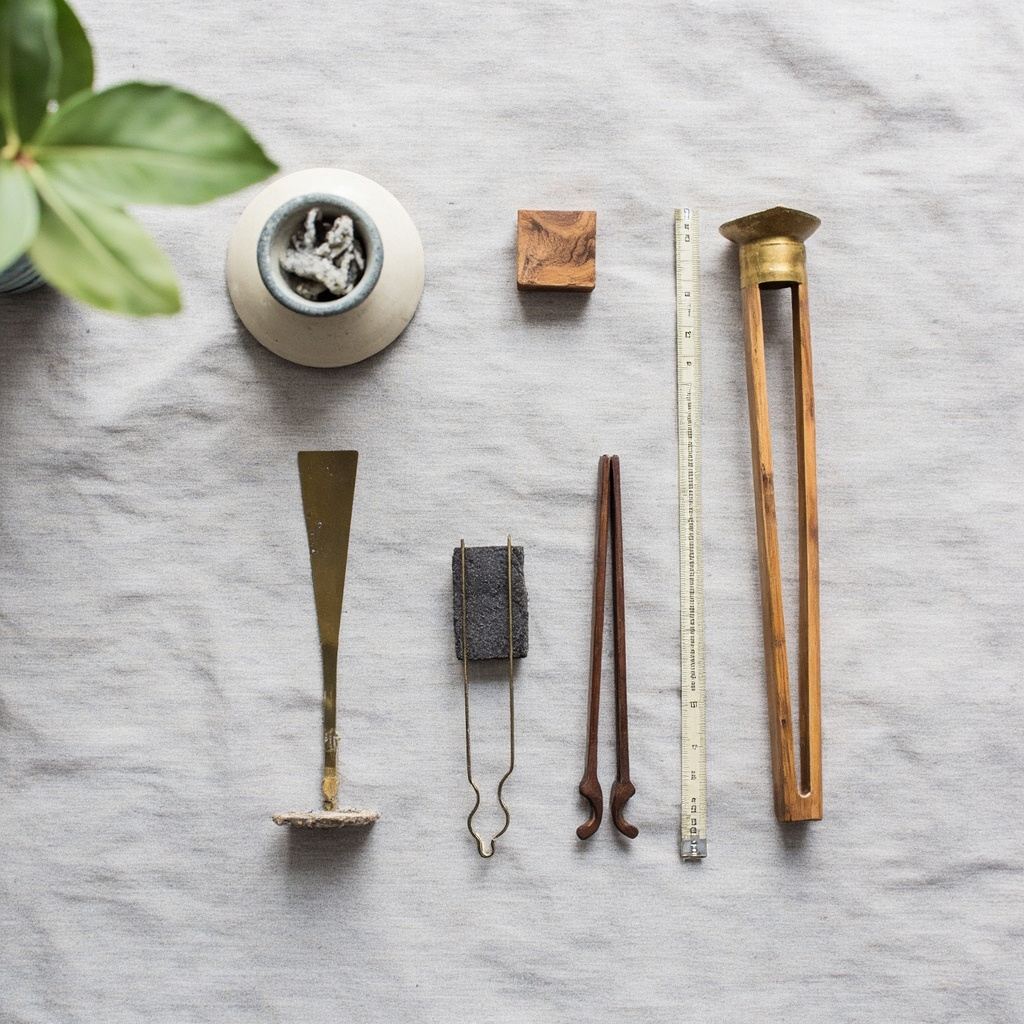
What to Look for When Buying Incense Tools
Before you spend a single dollar, understand what actually matters. These are the five factors that determine whether an incense tool is worth buying:
1. Material Quality
The material determines how the tool performs under heat, how long it lasts, and whether it affects the smell of your incense. Here is a quick breakdown:
- Ceramic — Good heat insulation, does not react with incense, affordable. Best for beginners and casual users. Look for high-fired ceramic with a thick base.
- Brass and copper — Excellent heat conductivity, durable, develops a patina over time. Mid to premium range. Avoid thin-gauge brass (under 2mm) as it dents easily.
- Cast iron — Extremely durable, retains heat well, heavy. Good for frequent use but can crack if exposed to sudden temperature changes.
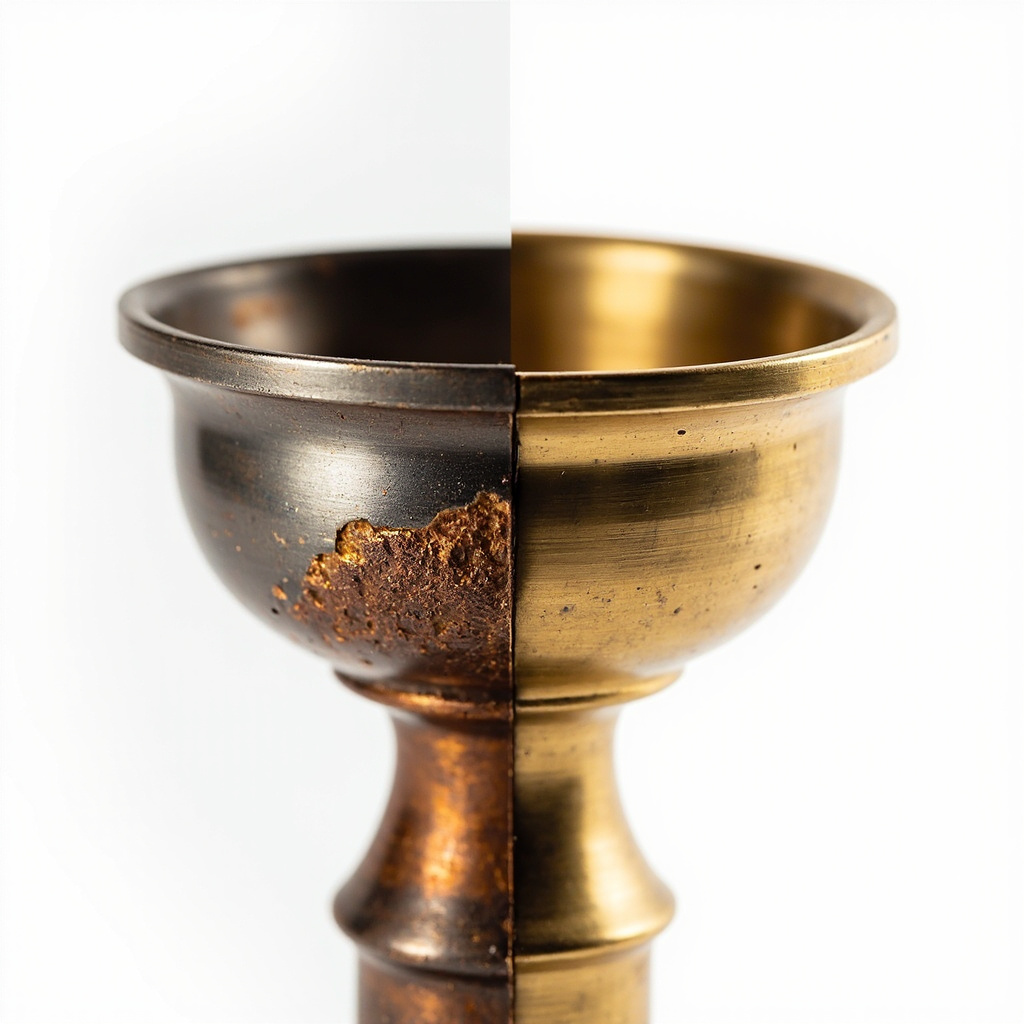
- Bronze — Premium material with excellent heat properties and beautiful aging characteristics. Found in $150+ items. Make sure it is genuine cast bronze, not bronze-plated steel.
- Bamboo and wood — Used for ancillary tools like tongs, boxes, and trays. Check for sealed finishes that prevent moisture absorption.
2. Heat Resistance
This is the most overlooked factor. Cheap metal burners crack after a few uses because they cannot handle sustained direct flame. Quality burners use materials rated for continuous heat exposure.
How to test before buying: If you can, hold the burner up to light. You should not see any thin spots or bubbles in the metal. For online purchases, check the weight—heavier items generally mean thicker, more heat-resistant material.
3. Intended Use
Ask yourself: what kind of incense will I actually burn? This determines what tools you need:
- Stick incense only — A simple disk holder or bowl is all you need. Spending more here is pointless.
- Charcoal-based incense (cones, resins) — You need a burner that can handle sustained direct heat: brass, copper, or cast iron. Ceramic works but cracks faster with heavy use.
- Kodo (Japanese incense appreciation) — You need a specific setup: a mizusashi (water container), a charcoal holder, and a tray. Budget $200+ for a proper entry-level set.
- Tibetan-style burning — You need a deep bowl burner that can contain loose incense and charcoal mixes.
4. Size and Proportions
A burner that looks beautiful on a shelf but is too small for your incense is useless. Check these dimensions before buying:
- Bowl depth — Deep enough to contain ash and charcoal without overflow
- Hole diameter — For stick holders, make sure it fits your stick thickness (standard is 3–4mm, but some premium sticks are thicker)
- Base width — Wider base = more stable. Especially important if you have pets or children
5. Aesthetics vs Function
There is nothing wrong with wanting tools that look beautiful. But understand the trade-off: highly decorative burners sometimes sacrifice function for form. Look for:
- Smooth interior surfaces that make cleaning easy
- Proper airflow holes (some decorative burners trap heat and cause uneven burning)
- Stable weight distribution, not just a wide base
「器具选购建议:初学者从基础套装开始,包括香炉、香箸、香匙、灰压;进阶者根据主攻方向选择专业器具;收藏者关注材质、工艺、年代和出处;日常用注重实用性,材质安全无异味。」
— 《香道器具图鉴》
Product Recommendations by Tier
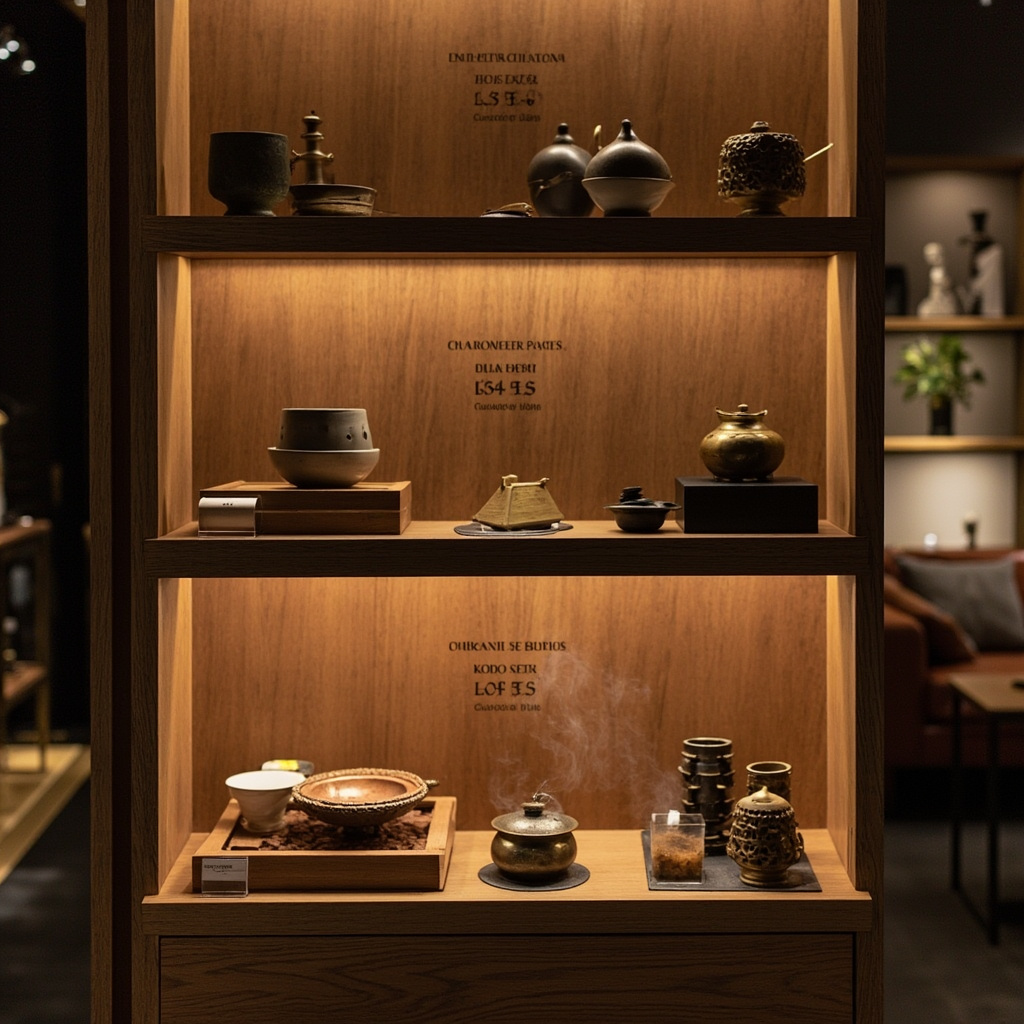
Under $30 — Functional Basics
These options work well and will not let you down. They are not luxury items, but they do the job.
Gonesh Self-Lighting Charcoal ($8–$12): If you burn anything other than straight stick incense, you need good charcoal. Gonesh is the standard—self-lighting, neutral smell, 40–50 minute burn time per disc. A 72-bag lasts most people 2 months of daily use.
Ceramic Disk Holder ($10–$18): Simple, heat-resistant, comes in various glazes. Works for stick incense. No frills, but reliable. Look for one with a recessed center that catches ash.
Budget Brass Tongs ($8–$12): You need these to handle hot charcoal. Skip the cheapest thin-gauge versions—they bend easily. Look for riveted joints, not glued.
$30–$100 — Daily Driver Territory
This is where serious practitioners live. Tools here are built to last years with proper care.
Shoyeido Brass Charcoal Holder ($35–$55): Genuine brass with even heat distribution. The Sanju-rokudai line is versatile enough for both stick and cone incense. The weight alone tells you this is quality—these are not hollow.
Kagura Bell USA Lotus Brass Burner ($45–$75): Solid brass with a lotus base design. The lid doubles as an ash catcher, which makes cleanup easier. Holds both sticks and cones. Suitable as a main burner for daily practice.
Celadon Glow Ceramic Set ($50–$80): If aesthetics matter to you and you want an Instagram-ready setup, this handmade celadon ceramic set includes burner, ash spoon, and picker. Each piece varies slightly—this is a feature, not a bug.
$100+ — Collector and Professional Grade
These tools are built for people who have moved beyond experimentation and know exactly what they want.
Tatemachi Bronze Burner ($180–$250): Cast bronze from a Kyoto studio established in 1880. Each is numbered with a certificate. The patina deepens with age, making these genuinely better-looking as they get older. This is a purchase you pass down.
Gyokushodo Kodo Set ($300–$450): If you want to practice Japanese kodo properly, this is the entry point. Includes tray, water container, ash container, and tongs. Buying the set versus individual pieces saves you roughly 30%.
Tibetan Hand-Hammered Copper ($120–$160): Traditional mandala-engraved design used in Tibetan Buddhist practice. Known for producing a distinctive resonant sound as incense burns. Requires careful sourcing—buy from verified dealers to avoid thin-copper fakes.
Red Flags: What to Avoid
These warning signs mean you should put the item back on the shelf:
- Extremely low price for “brass” or “bronze” — If a burner claims to be solid brass and costs $15, it is plated steel. It will flake, rust, and crack.
- No weight listed — Quality metal burners are heavy. If a seller does not list weight, they are hiding how light it is.
- Strong chemical smell when heated — This means cheap coatings or adhesives. Test with a single charcoal before committing to regular use.
- Superficial “antiquing” — Some cheap burners are dipped in acid to create a fake patina. This rubs off on your hands and produces unpleasant fumes when heated.
- Inconsistent hole sizes in multi-stick holders — Indicates poor quality control. The stick will not sit level and can fall over.
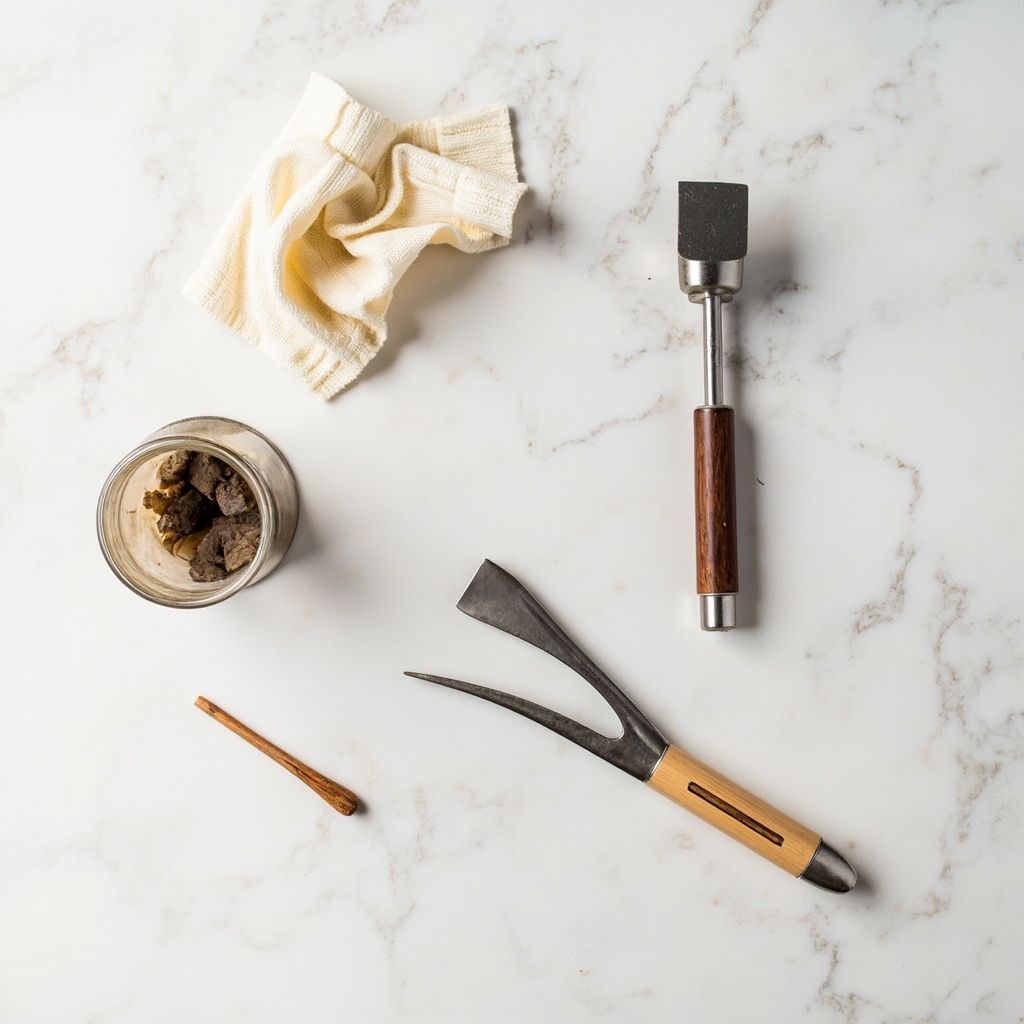
Care and Maintenance
Even the best tools fail without proper care. Here is how to make your purchase last:
- Clean ash after every 5–10 burns — Use a soft brush, not water. Ash absorbs moisture and can degrade metal if left sitting.
- Never use soap on brass or copper — Soap strips the natural patina and can leave residue that affects smell. Use a dry or barely damp cloth.
- Store charcoal in airtight containers — Moisture is the #1 cause of charcoal that will not light or burns unevenly.
- Polish brass quarterly, copper monthly — Use a product designed for the specific metal. Avoid abrasive scrubs.
- Season new ceramic burners — Run a few charcoal discs through it before your first premium incense session. This burns off any residual factory residues.
Frequently Asked Questions
Q: Can I use a regular candle holder as an incense burner?
A: Not recommended. Candle holders are not designed for the sustained direct heat of charcoal or the residue from incense. The heat can crack or warp materials not rated for it.
Q: How do I know if a burner is the right size for my space?
A: For a desk or bedside table, a compact burner (under 4 inches wide) works best. For a larger room or altar, go bigger. A small burner in a large room means you barely smell anything.
Q: Is it worth buying expensive tools if I am just starting?
A: No. Start with a $15–20 ceramic holder and a bag of Gonesh charcoal. You will learn what matters to you through actual use. Premium tools are a better investment once you know what you actually need.
Q: Where is the best place to buy premium tools?
A: For Japanese brands (Shoyeido, Gyokushodo, Tatemachi), buy from authorized dealers or directly from the brand. For Tibetan-style burners, specialty import shops or verified Etsy sellers are your best bet. Avoid Amazon for anything over $50—fakes are common.
Q: Do I need a special tool for every type of incense?
A: Not exactly. A good brass or ceramic burner handles most types. What changes is the accessory setup: loose incense and resins need a bowl-type burner and charcoal, while stick incense needs only a holder. Kodo has its own specialized tools that serve no other purpose.
The Bottom Line
Spend money where it matters: good charcoal and a solid burner that handles heat well. Skip the decorative spending until you know your practice well enough to know what aesthetic you actually want to live with.
Start simple. Use what you have. Upgrade when you hit a specific limitation—not because a more expensive tool exists.