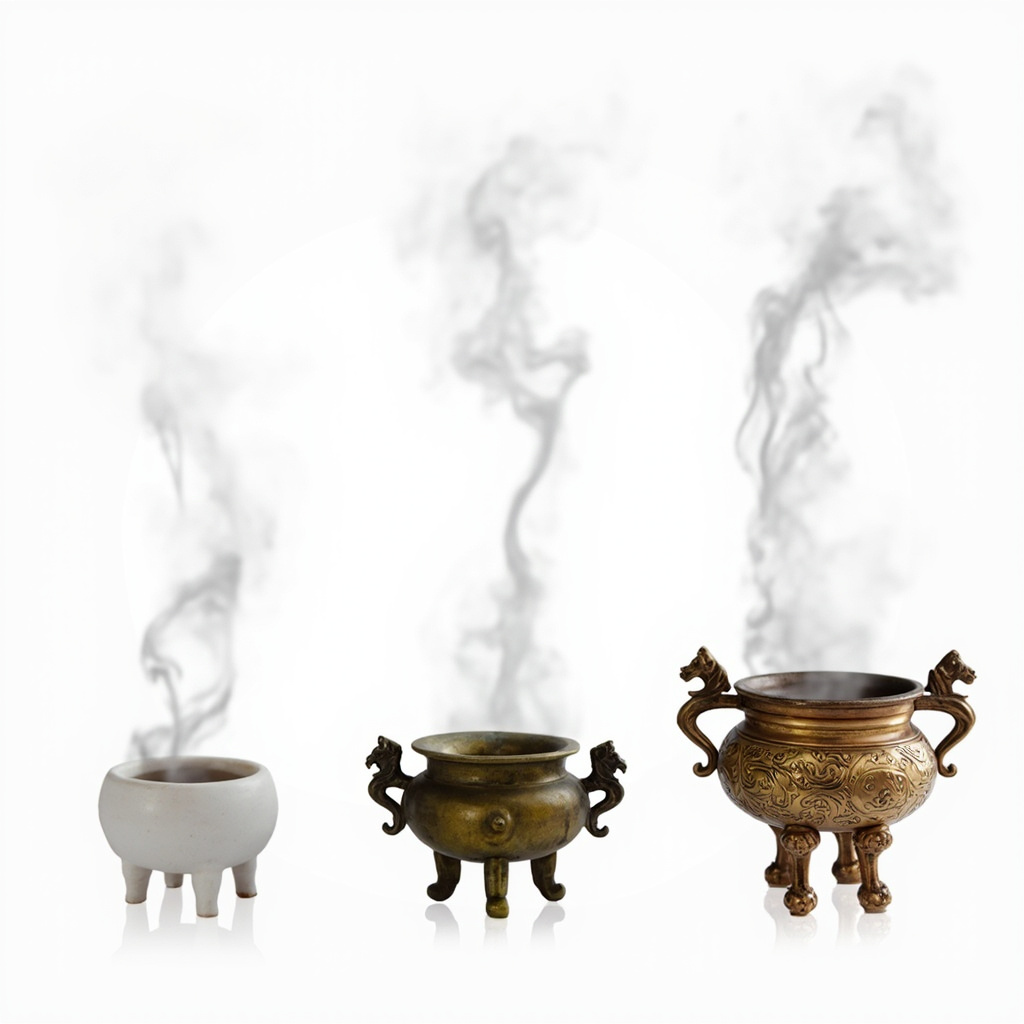
Starting your incense journey means choosing the right tools. But with so many brands on the market, how do you separate quality from noise? In this guide, we cut through the clutter and bring you brands that deliver real value—whether you are spending $20 or $500.
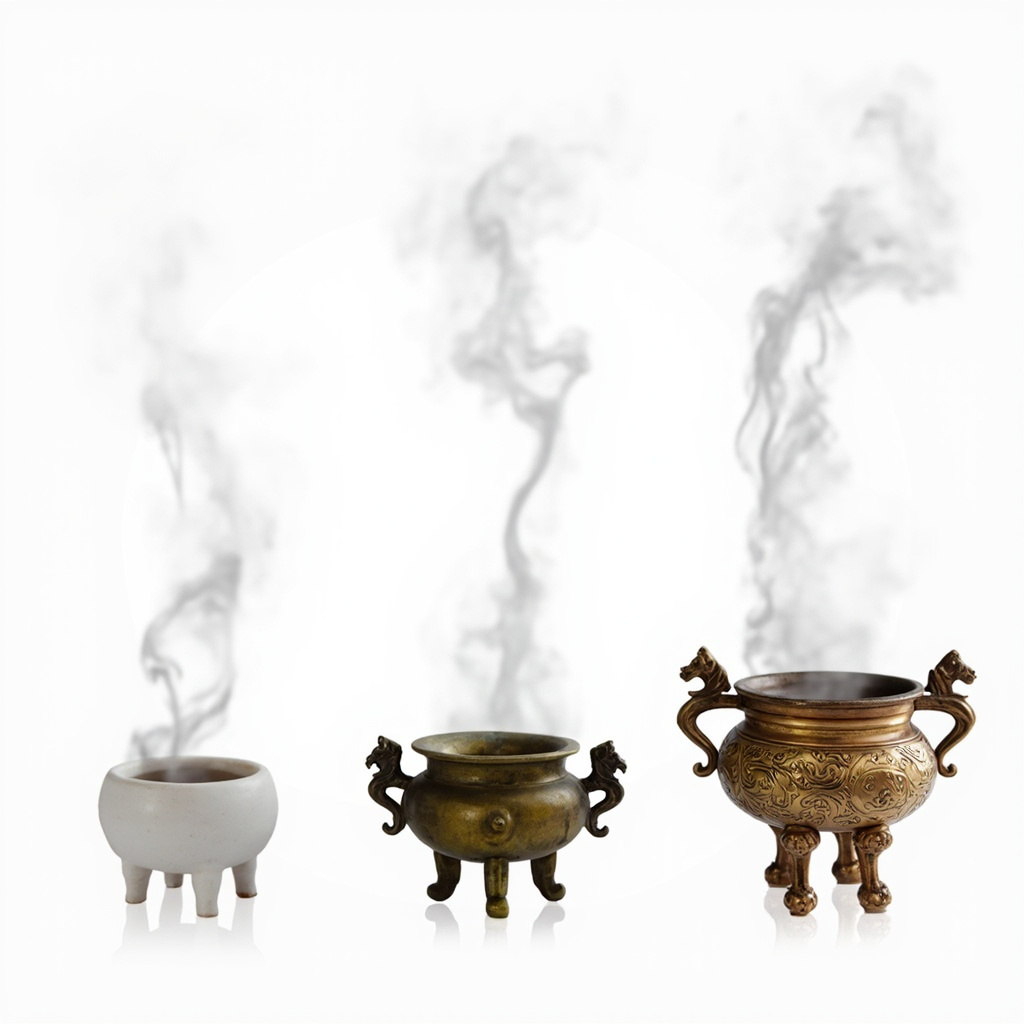
What Makes a Great Incense Tools Brand?
Before we get into specific names, let us talk about what actually matters when evaluating incense tool brands:
- Material authenticity — Does the brand use real copper, brass, or ceramic, or are they peddling hollow metal with a coating?
- Heat resistance — Cheap metals crack under direct flame. Quality brands use materials that handle sustained heat.
- Craftsmanship — Look for even welds, smooth edges, and consistent weight distribution.
- Customer reviews — Real-world durability reports beat any marketing claim.
「香道器具以铜制、陶瓷为主,造型古朴,质地厚实者为上。」
— 《香道器具图鉴》
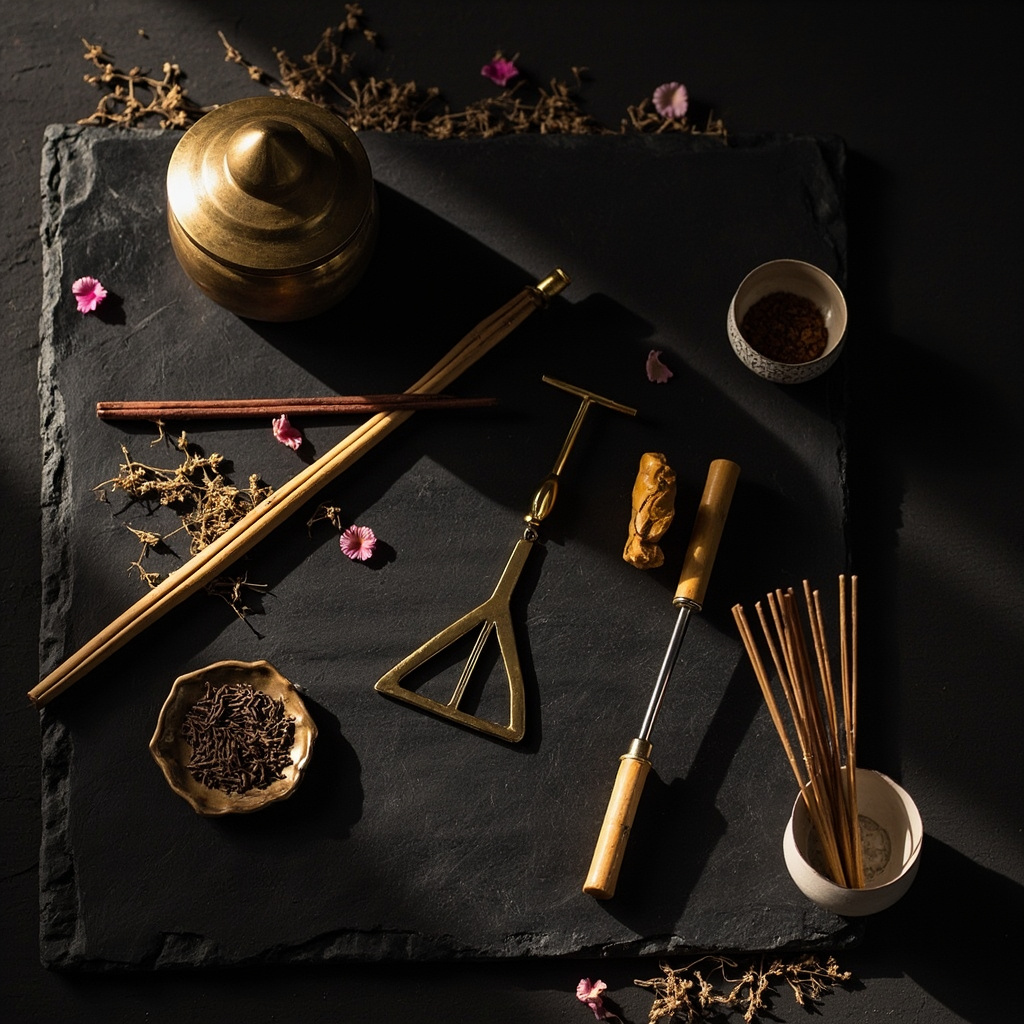
Budget Picks: Under $30
If you are just starting out, you do not need to spend a lot to get something functional. Here are the best budget-friendly options:
1. Gonesh Charcoal Briquettes
Price: $8–$12 for a 72-piece bag
Why we like it: Gonesh is the standard for self-lighting charcoal in North America. Each disc lights itself and burns for 40–50 minutes. The smell is neutral, meaning it does not compete with your incense. Great for beginners who want fool-proof burning.
Watch out: Some batches have inconsistent sizing. Buy from reputable retailers to avoid fakes.
2. Z立ち[gonesh] Incense Holders (Generic Ceramic)
Price: $10–$18
Why we like it: Simple ceramic disk holders with a central indentation keep your stick upright. They are heat-resistant, easy to clean, and come in various glaze colors. Perfect for desk or bedside use.
Watch out: The holes can be too narrow for thicker sticks. Check diameter before buying.
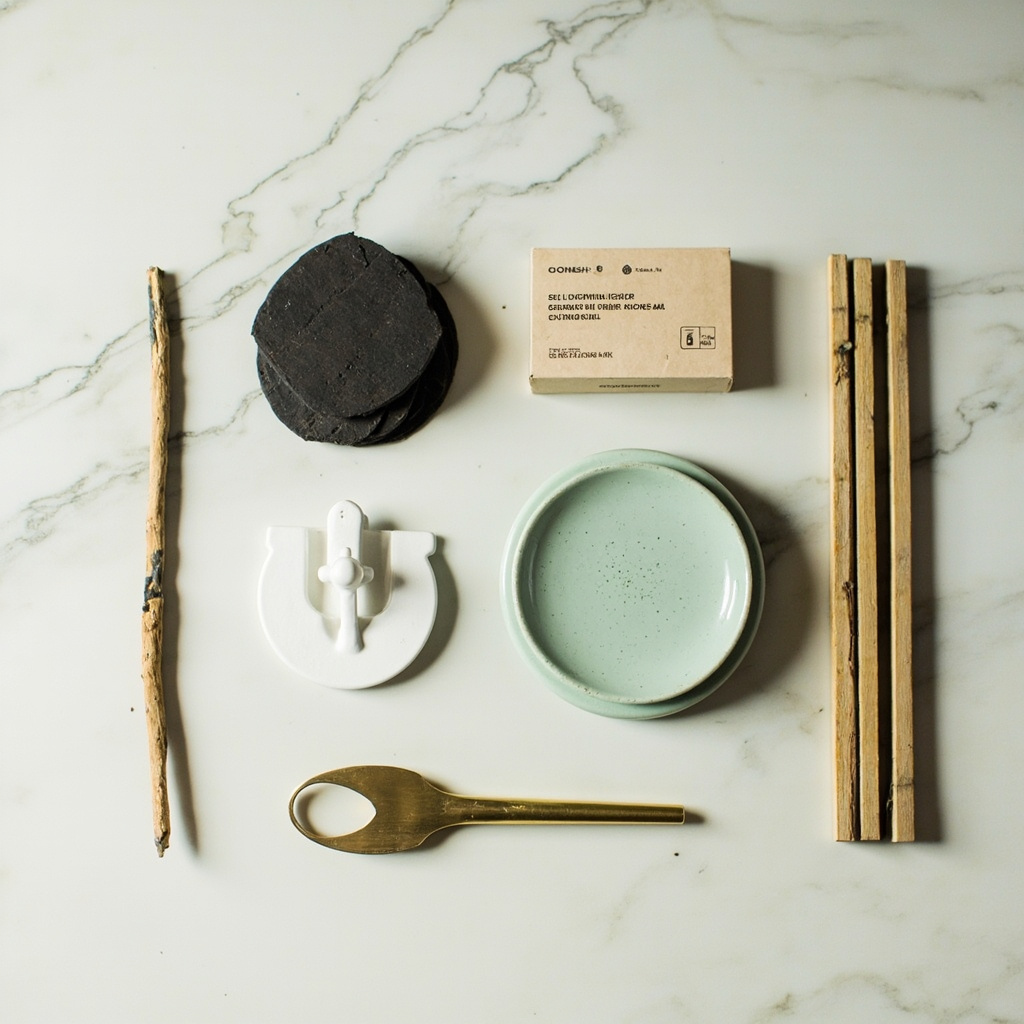
Mid-Range Picks: $30–$100
This is where you start getting into tools that serious practitioners actually use daily.
1. Shoyeido Charcoal Holders
Price: $35–$55
Brand background: Shoyeido is one of Japan’s oldest incense houses (over 300 years), and their tool line reflects that heritage. Their charcoal holders are brass and copper alloys that distribute heat evenly.
What you get: The Sanju-rokudai collection includes a variety of sizes for both cone and stick incense. Each piece has a distinctive Japanese aesthetic that looks good in any room.
Customer verdict: 4.6/5 on major platforms. Users praise the even heat distribution and the elegant design.
2. Kagura Bell USA Brass Burner
Price: $45–$75
Why we like it: Solid brass construction with a lotus-shaped base. The lid doubles as an ash catcher, and the interior can hold both stick and cone incense. At this price, you are getting genuine brass, not plated steel.
Watch out: Heavier than it looks. Make sure your surface can handle the weight (approximately 600g).
3. Celadon Glow Ceramic Burner Set
Price: $50–$80
Why we like it: Handmade celadon ceramic with a bamboo charcoal tray. The set includes a matching ash spoon and picker. Perfect for users who want an aesthetic, Instagram-ready setup without breaking $100.
Watch out: Each piece varies slightly due to the handmade process. Do not expect perfection—expect character.
Premium Picks: $100+
For collectors and serious practitioners, these are the tools that last generations.
1. Tatemachi Bronze Incense Burner
Price: $180–$250
Brand background: Tatemachi is a specialist metalwork studio in Kyoto that has been producing Buddhist and Shinto ceremonial tools since 1880. Their burners are cast bronze with patina finishes that deepen over time.
What sets them apart: Each piece is numbered and comes with a certificate of authenticity. The craftsmanship is on par with museum-quality items.
2. Gyokushodo Kodo Grade Incense Tools Set
Price: $300–$450 for a full set (kodo tray, ash container, mizusashi, and 6 types of incense)
Brand background: Gyokushodo is the gold standard in Japanese kodo (the art of appreciating incense). Their tools are used in formal ceremonies by masters worldwide.
What is included: A finished kodo set includes the main tray (shitajiuke), a water container (mizusashi), ash container (sentaku), and charcoal tongs (jinja). Buying as a set is significantly cheaper than purchasing individually.
Who it is for: This is not for casual users. If you are serious about the art of incense appreciation and have the budget, nothing else comes close.
3. Tibetan Copper Ceremonial Burner
Price: $120–$160
Why we like it: Hand-hammered copper with traditional Tibetan mandala engravings. These burners are used in Tibetan Buddhist practice and are known for producing a distinctive sound as the incense burns (the “humming” effect).
Watch out: Some imported versions use thin copper that dents easily. Buy from verified dealers.
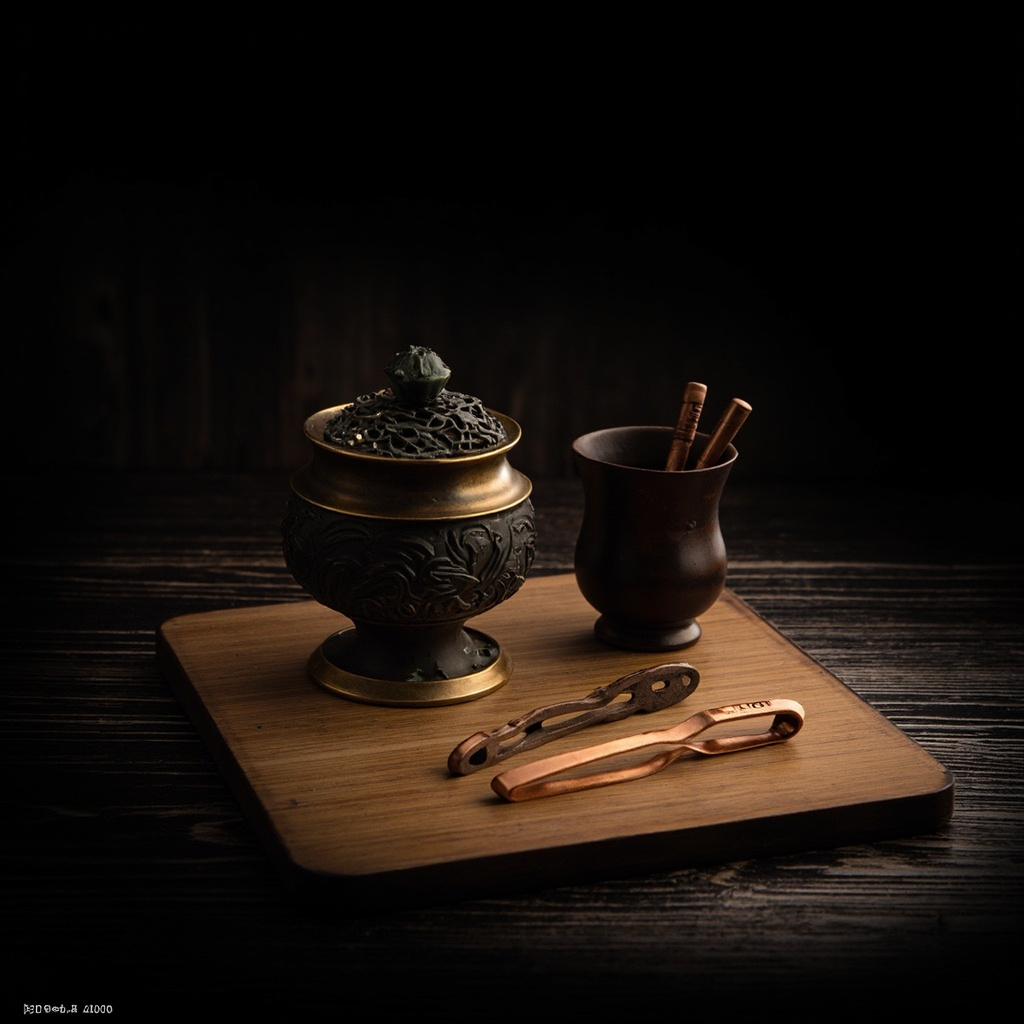
Quick Comparison Table
| Brand | Price Range | Material | Best For |
|---|---|---|---|
| Gonesh | $8–$12 | Self-lighting charcoal | Beginners |
| Shoyeido | $35–$55 | Brass/copper | Daily practitioners |
| Kagura Bell | $45–$75 | Solid brass | Home decor lovers |
| Celadon Glow | $50–$80 | Ceramic | Aesthetic minimalists |
| Tatemachi | $180–$250 | Cast bronze | Collectors |
| Gyokushodo | $300–$450 | Mixed metals | Kodo masters |
Maintenance Tips for All Price Tiers
Even the most expensive burner needs proper care to last:
- Clean ash regularly — Ash buildup affects airflow and can cause uneven burning. Use a soft brush, not water.
- Dry completely after cleaning — Metal and ceramic can retain moisture, which leads to cracks or rust.
- Store charcoal in an airtight container — Moisture is the enemy of good charcoal.
- Polish brass and copper items — Use a dedicated metal polish every few months. Avoid abrasive scrubbers.
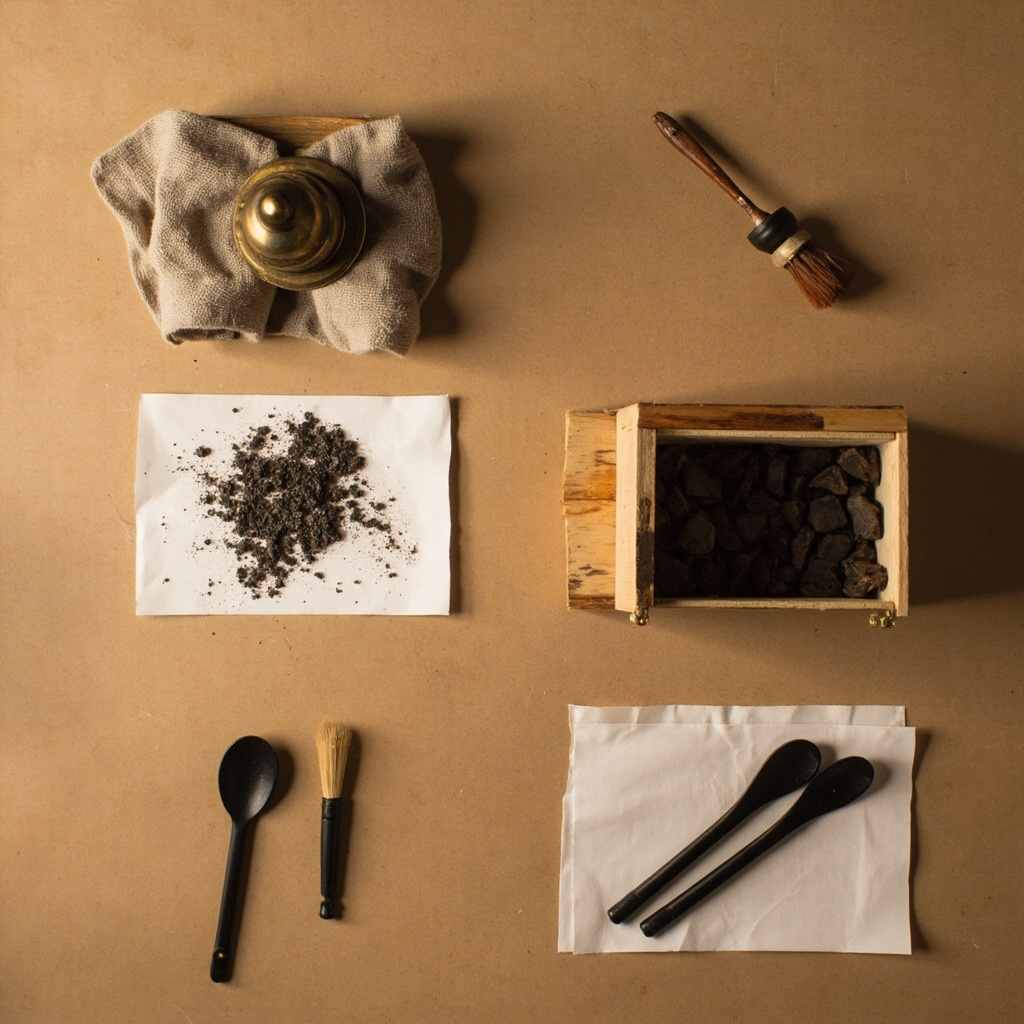
「香道用具除最常见的香炉之外,还有手炉、香斗、香筒(即香笼)、卧炉、熏球(即香球)、香插、香盘、香盒、香夹、香箸、香铲、香匙、香囊等。」
— 《香道器具图鉴》
FAQ
Q: Can I use any charcoal with any incense burner?
A: Most burners work with standard stick charcoal or self-lighting discs. However, electric burners require special heating elements. Always check manufacturer recommendations.
Q: Is expensive necessarily better?
A: Not always. If you burn standard stick incense, a $20 ceramic holder works just as well as a $200 bronze piece. Save the premium tools for premium incense—especially natural wood scents that benefit from proper heat management.
Q: Where should I buy incense tools?
A: For Japanese brands, buy from authorized dealers to avoid counterfeits. For budget items, Amazon and specialty retailers both work. For premium items ($100+), buy directly from the brand or a verified specialist.
Q: How often should I replace my charcoal?
A: Each disc lasts 40–90 minutes depending on the brand. If you burn daily, a 72-bag lasts about 2 months with regular use.
Final Thoughts
The best incense tool is the one that fits your practice. If you are a casual user burning 2–3 sticks a week, a $15 ceramic holder and Gonesh charcoal are all you need. If you are a daily practitioner exploring Japanese or Tibetan traditions, investing in a solid brass or copper set pays off in both durability and experience.
Start budget, upgrade as your practice deepens. There is no wrong entry point—only the one that works for you.