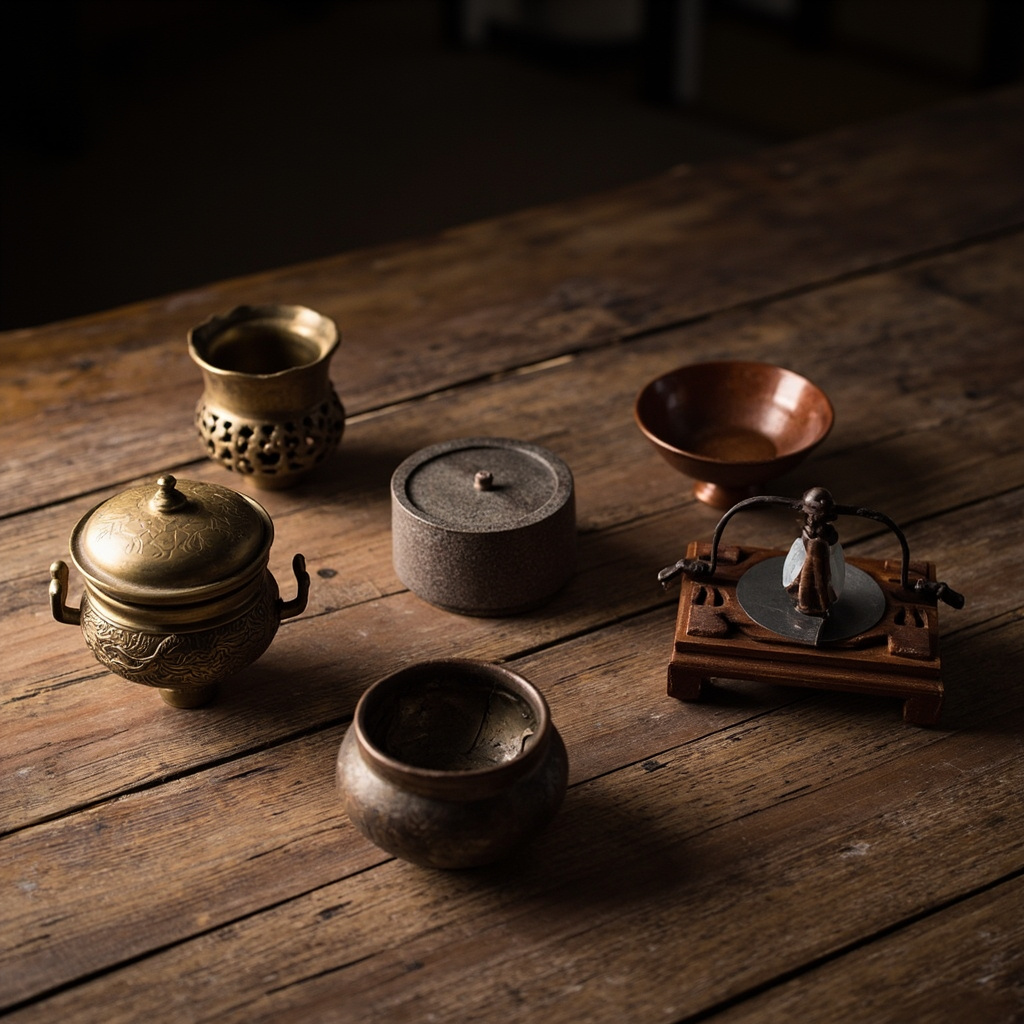
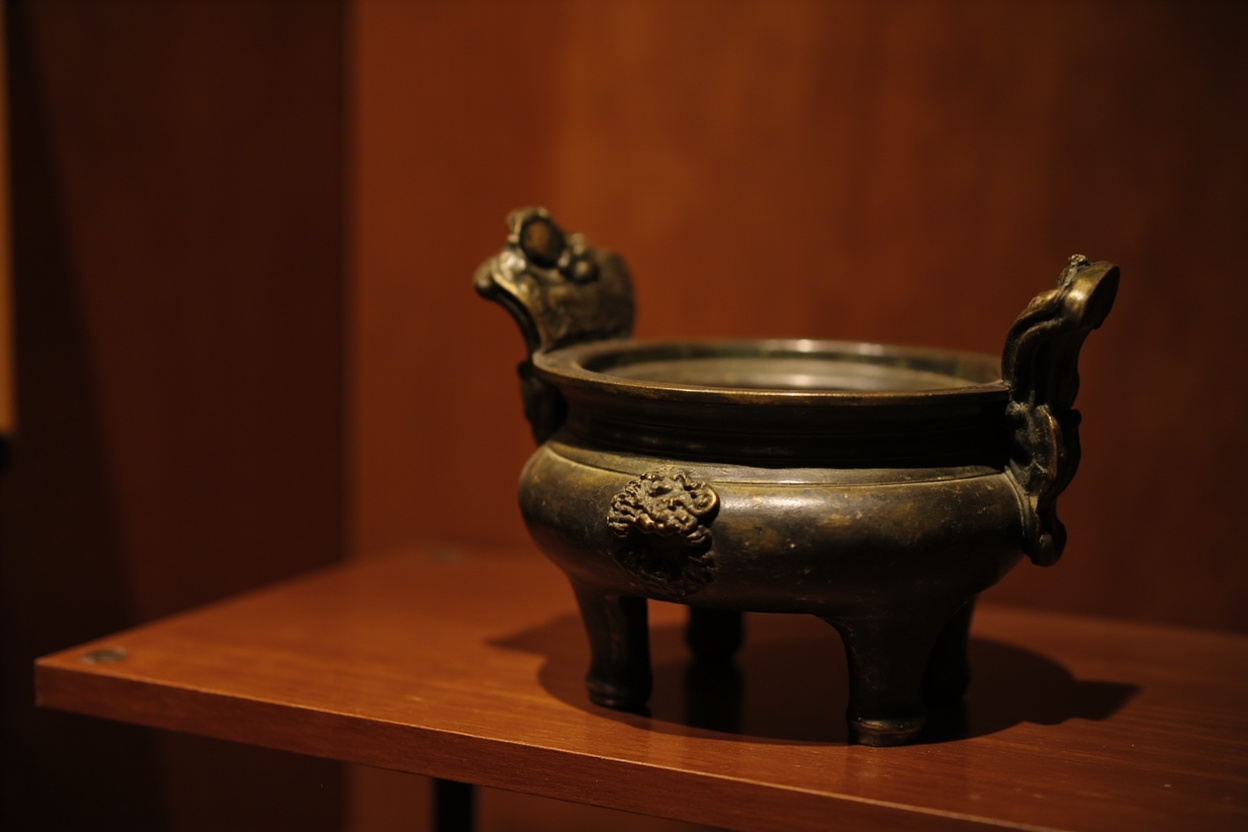
Your incense burner ages with every session. Unlike most tools, a burner improves with time — the oils from countless incense sessions deepen its patina, and the heat from charcoal transforms ordinary brass into something that carries memory. But only if you care for it properly. Neglect turns a fine burner into a corroded mess. This guide covers everything from daily maintenance to long-term preservation, so your xianglu lasts generations.
Why Incense Burner Care Matters
Chinese incense burners are not disposable tools. A quality brass or bronze burner develops character through use — the same way a cast iron pan seasons with cooking. But this aging process requires attention. Moisture destroys brass. Ash buildup blocks airflow. Residual oils from different incense types mix unpredictably. Each of these accelerates wear if ignored.
「炉之要用炭,炭之用火,火之用水,水之用人,人之用神。」— 《香乘》,周嘉胄
Translation: The essentials of the burner are charcoal, the essentials of charcoal are fire, the essentials of fire are water, the essentials of water are the user, and the essentials of the user are attention.
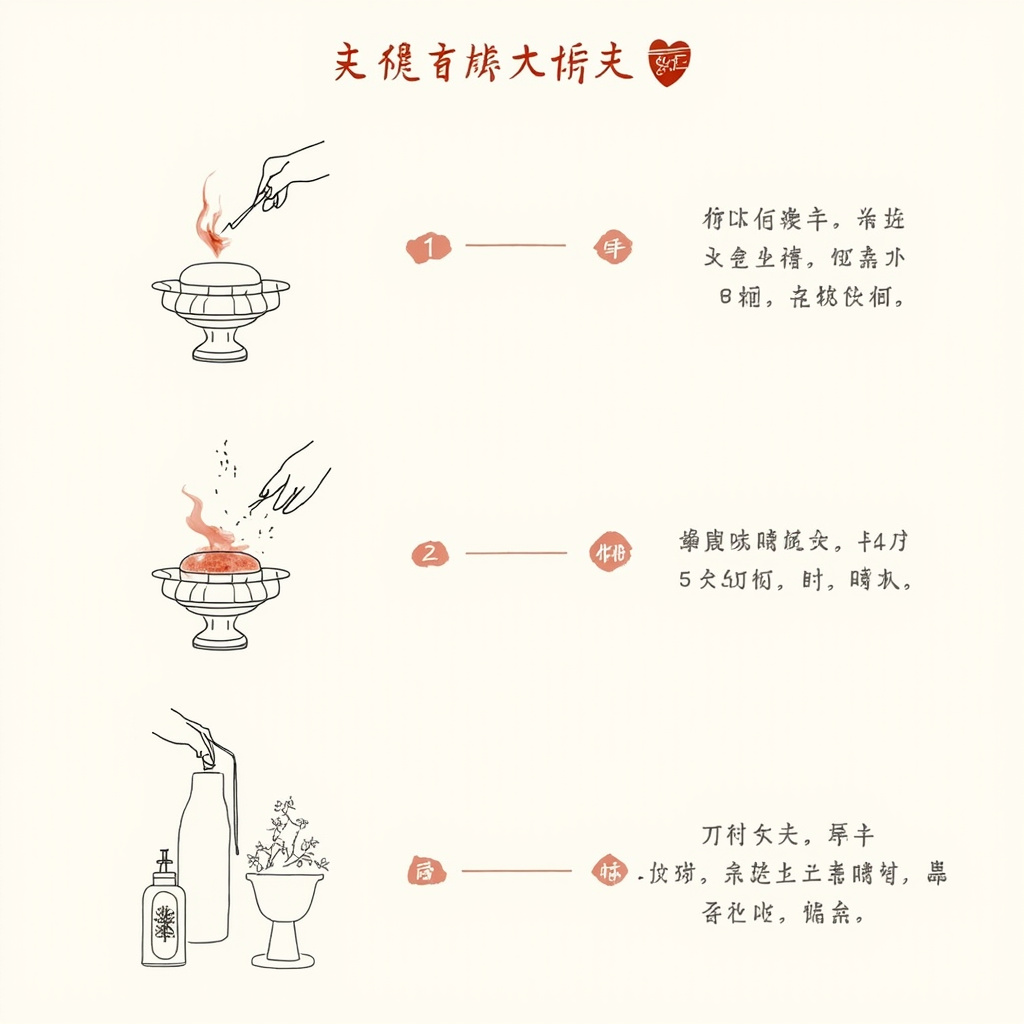
Proper care also affects how your incense burns. A burner clogged with old ash produces uneven heat. Residue from previous sessions contaminates new fragrances. And beyond function, a clean burner just feels better to use — the ritual of incense is diminished when you are staring at crusted buildup.
Daily Care: After Every Session
Five minutes after each use prevents most long-term problems. Make this a habit:
- Let the burner cool completely — never clean a hot burner. Thermal shock cracks ceramic and warps metal.
- Tap out loose ash — tap the burner gently against a trash bin to dislodge loose ash. Do not scrape.
- Wipe the interior with a dry cloth — a soft cotton cloth removes residual fine ash without scratching.
- Check for moisture — if you see any dampness, dry immediately with a cloth and let air dry before storing.
This takes about three minutes. Do it every time and your burner stays in good condition with minimal effort.
Weekly Maintenance: Deep Cleaning
Once a week, give your burner more thorough attention:
- Use a soft brush — a baby bottle brush or soft painting brush reaches into corners without scratching. Gently loosen any ash buildup along the walls.
- Clean the ash screen — remove the screen and soak it briefly in warm water if heavily soiled. Dry completely before reusing.
- Wipe the exterior — use a slightly damp cloth followed by a dry one. For brass burners, a little mild soap helps remove fingerprints and surface oils.
- Inspect for damage — check for cracks, rust spots, or loose joints. Early detection prevents loss.
Monthly Care: Addressing Patina and Corrosion
Over weeks of use, your burner develops color changes. This is natural for brass and bronze. Some practitioners value this — called sehua (色華), the beautiful color that emerges from years of burning incense. Others prefer to maintain original shine.
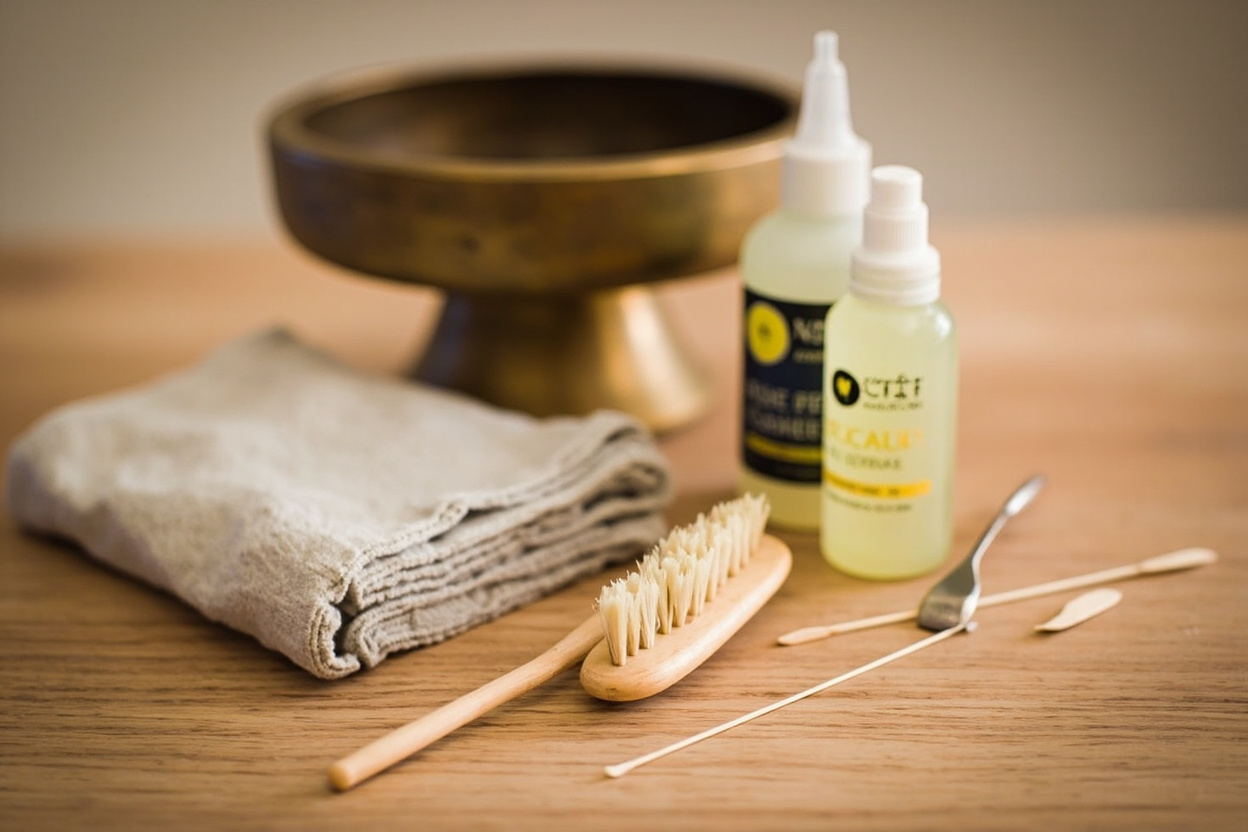
To preserve patina: simply wipe with a dry cloth. Do not use polish. Let the character develop naturally.
To remove unwanted tarnish: use a specialized brass polish sparingly, applied with a soft cloth. Rub gently in small circles, then wipe clean. Avoid abrasive cleaners or scrubbers — they permanently damage the surface.
Seasonal Care: Long-Term Storage
If you rotate burners or need to store one for an extended period:
- Clean thoroughly first — all ash and residue removed
- Dry completely — leave uncovered in a warm, dry place for 24 hours
- Wrap in breathable material — cotton cloth or felt, not plastic
- Store in a stable environment — avoid temperature swings and humidity
- Check every few months — catch any moisture or pest issues early
Common Mistakes to Avoid
Using water on a hot burner
Thermal shock causes cracks in ceramic and warping in metal. Always wait for full cooling.
Submerging in water
Water trapped in joints causes rust and corrosion inside. Clean by wiping, not soaking.
Using abrasive tools
Steel wool, rough scrubbers, and harsh chemicals strip finishes permanently. Use soft cloths and gentle cleaners.
Storing with residual moisture
Even slight dampness causes corrosion over months. Always dry completely before storage.
Ignoring ash buildup
Compacted ash becomes difficult to remove and affects burner performance. Clean weekly.
Recommended Products
- Soft cotton cloths — the single most important tool. Use separate cloths for interior and exterior.
- Baby bottle brush — soft bristles reach corners without scratching. Essential for detailed cleaning.
- Natural brass polish — for removing tarnish on brass burners when desired. Use sparingly.
- Silica gel packets — place in storage areas to absorb ambient moisture.
Frequently Asked Questions
How often should I clean my incense burner?
Light cleaning after every session (2-3 minutes). Deep cleaning once a week (10-15 minutes). Full maintenance monthly or seasonally depending on use frequency.
Can I use water to clean my incense burner?
Only when the burner is completely cool, and only on the exterior. Never submerge or use water on the interior where it cannot dry properly. Moisture inside causes rust and corrosion.
My brass burner is turning green. Is this bad?
Green patina (verdigris) on brass or bronze is natural over time. If you prefer the original shine, gently polish with brass polish. If you value the aged character, leave it as is — this is called sehua and is considered a mark of a well-used, well-loved burner.
What is the best way to remove old ash stuck to the bottom?
Let it dry completely first. Then use a wooden toothpick or bamboo skewer to gently loosen. Avoid metal tools that scratch the surface. A soft brush followed by wiping usually handles remaining residue.
Should I season my new burner before first use?
Unlike cast iron, incense burners do not require seasoning. Simply clean with a dry cloth before first use. Some practitioners like to burn a purifying incense first, but this is cultural tradition rather than necessity.
How do I store my incense burner long-term?
Clean thoroughly, dry completely, wrap in breathable material (cotton or felt), and store in a stable environment away from humidity and temperature swings. Check every few months for any signs of moisture or pest activity.