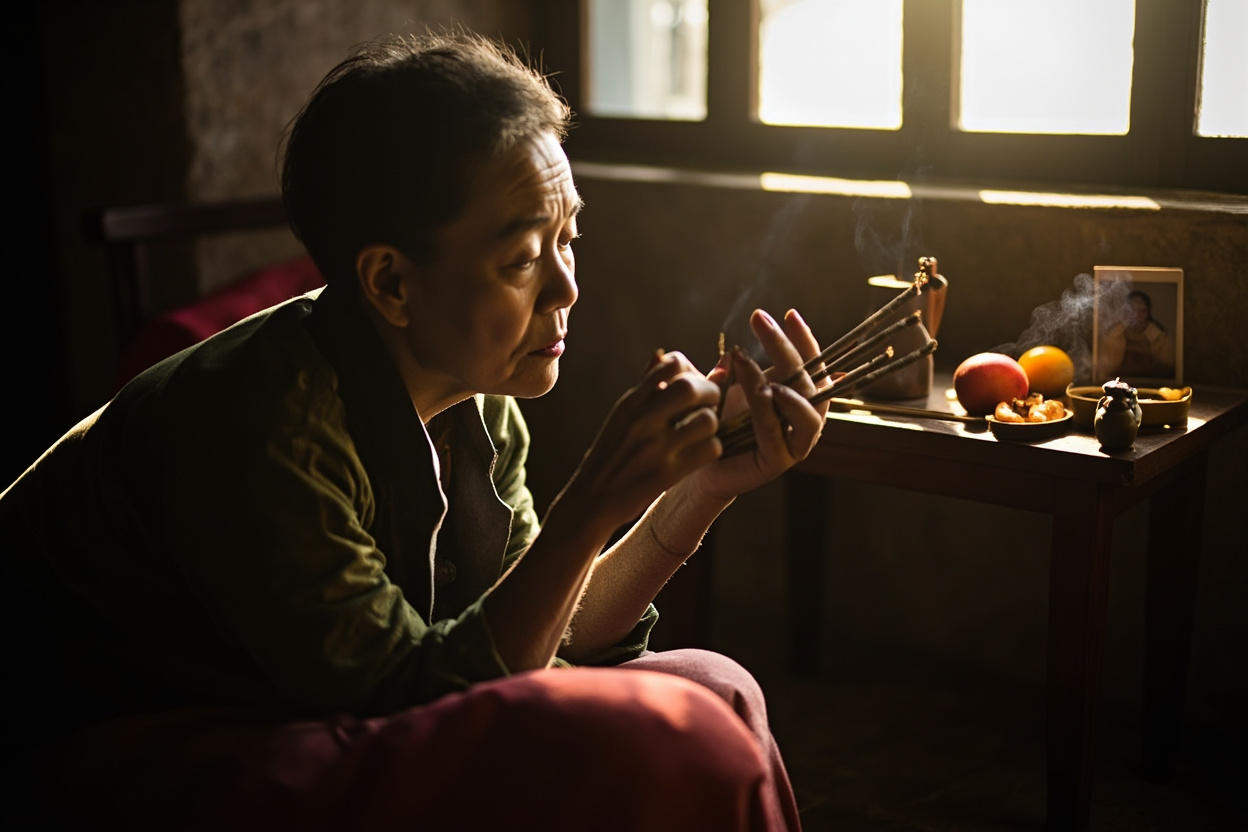
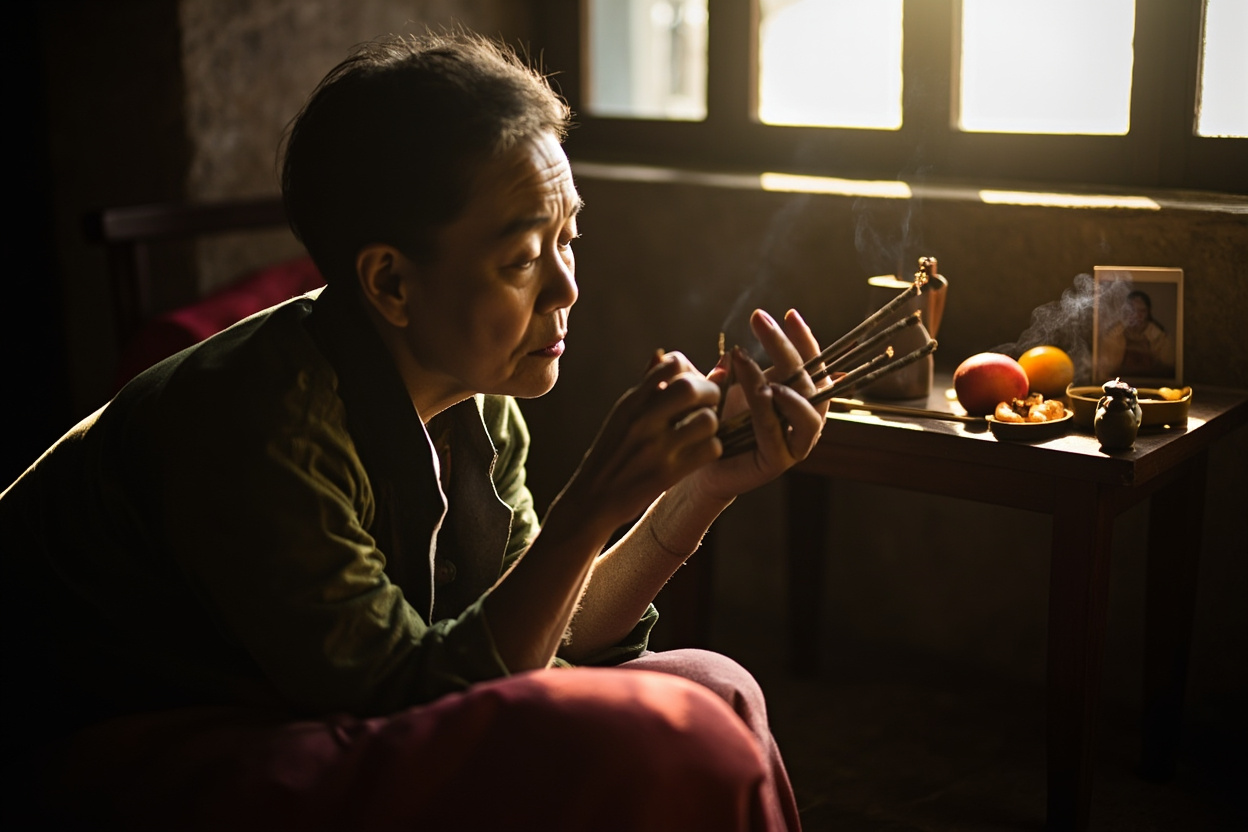
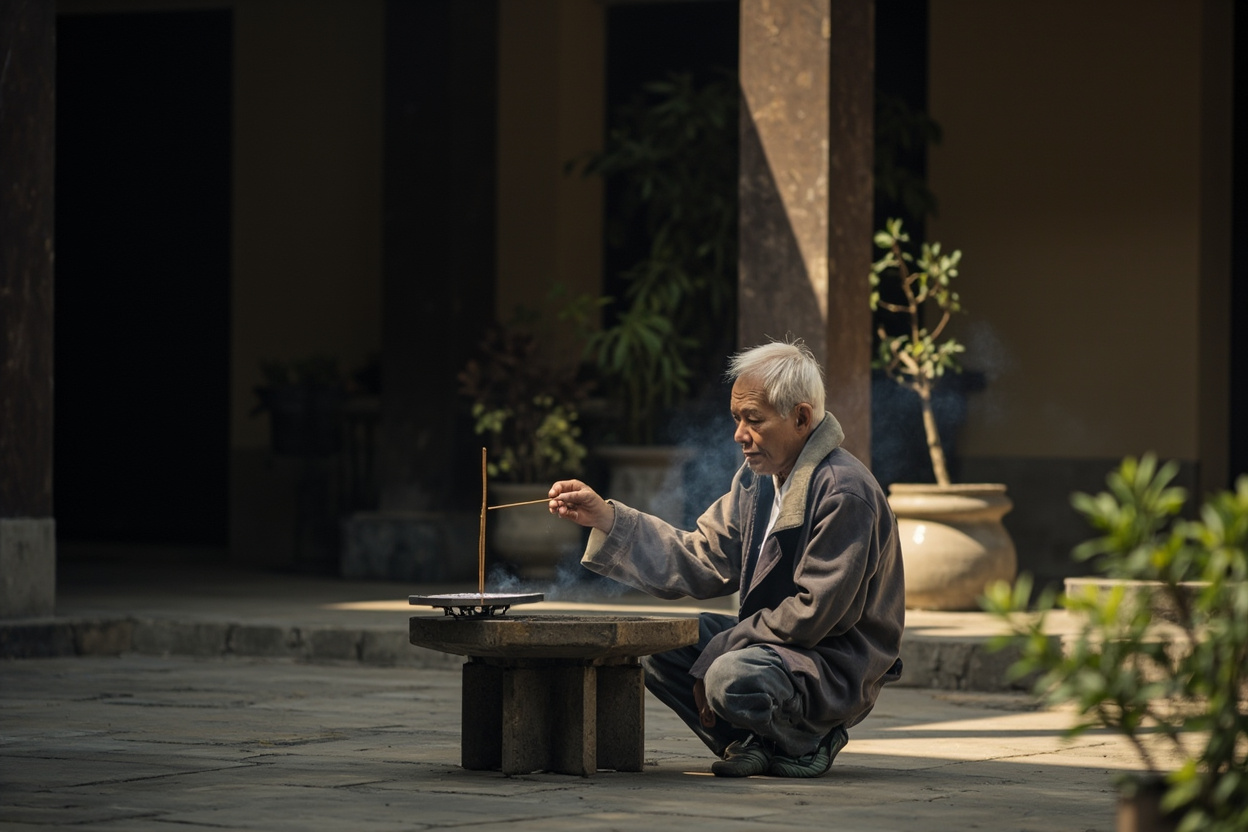
Every morning in Chinese villages, something quiet happens. An old woman lights three sticks of incense at the family shrine. She bows three times. She murmurs something to her ancestors. Then she goes about her day.
This is folk incense. Not the grand ceremonies of Buddhist temples. Not the refined rituals of scholar studios. Just ordinary people, burning ordinary incense, for ordinary reasons: to remember the dead, to ask for protection, to mark a festival, to make a house feel less empty.
Folk incense is the root. Everything else grew from it.
Temple Incense vs. Folk Incense
The Xiang Cheng makes a clear distinction. Temple incense serves the sangha and the dharma. Palace incense serves the court. Folk incense serves the people: farmers, craftsmen, merchants, the child at the festival.
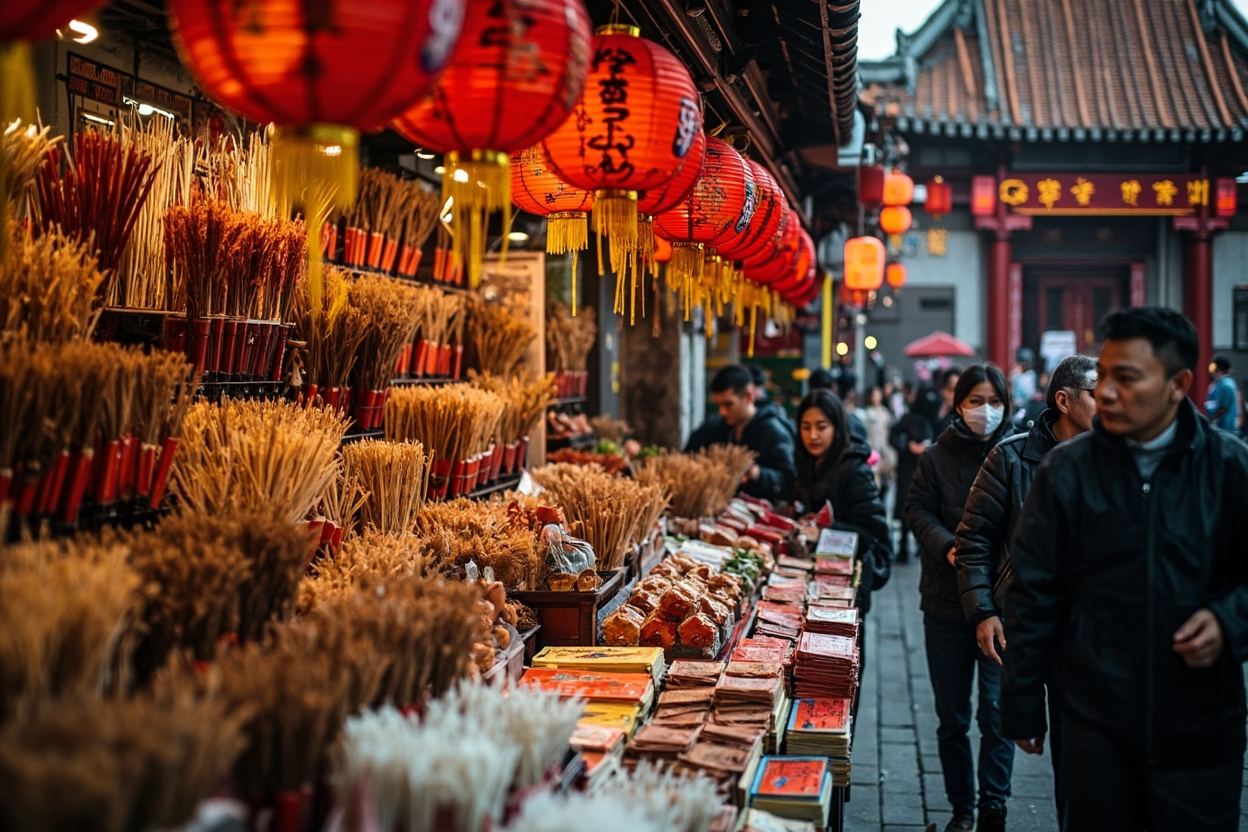
As 洪刍 notes in his 洪氏香谱: 「祭祀供爨,必要清理坛场,焚香扫洒,以通神明。」 The difference is not quality — folk incense is often the cheapest you can buy, bundles of bamboo sticks dipped in fragrant wood dust sold at village markets for a few yuan. The difference is purpose.
Ancestor Worship: The Core Practice
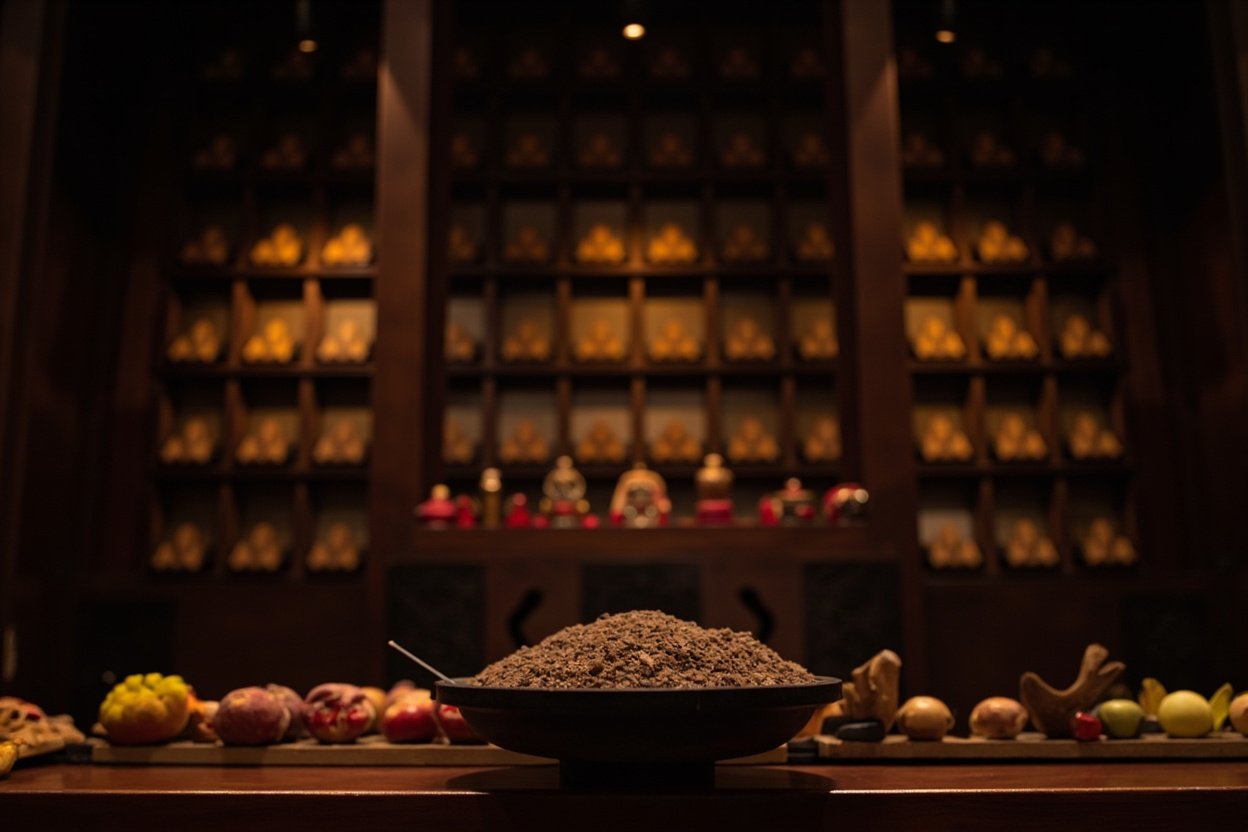
The most common form of folk incense in China is ancestor worship. As 本草纲目记载:「民间以香祀祖,馨香达于神明,感格幽显。」 Every traditional household maintains some form of ancestral shrine — a dedicated room, a small shelf with a photograph and fruit, or simply memorial tablets on a high shelf.
Every morning, incense is offered. The smoke carried words from the living to the dead. When you burned incense for your grandmother, you were not just remembering her. You were saying: I am still here. Please watch over us.
Protective Incense: Smoke as Shield
Beyond ancestor worship, folk incense serves a protective function. As 洪氏香谱记载:「柏木、苍术,白芷焚之,可驱邪气,辟瘟疫。」 The belief is straightforward: incense smoke creates a barrier that harmful spirits cannot cross. Place incense at the door, and negative energy stays outside.
Festival Incense: Marking Time
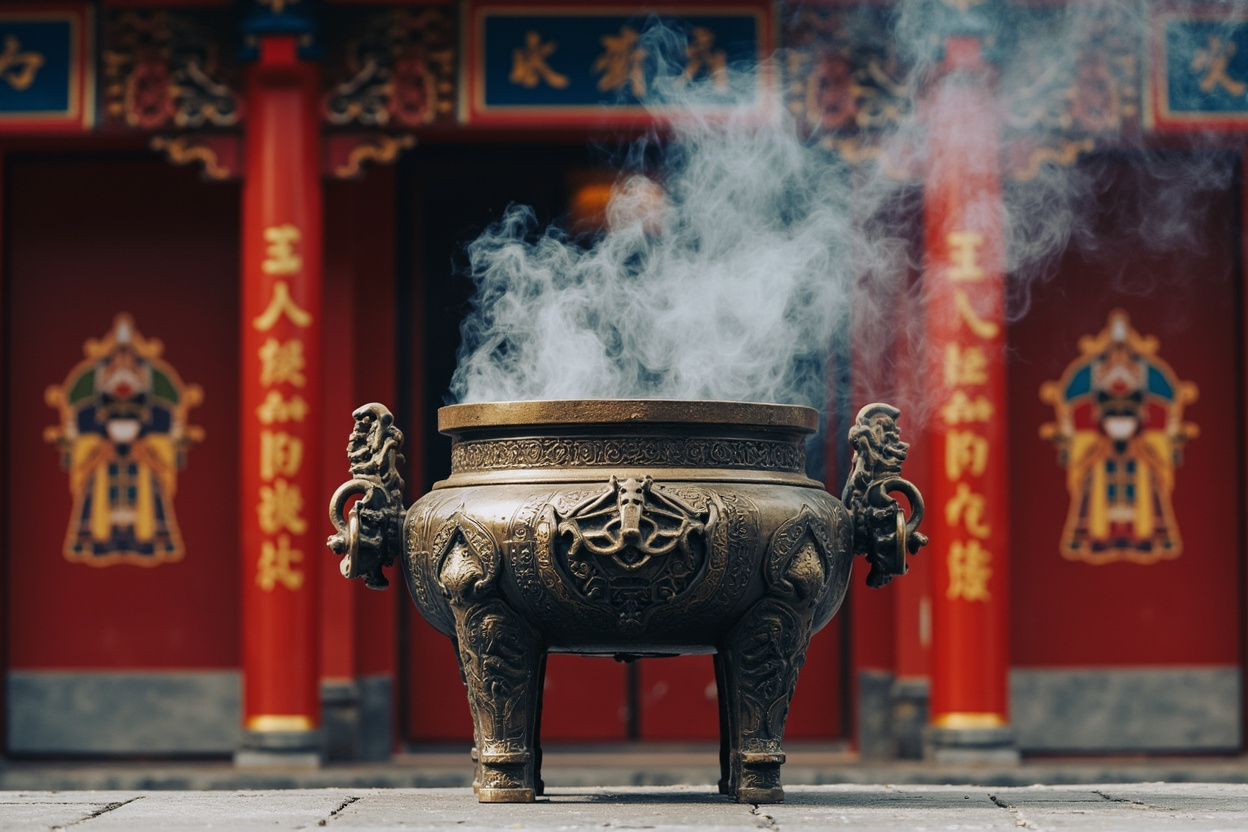
Chinese festivals are inseparable from incense. The Spring Festival involves incense at every stage. Cleaning the house before the new year, incense is burned to purify the space. New Year’s Eve, incense is burned to welcome the ancestors. New Year’s Day, incense is burned to start the year properly.
The Qingming Festival is entirely organized around incense. Families travel to ancestral graves, bring food and paper money, and burn incense in massive quantities.
Why It Still Matters
Folk incense survives because it serves functions that formal traditions cannot. Temple incense requires a temple. Scholar incense requires a studio and years of training. Folk incense requires nothing except a stick and a moment.
The single stick of incense at the home shrine is one of the last remaining practices that says: stop, breathe, remember. You do not need to believe in ancestors for the practice to work. You just need to light a stick and pay attention to the smoke for a few minutes.
Frequently Asked Questions
What is the difference between folk incense and religious incense?
Folk incense and religious incense overlap but serve different primary purposes. Religious incense is practiced in temples with formal rituals. Folk incense is practiced at home, at ancestor shrines, in daily life, with simpler intentions: remembrance, protection, comfort. Many materials are identical, but the context and intention differ.
Do young Chinese people still practice folk incense traditions?
Yes, but in modified forms. Urbanization has reduced the physical space for traditional practices, and many young Chinese in cities use electric incense burners instead of traditional smoke incense. However, core practices like ancestor worship during festivals continue even among secular, modernized young people. The practices adapt rather than disappear entirely.
Is folk incense the same as temple incense?
Sometimes. Temple incense is often purchased at the temple itself, and the materials may be identical to folk incense. The difference is who is burning it and why. A villager buying incense at the temple market and burning it at their home shrine is practicing folk incense. The same incense burned by a monk in a formal ceremony is religious incense. The incense itself does not change; the practice does.