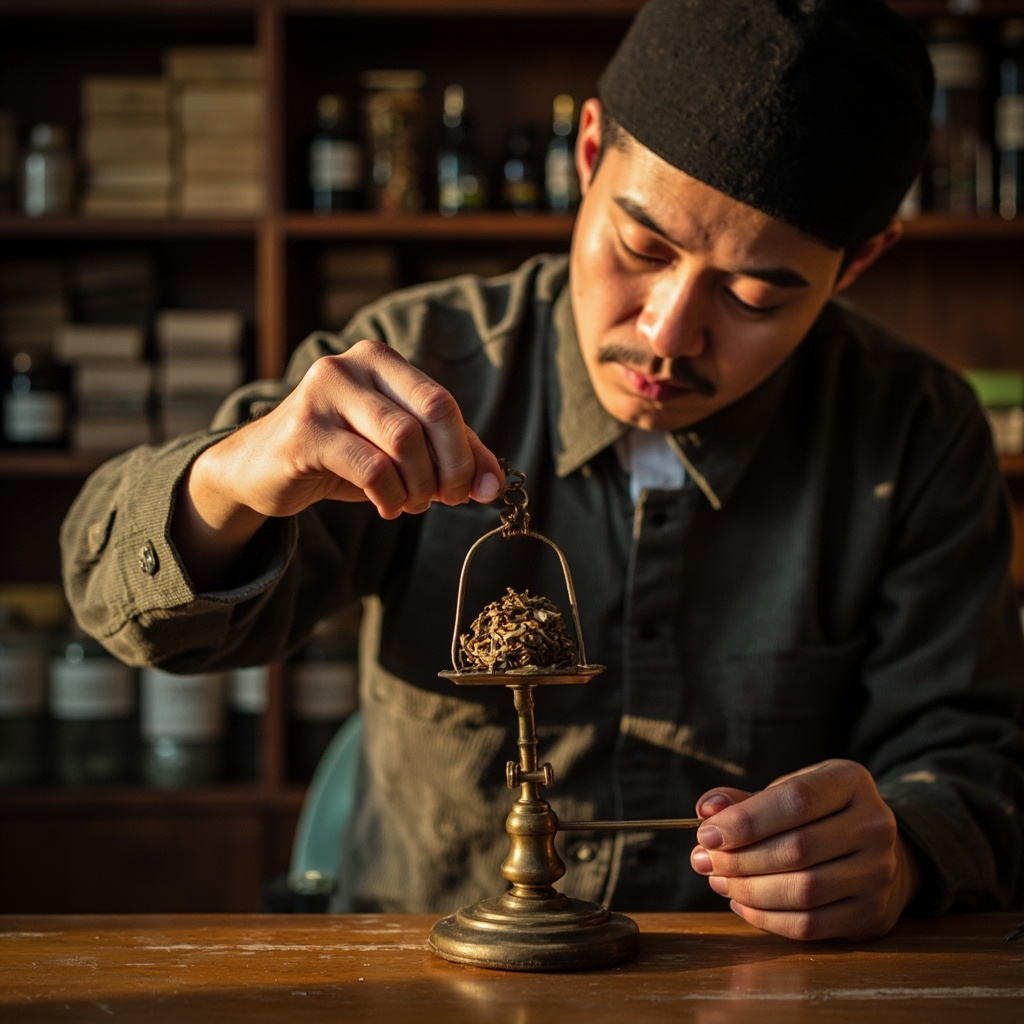
Beyond sticks, coils, and powders, traditional Chinese incense includes some unusual forms that modern practitioners rarely encounter. Incense paste and gel represent the intersection of incense and traditional medicine – aromatic materials prepared in liquid or semi-solid form for specific applications. Here is what these forms are and how they are used.
What Is Incense Paste?
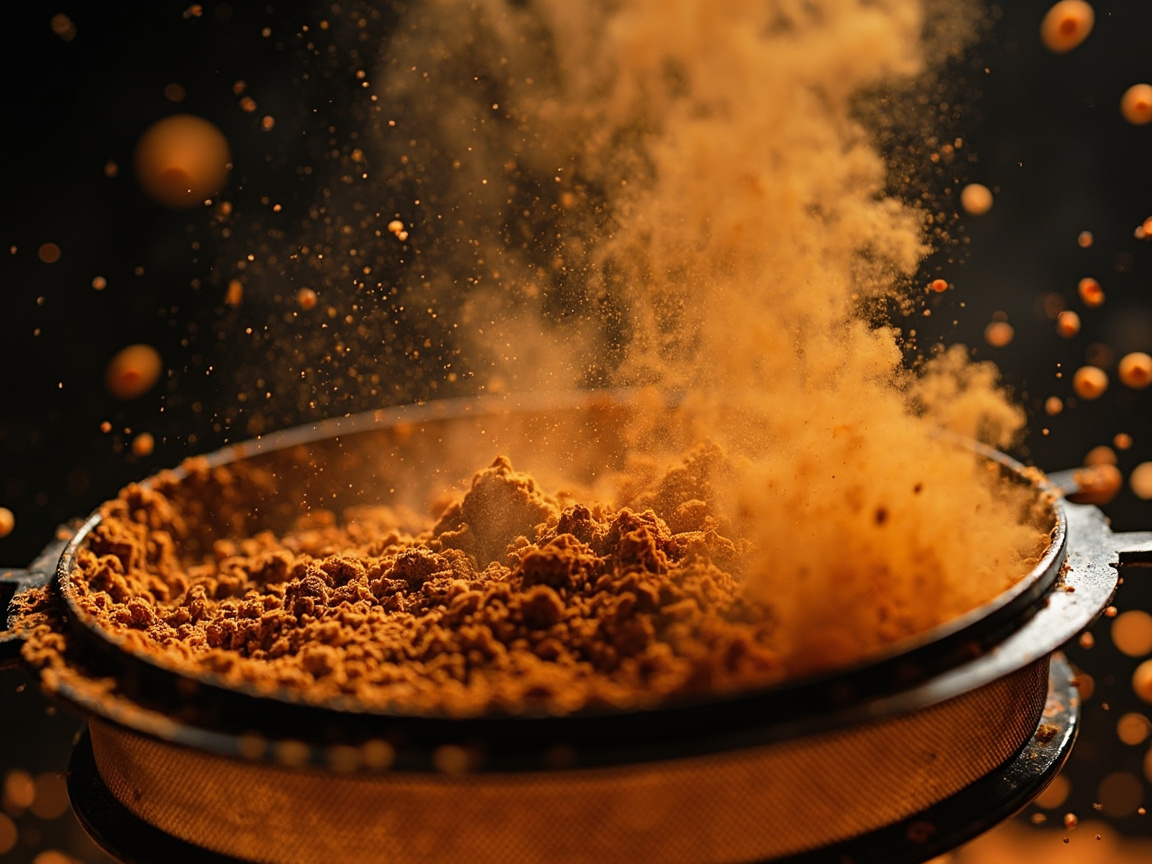
Incense paste (香膏, xiang gao) is a semi-solid preparation where aromatic powders are mixed with a binding agent – traditionally herbal decoctions, honey, or other sticky substances – to create a spreadable form. The paste is applied to the skin as a perfume, used in traditional medicine, or spread on surfaces for ambient fragrance.
The paste format has several advantages: it is long-lasting because the binding agent slows evaporation; it can be mixed with other aromatic materials easily; and it allows for very precise dosing. In TCM, paste preparations deliver aromatic compounds through skin absorption as well as inhalation.
The Gel and Liquid Incense Traditions
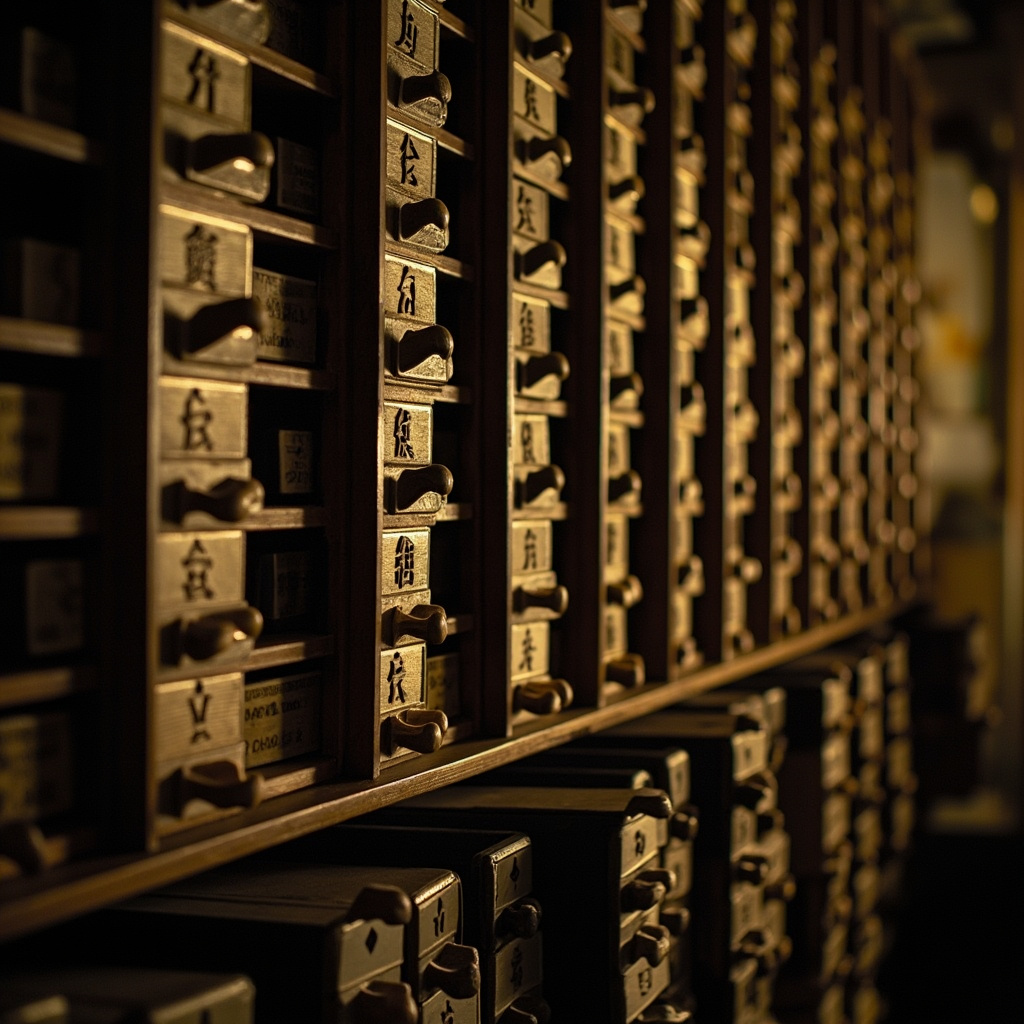
Chinese aromatic traditions also include liquid preparations (香水, xiang shui – fragrant water) and gel-like preparations that fall between paste and liquid. These are primarily cosmetic and medicinal rather than ritual incense forms:
Aromatic Waters (Xiang Shui) – Distilled or infused waters containing aromatic compounds. Used in hair rinses, facial waters, and as room sprays in traditional Chinese medicine contexts. The term xiang shui is sometimes mistakenly translated as perfume water.
Gel Incense (Ning Xiang) – Semi-solid preparations using gelling agents to suspend aromatic powders in a stable matrix. The gel burns slowly when ignited, releasing fragrance over extended periods. This is a less common form primarily found in specialized traditional contexts.
TCM Applications of Paste Incense
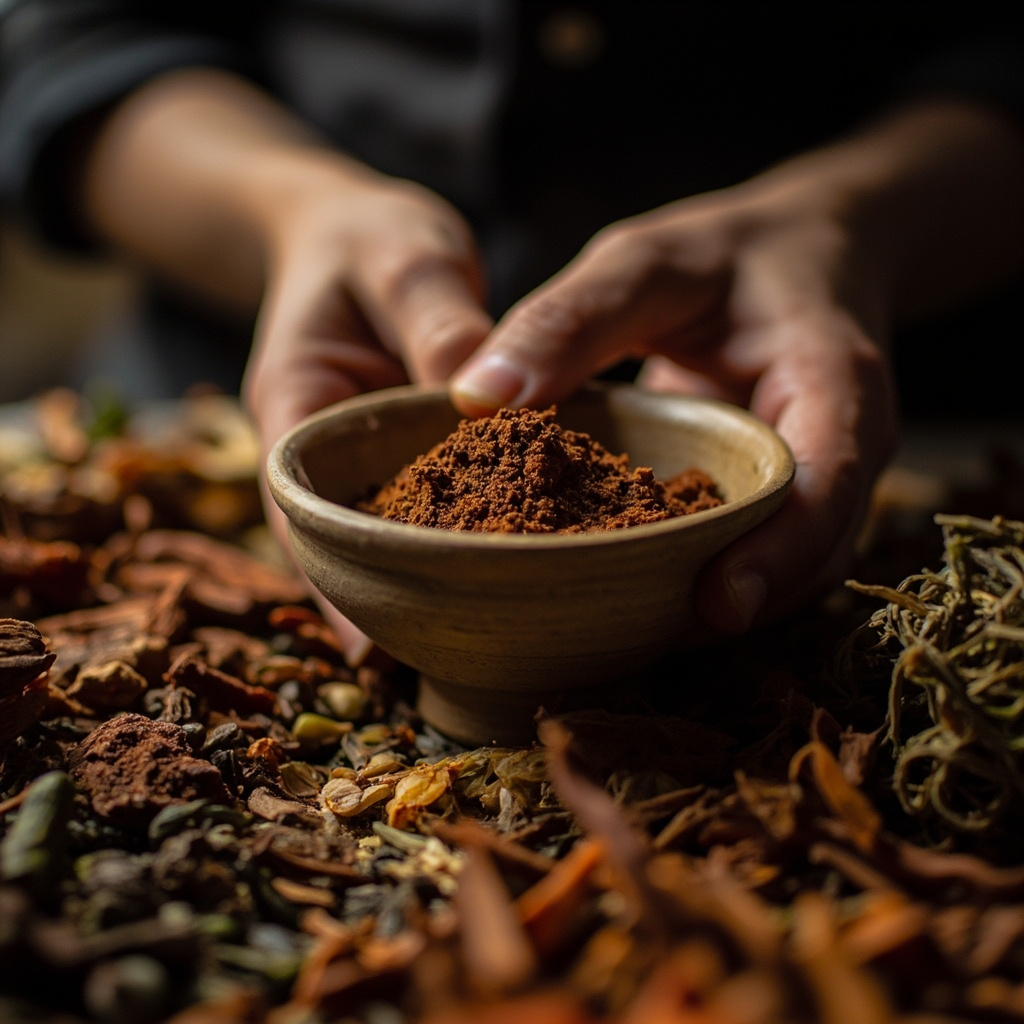
In traditional Chinese medicine, aromatic pastes serve therapeutic functions beyond simple fragrance:
Nasal Applications – Certain paste preparations are designed to be applied near the nostrils or inside the nose for respiratory conditions. These must be carefully formulated – inappropriate materials can damage nasal membranes. Do not attempt to make or use nasal incense preparations without expert guidance.
Acupoint Application – Aromatic pastes applied to specific acupuncture points to enhance the effect of the aromatic compounds. The paste format allows slower, more sustained release than burning incense.
How Paste Incense Is Made
Traditional paste preparation follows these steps:
Decoction – Aromatic herbs are boiled in water to extract volatile compounds. The resulting liquid is concentrated through continued boiling.
Filtration – The decoction is filtered to remove particulates, leaving a clear aromatic liquid.
Addition of Powders – Fine aromatic powders are added to the decoction and mixed thoroughly.
Binders – Honey, glycerin, or other binding agents are added to create the desired consistency.
Sterilization – The paste is heated to kill any bacterial contamination and sealed while still warm.
Modern Gel Incense Products
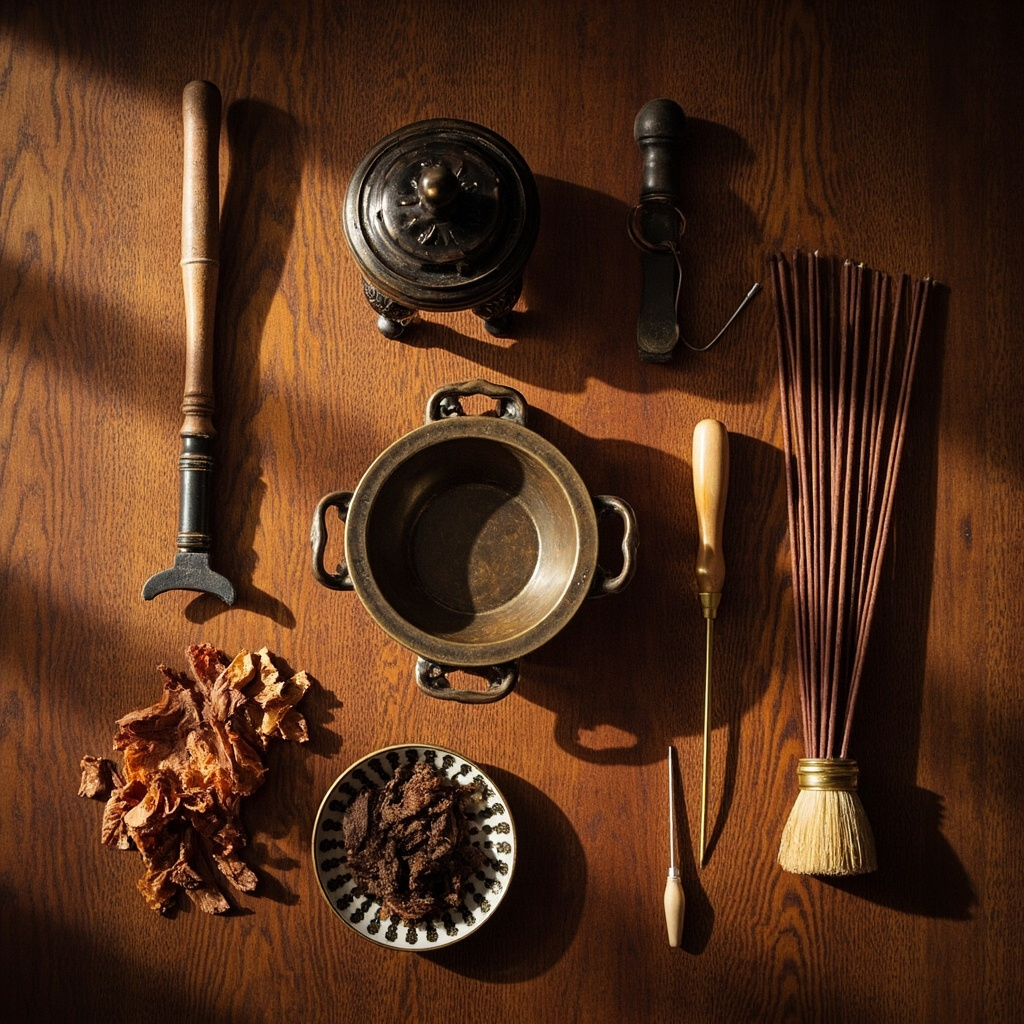
Modern commercial products labeled as gel incense typically use synthetic aromatic compounds suspended in a gel matrix. These are not traditional preparations – they are convenience products that burn similarly to cone incense but in gel form. Quality varies widely, and most commercial gel incense uses fragrance oils rather than natural aromatic materials.
Traditional paste and gel incense using natural materials is primarily found through TCM practitioners, specialized traditional pharmacies, or artisan makers. It is not commonly sold in Western incense shops or general online marketplaces.
Using Paste Incense Today
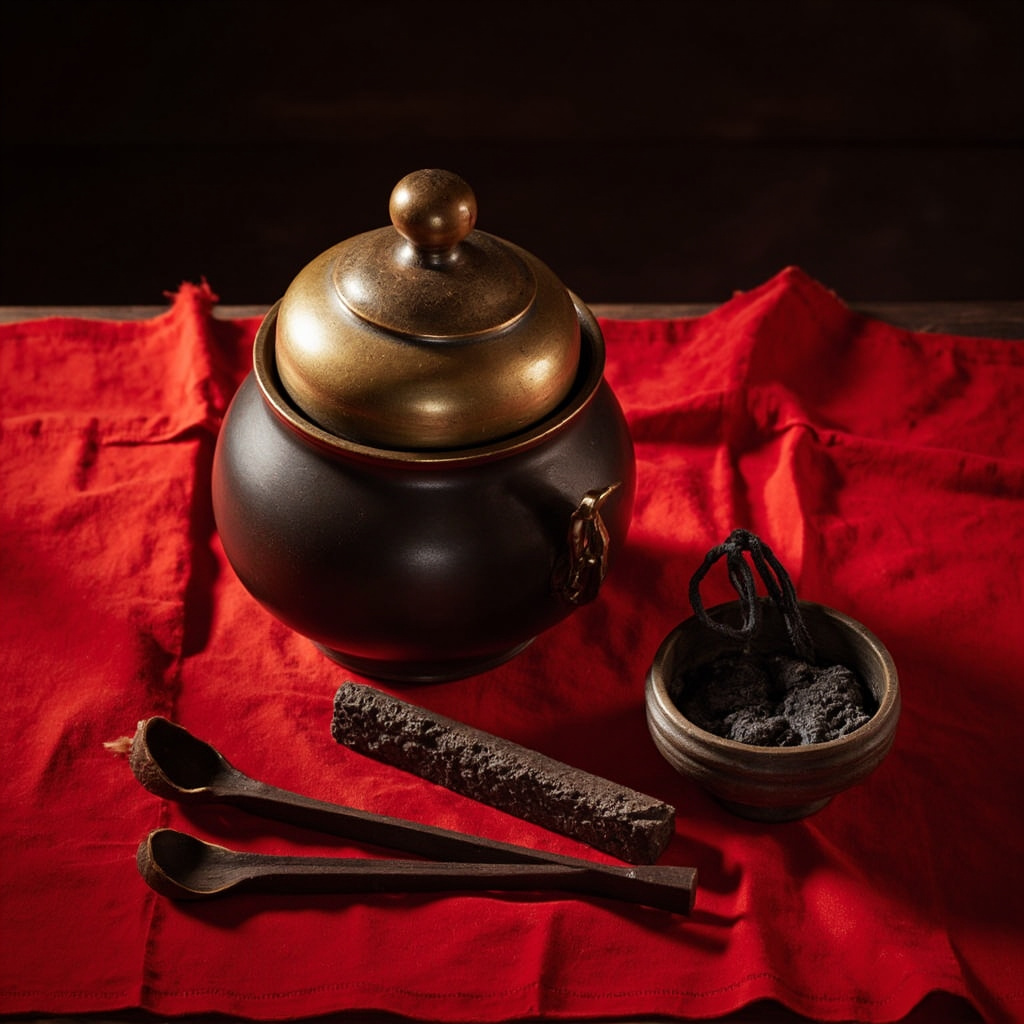
If you encounter traditional paste incense, it is typically applied in small amounts:
- As a personal perfume – apply a small amount to pulse points
- As a room fragrance – place a small amount in a dish to evaporate slowly
- As a meditation aid – the sustained release of paste provides longer fragrance than sticks
For burning purposes, paste incense is typically applied to a heat-resistant surface or to a specialized burner designed for semi-solid materials. Direct flame is not recommended as it burns the material too quickly and destroys the fragrance compounds.
Related Articles
- Incense Powder (Xiang Fen): The Oldest Chinese Incense Form Explained
- Incense Pills & Cakes: The Classical Compressed Incense Forms
- Wearable Incense Guide: Sachets, Perfume & Traditional Chinese Scents
Frequently Asked Questions
Is incense paste the same as solid perfume?
Similar in concept but different in preparation and purpose. Western solid perfumes are fragrance compounds suspended in wax or oil bases for convenience. Traditional Chinese incense paste specifically uses aromatic materials prepared according to TCM principles and often includes herbal ingredients selected for therapeutic properties beyond simple fragrance. Western solid perfumes are not typically classified as incense paste in the traditional Chinese sense.
Can I make incense paste at home?
Yes, with caution. The simplest homemade incense paste is a mixture of aromatic powder (such as ground sandalwood) with a binder like honey or vegetable glycerin. Use small quantities and test on skin before broader application. Avoid adding any materials you are unsure about – some aromatic substances that smell pleasant can cause skin reactions. Do not attempt to make nasal or internal use preparations without expert TCM knowledge.
What is the shelf life of incense paste?
Properly prepared incense paste stored in an airtight container in a cool dark place lasts 1-2 years. The binding agent (honey provides natural preservation) and the preparation method affect shelf life. Signs of degradation include changes in texture, color darkening, and mold growth. If the paste smells rancid rather than aromatic, discard it.